The control of price risk is a challenge that never sleeps. In the international environment, prices for energy, metals, agricultural products, and even emissions credits are in constant flux, shaped by unpredictable tides of supply, demand, politics, climate, and technology. For companies with significant market exposure, this volatility is more than noise, it is a daily force shaping cash flow, margins, and strategic opportunity.
Yet, in this environment, scientific models and AI-driven digital tools are rewriting the rules of risk control and commercial decision-making.
This article brings together the essence of quantitative rigor and advanced technology, shining a light on how companies, especially in agribusiness, energy, and industry, can transition from fragmented, reactive management to a proactive, unified system. Drawing on the expertise and experience of STATERRA and UHEDGE, and citing real data and relevant studies, this is the story of market discipline, methodology, and value creation, told without shortcuts or technical compromise.
Introduction: The mechanics of the commodities universe
The global trading of raw materials, from crude oil to soybeans, shapes economies and the bottom lines of countless businesses. What brings these companies together is their exposure to the relentless ups and downs of the markets, the necessity to manage risk and secure commercial advantage. But what exactly is the commodities market, and how do mechanisms like futures, OTC derivatives, and spot contracts work to protect or expose balance sheets?
The commodities marketplace is more than a physical location; it is a web of formal and informal agreements where buyers and sellers seek price discovery, hedging, and, sometimes, speculation. Participants range from global energy producers to agricultural cooperatives and food processors. Their goal? Transform uncertainty into opportunity, using price risk control and sound strategy.
But in a turbulent climate, with fast-moving news, weather, and policy, no internal team, no matter how diligent, can hope to track and synthesize all relevant information in real time. This is where advanced digital solutions and quantitative analytics step in.
How quantitative models shape the new market discipline
While traditional tools, spreadsheets, manual reconciliations, and basic dashboards, have served a generation, they now struggle under the weight of data velocity and fragmentation. Automation, quantitative modeling, and artificial intelligence are the new pillars of the digital treasury.
Strong models deliver stronger results.
At the core of UHEDGE’s approach is a commitment to scientific discipline: every risk, every operation, every market signal is treated quantitatively, not qualitatively. This philosophy is anchored in years spent in global centers of finance and commodities, and in a software platform built for rigorous, real-time analysis and scenario planning.
Why this matters for companies
- The cost of poor or delayed hedging can be measured directly in lost margins and missed opportunities.
- The inability to track mark-to-market values, exposures, and liquidity leaves companies vulnerable in volatile times.
- Lack of integration between FX, interest rate, and commodity risk management means that commercial strategy can be undermined by unseen threats.
What is needed, then, is a unified environment, a digital platform that makes the complex simple, not by ignoring rigor, but by embedding it in accessible, user-friendly tools. As confirmed in CFTC regulatory discussions and US Congressional research, artificial intelligence can automate key processes in trading, risk analysis, and fraud detection, supporting sustainable and robust price risk control by pushing the boundaries of human capability.
The role of quantitative and AI models in price assessment
Price discovery is where the crunch happens. When companies buy, sell, or hedge through futures, physically settled contracts, or complex OTC derivatives, they require an unbiased and scientific assessment of risks and opportunities. This is the arena of volatility surfaces, futures curves, and the sometimes subtle, sometimes dramatic impacts of macroeconomic signals.
Precision in modeling means precision in pricing.
Quantitative models allow for rigorous, scenario-based forecasting and risk measurement. For example, a 2020 study in the Journal of Futures Markets has shown that multifactor stochastic models offer a potent framework for managing the risk of energy futures, enabling companies to compute value-at-risk and stress-test extreme market events accurately (See the full study in the Journal of Futures Markets).
In the context of the UHEDGE platform, these models underpin everything from instant pricing and custom contract creation (think: accumulators, fences, swaps) to the automated recommendation of risk management mechanisms, tailored to a company’s exposures and timing requirements.
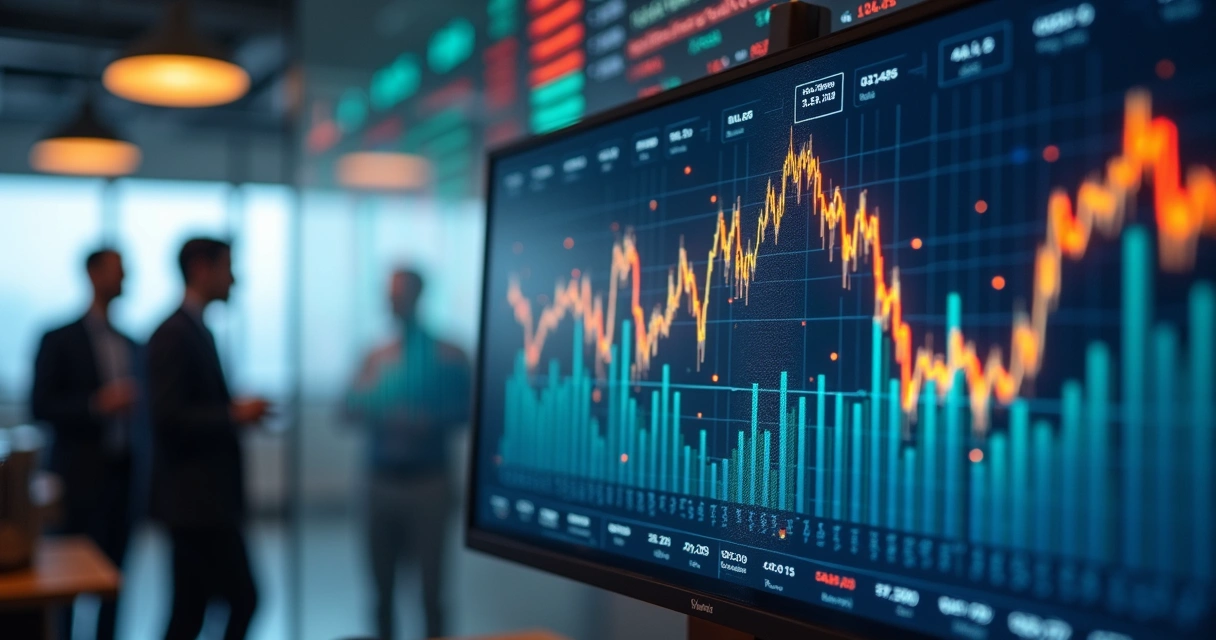
This integration of advanced modeling and real-time market data distinguishes UHEDGE and STATERRA from those who rely solely on periodic manual analysis or guidance from providers with less skin in the game. Here, the methodology is independent, proactive, and always governed by a fundamental respect for scientific truth and business reality.
Inside the digital treasury: Automation, aggregation, and transparency
Traditional treasury management often means juggling multiple spreadsheets, disparate systems, and delayed reports. Manual error creeps in. Information silos delay response times. The result? Fragmented visibility and the risk of wrong decisions made too late.
Digital treasury platforms unify operations across asset classes, currencies, interest rates, and commodities, bundling them into a single, integrated environment. With advanced analytics, automatic end-of-day reporting, and continuous mark-to-market calculations, management finally gains a real-time view of positions, exposures, and risks.
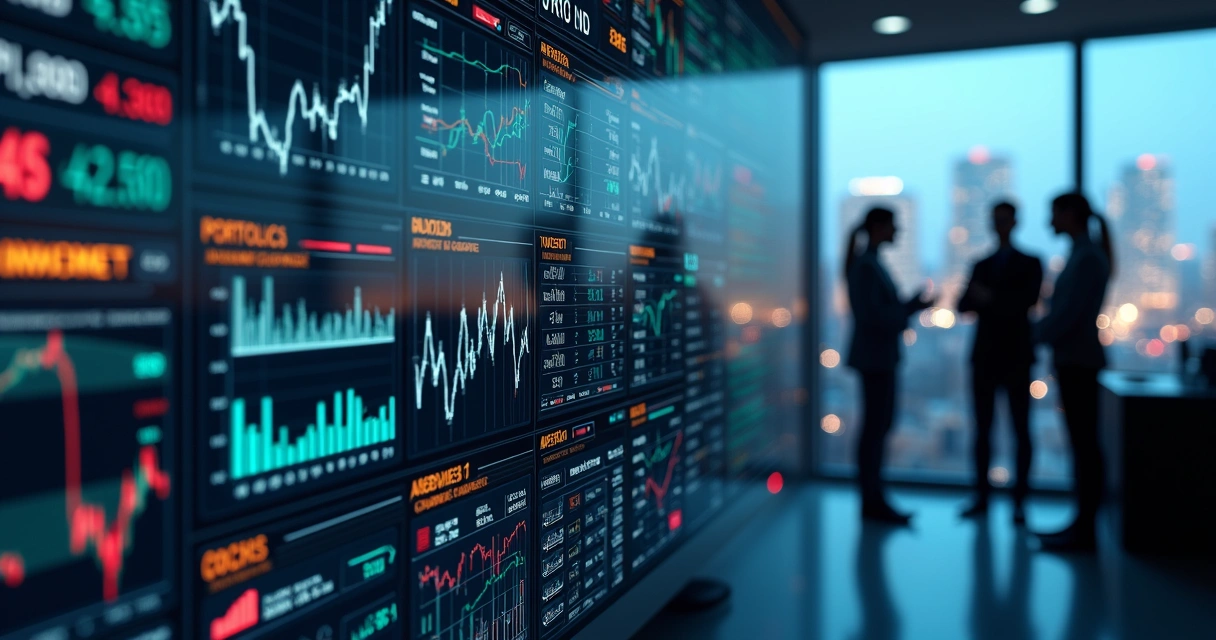
UHEDGE’s software delivers exactly this: a centralized management layer where all operations, from physical inputs to complex financial instruments, are aggregated and monitored. Metrics such as portfolio performance, mark-to-market, and volume of origin are tracked visually; risk mapping tools display how price and volatility changes move P&L, helping leaders simulate and plan reactions to market shocks.
One dashboard, a world of positions.
Automated calculation and structure creation
Through built-in calculators and replicating algorithms, users can create and price sophisticated structures (accumulators, vanilla contracts, swaps, and more) instantly, ensuring that all relevant risks, costs, and liquidity requirements are considered. No more waiting for bank quotes or reconciling separate programs. Analytics on volatility (including vol smiles and volatility surfaces) provide deep, actionable intelligence for both strategic and tactical decisions.
Understanding the core mechanisms: Futures, spot, and OTC derivatives
Every company facing significant exposure to energy, agricultural, or industrial markets needs to engage, at some level, with three primary types of instruments for price risk management:
- Futures contracts: Standardized agreements traded on regulated exchanges to buy or sell a set quantity at a specified future date and price. These are highly liquid, marked to market daily, and impose strict margin requirements.
- OTC derivatives: Non-standard contracts negotiated directly between counterparties (often through brokers or specialized providers). These are used for custom hedging needs and can include swaps, options, and combinations thereof.
- Spot operations: Immediate purchase or sale of physical goods at current market prices.
Risk never sleeps. Neither should your controls.
Each of these presents their own challenges: while futures bring transparency and liquidity, OTC derivatives offer custom solutions (but with higher counterparty risk and less regulation). Spot transactions expose companies directly to market moves. With modern, unified platforms, these disparate instruments can be analyzed and managed together, ensuring complete oversight and control.
In addition, recent research confirms that the effectiveness of hedging relies not just on static coverage but also on dynamic model updating and contract design that accounts for non-linearity, exactly what algorithmic, data-driven platforms are purpose-built to deliver.
Hedging strategies: From theory to daily operations
Hedging in practice is about more than buying a contract ‘just in case’. It is a calculated, continuously calibrated exercise rooted in understanding correlations and market structures.
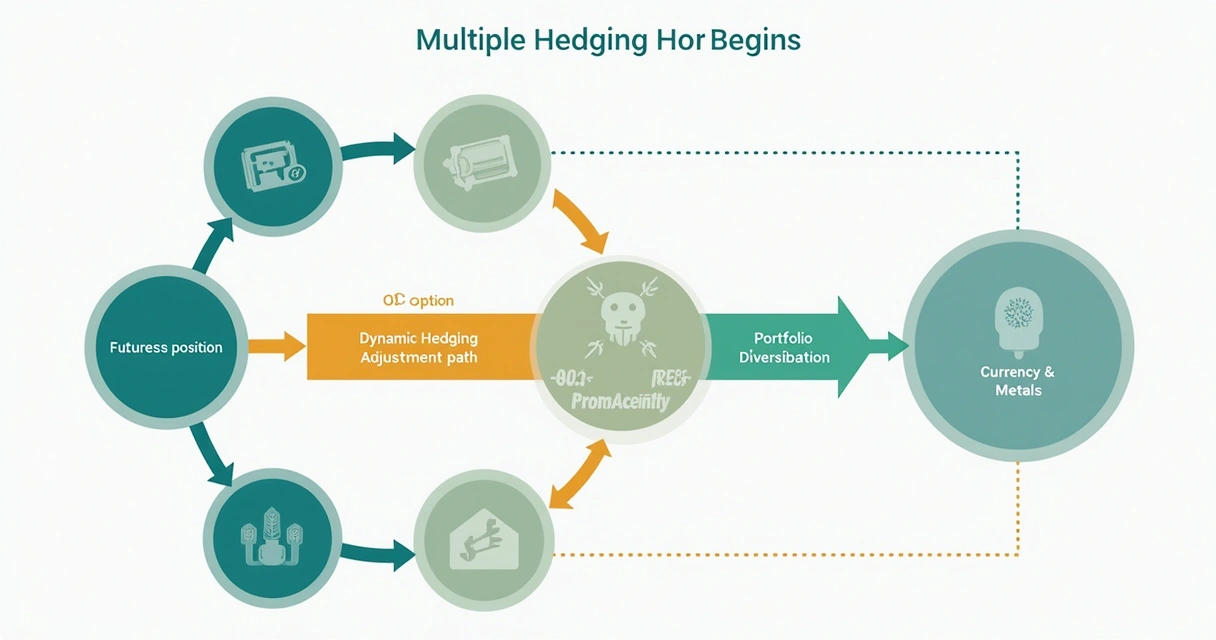
- Static hedging: Fixing a position or price for a future date with little or no adjustment. This can be effective in stable environments but often falls short when volatility spikes or market conditions change.
- Dynamic hedging: Models are regularly updated and positions are adjusted based on live data, new signals, and changes in exposure.
- Portfolio hedging: Looking at risk across asset classes, such as currency, rate, and commodity, optimizing the balance to maximize margin and minimize overall threat. The optimal hedge ratio depends on production/supply elasticities, cost structure, and risk appetite.
Within UHEDGE and STATERRA, the onboarding process carefully assesses a company’s objectives, constraints, and liquidity needs, formulating a custom hedging strategy that combines digital intelligence with nearly two decades of market wisdom. The approach is validated by measured outperformance in benchmarked energy and commodity scenarios, as well as client testimonials from sectors ranging from agribusiness to metallic industries.
Sector focus: Agribusiness, energy, and industrial management
Not all markets react the same way to shocks. The methodologies developed for large-scale grain and sugar producers have been adapted and extended to energy and metals, each sector with its own quirks, correlations, and historical responses to volatility.
For agribusiness, the primary threats are price shocks due to weather, logistics, and policy risks. In energy, seasonality, inventory cycles, and geopolitical tension play a leading role. For industrial users and manufacturers, input costs and demand fluctuations are paramount concerns.
UHEDGE and STATERRA’s track record includes the creation of custom portfolios and risk maps for:
- Coffee producers managing long-term contracts and exposure to NYBOT
- Energy distributors optimizing inventory and price protection amid global supply shocks
- Metals and mining companies facing dramatic swings in international demand
The solution always starts with detailed scenario modeling and ends with real-time, science-based decisions, supported by a platform that tracks exposures and results every minute of every day.
Case study: Coffee “C” portfolio management
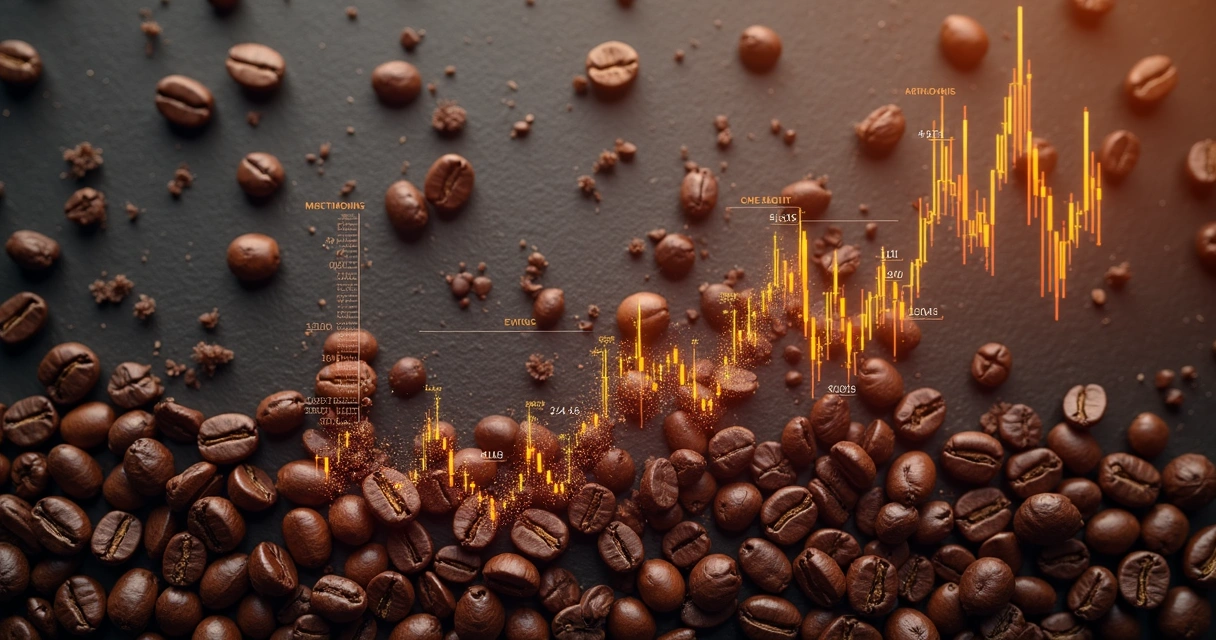
A managed hedging portfolio for coffee “C” on NYBOT, covering specific lot volumes and leveraging dynamic leverage constraints, outperformed leveraged derivatives benchmarks consistently. The differential came from disciplined modeling, quant-driven scenario management, and timely adaptation to new signals. For every case, trade-off analysis and regulatory alignment were at the core.
Digital analytics: Visualization of risk and opportunity
Analytics in the hands of decision-makers should be more than just static charts. UHEDGE’s digital treasury embodies analytics as a living, constantly updating interface. Managers and analysts visualize their exposure with:
- Volatility surfaces, showing how contract volatility shifts across strikes and maturities
- Futures curves for real-time guidance on contango, backwardation, and supply/demand trends
- Portfolio risk mapping, correlating shocks in price and liquidity to potential P&L shifts
The whole story, at a glance.
These tools replace gut-feeling or periodic checking with a disciplined daily method, promoting complete oversight and agile response to new events. Automation of end-of-day (EOD) reports and compliance checks ensures that all actions are documented, auditable, and regulatory-aligned.
Algorithmic and data-driven decision-making: The end of manual guesswork
A key benefit of algorithmic systems is that they stay awake when human attention wanes. Models ingest and process thousands of data points every second, rapidly adapting to new information. They can automatically recommend, execute, and monitor risk management strategies, without bias, delay, or the bottleneck of slow decision cycles.
This stands in sharp contrast to the conventional template-based or intuition-driven decisions of the past. As recognized by both the US Congress and the Commodity Futures Trading Commission, AI-driven systems are expanding their influence in all aspects of derivatives trading, including surveillance and compliance.
Proactive, not reactive. That is the secret.
Data-driven tools give companies the edge by helping them predict, plan for, and mitigate market shocks before they impact cash flow or profit margins. Instead of reacting to yesterday’s surprises, they position themselves ahead of the curve, with choices founded on sound analysis.

Governance, transparency, and regulatory assurance
Price risk management is not just a technical challenge, but also a matter of governance. Without robust, continuous monitoring and compliance documentation, companies may find themselves exposed to regulatory penalties or reputational damage. A high-caliber platform guarantees that all operations undergo thorough governance checks, automated documentation, and real-time performance evaluation.
- Full mark-to-market on a daily basis ensures fair value assessment of ongoing positions
- Audit-ready reporting aligns with both local and international standards
- Risk map visualization supports board-level oversight and action-oriented management discussion
The UHEDGE/STATERRA approach ensures that all layers of activity, from trading room to executive board, are built on data discipline and regulatory soundness. This “completeness of governance” is critical for companies aiming to operate and grow in global markets.
Overcoming internal limitations: From fragmented to unified management
Some companies, especially in rapidly growing markets, still try to manage price risk with spreadsheets and internal models. But teams are stretched thin, data arrives piecemeal, and decisions are made reactively. This is where the digital treasury delivers not just tools, but peace of mind and confidence.
Rather than patching together information from multiple departments and sources, businesses get a single pane of glass, a complete overview for leadership, treasury, trading desks, and auditors. This unity speeds up commercial cycles, reduces error, and supports strategic agility, even in the most turbulent times.
What makes the UHEDGE and STATERRA alliance unique?
UHEDGE develops proprietary software driven by quantitative rigor and AI. STATERRA, with its deep roots in financial advisory and resource management, brings an expert’s understanding of physical and financial operations. Together, they offer not just a platform, but an extension of a company’s own trading and treasury desk, built on 20 years of international experience, tested across sectors and market cycles.
Their methodology includes:
- Personalized onboarding and profiling to ensure that every client’s objectives, liquidity, and risk appetite are respected
- Real-time, algorithmic risk monitoring, pricing, and reporting across FX, interest rates, and commodities
- Market intelligence and tactical agility, the ability to “read macro signals and convert them into tactical actions”
This alliance does not sell off-the-shelf packages or leave clients to fend for themselves; it transfers the know-how, discipline, and results-driven mindset of the world’s top trading desks into actionable, everyday business advantage.
Common errors in commodities hedging and how to fix them
Based on industry observations, and available for detailed reading in our resource on mistakes companies make and how to avoid them, several patterns appear:
- Neglecting to update models and positions; a static hedge becomes quickly obsolete.
- Relying on generic or one-size-fits-all solutions, rather than tailoring to business specifics.
- Ignoring liquidity/margin needs, resulting in cash flow challenges when margin calls arrive unexpectedly.
- Failing to aggregate and visualize risks across portfolios, leading to under- or over-hedging.
Such errors are entirely avoidable through disciplined, data-driven, and unified risk management, central pillars of the UHEDGE philosophy.
Bringing it together: The proactive edge in commodity risk control
Present-day risk management demands more than vigilance, it requires scientific modeling, real-time analytics, and the strategic intelligence to act before events become losses. For companies in the crosshairs of global market volatility, only a complete Digital Treasury and Risk System, as embodied by the UHEDGE/STATERRA ecosystem, can provide the unbroken chain of discipline, visibility, and actionable insights needed to thrive.
Decision-makers who recognize the strategic value of algorithmic control and deep analytics position their businesses not just to survive turbulence, but to profit from it. With the careful application of quantitative models, unified platforms, and expert guidance, price risk becomes manageable, margins are protected, and the business stands ready to capitalize on every shift in the global environment.
To broaden your understanding of sector-specific risk, regulatory issues, and business impact, consult our detailed coverage on how commodity markets work, the risks involved, and opportunities in Brazil.

Conclusion: A new era of disciplined opportunity
The world is not becoming less volatile. But with digital, quantitative, and AI-powered control, companies can not only shield themselves from the worst storms but find upside in uncertainty itself. UHEDGE and STATERRA are changing the way businesses perceive and engage the market, transforming risk from a cost center into a strategic asset.
Whether your business grows crops, supplies energy, or manufactures industrial goods, the ability to monitor, evaluate, and act on live market signals is no longer a luxury, it is a requirement. By adopting advanced quantitative tools and a centralized, transparent treasury system, you set a new standard for performance, governance, and profit.
Discover practical strategies for hedging, deep-dive analysis, and new sector trends with ongoing updates on our commodities insights and resources portal. To master volatility and secure your business’s future, consider how a relationship with UHEDGE could take your risk control to world-class standards.
Ready to move from reactive to proactive risk management? Learn how UHEDGE’s digital treasury can become your edge in today’s world.
For more on strengthening your price risk controls and taking action, review practical guidance on protecting against commodity volatility and hedging to protect your margin in unpredictable markets.
Frequently asked questions
What is a quantitative model in commodities?
A quantitative model in commodities is a mathematical or statistical method used to forecast prices, measure risks, and optimize trading or hedging strategies in markets for energy, agriculture, or metals. Such models incorporate historical price data, volatility, correlations between assets, and macroeconomic indicators to provide actionable insights for buying, selling, or protecting commercial positions. Platforms like UHEDGE rely on the latest advances in econometrics and financial engineering to deliver these models as user-friendly tools.
How do models help control price risk?
Models help control price risk by simulating different market scenarios, quantifying the likelihood of adverse movements, and recommending the best protective or opportunistic strategies. They offer real-time recommendations, automate the creation of custom hedging structures, and ensure that all risk decisions align with a company’s specific profile and risk appetite. By continuously updating with new data, models keep risk controls relevant and timely.
Which commodities are most volatile in trading?
Commodities with the highest volatility tend to be those subject to external shocks and seasonal factors. Energy (crude oil, gasoline, natural gas); agricultural crops (coffee, soybeans, corn, sugar); and industrial metals (copper, aluminum) are among the most sensitive to global events, inventory surprises, and policy moves. Seasonality, weather events, and geopolitical disruption play key roles in amplifying these swings.
Is modeling price risk worth the investment?
Yes. The ability to quantify, simulate, and manage exposure to adverse price moves is directly linked to improved margins, more stable cash flow, and strategic agility. Studies from the Journal of Financial and Quantitative Analysis confirm that well-designed, dynamically updated quantitative hedging can produce far better results than static or manual methods.
Where can I learn price risk techniques?
The UHEDGE blog offers consistently updated content on risk management, hedging methodologies, and sector analysis, especially for companies in Brazil and internationally exposed markets. Explore comprehensive educational materials and strategic insights on commodities and treasury management there.