
How can a business control risk when the world’s markets refuse to play by the rules? For decades, corporate treasurers, financial managers, and asset managers struggled with this question. They juggled FX exposure, interest rate volatility, and the shadowy risks tied to commodities. Most felt like they were always one step behind—or making decisions in the dark.
A new way is here. The Hedge Management System (HMS) stands at the intersection of technology, quantitative science, and institutional demand. It offers order where there was chaos. Not just with better spreadsheets—but with unified technology, data, and automation supporting every market-facing decision.
The challenge of modern treasury operations
Managing treasury risk today is like watching several weather systems at once. Currency rates shift suddenly, interest rates surprise, and commodity prices seem to have a life of their own. For companies operating in international trade, or for those exposed to market changes in energy, agriculture, or metals, it’s a daily challenge. And those challenges are only growing, as market volatility meets regulatory scrutiny and the expectation of instant reporting.
Too often, businesses face:
- Fragmented risk and trading systems scattered across departments
- Lack of unified real-time data across FX, rates, and commodities
- Manual calculations that cannot keep up with market speed
- High costs and operational friction from outdated solutions
- Difficulty in meeting compliance and governance requirements
The result? Value lost to inefficiency, missed opportunities, and risk that goes unseen until it hurts the bottom line. Studies from the U.S. Department of the Treasury highlight the accelerating push for IT modernization to address these very issues. Moreover, integration of AI is now a growing trend, supported by reports from global finance leader surveys indicating nearly universal plans to embrace automation and AI for process improvement and forecasting.
What is a Hedge Management System (HMS)?
A Hedge Management System is an advanced, integrated platform built to help companies manage and control risk exposures across FX, interest rates, and commodities, providing real-time data, automation, and analytics in a unified environment.
Rather than scattered spreadsheets and disconnected software, an effective HMS replaces hesitation with confidence—delivering market-driven recommendations, supporting every layer of treasury and risk. UHEDGE, for example, illustrates this new era with its Digital Treasury: combining advanced quantitative models, AI algorithms, and in-depth analytics to empower decision-makers.
How HMS is structured
At its core, a robust Hedge Management System offers these structural components:
- Order Management & Execution: Handles the full workflow of trading, from order entry to execution, allowing seamless access to both exchange-traded and OTC derivatives.
- Real-Time Pricing Engine: Delivers up-to-the-moment market prices, Greeks, implied volatilities, futures curves, and mark-to-market tracking.
- Risk Analytics Layer: Provides tools to model, simulate, and monitor exposure, including scenario analyses, value-at-risk, and shock testing.
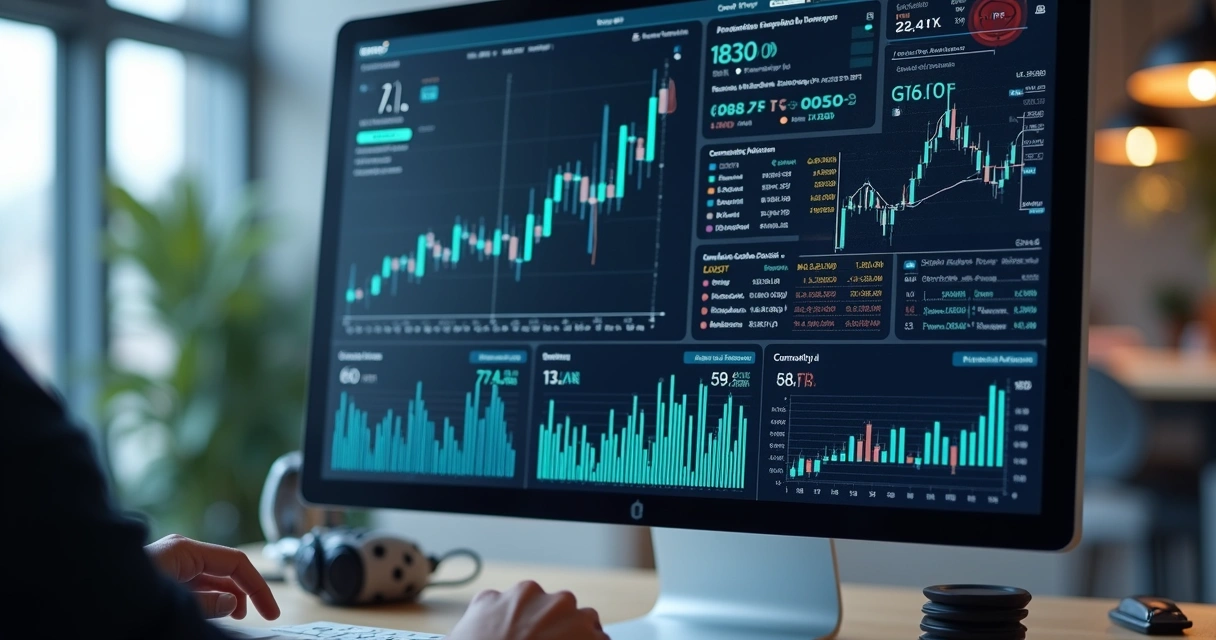
- Unified Risk and Compliance Dashboard: Aggregates and visualizes all exposures—giving real-time, actionable insight for treasury teams and compliance officers alike.
- Automated Reporting & Governance Tools: End-of-day reporting, performance attribution by strategy or counterparty, and proof of full governance for audit support.
This structure allows both front-office (trade execution) and back-office (reporting, compliance, and operational risk) to work from a single source of truth.Companies using platforms like UHEDGE receive support that extends beyond software, acting as an extension of their trading desks and managing everything from margin calls to liquidity optimization.
Integrating order and execution management
A HMS breaks down the barriers between order management and execution management. The process becomes intuitive: once a hedging need is identified, an order is created, priced, and executed without leaving the system environment. With direct market access and instant pricing powered by proprietary algorithms, execution risks and latency drop significantly.
Unified order and execution control means speed, consistency, and cost savings—no more handovers between disconnected systems, nor hidden slippage or errors from outdated manual workflows.
Why real-time pricing and risk analytics matter
Market exposures are living things; they move with every tick of the market. An HMS’s pricing engine acts like a high-speed camera, constantly analyzing micro-movements across all relevant markets. Add risk analytics—like value-at-risk (VaR), Greeks, and stress scenarios—and treasury teams can:
- Spot and act on risk instantly, not after the fact
- Quantify impacts of market shocks before they happen
- Align hedging tactics with risk tolerance and internal limits
- Justify decisions with data-backed evidence for stakeholders or auditors

Strong research, such as that reflected in the global treasury survey on generative AI, shows growing use cases in this area, allowing treasury teams to not only respond but anticipate market moves using AI-powered forecasting and analytics.
Benefits of automation and AI-driven recommendations
The leap from mere reporting to intelligent, automated hedging is enabled by AI-driven recommendations and automation—making “what now?” decisions based on current market realities, not just historical performance.
Platforms like UHEDGE stand out by embedding AI that processes huge volumes of market data, recommending the optimal hedging strategy for a company’s risk profile, timing, and market condition. Key advantages include:
- Higher consistency and discipline in applying risk models
- Faster, transparent decisions as AI filters signal from market noise
- Lower operational burden and human bias
- Instant access to the most sophisticated derivatives structures—Vanillas, Swaps, Accumulators, Fences—without waiting for banker callbacks or manual modeling
Cut out the noise, keep the edge.
Reports like those from the Association of Corporate Treasurers have found that while technical readiness is high for AI adoption, cultural resistance can slow projects. But a unified HMS that “speaks” in the language of treasury—transparency, control, real-time discipline—helps overcome such barriers.
Unified dashboards: full picture, every time
A hallmark of a modern HMS is the unified dashboard, where managers see everything—every position, every risk, across every asset class—at a glance. UHEDGE’s solution brings together all exposures into this single glass pane, making “what-if” scenario testing and risk monitoring a daily habit instead of a quarterly nightmare.
Dashboards display:
- Mark-to-market value of all positions by asset, book, or counterparty
- Risk maps showing how P&L may change with volatility or market shocks
- Live charts of Greeks (Delta, Gamma, Vega, Theta) to analyze derivative sensitivity
- EOD reports and performance analytics, automatically generated
- Ongoing governance status for compliance confidence
No more chasing data across emails, files, and systems. Every variable—exposure, liquidity, performance—is tracked and displayed in one place.
Derivatives calculation and AI-powered analytics
Another essential feature is built-in derivatives analytics. Risk managers instantly price and analyze everything from vanillas to exotic accruals, with recommendations tailored by AI to the firm’s unique goals and restrictions.
The platform’s quantitative foundation, such as that of UHEDGE, enables robust analytics:
- Customized derivatives calculators with deep market data feeds
- AI models that automatically propose structures or tweaks for optimal risk-reward
- Volatility surface viewing and futures curve analysis for better scenario planning
- Replication algorithms to democratize OTC derivatives—enabling access instantly and transparently
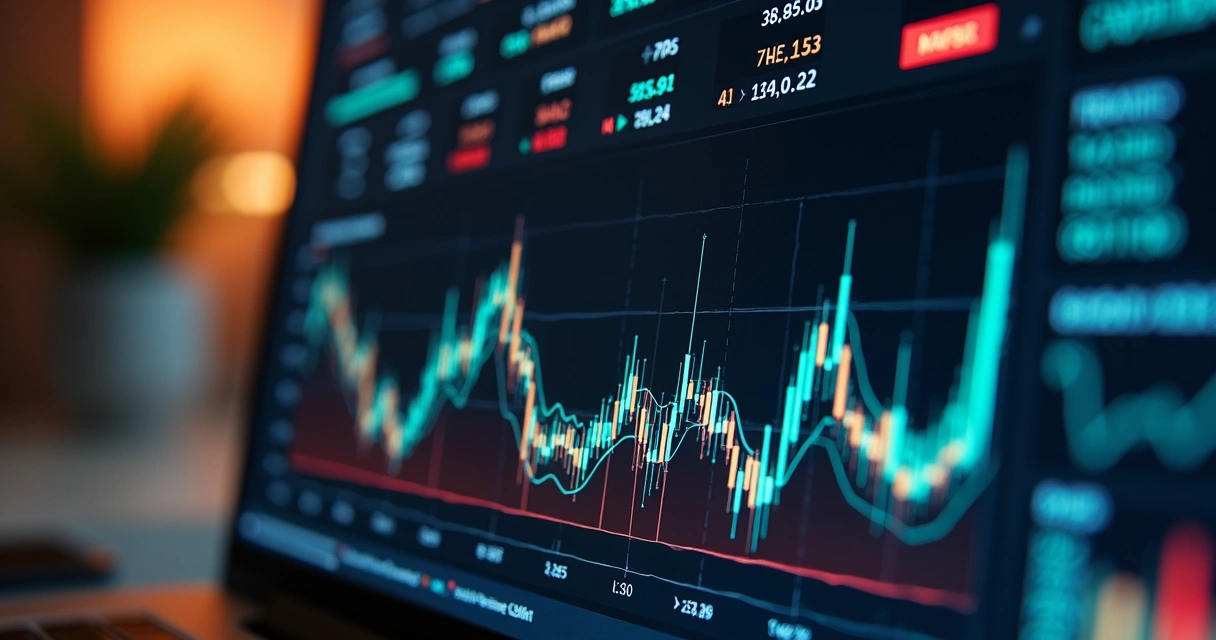
With advanced features like volatility surface visualization and curve analytics, managers are empowered to stress test positions and adjust as market regimes change—long before risk turns into loss.
Reporting, governance, and compliance
A HMS is not just about speed and automation—it is also the cornerstone of a controlled, auditable treasury environment. Regulatory scrutiny has only increased in recent years. The latest report from the U.S. Treasury discusses the compliance value of advanced cloud and analytics tools in finance, flagging the need for transparency and reliable incident response for any digital solution.
Key governance and compliance features include:
- End-of-day (EOD) reports with full audit trails
- Performance attribution by strategy, asset, and counterparty
- Automated alerts when key metrics or limits are breached
- Integrated governance checks on every new transaction
- Tools to ensure every hedge matches corporate risk policy and regulatory requirements
For example, UHEDGE’s solution automatically checks each transaction’s compliance and produces evidence for audit and board-level monitoring, supporting full transparency.
System integration and front-to-back support
In asset management and active trading environments, the HMS must connect smoothly to all sides of the operation:
- Front-office trade execution, pricing, and risk assessment
- Middle-office monitoring and analytics
- Back-office reporting and compliance
Integration means less “double work,” fewer errors, and tight governance from trade idea to settlement. UHEDGE acts as both expert advisor and platform provider, supporting portfolio managers with AI-driven tactical trading and treasury outsourcing—acting not just as a software vendor but as a virtual trading desk with deep domain expertise.
This user experience, contrasting with old models that required manual or semi-manual processes across multiple systems, reshapes how institutional users handle treasury operations day-to-day.
Who benefits from modern HMS adoption?
HMS technology serves companies across industries:
- Commodity producers and consumers—agriculture, energy, metals
- Exporters and importers with FX risk
- Asset managers and financial institutions
- Mid-sized corporates and treasuries with complex risk profiles
Any firm that lives with the daily reality of market exposure—where a price move can mean a surprise cash crunch or lost margin—gains from the transparency, control, and consistency an HMS offers. UHEDGE’s own clients, from agricultural co-ops to trading desks, cite a 70% reduction in hedge costs alongside better risk understanding and more robust decision-making processes.
For practical hedging strategies, detailed risk guides, and tips for exchange and OTC products, see UHEDGE’s content on practical hedging guides, risk management insights, and currency protection techniques.
Solving real business problems
A unified Hedge Management System transforms risk management from a cost center into a value creator for the business.
Where risks once went undetected until they became expensive surprises, now managers preempt and control them. Where days were once lost to data gathering, reporting, or waiting for external price quotes, they are now reclaimed for strategy and action.
- Transparent tracking of each trade and position
- Real-time performance analytics
- Automatic adjustment and recommendation engines for market turning points
- Integrated compliance for every asset class and workflow step
UHEDGE’s own methodology, combining quantitative rigor and proprietary AI, empowers its users with actionable insight and a level of operational discipline that was once reserved for only the largest financial institutions.
More about hedge indicators and their impact on performance can be found in their article on hedge efficiency indicators, as well as coverage of advanced derivatives solutions under derivatives control and risk.
Facts to remember
- An HMS is built not only for automation but for data-driven decision making and governance in a volatile world.
- It enables transparency and discipline at every trade, portfolio, and risk management decision point.
- The combination of real-time analytics, automation, and governance transforms treasury operations—giving businesses the control and agility they need to turn risk into a driver of value.
When considering HMS adoption, the story is not one of tech for tech’s sake—but for practical solutions that make a difference on real profit, loss, and operational security.
Conclusion
Hedge Management Systems are changing the game for treasury and risk teams worldwide. By uniting advanced analytics, real-time pricing, automated reporting, and full compliance support, they help businesses keep pace with market change and regulatory demands. If your business faces the complexity of exposure in FX, rates, or commodities, the leap to a modern HMS doesn’t just solve problems—it delivers new value.
To step ahead in treasury technology and risk management, contact UHEDGE to discover how their solutions can transform your operations. Reach out now to schedule a custom diagnostic and start building a disciplined, data-driven future for your treasury.
Frequently asked questions
What is a hedge management system?
A hedge management system is an integrated platform designed to help companies control and optimize their risk exposures in FX, interest rates, and commodities. It combines trade order and execution, real-time analytics, reporting, and compliance, creating a reliable environment for risk management across the entire treasury workflow.
How does HMS improve treasury operations?
HMS improves treasury operations by consolidating all exposures into a single environment, automating pricing and execution, and providing instant analytics and compliance checks. This reduces manual work, lowers operational costs, and allows financial teams to focus on strategy instead of troubleshooting fragmented systems.
Is a hedge management system worth it?
For companies with complex or material market exposures, implementing an HMS can be highly worthwhile. It brings transparency, speed, and operational discipline, driving cost savings, reducing errors, and supporting better decision making. Many firms experience lower hedge costs and more predictable results after deployment.
What are the top features of HMS?
Top features include a unified risk dashboard, real-time pricing engine, advanced derivatives calculators, AI-driven strategy recommendations, end-of-day automated reporting, compliance monitoring, and robust integration with core finance and trading systems. These features combine to support every aspect of hedge management, from decision support to audit proofing.
How much does a hedge management system cost?
The cost of a hedge management system varies depending on system capabilities, user count, and integration needs. While advanced platforms can involve significant investment, cost savings from risk reduction, process automation, and improved decision-making often far exceed the initial and ongoing costs. UHEDGE, for example, has demonstrated up to 70% reduction in hedge costs for some users by eliminating inefficiency and hidden spreads.