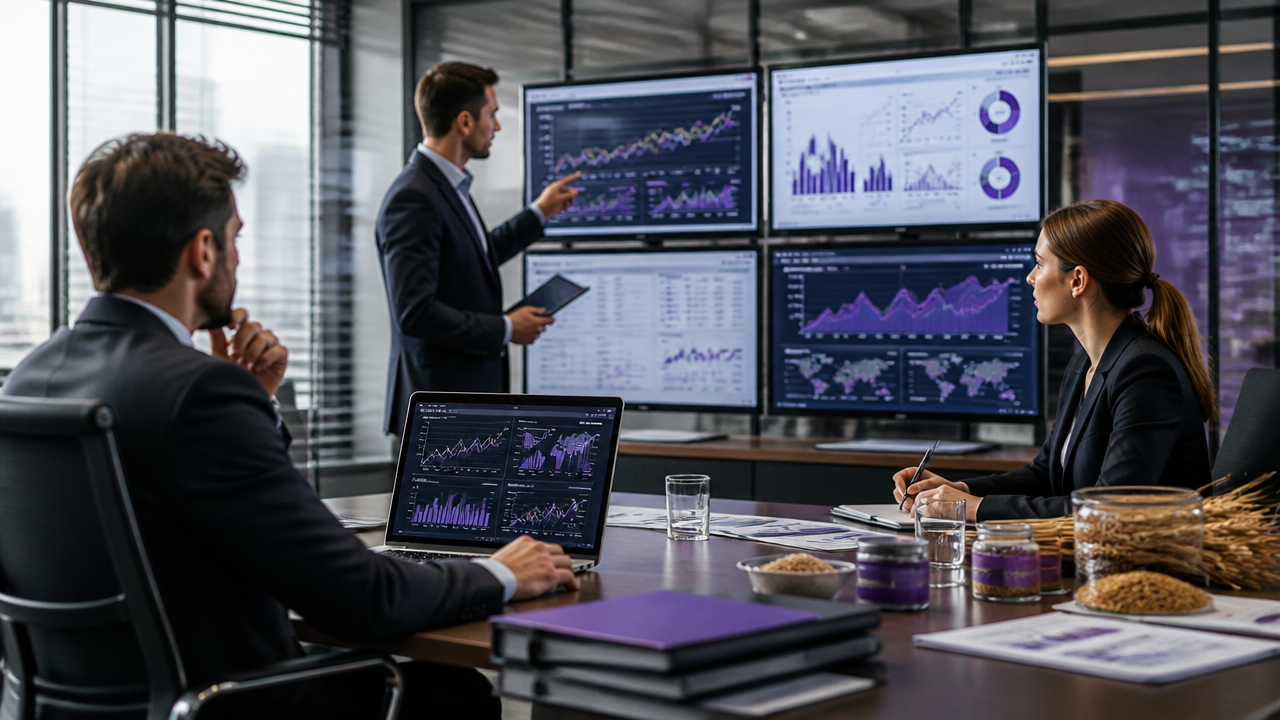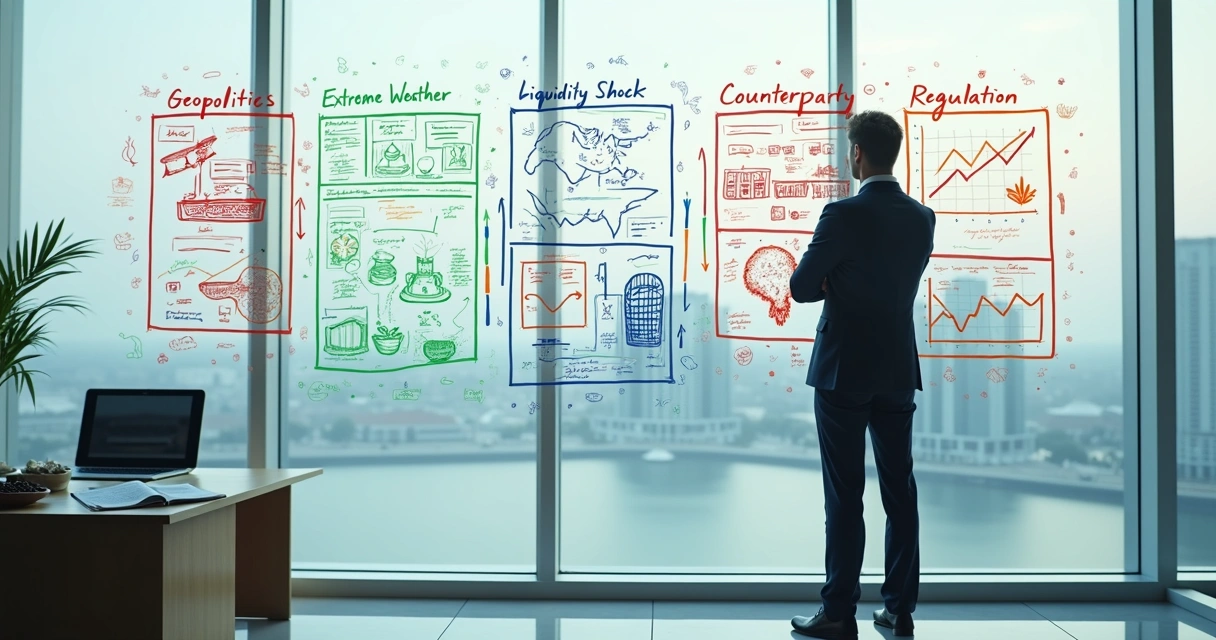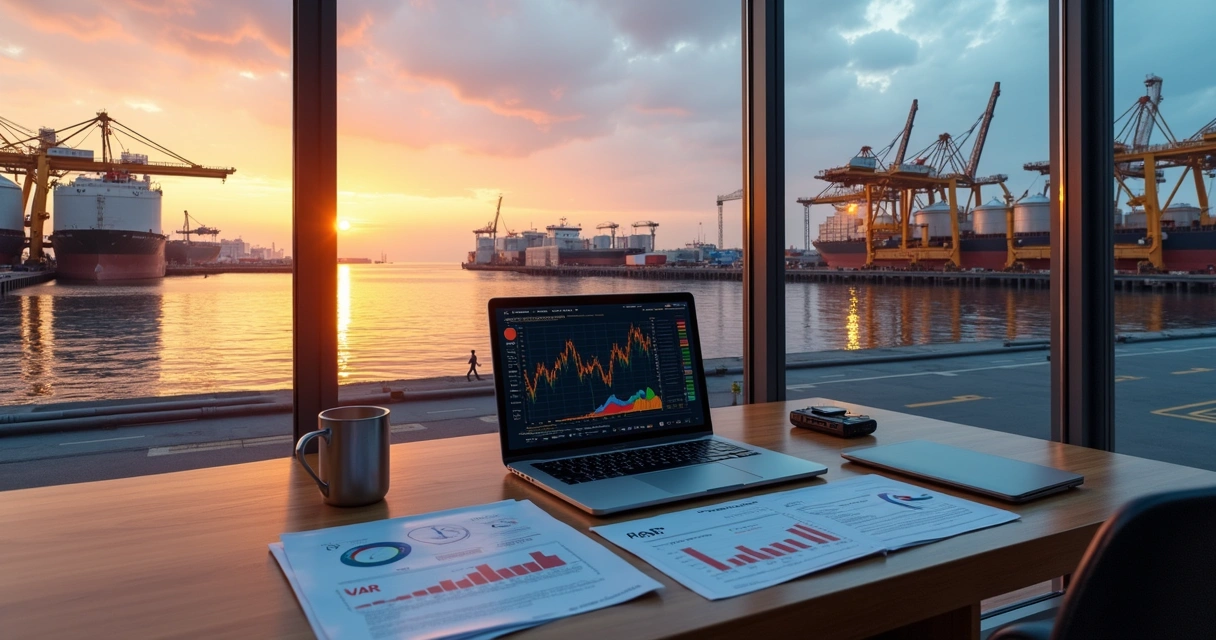
If there is one certainty about commodities, it is their uncertainty. Volatility is a fact of life for anyone managing exposure across grains, energy, or metals. A single disruptive event—a political headline, a crop report, a sudden tariff—can send prices into a tailspin. For CFOs and risk managers, this is not just a headline risk; it is the daily environment.
Traditionally, risk analysis in commodities relied on spreadsheets, scattered data, and human calculations. This is a slow, error-prone process, with real money at stake. What if another approach existed—one that provided oversight, accuracy, and true agility? Automated valuation does exactly this by delivering real-time mark-to-market (MtM), giving companies the right information at the right speed. Platforms like Uhedge show how a new generation of tools is closing the gap between chaos and opportunity.
Why volatility forces a new approach to valuation
Commodities are, by nature, volatile. Prices react instantly to countless market drivers: weather, policy, supply shocks, and geopolitical stress. Without continuous monitoring, a risk manager can be caught off guard.
- Manual processes struggle to keep up with market swings.
- Errors multiply as price series, positions, and exposures become complex.
- Stress events highlight just how exposed manual methods leave a firm.
This landscape demands mark-to-market (MtM) updates in real time, not just for accounting, but for strategic risk management. A delay of hours or even minutes can mean missed opportunities—or unnecessary losses.
Volatility punishes delay.
The human cost of manual valuation
Manual calculation of portfolio values might seem controllable at a small scale. But as positions grow—spanning multiple commodities, contracts, and currencies—the process becomes unmanageable.
The most frequent pain points include:
- Inconsistent spreadsheets with high risk of formula errors.
- Latency in updating prices and positions, leading to decisions based on outdated information.
- No unified dashboard for aggregating exposures across FX, rates, and physical or derivative contracts.
Stress testing, often demanded by boardrooms or auditors, can devolve into a week-long scramble for data, rather than a swift response to real-world shocks.
In fast-moving markets, slow risk controls are no risk controls at all.
How automation addresses commodities risk at its core
Automated valuation transforms risk management by delivering instant, accurate MtM for every position. This is fundamental for navigating price swings, managing margin calls, and staying ahead of operational risk. Uhedge’s digital treasury system, for instance, is designed to close the gap between what markets demand and what traditional systems can deliver.
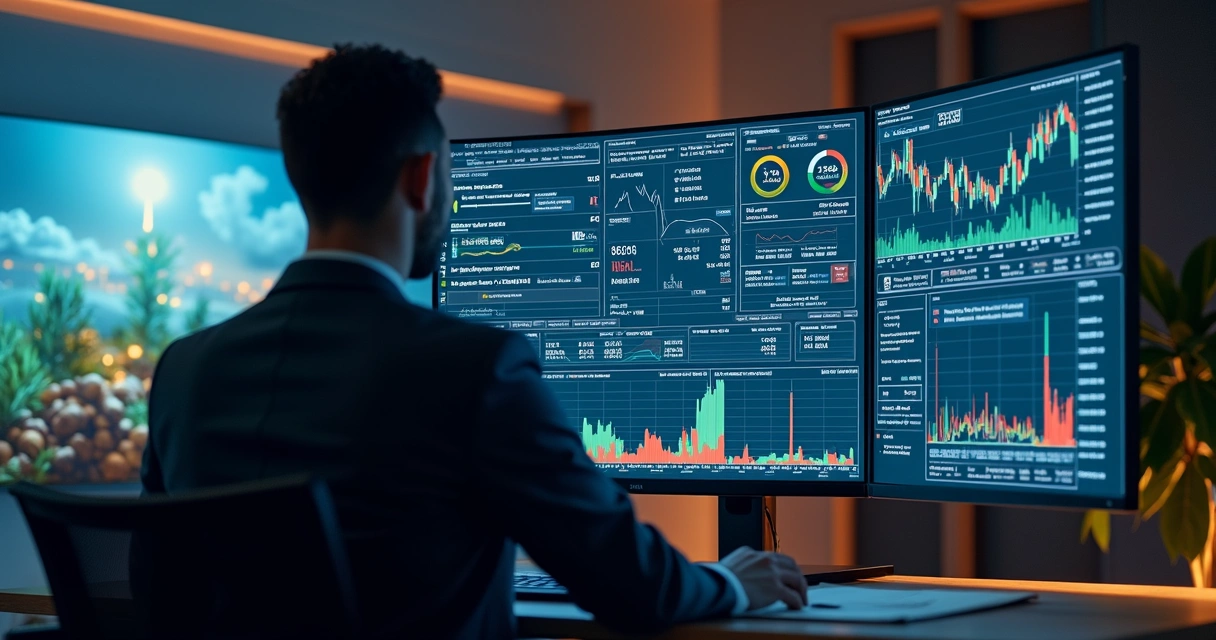
The impact touches every element of capital stewardship:
- Automated calculation of MtM aggregates live prices, positions, and derivatives in a single risk dashboard.
- AI algorithms provide tactical responses to volatility, suggesting optimal hedging overlays tailored to the firm’s actual risk profile.
- Greeks, volatility surfaces, and futures curves are monitored continuously. This level of real-time complexity would be impossible with manual tools.
- Error-prone data entry is replaced by robust, quantitative pipelines. This directly reduces the risk of operational losses from spreadsheet mistakes.
Platforms like Uhedge reflect a new paradigm by making advanced hedging and valuation tools accessible—democratizing what was once the sole domain of large trading desks.
Capital efficiency starts with robust valuation
Risk management is not just about avoiding loss; it is about unlocking value. When valuations are automated and instant, firms can:
- Assess their true risk exposure at any moment, not just at end-of-day.
- Deploy capital and adjust hedges quickly to protect (and improve) margin.
- Optimize collateral and margin calls, reducing capital tied up unnecessarily.
This is especially relevant in times of market turbulence—when stress testing and instantaneous responses are critical for both regulatory compliance and business survival. Uhedge builds these capabilities directly into their solutions, with the ability to aggregate all exposures in one unified interface and automate EOD reporting, P&L attribution, and compliance checks.
Real-world gains from automated risk monitoring
The case for digital risk solutions becomes clear when looking at practical outcomes. Consider the experience from portfolios in agricultural commodities and metals, which routinely face both wild price swings and complex derivative exposures.

Automated risk platforms enable:
- Instantaneous “what-if” and stress test scenarios across the entire book in seconds, not days.
- Detailed monitoring of the impact of volatility on P&L, including attribution by contract and counterparty.
- Governance support, with full audit trails and reports mapped directly to compliance requirements.
- Continuous margin optimization, which can be the difference between resilience and forced liquidation.
These improvements boost not just regulatory comfort, but directly support better financial performance. Unplanned cash drains and late reaction to stress events become rare, and the business operates with higher consistency and discipline. Uhedge exemplifies this, serving as the quantitative backbone for risk-restricted modeling, AI decision-making, and active treasury management.
The strategic mindset: Risk as a source of value
There is a mindset shift happening in markets: Risk management is no longer defensive, but a source of value creation. Automation gives decision-makers the confidence to act swiftly, anticipate shocks, and lock in opportunities. The stories from firms that have upgraded to digital risk platforms are compelling.
They have moved from endless reconciliation and catch-up to proactive decision-making. Boards and CFOs receive not just reports, but live risk maps and scenario analysis. Most importantly, teams are disciplined—supported by rigorous, scientific approaches rather than subjective intuition.
For an in-depth look at how these ideas fit into broader hedge strategies, see the discussion on hedge to protect margins in unpredictable markets or the special focus on commodities market drivers.
Delivering transparency, control, and agility
Automated MtM lets companies see all exposures in one place, as they happen. Transparency is the foundation for not just regulatory compliance, but strategic agility. With a digital treasury, risk maps update continuously and management is always informed of the firm’s actual position—even in environments where markets move faster than meetings can be scheduled.
- Physical and financial commodity positions are aggregated live for instant portfolio P&L attribution.
- Risk strategies can be stress-tested and refined, adapting quickly to market changes.
- Discipline and control are hardcoded into the processes, rather than left to chance or memory.
This approach is at the core of Uhedge’s asset management offerings, aligning operational discipline with real business outcomes. As the market continues to change rapidly—see forecasts for metals strategies by 2025 in this analysis of hedge strategies for metals—the firms that invest in true automation will capture the most value.
For those seeking background on risks and opportunities in Brazilian commodities, the perspective on how commodities work in Brazil provides key context. For volatility-driven risk protection, learn more from this real-world application of proactive hedging.
Conclusion: From reactive to ready
The world no longer waits for manual calculations. Automated valuation is becoming a strategic necessity for those determined to thrive despite volatility. The difference is clear: What was once a cost center riddled with inefficiencies can now be a controlled and consistent source of margin growth. Uhedge embodies this discipline-driven transformation—putting advanced quantitative tools, transparent reporting, and tactical agility within reach of every risk manager and CFO.
For decision-makers seeking confidence and clarity in the midst of commodity price storms, now is the moment to act. Begin a consultative journey with Uhedge to experience first-hand how market intelligence and scientific rigor can redefine your approach to risk. Take the step from reactive to ready.
Frequently asked questions
What is automated valuation in commodities?
Automated valuation in commodities is the use of technology to deliver live, data-driven mark-to-market (MtM) updates for all positions and contracts across physical and derivative portfolios. It pulls in real-time market prices, applies quantitative models, and instantly calculates the value and risk exposures, replacing manual approaches plagued by errors and delay.
How does automated valuation reduce risk?
By continuously monitoring all exposures and recalculating values as market conditions change, automated valuation detects and flags risk in real time. This gives CFOs and risk managers the insight and agility to respond before adverse movements erode margin or liquidity, supporting better capital allocation and compliance.
Is automated valuation accurate for commodities?
Yes. Digital risk platforms, such as those deployed by Uhedge, use advanced statistical, econometric, and financial engineering models tested across multiple asset classes. These tools provide a level of quantitative rigor and accuracy impossible with traditional manual calculation methods.
How much does automated valuation cost?
Costs vary by provider, portfolio size, and product features, though platforms like Uhedge are structured to transform the cost of risk management from uncertain overhead to a controlled, value-adding investment. The resulting reduction in manual effort, operational risk, and capital inefficiency means these solutions often generate significant immediate savings.
What are the benefits of automated valuation?
- Live mark-to-market and risk aggregation across all commodities, FX, and rates.
- Rapid stress testing and scenario analysis to anticipate market shocks.
- Unified dashboards and automated reporting improve decision-making speed.
- Reduced human errors and lower operational risk.
- Improved margin management and capital allocation.