
Managing the flow of money in and out of a business should be systematic and steady. Yet, the world keeps changing. Geopolitics. Weather. Supply shocks. Nobody can see it all coming. Especially for companies in agribusiness, energy, or industry, the task is daunting: stay liquid, predictable, and resilient—despite it all.
In volatile times, protecting cash flow means gaining command over uncertainty, not just coping with it. This requires technology, financial acumen, and scientific rigor working together. The UHEDGE ecosystem, combining UHEDGE Trading Solutions and STATERRA Asset Management, has built its reputation on these principles, offering companies new ways to manage the unpredictable.
Understanding cash flow risks in turbulent markets
What can trip up a business’s liquidity? For producers, manufacturers, or exporters, risk comes in many forms:
- Sudden FX swings hitting import costs and revenues
- Commodity price spikes eroding profit margins
- Fluctuating interest rates affecting debt payments
- Clients or partners delaying payments in hardship
- Disjointed operations with no unified view of financial exposure
The OECD has found that even with typical forecasting, daily cash flow projections may deviate by around 5% under normal conditions—a gap that widens fast in disrupted markets according to the OECD. For many, reactivity is the default. Decisions get made after the damage is done, not before.
Why traditional approaches fall short
Most organizations still tackle financial risk with spreadsheets or siloed processes. Internal teams—despite their skill—cannot monitor global interest rate moves, FX risk, and commodity trends in real time. The volume of information is too vast for manual calculation or intuition.
Sometimes, companies hire banks or brokers for hedging support. The catch? Standardized solutions may miss the unique blend of exposures a business faces. Hidden fees, conflicts of interest, and lack of personalized modeling limit the value delivered. There’s also no single dashboard to tie it all together. That leads to data fragmentation, inconsistent reporting, and lost opportunity for proactive moves.
AI is not a trend in treasury management. It’s a necessity.
Modern strategies for cash flow stability
Forward-looking businesses have shifted focus. They now view cash flow protection as a system—one whose strength is built from the ground up, not patched together. Here are key components:
1. Building a foundation with short-term forecasting
No plan can succeed without clear, accurate outlooks. Many companies now use a rolling 13-week cash flow model, which is updated weekly. This gives decision makers early warning for shortfalls, opportunities to invest excess funds, and the visibility to adapt to changing conditions.
The 13-week model breaks down all expected inflows and outflows, accounts for seasonality, and puts discipline into daily financial management. It also gives treasury teams prompt signals of persistent issues—like slow-paying customers or seasonal cost pressures—before they develop into crises.
2. Making use of digital treasury systems
A digital treasury platform is about much more than automation. It connects FX, interest rate, and commodity exposures in a single place and uses analytics to visualize threats before they impact the bottom line. For instance, the UHEDGE software integrates all operations, real and financial, providing real-time visibility, mark-to-market (MTM) tracking, and the ability to simulate the outcome of “what-if” scenarios with advanced quantitative modeling.
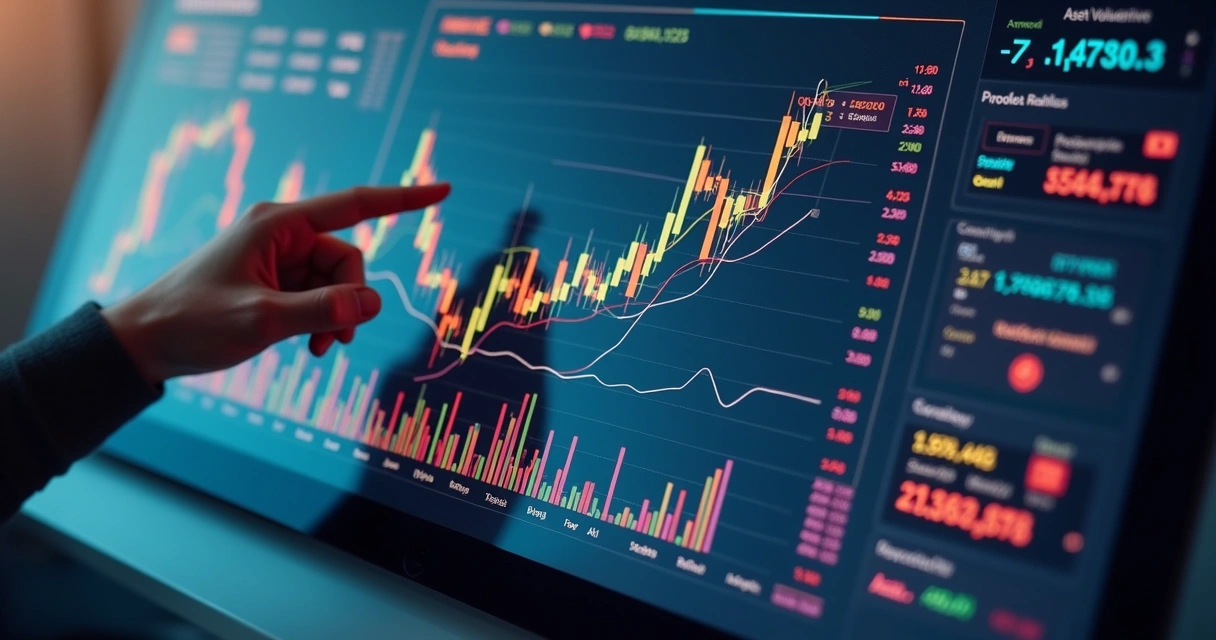
A key feature is the trading-oriented calculator: instantly creating and pricing complex structures, like accumulators or fences, enables companies to lock in favorable pricing conditions or insulate against drops. This system recommends the right risk management mechanism automatically, based on market conditions, timing, and the risk profile of each business.decision.
3. Applying quantitative analytics and real-time monitoring
Advanced analytics provide a competitive edge: they break through noise and expose underlying trend shifts. Volatility surfaces, futures curve visualizations, and volatility smiles turn raw data into actionable intelligence, which UHEDGE clients use to adjust their hedging and operational planning before entering new contracts or markets.
Real-time monitoring lets businesses track how their position and liquidity evolve. Automatic end-of-day reports, risk maps, and mark-to-market calculations all feed into robust decision making, helping ensure that discipline extends beyond planning and into daily operations.
4. Hedging with science, not guesswork
Whether in grains, fuel, or industrial inputs, price shocks are always a risk. Financial derivatives—such as forwards, swaps, options, and innovative structures—remain the most effective tools for neutralizing volatility. The difference today is how these tools are selected, priced, and managed:
- Algorithmic tools replicate the capabilities of professional derivatives desks and eliminate reliance on external providers
- Custom reporting ensures each strategy is tailored to the company’s financial objectives, liquidity needs, and risk tolerance
- Analytics identify “hidden exposures” so management can optimize volumes, timing, and coverage
UHEDGE’s modeling of restricted risks—combining statistics, econometrics, and engineering—allows clients to buffer against the unforeseen, transforming guesswork into a more disciplined approach.
5. Active management of receivables and payables
Uncertainty does not only come from markets. Sometimes, customer payments slow or suppliers push terms. Proactive cash management means:
- Tracking receivables daily and enforcing prompt collections policies
- Negotiating payment terms with suppliers whenever possible to stretch payables without risking trust
- Having alternative financing sources ready—like revolving credit or factoring—for temporary shortfalls
- Monitoring working capital days and benchmarking them versus peers and industry best practices
No automated platform can spare a company from the need for human follow-up, but it can flag deviations and trigger alerts before small issues snowball.
Case application: Cash flow management in agribusiness, energy, and industry
The sectors most affected by commodity and currency swings—agribusiness, energy, and industrials—require a blend of hands-on and technology-driven tactics.
The USDA Economic Research Service’s forecast shows that net cash farm income is expected to grow by 12% in 2025, reaching $127,000 on average. This boost gives producers a stronger base to pay down debt, handle taxes, and plan investments as detailed by the Economic Research Service. However, such averages conceal massive swings at the operational level. Weather, labor disruptions, and export bans can all threaten liquidity overnight, and for some, volatility is worsening.
The need for centralized cash and risk oversight cannot be overstated. UHEDGE’s digital treasury platform provides exactly that: unified analytics for physical trade and derivative exposures, controls for managing margin calls, and active position monitoring to detect stress signals early.
How digital treasury drives operational resilience
A digital cash flow protection system centralizes all risk exposures—FX, interest rate, and commodities. It aggregates them in a live dashboard, with automatic marking-to-market and customizable stress tests, so that operational disruptions (like a sudden surge in input costs) are seen as soon as they arise, not weeks later at closing.

By integrating active trading tools with real-time reporting and predictive analytics, businesses can:
- Anticipate and respond to shocks—from market moves, payment delays, or regulatory change
- Enforce discipline with custom risk limits, approval workflows, and governance safeguards
- Document all trades and exposures for audit and compliance, reducing operational surprises
Actionable steps for robust cash flow
Want to build a more resilient treasury? Here’s a clear, stepwise approach:
- Adopt a rolling short-term forecasting model. At minimum, track 13 weeks ahead, but also project further if there’s substantial seasonal variability. Involve operational, sales, and procurement teams to get a 360-degree view.
- Centralize market risk management with a digital platform. Integrate all exposures—real, financial, paper—in one environment. Prefer solutions that provide actionable recommendations, like the advanced algorithms found in UHEDGE’s system.
- Apply advanced analytics to all positions. Look for volatility patterns, stress test key variables, and use scenario planning to anticipate how your cash will behave in worst-case moments.
- Hedge systematically, not sporadically. Set risk limits and create tailored strategies using digital trading calculators—aiding not only with price protection, but also smooth operation planning and liquidity optimization.
- Monitor liquidity daily, and automate exception alerts. Let your team act promptly if cash dips below safety thresholds or drops out of forecasted range as found in OECD guidance.
- Continuously audit working capital and operational processes. Tune collection efforts, renegotiate payment cycles, and remove unnecessary expenses. Visibility through unified dashboards translates into real bottom-line savings.
For an expanded look at how to structure practical protection, resources on practical hedging strategies and risk management can help deepen understanding.
Proven methods in complex industries
Companies in volatile markets have reported strong improvements by engaging these strategies. In commodities trading, for example, the UHEDGE platform’s AI-driven recommendations significantly surpassed traditional hedging performance benchmarks, achieving more consistent returns with tailored risk profiles.
Transparency and discipline do not just protect, they also create value. Businesses employing data-centric and scientific risk management have transformed risk from a vague cost into an engine for improved margins and predictable growth. Disciplined, real-time position monitoring means that surprises—and unwanted volatility—are contained long before they hit cash accounts.
For more details on specific tools such as cash flow hedging for FX or commodities, see efficient FX hedging and commodity hedging guidance.
Conclusion: Disciplined strategies yield stability and opportunity
Market instability is here to stay, but its risks are manageable. Cash flow protection requires technological sophistication, disciplined analytics, and custom-fit strategies—supported by a centralized digital platform. With scientific rigor and real-time market intelligence, every company can shape a future of clarity and stronger financial resilience. UHEDGE and STATERRA champion these methods, helping clients move from defensive reactivity to strategic value creation in every market environment.
Ready to transform uncertainty into opportunity? Connect with the UHEDGE ecosystem and discover how a digital treasury and scientific modeling can reshape your business’s financial future.
Frequently asked questions
What is cash flow protection?
Cash flow protection refers to the set of strategies, tools, and processes that help businesses maintain stable liquidity and predictable movement of funds—even during market shocks or unexpected events. This can include forecasting techniques, hedging solutions, digital treasury systems, and disciplined management of receivables and payables.
How to protect cash flow in crisis?
To protect cash flow during a crisis, businesses should update short-term cashflow forecasts daily or weekly, identify and hedge volatile exposures (FX, interest, commodities), closely monitor receivables and delay non-essential outflows, and leverage technology for real-time alerts and risk monitoring. Applying scenario analysis and automated controls, like those offered by digital treasury platforms, further strengthens resilience.
What are common cash flow risks?
Common cash flow risks include price volatility in raw materials, unfavorable FX shifts, delayed customer payments, rising borrowing costs, and lack of consolidated oversight over exposures. Operational disruptions or regulatory changes can add further pressure, especially when companies lack up-to-date forecasting and real-time surveillance.
Is cash flow protection worth it?
Yes, protecting cash flow is worthwhile as it reduces profit uncertainty, enables reliable investment, and helps businesses weather market downturns or seize growth opportunities. Effective management cuts the risk of missed payments or liquidity shortfalls, keeps stakeholders confident, and often leads to improved margins and strategic agility for both large and medium-sized companies.
How can I improve cash flow stability?
Improving cash flow stability starts with disciplined short-term planning, proactive working capital management, and the implementation of technology-driven oversight tools. Companies should centralize all exposures, automate forecasting and alerts, use hedging solutions to neutralize market swings, and apply scientific methods to continuously optimize their strategies. External resources such as interest rate hedging strategies offer targeted support for specific risks.