After years of tight supply and volatile trading, the international coffee market stands at a fascinating crossroads. As 2026 and 2027 approach, climate, policy, and economic trends are reshaping both expectations and risks for everyone from traders to roasters and producers. Forecasts now point toward a global supply surplus, driven primarily by robust production increases in Brazil alongside projections for favorable weather patterns. Yet, even with these positive headlines, the coffee market remains a stage for sharp price moves and persistent uncertainty.
The story so far: From tight supply to surplus forecast
To understand the future, it is important to briefly revisit recent years when coffee supply chains encountered remarkable pressure. Producers worldwide coped with a mix of droughts, frost, soaring input costs, and logistics bottlenecks, culminating in historically low global inventories. Prices surged, as buyers rushed to secure volume wherever they could find it. In response, major coffee-growing nations, led by Brazil, invested in new plantings and upgraded farming methods.
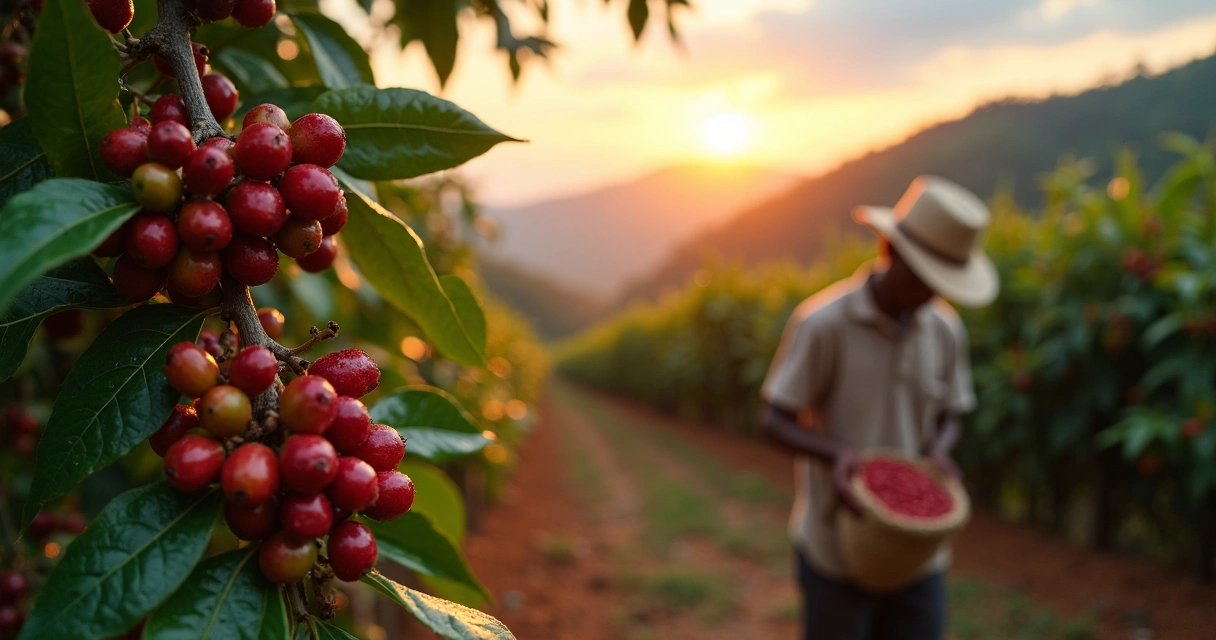
By mid-2025, a critical turning point appeared: Brazil, the global powerhouse, saw timely rains arrive after an initially delayed start. According to Laleska Moda, Market Intelligence analyst following supply, demand, and the weather’s ongoing influence, “What started with uncertainty changed quickly. The rains arrived just in time for a healthy flowering across Brazil’s coffee belt, helping boost yield and supporting a partial recovery in what were previously critically depleted world stocks.”
“The rains arrived just in time for a healthy flowering across Brazil’s coffee belt.”
This sequence is more than just good luck. Expanded cultivation and modern agricultural approaches—combined with a few well-timed showers—are forecast to deliver a harvest that not only meets, but exceeds, both domestic demand and export commitments. As Brazil’s output swells, the baseline for global supply rises. Early estimates make clear: the coming years mark a genuine turning point for coffee inventories.
Brazil at the center: More coffee, more complexity
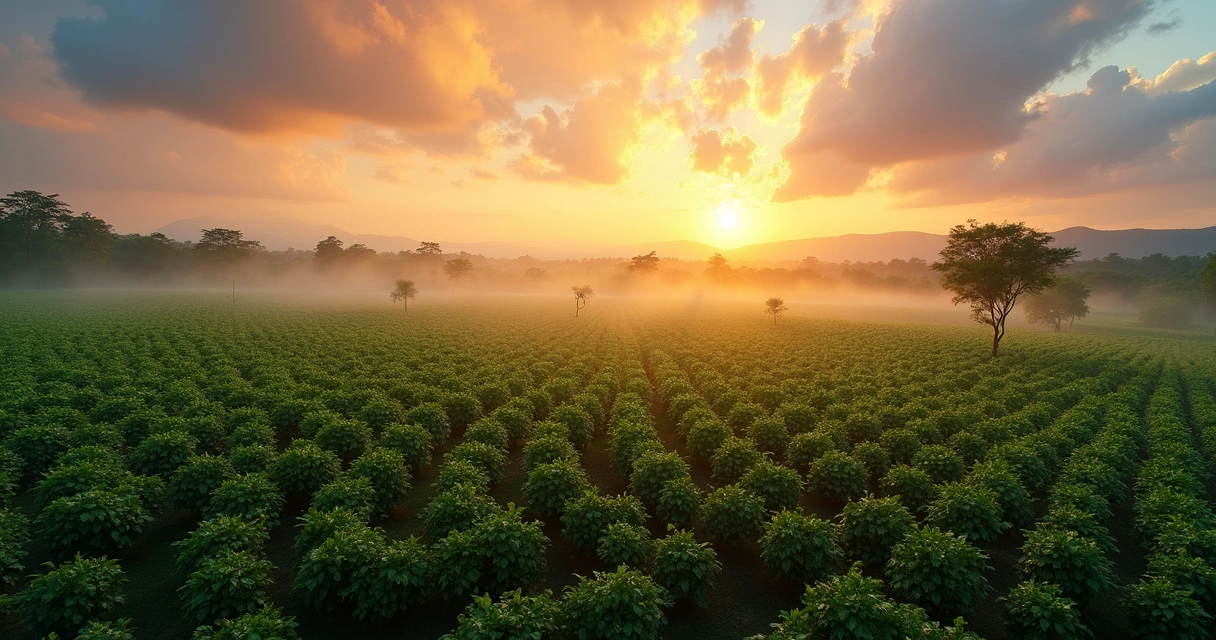
Brazil’s importance to this outlook cannot be overstated. Laleska Moda notes that, within Brazil, domestic demand is itself shifting. “More roasters and industry players are using Conilon due to persistent price gaps,” she observes, referencing the trend of substituting Conilon (Brazil’s Robusta variety) for higher-priced Arabica beans. This pivot, while natural given cost considerations, is only sustainable because of Brazil’s previous expansion in Conilon acreage and continued good weather. Even with slightly lower yields projected after 2025’s record Conilon/Robusta harvest, Brazil’s output will likely remain robust, enough to continue meeting both growing local and global needs.
- Record area planted and harvested in the past four years
- Modern farming techniques supporting year-on-year resilience
- Brazil becoming the primary source of Robusta for global markets in addition to Arabica
Given these factors, the world now looks to Brazil not just as a stable supplier, but as the engine behind the expected surplus. For those tracking market dynamics, the focus now shifts from worries about shortages to closely monitoring the forecast for the upcoming harvest. As the 2026 season develops, weather and logistics will regain importance as key variables with immediate effects on global trade flows and stock levels.
Changing the global balance: Impacts on inventories and prices
After prolonged tightness, markets finally anticipate the possibility of rebuilt global coffee inventories. The surplus—driven by bumper crops in Brazil and steady output elsewhere—should relieve pressure on supply chains. For traders and risk managers, this is a breath of fresh air, creating a backdrop where prices for both Arabica and Robusta beans may keep trending downward as stocks rebuild.
Yet, volatility remains a feature and not a bug in this environment.
- Despite surplus forecasts, global coffee stocks are still near long-term lows.
- Many producers are choosing to sell slowly, waiting for favorable price signals.
- Any change in weather, especially in key regions, could flip sentiment and tighten supply with little warning.
The cloud cast by recent years’ market stress still lingers—risk-averse behaviors prevail, and the trading pace remains deliberate. In this way, surplus alone may not guarantee smooth, predictable price corrections; abrupt rallies and sharp corrections are likely to remain part of the picture.
Policy and price pressure: Tariffs, arbitrage, and new opportunities
Outside Brazil, global coffee trade is influenced by policy as much as by weather. One of the biggest stories in late 2025 was the suspension of tariffs on Arabica coffee, a move that relieved pressure on U.S. inventories and helped reverse recent upward price runs. As trade returned to more traditional patterns, U.S. stocks began to recover, and ICE certified stocks posted tentative increases.
With tariffs out of the equation, Laleska Moda suggests, “Market attention is now squarely on Brazil’s harvest. With policy risks reduced, coffee price trends will be shaped by physical supply above all.” Arbitrage remains a prominent theme. As cost differences between Robusta and Arabica persist, more roasters substitute lower-priced Robusta beans—mainly from Brazil—into blends previously reserved for Arabica, further supporting demand for Brazil’s supply from both ends of the quality spectrum.
Global risks and wild cards: Logistics and geopolitics
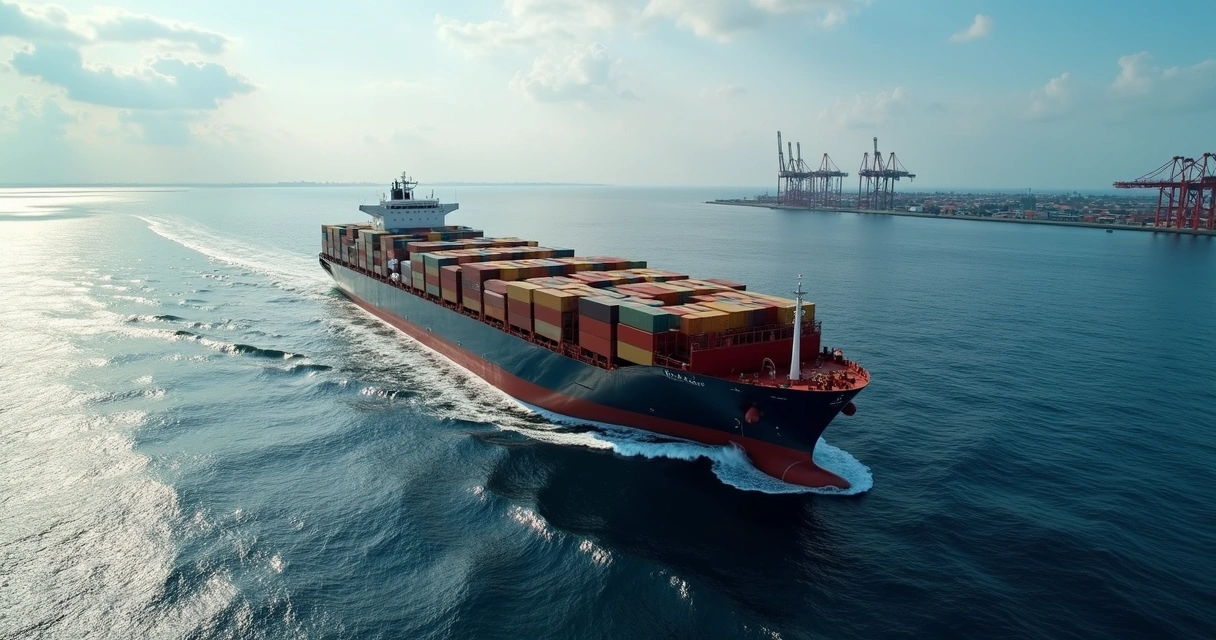
While the focus is rightly on Brazil’s supply potential, the broader world brings its own risks. Most recently, growing tensions in the Middle East have made headline news. The closure of the Strait of Hormuz by Iran and new maritime security risks have introduced delays and forced shipping reroutes away from highly trafficked zones like the Suez Canal. For a commodity as globally traded as coffee, disruptions in shipping lanes can cascade quickly into contract delays, higher freight costs, and renewed volatility.
These logistical issues are emerging just as the market hoped to turn a new corner with surplus forecasts. Instead, they create a backdrop of caution and highlight how geopolitical flashpoints—sometimes far removed from coffee fields—can shape market tone and future pricing.
Weather: The perennial threat
Above all, weather remains the market’s most unpredictable force. Leading climate models from IRI and NOAA point to a significant 50–60% probability of El Niño developing in the later months of 2026. This pattern could bring less rainfall and fewer hurricanes in Central America, harvest losses for major producers like Vietnam and Indonesia, and periods of hotter, more humid winters in Brazil—all with potential consequences for yields, crop quality, and post-harvest processing.
Laleska Moda reiterates, “Even if Brazil achieves another banner harvest, weather challenges elsewhere—especially in Asian or Central American regions—could quickly reduce the projected global surplus.” Few actors in the market are dismissing this risk. Instead, weather models and on-the-ground reports receive close, daily scrutiny.
- 50–60% chance of El Niño influencing global weather patterns in the second half of 2026
- Potential for reduced harvest in major sources outside Brazil
- Need to watch not just output but also logistics and post-harvest conditions
To learn more about how advanced strategies can help protect against these types of volatility, see protection strategies for commodity volatility or in-depth approaches for hedging in coffee markets.
A market transformed: Risks remain but outlook improves
The data and expert opinions for 2026 and 2027 point to a new era. Markets may soon move from extreme shortage to relative abundance, led by Brazil’s resilience and strategic adaptation. However, the potential for significant volatility will persist—low starting stocks, slow producer sales, new economic shocks, and the ever-present risk of weather upending careful planning all demand rigorous analysis and strategy. As always, successful actors will couple quantitative rigor with technical solutions and real-world market intelligence, navigating uncertainty for positive results.
For those managing exposure or making procurement decisions, this is the time to invest in more sophisticated risk management and forecasting tools. Uhedge’s advanced risk management solutions and market intelligence—developed through years of experience in commodities like coffee—allow businesses to manage not just price, but risk and opportunity. See how technology, market expertise, and disciplined models can make the difference by learning more about how commodities markets function and what risks and opportunities lie ahead in Brazil.
Conclusion: Preparing for tomorrow’s coffee market
In summary, the coming years bring the promise of relief from tight coffee supply, supported by expanded crops and positive policy changes. Still, the market retains plenty of risk, from weather patterns to political surprises and slow-moving inventories. Those best prepared will be those that equip themselves now with robust market intelligence and proactive strategies.
Discover how Uhedge can serve as your extension for disciplined, reliable risk management, helping you capture opportunities and shield against shocks. Take the next step—contact Uhedge for a personal demonstration of trading solutions and asset management that aim to create value for your operations.
Frequently asked questions
What affects coffee price volatility?
Coffee price volatility is driven by a mix of weather changes, policy decisions, supply chain disruptions, producer selling pace, and shifts in demand or substitution trends. Even when there is a forecasted surplus, unpredictable events like drought, frost, or geopolitical tension can rapidly move prices.
Will coffee prices drop in 2026–27?
Most forecasts point to prices easing as Brazil’s harvest expands and global stocks begin to recover. However, due to low starting inventories and the risk of sudden weather or geopolitical events, the market is expected to remain unpredictable, with possible sharp price swings.
How does surplus impact coffee costs?
A surplus typically brings relief from price pressure, as more coffee becomes available to meet the world’s needs. This can create room for inventories to rebuild and lower occasional spikes driven by scarcity.
Is it a good time to buy coffee?
The next two years offer the possibility of improved availability and softer costs, particularly if Brazil’s harvest meets projections and weather risks do not materialize. Still, buying strategies should be smart and use risk controls, as the overall market remains susceptible to volatility shocks at any time.
What are the risks for future prices?
Main risks include sudden adverse weather (such as El Niño), delays in shipping from international tensions, slower sales by producers, and the impact of any unexpected policy changes. Keeping a close eye on forecasts and having access to advanced hedging solutions is the best defense.