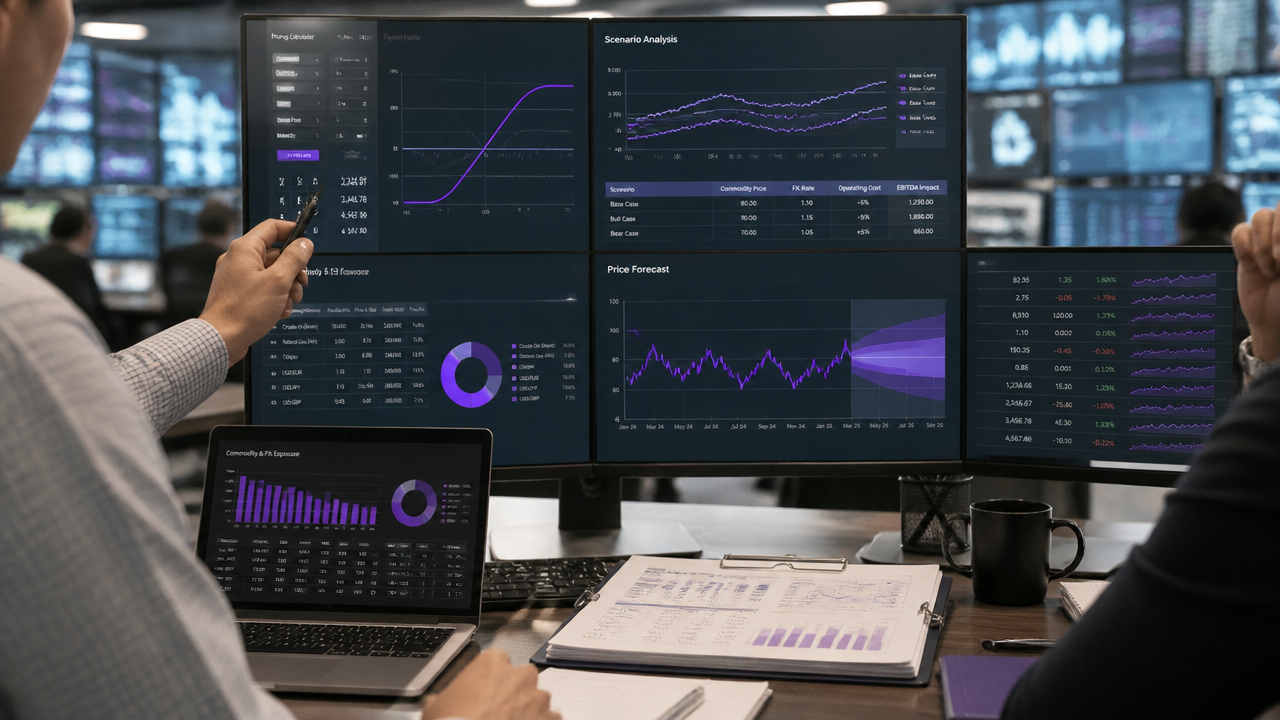
The cost of a single spreadsheet mistake is real—sometimes painfully so. Imagine missing a margin call because of a formula error, or leaving millions exposed to commodity volatility after someone forgot to update yesterday’s prices.
This fear is not just theoretical. It is a memory for many CFOs, treasurers, and managers who have been burned before. In today’s hyper-connected world of commodity markets—where grains, metals, fuel, interest rates, and currencies move in seconds—manual spreadsheets have become slow, risky, and outdated.
What used to be managed with a few formulas in Excel is now far too intricate, too fast, and too risky to trust to human hands. Commodity risk management today needs more than just a database. It demands a proactive co-pilot: a new generation of commodity derivative management software that thinks, alerts, and even acts.
Why the 'Excel risk' is no longer acceptable
A generation ago, professionals tracked hedge positions and exposures in neatly color-coded spreadsheets. Each month, a few keystrokes sufficed. But the landscape has changed. Now, market swings can wipe out working capital in hours.
One missed update can mean failing to see a sudden link between coffee prices and currency rates. Interconnectedness between commodities and financial instruments—like FX and interest rates—demands a sharper, faster tool set.
Make a spreadsheet mistake and the market does not forgive.
Modern organizations need more than just record-keeping; they need intelligence, automation, and protection built in.

The new standard: Seven key functions of advanced trading software
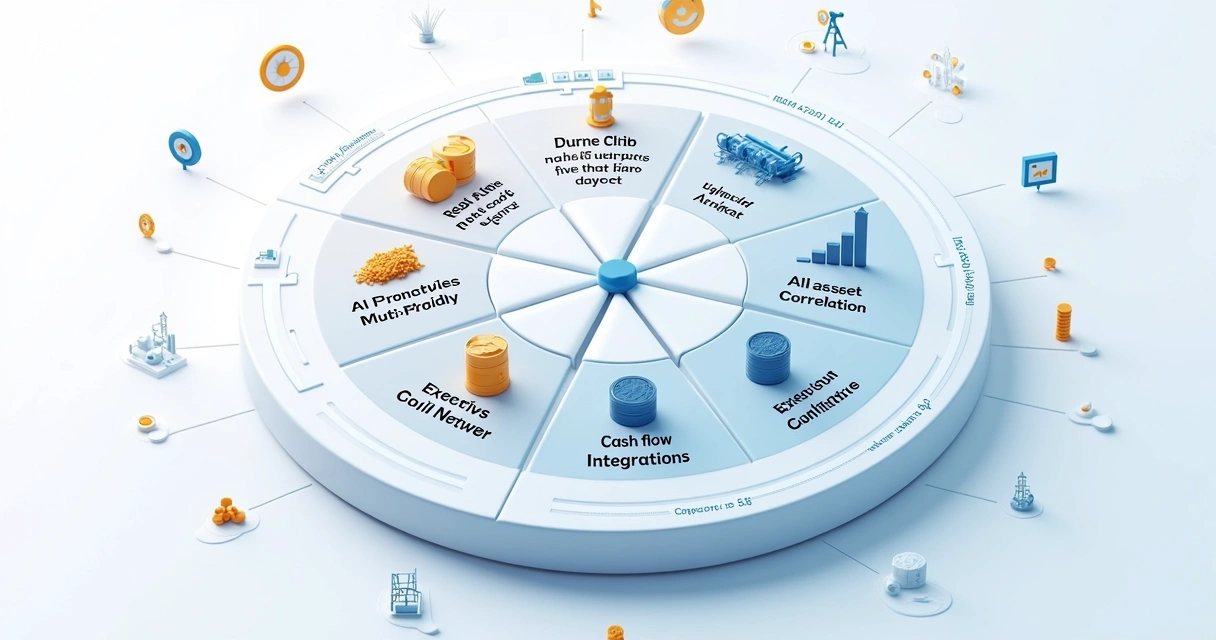
Today’s derivative trading system must deliver more than just numbers. It needs to see risks before they manifest, guide timing, cover multi-asset exposures, and ensure nothing is left unchecked. Below are the seven functions that set next-generation financial risk management tools apart.
1. Real-time mark-to-market: Getting the true value now
In commodity and financial trading, timing is everything. Last night’s closing price is already old news by breakfast. True risk management starts with seeing mark-to-market (MtM) values in real time, across positions, products, and accounts.
Why does this matter? Market volatility often strikes mid-session, not just end-of-day. Delayed values distort perceived risk, potentially leaving room for margin calls that catch teams unaware.
Real-time MtM protects against surprise losses, maintains transparent exposures, and helps decision-makers stay a step ahead of brokers, clients, and internal stakeholders.
2. AI-driven scenario analysis: Beyond 'what if'
Traditional spreadsheet models often play out a few static scenarios. Real-world disasters, however, rarely follow isolated paths. That’s why modern hedging automation integrates AI engines to process thousands of market shocks—simultaneously and instantly.
Imagine asking: “What if crude oil drops 7%, while the dollar jumps 4%, and soybean premiums rise?” With AI in commodities tools, this question is answered not with a guess, but with simulation. The software ingests market data, historical correlations, and newsfeeds to generate highly detailed stress tests.
Such analysis provides clear, actionable risk insights, replacing hunches with probabilities and clear next steps.
3. Automated risk profiling: Tailor-made control
No two companies have the same appetite for risk. Agricultural cooperatives might be focused on conserving hard-earned income, while trading houses often chase higher returns. Unfortunately, one-size-fits-all risk management ignores these differences.
Commodity risk management software must learn, apply, and enforce the unique risk profile of each client. It defines and tracks custom limits for exposure, alerting when boundaries are approached or breached. This automation locks in discipline, avoiding costly errors driven by emotion or oversight.
A good system makes sure risk policy is more than just paper.
4. Multi-asset correlation: Breaking the silos
Markets rarely move alone. The price of corn does not exist in isolation—it shifts with diesel costs, freight rates, and foreign exchange. Yet, many managers still track these influences in separate files or, worse, mentally.
Multi-asset correlation is where the power of holistic risk management comes alive. Advanced systems map relationships between commodities, currencies, and rates, highlighting hidden exposures. With a true cross-asset view, the platform can spot risk clusters, netting opportunities, or blind spots before losses happen.
Managing risk in silos is the equivalent of driving with blindfolds.
If interested in how these markets interact and present opportunities, see more on how commodities work in Brazil.
5. Execution timing and automated alerts
For many institutions, knowing what trades to make is only half the battle. Poor timing can erode hedged profits or cause missed chances. Next-generation derivative management solutions should not just monitor, but actively guide.
With intelligent alerting, the system watches markets and triggers notifications as optimal entry or exit conditions are met. No more missed phone calls or sticky notes left on screens. For many, this function replaces hours of screen-watching with automatic, traceable signals.
To minimize mistakes in execution, especially in volatile conditions, see tips in protecting margins in unpredictable markets. Internal best practices also include learning from practical hedge strategies and reviewing common mistakes to avoid in 2026.
6. Regulatory and audit compliance: Always ready
Regulators and auditors demand transparent, accurate, and timely data. Manual reporting is slow, error-prone, and often incomplete. Today’s risk management technology automates compliance, generating detailed reports that pass scrutiny.
Whether it is the Brazilian CVM or international authorities, an effective platform can adapt output formats, log all transactions, and provide audit trails in seconds. This slashes back-office time, reduces legal risks, and brings peace of mind to teams and shareholders.
Regulatory reporting should never be a scramble before a deadline.
Exploring regulatory insights? Additional information is available at the commodities compliance section.
7. Cash flow integration: Connecting risk and liquidity
The true impact of hedge operations is felt on the company’s bottom line. Margin calls, collateral shifts, and gains settle not just in financial statements, but in actual cash accounts. Many teams are caught off guard when hedging activity drains liquidity or amplifies cash gaps.
Effective financial risk management tools factor future cash flows directly into the risk model. They simulate upcoming needs, highlight when capital must be available, and show the real effect of hedging on budget forecasts. This is why predictability of revenue and stabilization of cash flows become tangible, not theoretical.
The pivot: Why software alone may not be enough
Having the best commodity trading software means little if there is no one to operate it—correctly and constantly. Many organizations have discovered that buying a platform is only the start. It often leads to hiring new traders, investing in continuous training, and trusting that staff do not make expensive slips.
But what if advanced AI and human expertise could be combined into a single managed wallet approach? In this model, those same seven functions—plus the actual execution—are handled by a professional, regulated team using state-of-the-art technology.
This approach transforms risk management from a labor-intensive burden into a seamless, scalable service.
Managers can focus on business growth and strategic decisions, while hedge implementation and monitoring are carried out by professionals who live and breathe these markets. The result? Speed, accuracy, and peace of mind, every day.
Conclusion: Where technology meets judgement
Commodity markets will only get faster. Risks become trickier, and expectations for accuracy and compliance continue to rise. Choosing a robust solution is no longer just a back-office upgrade; it is the backbone of corporate protection.
The winners are those who combine advanced technology with proven market expertise. Modern AI-driven systems can crunch numbers and spot trends that a person would miss—but the best outcomes come when that power is combined with seasoned judgement.
Stop buying tools that give you more work. Start using a solution that delivers results.
Frequently asked questions
What is commodity derivative management software?
Commodity derivative management software is a digital solution that helps organizations manage their exposure to commodity price movements and related risks through automation, analytics, and control over trading activities. It tracks, analyzes, and sometimes even executes trades for commodities, currencies, and linked financial products, offering greater accuracy and transparency than manual systems.
How does this software help manage risk?
By combining real-time data feeds, automated scenario analysis, and customizable risk profiles, such software gives managers early warnings, improves the quality of responses, and ensures regulatory compliance. It reduces the impact of human error and enables better decision-making under unpredictable market conditions.
What features should I look for?
The most impactful systems will include:
- Real-time mark-to-market calculations for all positions
- AI-powered scenario and stress tests for rapid response
- Customization to fit your company’s unique risk profile
- Integrated correlation analysis across multiple assets and markets
- Automated alerts on execution timing and limit breaches
- Full audit trails and regulatory compliance reporting
- Cash flow forecasting linked to risk and hedge strategy
Is commodity trading software worth it?
Yes, especially as market speed and complexity increase. Relying on spreadsheets now poses real dangers, including missed exposures, reporting failures, and costly delays. Modern solutions pay for themselves by preventing loss, reducing manual workload, and giving peace of mind to finance and risk teams.
Where can I find reliable solutions?
Begin with deep research and review industry resources for analysis and best practices. Related subjects can be found in the derivatives management section of our learning hub. Always select providers who demonstrate not just technical strength, but proven results and regulatory knowledge.