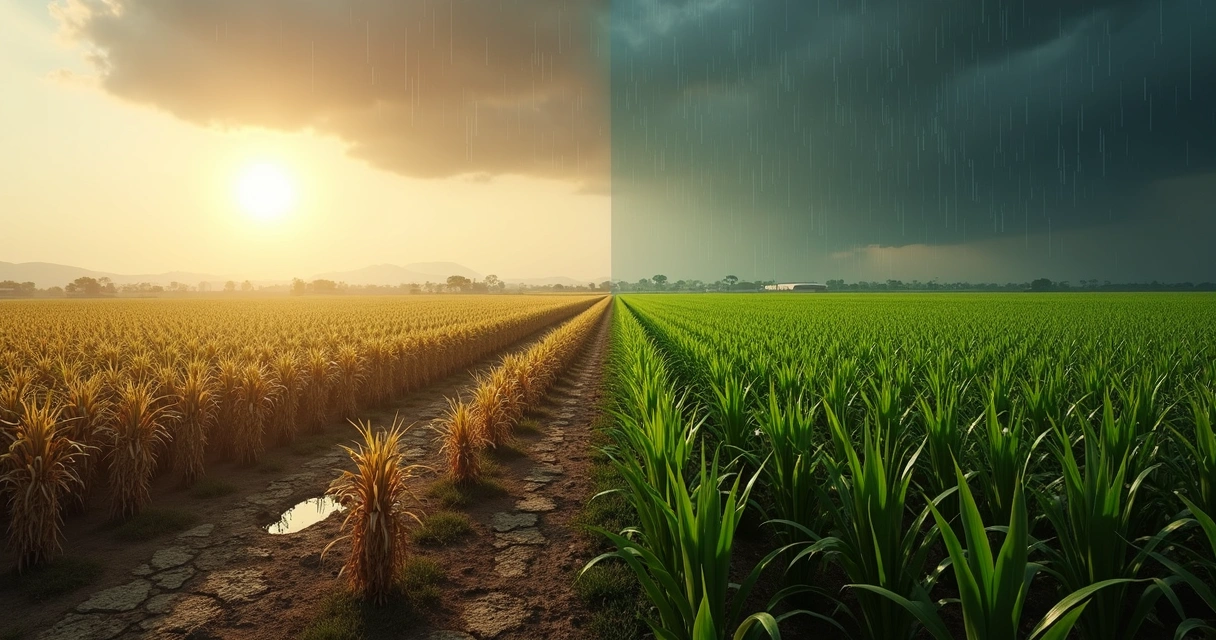
El Niño has once again drawn sharp attention across global agricultural markets, and nowhere is its influence more pronounced than in the expectations for sugar supply. The 2026/27 production cycle is already gathering speculation, particularly for the main producing regions north of the Equator: India, Thailand, and Central America. Meanwhile, Brazil, ever dominant in the south, continues to hold a positive outlook. El Niño is a recurring climate pattern linked to changes in ocean temperatures and winds across the Pacific, but each event varies in timing, length, and intensity, meaning its consequences for agriculture can rarely be generalized. Thus, ongoing weather monitoring holds clear value for producers, exporters, and everyone within the sugar supply chain.
El Niño’s growing impact on agricultural commodity supply
Forecasts now suggest that this weather phenomenon could remain active in the coming months, possibly extending until the southern hemisphere’s summer. If that happens, El Niño could become stronger, potentially increasing its influence on rainfall and temperature patterns in crop-important countries. The result? A shift in production expectations and potentially heightened volatility.
- Sugar is not alone in this landscape. Other major crops often affected include soybeans, corn, wheat, coffee, cocoa, and palm oil.
- Each of these commodities has a unique cropping cycle and regional sensitivity to weather variables.
- Any significant disruption can shift both physical supply and global trade flows, making market participants especially sensitive to weather updates.
Sugar prices, after a period of pressure due to higher availability worldwide, have recently softened. That’s largely attributed to improved production in the northern hemisphere, notably India, Thailand, and Central America. The same period has seen Brazil posting a strong harvest, creating a more comfortable global surplus and bringing relief to price-sensitive industries.
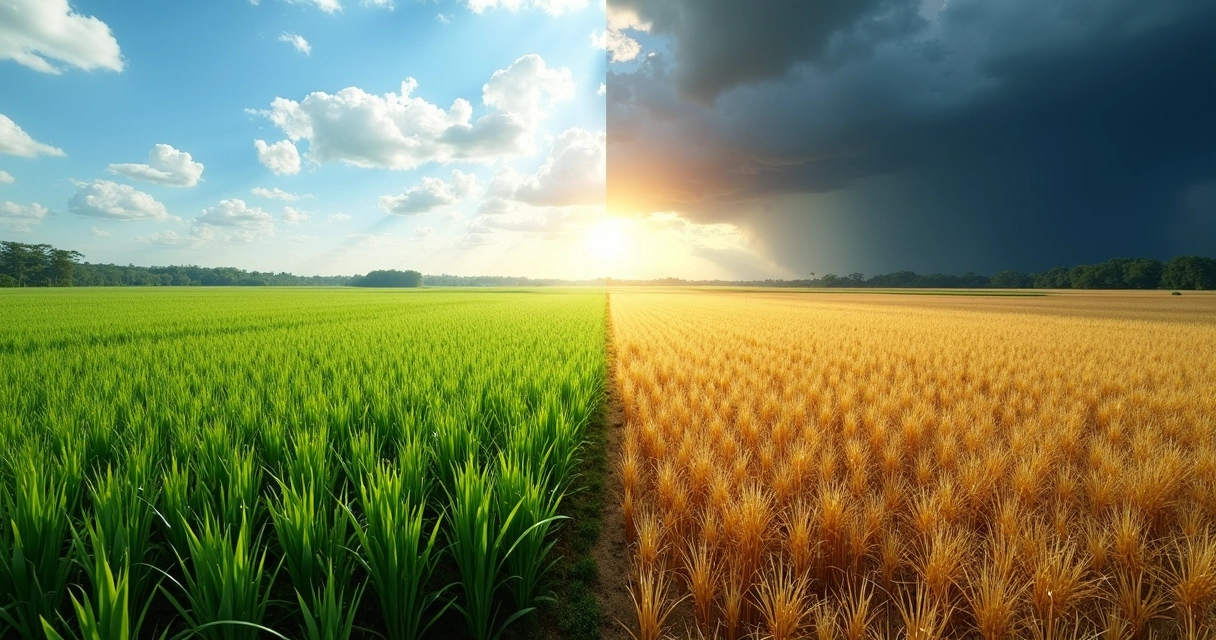
Heightened scrutiny as El Niño lingers
The spotlight is shifting. As El Niño evolves, market watchers are particularly focused on the comparative resilience of Brazil’s crops versus increased risks in the Northern Hemisphere. Predictions point toward possible drier conditions in India, Thailand, and Central America, raising the chance of lower-than-usual cane yields entering the 2026/27 season—which spans from October 2026 through September 2027.
For Brazil’s Central-South region, where the bulk of local output is centered, the 2026/27 harvest could mark the fourth consecutive season exceeding 600 million tons—and may even reach 635 million tons if current trends continue, cementing Brazil’s lead in global sugar exports. Should northern producers face production setbacks, this Brazilian resilience grows even more relevant.
This weather dynamic also matters for future planning. If El Niño persists or strengthens into late 2026 and past the New Year, the repercussions could shape several subsequent crop cycles—altering not only short-term outlooks but also the strategic decisions of traders, farmers, and industrial clients beyond sugar. More rain in southern Brazil could even prove helpful for the 2027/28 cycle, although that outlook remains unclear for now.
Why India, Thailand, and Central America have reasons for concern
India and Thailand, two of the world’s largest exporters, have dealt with the effects of El Niño before. Typically, the weather event brings hotter, drier conditions to these regions as it peaks, especially if it arrives at a critical stage of sugarcane development. Water stress and reduced rainfall may easily translate into lower cane yields and even tighter local supplies as early as the 2026/27 cycle, which in these countries begins in October 2026.
Because India and Thailand play such a significant role in satisfying world demand, any credible sign of crop stress rapidly shifts market sentiment. The same applies to Central America, where the region’s cane production and export capacity could also face extra risks if El Niño induces a dry spell. The actual impact there, though, will depend on the timing, strength, and localization of El Niño effects and the crop’s natural resistance.
Harvest calendars must always be kept in context. Impacts never occur everywhere at once. Each production region has a distinct cropping and harvest rhythm.
Growing reliance on Brazil as climate shifts
As conditions tilt against the Northern Hemisphere, global sugar supply chains may become even more reliant on the steadiness of Brazilian output. Should El Niño extend into late 2026 and through 2027, Brazil’s stake in stabilizing world sugar flows will only increase. Of course, such dependence is not risk free. Concerns would also extend to logistics, finance, and price-setting.
The scenario also brings renewed focus to risk management. UHEDGE specializes in advanced digital treasury and risk modeling, aiming to support clients in times of increased volatility across currency, rates, and agricultural commodity markets. By applying AI-driven monitoring, robust analytics, and real-time risk dashboards, the company can inform participants through market shifts, crop loss threats, and price uncertainty, as seen in events like El Niño.
Market resilience is built on informed decision-making, especially under unpredictable weather.
Sugar market professionals recognize this imperative. As Livea Coda from Hedgepoint Global Markets describes, ongoing and careful weather tracking is needed more than ever: “With relatively strong Brazilian production and the possibility of competitor setbacks, forecasts and consistent monitoring are becoming even more significant.” Those seeking full details on expected climate shifts, crop developments, and the factors influencing sugar—and other key crops—should download Hedgepoint’s technical report for actionable depth and timely analysis.
For those involved in global trade, this is the time to review strategy and sharpen tools for forecasting, risk capture, and timely decision-making. Producers, traders, and industry players are encouraged to develop better hedging frameworks and smart, scenario-driven plans to buffer unexpected shocks.
For detailed information on protecting your margins and navigating commodity volatility, UHEDGE offers further resources for businesses interested in hedging, price security, and real-time risk modeling. See more about sugar market risk protection or commodity hedging strategies at sugar hedging solutions, or broader coverage at our commodities category, including articles on commodity volatility management and how to protect margins in unpredictable markets.
UHEDGE’s platform, leveraging almost two decades of team experience, is well-positioned to support companies navigating new risks in agricultural markets.
Conclusion
The interplay between weather, markets, and production is never static—especially under the shadow of El Niño. The next production cycles in sugar and related crops hold both threats and new potential. By harnessing advanced risk tools, weather insight, and immediate scenario modeling, the sector can build resilience. Those interested in strengthening their position in fast-changing commodity markets are invited to get to know UHEDGE, discover new technical resources, or request a demonstration of our quantitative digital treasury.
All information provided in this article is for informational purposes only and does not constitute investment advice or a recommendation to buy or sell any financial product or service. UHEDGE/STATERRA is a CVM-registered financial institution and portfolio manager. For legal, regulatory, and privacy details or contact information, please visit our site or write to contato@uhedge.com.br or team@staterra.com.br. Independent research and decision-making are essential in all investment activities.
Frequently asked questions
What is El Niño's impact on sugar prices?
El Niño influences sugar prices mainly by disrupting production in key regions, which can tighten global availability and push prices higher. During high global supply, prices may drop, but if El Niño causes widespread crop losses, markets usually react quickly with upward moves.
How does El Niño affect sugar production?
By changing rainfall and temperature patterns, El Niño tends to make northern producers like India, Thailand, and Central American countries drier and hotter. This raises the risk of water stress in sugarcane fields, which can lower yields and reduce the quantity of sugar produced for export.
What risks does El Niño pose for 2026/27?
For the 2026/27 cycle, ongoing El Niño could increase the chance of lower cane yields and sugar output in the Northern Hemisphere, especially if the climate event persists or intensifies. Brazil remains comparatively robust, but global markets might rely more heavily on its performance if other big exporters suffer losses.
How can sugar producers prepare for El Niño?
Sugar producers can monitor regional weather patterns closely, update their risk management strategies, and consider advanced hedging instruments. Using quantitative platforms like UHEDGE’s digital treasury system, they can track scenarios in real time and anticipate possible market swings triggered by weather events.
Which countries are most affected by El Niño?
The main affected sugar-producing countries include India, Thailand, and Central America north of the Equator, but El Niño can also influence other commodities in South America, Africa, and Asia depending on its strength and timing. Brazil usually stands out for its resilient crop in such cycles.