Coffee is more than a drink—it is a globally traded commodity, woven into the economic fabric of dozens of nations and the lives of millions. But how are international prices for beans really set? Understanding this process matters for growers, traders, brands, and anyone watching commodity markets. From the bustling trading floors of New York to the vibrant coffee-growing regions of Brazil, the journey of price discovery blends market expectations, weather, logistics, and investor behaviors. Here’s how the world’s favorite beverage finds its price on the international stage.
Global exchanges: The backbone of international trading
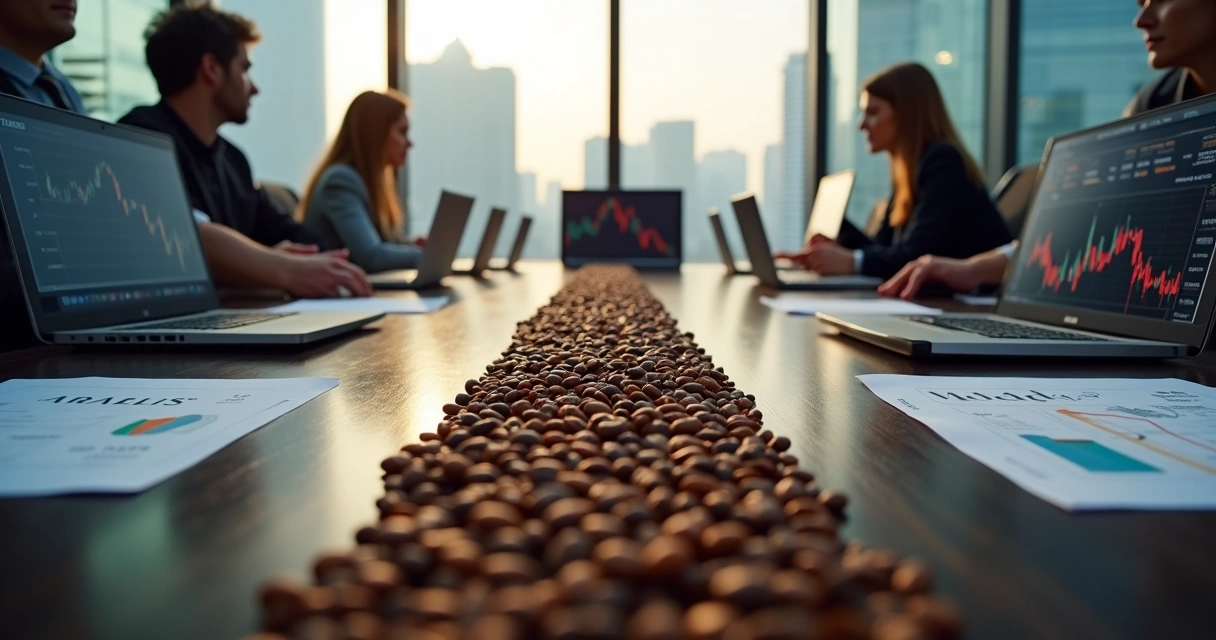
Two exchanges anchor the world’s reference for coffee bean prices: New York for arabica and London for robusta. These exchanges don’t simply quote the price for beans sitting in a warehouse—they reflect what market participants believe the near future holds for global supply and demand.
- The New York exchange (ICE Futures US) serves as the reference for arabica coffee contracts.
- The London exchange (ICE Futures Europe) fulfills this role for robusta coffee.
Contracts set on these markets are not based only on immediate bean availability. They respond to a web of expectations about future harvests, stock levels, and even currency volatility. Traders use these benchmarks to negotiate the price at which physical coffee will exchange hands—adjusting for quality, origin, local market premiums or discounts in Brazil, and other financial or logistical variables.
Beyond the screen: What shapes physical or cash market pricing
The value reported on exchanges is just the start. The so-called flat or cash price emerges by adding or subtracting key local factors:
- Quality differentials—how the beans compare in cup and grade to the exchange standard.
- Origin premiums or discounts—specific regions like Brazil, Colombia, or Vietnam may command higher or lower prices based on reputation and demand.
- Local differentials—such as those in Brazil, the world’s leading origin.
- Logistics—costs from transportation, warehousing, and shipment timing.
- Currency exchange rates—especially the Brazilian real against the U.S. dollar.
Altogether, these factors blend into the actual price paid by roasters or manufacturers for a particular lot of beans.
The central role of Brazil in price formation
It would be hard to overstate Brazil’s power in the coffee market. As the world’s largest grower and exporter, shifts in Brazilian harvests ripple across every trading screen. In particular:
- Brazil’s arabica crop is known for its biennial cycle—typically, one year of high yield followed by a lighter year.
- Because of this cycle, market participants track Brazilian weather, flowering, and export flows obsessively. Even small harvest delays or droughts can spark immediate reactions in global futures.
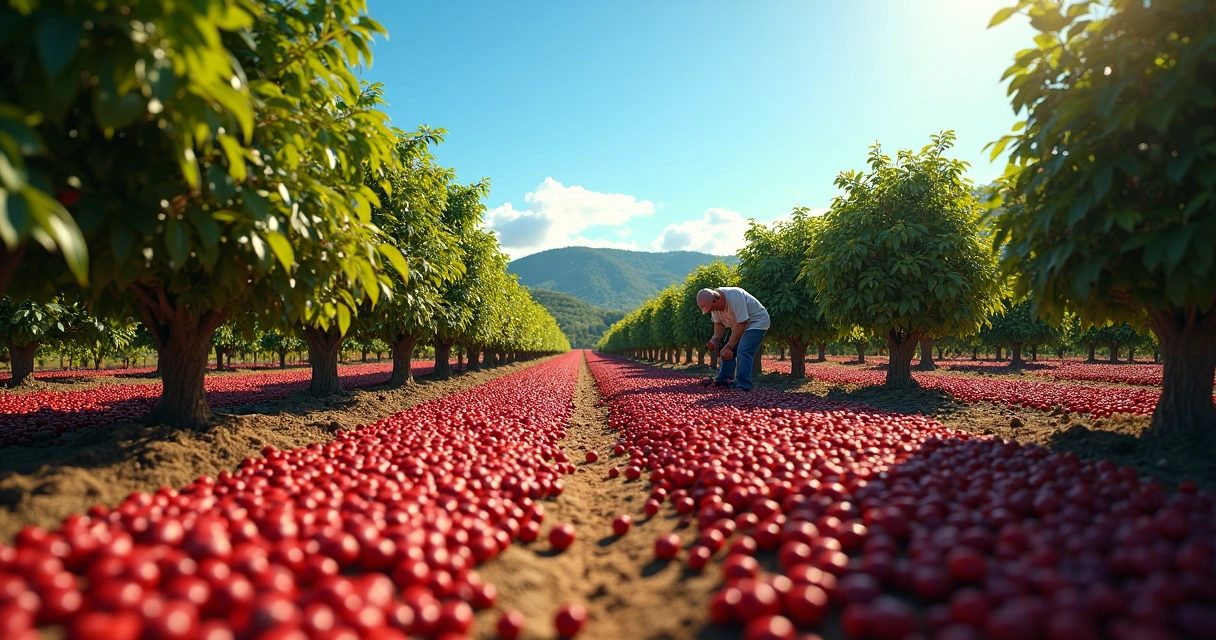
For the 2026/27 cycle, market intelligence from Hedgepoint Global Markets projects Brazil’s arabica output could soar to 46.5 to 49 million bags, with conilon/robusta expected at 24.6 to 25.4 million bags. This comes as a strong rebound compared to the previous cycle’s 37 million bags, a shift that could help rebalance world supply if production falls in other key origins like Colombia.
Arabica vs. robusta: Contracts, substitution, and interaction
Coffee isn’t one-size-fits-all—arabica and robusta have distinct characteristics, trading practices, and impacts on industry pricing.
- Arabica, prized for its softer and more complex flavor, trades mainly through New York contracts. It commands a higher base value and is the mainstay of specialty and premium blends.
- Robusta, which is more bitter and has higher caffeine content, is primarily traded on the London exchange. Its lower price point and suitability for instant coffee and strong blends fuel robust demand, particularly from Asia and parts of Europe.
- Roasters often substitute robusta for arabica in blends when price gaps widen, influencing spreads and contract differentials.
The link between the two is dynamic. When arabica production is threatened, demand for robusta rises, narrowing the difference in contract values, sometimes dramatically.
World stocks: The buffer and trigger of price spikes
Stocks act as shock absorbers. When world inventories run low compared to annual consumption, the market’s sensitivity to risk climbs.
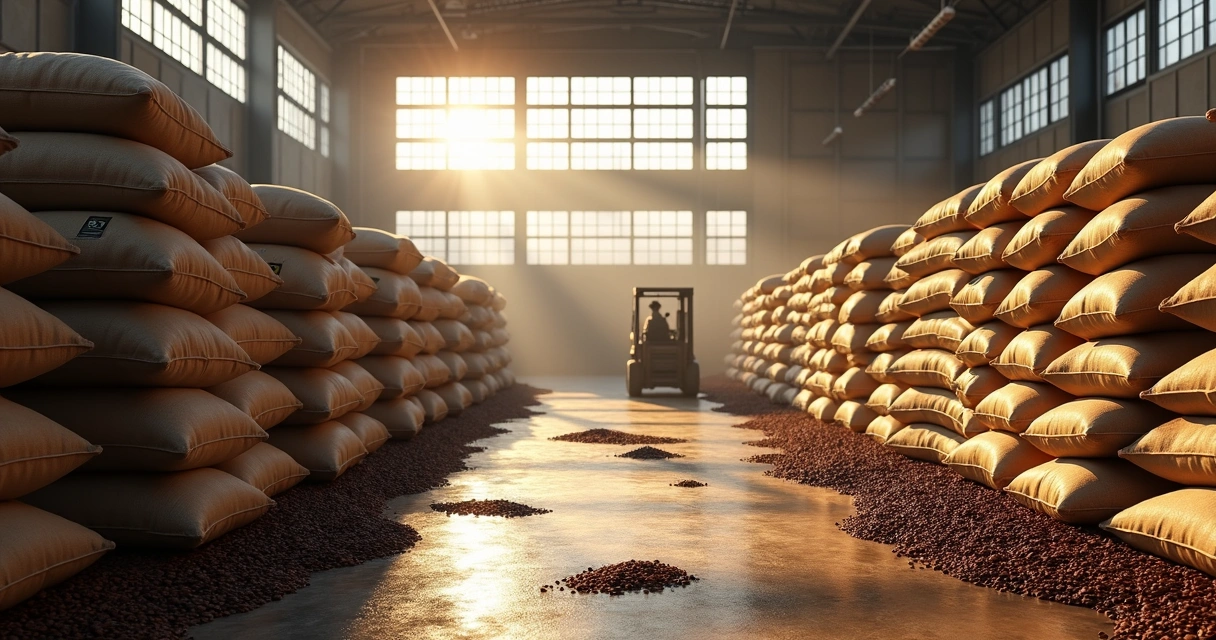
Certified stocks held on the exchanges take center stage at times of contract delivery. When these inventories dwindle, any hint of supply disruption—whether from weather, labor shortages, or geopolitical shocks—can send prices sharply upwards. Each season’s harvest and export pace are scrutinized to gauge future balances and price risk.
The wild card: Financial actors and investment funds
Commodity markets no longer comprise just growers and buyers. Financial investment funds, trading houses, and speculators play a visible and impactful role.
Their move in and out of positions can push price swings far in excess of any physical shortage or surplus. These positions—driven by macro themes, technical patterns, or even trends in other markets—add fuel to volatility.
Large funds can turn a quiet week into a cascade of price spikes or tumbles.
Volatility in focus: What will keep prices swinging in 2026?
Market participants have no shortage of catalysts to watch for continued unpredictability, especially in the run-up to and through 2026:
- Heightened weather sensitivity, especially in Brazil’s biennial cycle
- Lower global stocks and uncertain export flows
- Macroeconomic and currency fluctuations, notably USD/BRL movements
- Short-term positioning by financial funds
- Geopolitical events, such as U.S.–Iran tensions, changing trade routes, or unexpected sanctions
- Timing of sales and hedging by large producers
Such an environment makes rigorous risk management techniques indispensable for anyone exposed to price changes. This is a central reason why market leaders and innovators such as Uhedge have developed advanced systems to monitor, forecast, and actively manage risk in large-scale coffee and commodity trading.
For practical guidance on managing volatility in the coffee trade, Uhedge's market intelligence and technology platform offer unique advantages. To learn more about managing commodity margin and the unpredictability of global markets, consult content about protecting margins and dealing with volatility in commodities at protecting margins in unpredictable markets and risk protection strategies in coffee and broader commodities.
Risk management: Tools that matter in coffee trading
Proper risk control is not “nice to have”—it is foundational in making coffee trade safer, more predictable, and sustainable. Companies employ a robust mix of tools to manage exposure:
- Custom hedging structures designed for unique needs and market views
- Basis monitoring to keep track of differentials between local and global prices
- Futures contracts to lock in expected values and reduce downside risk
- Price and currency combinations, critical when origin currencies like the real swing sharply
Uhedge’s platform showcases how such tools, powered by AI-driven recommendations and predictive analytics, transform risk management from a static process into an ongoing, dynamic defense. For applied examples in coffee, see effective hedging strategies for coffee.
Volatility will stay—smart decision-making can turn risk into opportunity.
Structural change, continuous monitoring, and safer decisions
Volatility in this market is not an exception, but a feature. Long-term trends shift, cycles sway expectations, and new disruptions will always appear. That is why ongoing market intelligence, along with sophisticated risk management, has become the new standard for those in the coffee sector.
For Brazilian producers, international traders, and beverage brands, leveraging trusted partners such as Uhedge for insight, analysis, and execution support can make all the difference. To further understand the landscape of commodity risks and opportunities for Brazil, the article how commodities work and Brazil’s opportunities provides additional background, as does regular industry intelligence at the commodities section of Uhedge’s blog.
As always, users of commodity market forecasting and advisory services should ensure full compliance with relevant regulations and ethical guidance. For detailed support, including legal and regulatory details, consult Hedgepoint’s authorized channels: contato@uhedge.com.br or team@staterra.com.br, as well as company lines at (11) 98294-0419 and (11) 95578-3468. Service and guidance are always delivered with client safety, transparency, and market discipline as priorities.
If safe, consistent decision-making in commodities is your goal, taking the time to partner with Uhedge’s platform, market intelligence, and asset management services ensures both resilience and new opportunity. Reach out for a tailored analysis and experience how science-backed intelligence makes a true difference in coffee and commodities management.
Frequently asked questions
What factors affect global coffee prices?
A range of influences shape international prices, including supply forecasts (especially Brazilian crops), weather events, global stocks, currency shifts, product quality, logistics costs, and investor activity. Even perception of risk around harvests or geopolitical events can move values sharply.
How are coffee prices set internationally?
Prices are mainly set through contracts traded on major exchanges (New York for arabica, London for robusta). These contracts act as reference points, incorporating expectations around supply, demand, and inventory, not just immediate bean availability. The actual physical price also reflects origin, quality, logistics, and currency.
Why do coffee prices change so often?
Frequent price changes stem from inherent market volatility, driven by weather shocks, uncertain harvest predictions, shifting global stocks, quick decisions by financial funds, and changing currency values. The market is sensitive—news or rumors can push prices up or down within minutes.
Where can I check current coffee prices?
The most up-to-date values are available on reference exchanges, through pricing platforms, commodity news providers, and specialized risk management advisory services. Many use New York (arabica) and London (robusta) exchange figures as daily benchmarks.
How does weather impact coffee prices?
Weather plays a direct role by affecting harvest size and quality, especially in major producing regions like Brazil. Drought, frost, or storms can trigger sharp moves on exchanges, particularly when global inventories are low or buyers fear supply shortfalls.