
Managing financial operations has never been so complex. Businesses confronted with currency shifts, volatile commodities, regulatory demands, and constant pressure to optimize working capital, seek solutions that provide both control and adaptability. A modular treasury management system offers an answer, allowing companies to customize their treasury platforms to stay ahead.
Introduction to modular treasury management systems
Modern treasury management goes beyond mere processing of transactions or monitoring bank balances. It reflects a sophisticated interplay between cash control, risk modeling, analytics, and compliance, all of which must respond to evolving business models and external shocks. A modular treasury management system uses a flexible architecture, dividing core functions (like risk, liquidity, or payments) into interchangeable modules that can be built, replaced, or tailored as required. Unlike older, monolithic systems with fixed functions and rigid workflows, these platforms offer agile, scalable environments that grow and change alongside the client.
How modular architecture delivers adaptability
The idea behind modularity is simple. Each building block—the “modules”—handles a distinct area, such as FX exposure, cash forecasting, or compliance checks, while a central layer brings everything together. That means a business facing new regulatory requirements can introduce governance modules, or a company growing internationally can add currency management modules, all without disrupting daily operations.
Upgrading treasury is no longer an overhaul—it’s an evolution.
Uhedge, for example, built its treasury platform to serve as a full extension of clients’ trading desks, each module powered by proprietary AI and quantitative analytics. This design supports everything from automated strategy recommendations to real-time portfolio tracking and margin call optimization, enabling practical, stepwise adoption of advanced features according to the organization’s profile .
Traditional vs. modular treasury management systems
Traditional treasury software is often compared to a rigid box: everything must fit, even if the business doesn’t really need most features. Modules, on the other hand, can be handpicked, integrated, and upgraded as the business matures.
- Traditional TMS: Purchasing means getting every feature, wanted or not; customization is slow; adding new asset classes or workflows can be expensive and risky.
- Modular TMS: Companies select only what matches their requirements, mix vendor solutions if needed, and scale smoothly as new business lines or risk profiles emerge.
Research by The Association of Corporate Treasurers indicates that almost 80% of small businesses still rely on spreadsheets or homegrown solutions, but larger organizations are embracing more integrated, often modular systems—driven by the need for real-time visibility, control, and automation (Association of Corporate Treasurers survey).
Modular systems bring meaningful flexibility and scalability for companies with complex or evolving needs. They empower treasury departments to respond quickly to changes without lengthy system replacements.
The core components of a modern treasury platform
Let’s take a closer look at what a modular treasury solution typically offers. No two organizations implement every module—but understanding the landscape is useful for CFOs and treasurers shaping their digital strategy.
- Cash and liquidity management: Real-time aggregation and forecasting of cash positions, consolidating accounts across geographies and entities. Modules can pull data from multiple banks, flag idle balances, and automate internal funding structures.
- Market risk assessment and control: Support for pricing and hedging across asset classes, with analytics covering FX, interest rate, and commodity exposures. Solutions like Uhedge apply AI and advanced statistical modeling to deliver automated, optimal hedging recommendations, dynamically adjusting to volatility and client risk profiles .
- Deal capture and derivatives management: Vault for trades involving swaps, options, accumulators, average price contracts and more, with real-time pricing, Greeks (delta, gamma, vega, theta), and margin call automation.
- Payments and collections automation: Modules for outbound/inbound payments, including integration with domestic and international payment rails, approval workflows, and compliance screens.
- Regulatory and compliance middleware: Risk mapping, governance validation, documentation tracking, and segregation of duties to align with accounting and regulatory standards. This is especially relevant as companies grow and face more scrutiny.
- Analytics and decision support: Real-time dashboards bringing together exposure, P&L, volatility surfaces, and scenario modeling, helping stakeholders make faster and more informed decisions.
- ERP and banking integration: Point-and-click connectivity to ERP platforms, bank APIs, and data warehouses, breaking down silos and cutting down on manual reconciliation.
This adaptability yields not only better oversight but also faster innovation. Organizations with commodity, FX, or interest rate risk find that starting with the core—say, risk and liquidity—and layering on modules like analytics or governance, allows improvement without system shocks or unscheduled downtime.
AI, analytics, and automation: The new frontier
The digital treasury evolution is deeply connected with machine learning, cloud advances, and advanced analytics. According to Opinium research, nearly every finance leader worldwide is planning to deploy AI in the next two years, particularly to automate cash forecasting and optimize liquidity.

Uhedge’s system embodies this trend, drawing from AI and econometric models to deliver real-time, actionable insights directly to users. This makes it possible to move beyond passive monitoring and into truly proactive finance, where recommendations are tailored for rapid execution, and what was once “humanly impossible” can now be performed with discipline and transparency .
With modular treasury management, companies transform from reactive to proactive, aligning technology, expertise, and operational goals.
Supporting compliance, governance, and real-time control
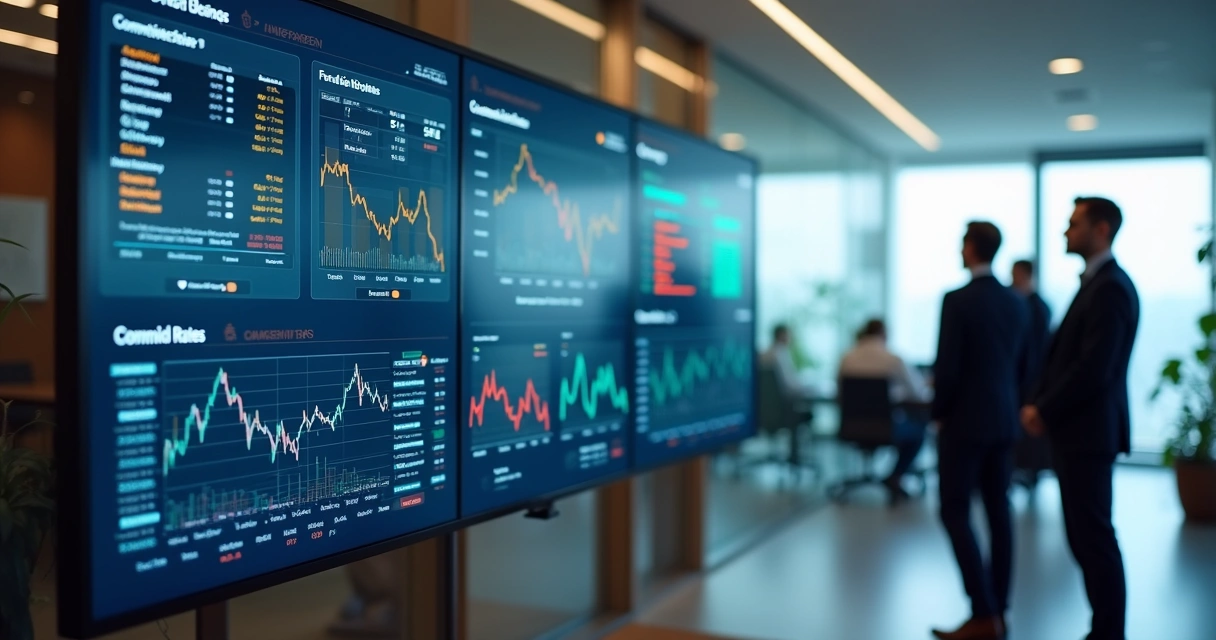
Companies in sectors like commodities or global export/import know the risks of fragmented processes. Without unified oversight, exposures go unmonitored and opportunities slip by. Modular treasury platforms are built to counter this, consolidating risk, liquidity, and payments into one real-time dashboard.
- Governance support: Integrated monitoring of risk thresholds and policy compliance, with automated alerts for breaches and robust audit trails for all activity.
- Risk dashboards: Customizable heat maps, value-at-risk modeling, and attribution analysis to help understand portfolio impacts under different market scenarios .
- Audit and reporting: Automated end-of-day reports, MTM tracking, and exception handling, ensuring accurate and stress-free regulatory submissions.
The Uhedge architecture, for instance, combines these features into a unified platform, letting users monitor, report, and act within a single environment—supporting both governance and agility.
Best practices for selecting and implementing a modular solution
Transitioning to a modular treasury approach isn’t just an IT project. It means thinking through needs, processes, people, and the organization’s growth ambitions.
- Set clear objectives: Identify current pain points—maybe it’s fragmented bank accounts, recurring spreadsheet errors, or slow cash flow reporting. This shapes which modules add immediate value.
- Look for flexibility and openness: The best modular platforms support easy integration with ERP systems and banks, allowing phased rollouts without process disruptions (enterprise resource planning evolution).
- Pilot and benchmark: Consider adding one or two modules initially—like risk control or cash forecasting—then expand based on performance and user feedback.
- Plan for training: Even the most intuitive systems need user training. Include onboarding, reference materials, and access to ongoing support.
- Prioritize security and compliance: Modular doesn’t mean light on controls. Look for solutions with multi-level authorization, data encryption, and built-in policy enforcement.
A study by TIS and Strategic Treasurer reflected that more than half of senior treasury professionals currently use advanced treasury management systems, with many planning new implementations to address borrowing costs and maximize returns—an adoption largely driven by such best practices (TIS and Strategic Treasurer, 2024).
Integration and interoperability: Connecting the financial ecosystem
Siloed systems are treasury’s past. Today’s platforms let companies plug in modules as needed:
- Direct bank feeds and API-driven payment modules, bridging gaps between cash, liquidity, and bank reconciliation.
- ERP integration, pulling accounts receivable/payable data to sharpen forecasting and payment scheduling.
- Compliance connectors, sending exposure and audit data to accounting and governance systems instantly.
Research shows that ERP vendors are increasingly enhancing their treasury capabilities, often by partnering with best-in-class module providers. This lets organizations build sophisticated, tailored solutions, leveraging cloud, mobile access, and big data analytics for a competitive edge (enterprise resource planning evolution).
Connected systems, connected decisions.
Emerging trends: AI, cloud, and hybrid deployments
The future of treasury is not just modular, but also intelligent and cloud-enabled. Some trends shaping the roadmap:
- AI-driven analytics: From predictive cash flows to dynamic hedging, AI modules analyze vast datasets in real time, surfacing risks and opportunities human analysts might overlook. Uhedge’s platform has demonstrated these capabilities in real FX and commodity hedges, using AI to adapt strategies as market signals shift .
- Cloud deployment options: Modular systems deliver features via the cloud, lowering IT burden and enabling remote access for distributed teams. Adoption rates continue climbing, especially among larger firms seeking to future-proof operations (Association of Corporate Treasurers survey).
- Hybrid and private cloud models: Some companies require sensitive data to remain behind the firewall, while still wanting SaaS-like flexibility. Modern architectures offer hybrid deployments for maximum control and agility.

As seen in Uhedge’s experience managing both trading and asset management for companies exposed to FX, interest, and commodity markets, starting with core risk modules and layering on advanced analytics or secondary modules helps organizations adjust to expanding regulatory, operational, and business demands .
Case examples from FX, interest rate, and commodities management
Modular treasury approaches enable sector-specific customization. Here’s how features come together in practice:
- Commodity hedging (agriculture): Uhedge, for instance, designed its asset management module to support discretionary hedging portfolios for agricultural clients (such as coffee producers), using performance-tracking dashboards and AI-based tactical trading. Clients set clear goals and constraints, and the system ensures strategies align with the defined risk and leverage limits .
- FX exposure in multinational groups: Instead of cobbling together spreadsheet reports, a central FX exposure module aggregates currency positions, applies AI-driven hedge recommendations, and automates trade execution and monitoring, reducing operational bottlenecks.
- Interest rate risk for industrials: A modular approach lets the finance team add swap and options management, then layer in scenario analysis when regulatory demands or debt structures change. Data flow between modules ensures audit trails and reporting continuity.
Additional real-world stories and practical guides on managing risk in volatile markets—like the impact of new digital tools in global trading—can be found in related content hosted on the Uhedge blog, such as insights into risk management practices, lessons on practical hedge strategies, and key considerations for commodity hedging approaches.
Challenges and mitigations
No system is perfect. Even flexible modular solutions must contend with the evolving needs of treasury. Systems that are difficult to integrate, or that lag in supporting new instruments or regulations, can become an obstacle rather than a solution. As treasury leaders at Uhedge have found, ongoing vendor evaluation, investment in training, and regular system health checks help ensure modularity doesn't turn into fragmentation (treasury management systems challenges).
Furthermore, companies need to be realistic about change management. Modular rollouts offer a gentler path, but the “soft factors”—stakeholder buy-in, clear communications, workflow redesign—still matter.
Best practices for continuous improvement
Treasury is not a “set and forget” discipline. Markets change, new regulations appear, and company strategies evolve.
- Regular roadmap updates: Every quarter, review module usage, gaps, and changing business needs to ensure the platform remains fit for purpose.
- Encourage cross-silo collaboration: Finance, risk, and IT should meet to discuss pain points and wishlists, prioritizing modules that promote data sharing.
- Engage external expertise: In a world of rapid technology change, tapping into vendor consultancies or partnering with firms like Uhedge for diagnostic strategy sessions can spark innovation .
A modular treasury framework is as much about culture as it is about technology.
Organizations benefit most when strong governance, process discipline, and ongoing learning are paired with the latest digital capabilities.
Conclusion: The path forward for adaptive treasury management
The financial environment will only get more complex and interconnected. What sets leaders apart is their ability to bring together the right technology, operational expertise, and a willingness to adapt. A modular treasury management approach lets companies orchestrate their transformation—one carefully chosen building block at a time.
Uhedge’s journey uncovers a clear lesson: Modular, AI-powered treasury systems empower organizations to turn uncertainty into consistent value, improve governance, and respond to market surprises with accuracy and discipline. To stay ahead, companies should consider not just which features to add today, but how their platforms can evolve for tomorrow.
Those seeking to experience next-generation treasury in action are encouraged to reach out for a consultative strategy session and personalized demo of Uhedge’s digital solutions. Start turning treasury into a growth engine—built for today and tomorrow.
Frequently asked questions (FAQ)
What is a modular treasury management system?
A modular treasury management system is a digital platform designed to centralize, automate, and manage a company's treasury functions through independent, customizable building blocks called modules. Each module addresses specific needs—cash, risk, compliance, payments—which can be combined or replaced as the business evolves, giving maximum flexibility and scalability for growing companies.
How does modular treasury software work?
Modular treasury software uses an open, layered architecture where functions like cash management, FX risk, payment controls, and analytics are delivered as separate but interconnected applications. Users can activate just the modules they need, add new ones as requirements grow, and synchronize data across the organization in real time. Advanced platforms like those from Uhedge leverage AI and financial engineering to enhance automation and decision support, providing a unified dashboard for all treasury operations .
Is modular treasury management worth the cost?
Yes, modular treasury management offers a cost-effective approach compared to monolithic systems or fragmented spreadsheets. Companies avoid paying for unwanted features, can spread investment over time, and gain efficiencies by automating processes and reducing errors. Studies show modular and cloud-based adoption is growing as more treasuries prioritize adaptability and return on investment (Association of Corporate Treasurers survey).
What are the benefits of modular treasury systems?
Key benefits include:
- Flexibility to deploy and upgrade modules as business needs change
- Real-time monitoring and end-to-end visibility of cash, risk, and positions
- Automated compliance, reporting, and governance controls
- Ability to integrate easily with ERPs, banks, and external data providers
- Reduced operational risk and manual workload with AI-driven automation and analytics
Where can I buy modular treasury solutions?
Multiple specialized vendors offer modular treasury platforms, but for organizations seeking robust, AI-powered, and quantitative solutions with proven expertise in risk management, Uhedge stands out. To see these capabilities in action, finance leaders should schedule a consultative session and demo with the Uhedge team or explore the latest insights about risk, markets, and digital treasury at the Uhedge blog: global markets content.