
In an era marked by global volatility, industrial firms face a genuine test: how to defend margins and keep financial stability when markets turn. For industrial CFOs who manage exposures to commodities, foreign exchange (FX), and interest rates, scenario analysis stands as a necessary compass. It gives teams the power to ask, “What if?”—and respond with confidence, not guesswork. This article uncovers why scenario analysis is central to smarter solutions in price risk management, and how AI-driven platforms like those in the UHEDGE ecosystem offer an edge for companies looking to go further than spreadsheets ever could.
The power of scenario analysis: Preparing for tomorrow
Scenario analysis is not speculation; it is methodical forecasting based on real data and distinct market conditions. It asks, “What would happen to cash flow and margins if the dollar spikes, or energy prices drop by 10% overnight?” For CFOs in sectors like agribusiness, manufacturing, and energy, these aren’t theoretical questions—they are constant risks that need structured answers.
“What you simulate today can save your margin tomorrow.”
Traditional risk management tools often fall short. They splinter information, require hours of manual reconciliation, and often lead to delays in response—a costly vulnerability in turbulent times. Scenario analysis steps in to offer clarity. By simulating possible shocks (such as commodity crashes, FX fluctuations, or sudden changes in interest rates), finance teams can estimate impacts on cash flows, measure buffer strength, and proactively adjust hedging strategies before real losses bite.
Within the UHEDGE ecosystem, scenario analysis is not an afterthought. It is built into the digital treasury, providing a centralized “map” of risk, where outcomes are visualized and actions guided by robust technology and quantitative models.
Building scenario analysis: A stepwise approach for industry CFOs
Running rigorous scenario analysis for industrial hedging starts with disciplined steps. Here is a field-proven approach that lays the foundation for actionable insights:
- Define exposures and objectives: List all key risk factors—commodity prices (oil, metals, grains), FX pairs relevant to supply and sales, and interest rates. Decide what the company wants to protect: margins, costs, liquidity buffers, or a mix.
- Gather historical and real-time data: Collect historical price series, volatilities, and correlations. Today’s best-in-class solutions pull both internal and external data, updated continuously. The UHEDGE platform, for example, connects both physical and paper trades in one environment, providing total visibility.
- Design relevant scenarios: Examples are a 15% rise in steel prices, a sharp devaluation in the local currency, or a rate hike from the central bank. The scenarios should reflect both likely and extreme events. Stress-testing the improbable, such as twin shocks to FX and commodities, is equally valuable.
- Run models: Use quantitative tools, ideally those that integrate advanced analytics like volatility surfaces and futures curves. A modern digital treasury system supports this by making these simulations repeatable, accurate, and transparent.
- Interpret output: Focus on how cash flows, profit margins, and profitability drivers change under each scenario. Visual dashboards—like those offered by UHEDGE—show mark-to-market (MTM) results, margin calls, and liquidity forecasts side by side.
- Adapt strategy: Adjust hedges or pricing strategies to close gaps. The best results come from regular scenario analysis, not a one-off exercise. Close gaps before shocks become real losses.
Key variables and stress-test priorities
For industrial operators, not all variables are equally risky. Some move slowly, some can whiplash overnight. Scenario analysis should focus on:
- Commodity price shocks: Sudden movements in the cost of inputs (oil, copper, corn) or the sale price of outputs.
- Currency moves: FX changes that hit both revenue from exports and costs for imported components.
- Interest rate hikes: Central bank policy changes that can affect both the cost of funding and asset valuations.
- Liquidity stress: Margin calls, unexpected shifts in demand, or counterparty defaults.
- Correlation breakdowns: When expected relationships no longer hold true, e.g., commodities and FX moving together during global crises.
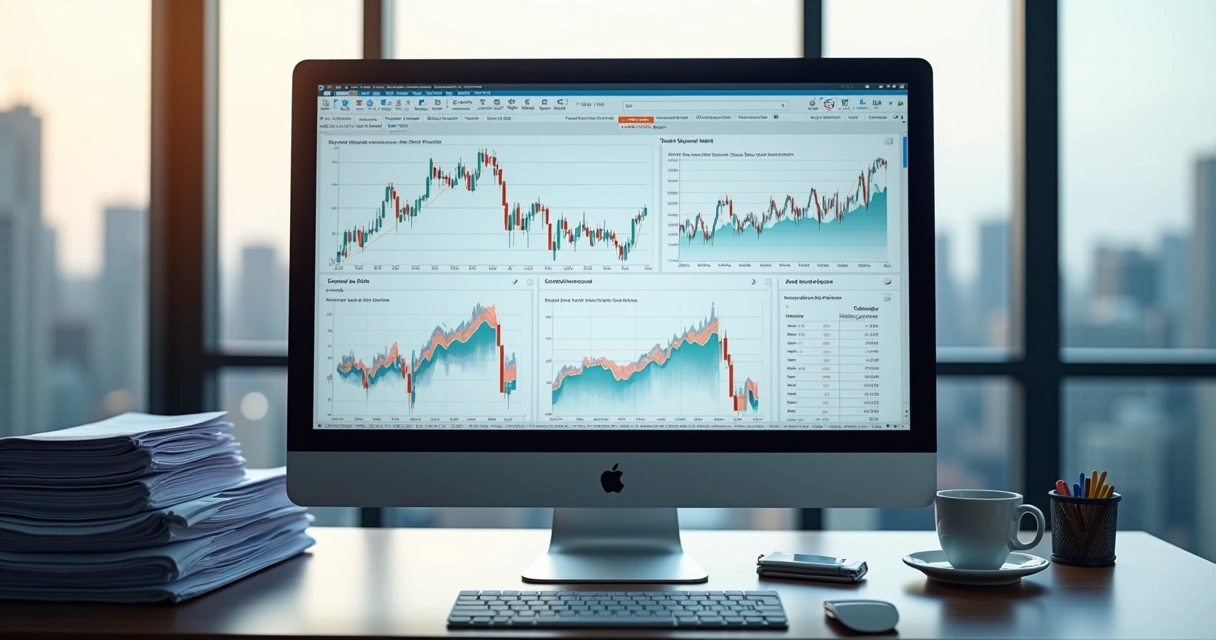
Strong scenario analysis includes "double-whammy" simulations: not just a drop in one commodity, but also what happens if FX swings at the same time, or if supplier costs jump while customer demand falls. This is where the power of interconnected modeling—built right into solutions like UHEDGE—proves critical.
Manual vs. AI-driven scenario analysis: What changes for treasury teams?
Historically, scenario analysis meant hours spent in spreadsheets, updating models by hand and relying heavily on “best guesses” or standard deviations from prior years. But the demands of today’s global marketplace require accuracy and speed that only modern technology can offer.
- Manual (“traditional”) approach:
- Slow and prone to error. Changing one input often ripples unforeseen errors through the sheet.
- Fragmented. FX, commodity, and interest rate exposures live in different workbooks.
- Difficult auditing. Hard to see where results came from, or to explain sensitivity to auditors/board.
- Limited scope. Stress-testing all combinations is impossible due to time and human constraints.
- AI-driven scenario analysis:
- All exposures (commodities, FX, rates) connected in one environment.
- Real-time data feeds, not static assumptions.
- Simulations run thousands of “what ifs” in moments, including rare combinations of shocks.
- Dashboards and risk maps automate reporting and provide visual clarity for decision-makers.
- Embedded governance—proves compliance and discipline for audit and strategy meetings.
AI-powered solutions like those available from UHEDGE cannot just automate calculation—they can transform how decisions are made, turning risk into a source of stability and margin growth.
Example: Protecting margin in a volatile metals market
Consider a metals manufacturer exposed to both aluminum prices and USD/BRL swings. A manual approach might look only at a 10% drop in metal prices. An AI-driven model, however, can run this scenario together with a 12% FX move and map out the impact on margin, liquidity, and even how derivative structures like options or accumulators would perform.
The practical difference? The finance chief gets a risk map that shows not just what to fear—but how much to hedge, when, and what tools (from forwards to structured products) deliver the best cost-benefit. The right tool means fewer surprises and more chances to act ahead of events, not behind.
Implementing scenario analysis with a digital treasury
Transitioning to a digital-first approach means unifying all risk exposures in a single system. Solutions like the UHEDGE platform aggregate all trades—physical, paper, FX, and interest rate—so nothing slips through the cracks. They enable automated calculation and instant updates as market data changes, so CFOs can test scenarios and strategies with facts, not just hunches.
- Scenario calculators let users build structures—accumulators, collars, swaps—and price them instantly.
- AI routines recommend optimal hedging mechanisms, tailored to the firm’s timing and risk profile.
- Risk dashboards show the results of each scenario: margin at risk, MTM changes, and the effect on liquidity.
- Detailed reports support audit needs and internal governance, building a culture of discipline and visibility.

For industrial CFOs, this structure turns scenario planning from a laborious task into a strategic advantage.
Bringing it all together: Scenario analysis and the pathway to robust industrial hedging
In summary, scenario analysis is more than a theoretical risk exercise. For companies in volatile sectors, it is the difference between riding out the storm and being swept away. With digital treasury systems like those provided by UHEDGE, this discipline moves from the realm of the theoretical to practical day-to-day action, strengthening both resilience and profit.
To go deeper into industrial hedging insights and hands-on strategies, see guides on practical protection techniques or recent analysis on metals markets for 2025. Common mistakes and how to stay ahead are also covered in this article on errors made by companies and how to avoid them. All risk management-focused articles are accessible on the risk management section of the UHEDGE blog.
Want to transform uncertainty into opportunity? The next step is a specialized diagnostic with the UHEDGE team, where decades of experience and state-of-the-art digital treasury meet your business profile directly. This isn’t just a tech demo. It’s the first step on the pathway to confident, value-building decisions—before the next storm hits.
Frequently asked questions about scenario analysis in industrial hedging
What is scenario analysis in industrial hedging?
Scenario analysis in the context of industrial hedging means simulating how various market changes—like commodity price fluctuations, FX swings, or interest rate moves—affect a company’s cash flow and profitability. It uses data and models to forecast outcomes and helps treasury teams decide when and how to hedge exposures.
How does scenario analysis reduce hedging risks?
By letting companies model both probable and extreme market scenarios, scenario analysis shows where existing strategies may fall short. This proactive view allows management to adjust hedges or add protection where needed, preventing unexpected losses and improving resilience.
What are the benefits of industrial hedging?
The biggest benefits include protection from unpredictable market swings, more stable cash flow, and improved ability to plan investments and resources. With structured hedging, companies also maintain confidence with shareholders, customers, and suppliers, especially in periods of market volatility.
How to start scenario analysis for hedging?
Begin by identifying all significant market exposures—such as key commodities, FX rates, and interest rates—then collect historical and real-time data. Define relevant scenarios, run models (manually or using AI-driven platforms), and interpret the outcomes to inform management’s next moves. Review and refine scenarios frequently for continued relevance and effectiveness.
Is industrial hedging worth it for my business?
If your business can be impacted by market price movements—whether in costs, revenues, or funding—organized hedging is almost always worthwhile. It delivers not just protection, but a disciplined approach to turning risk into predictable results and margin growth, especially when powered by integrated digital treasury solutions.