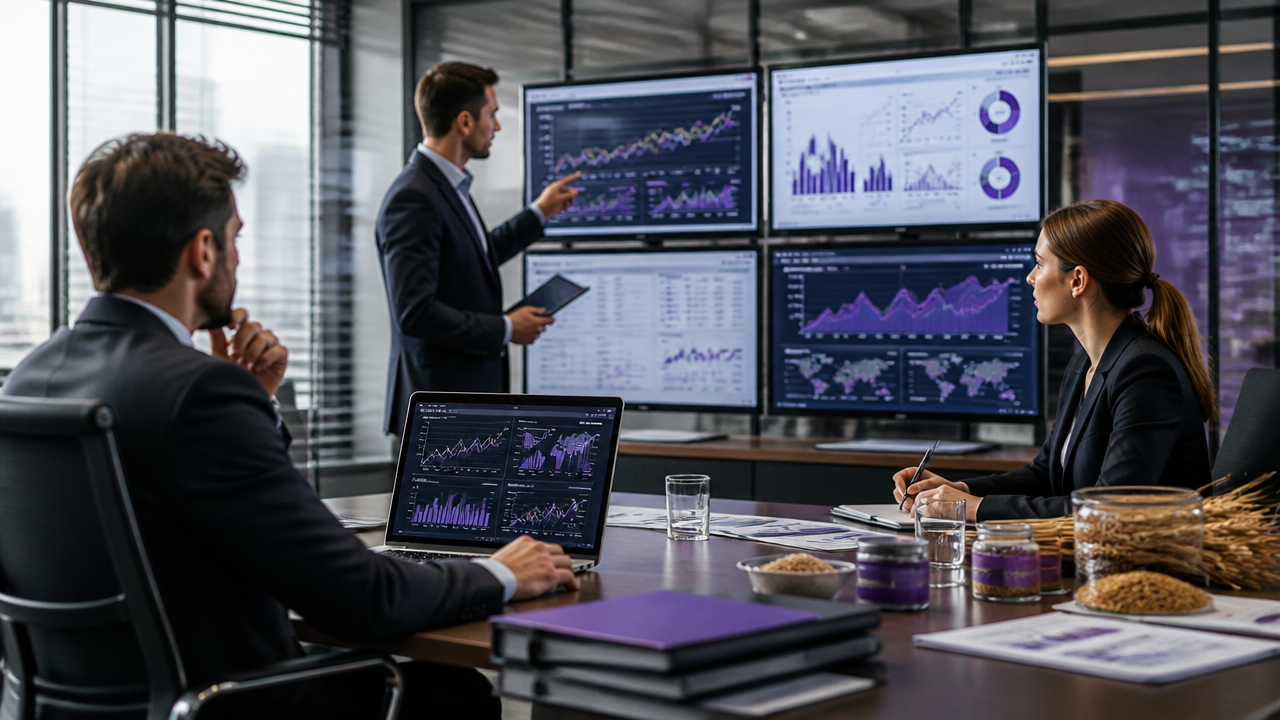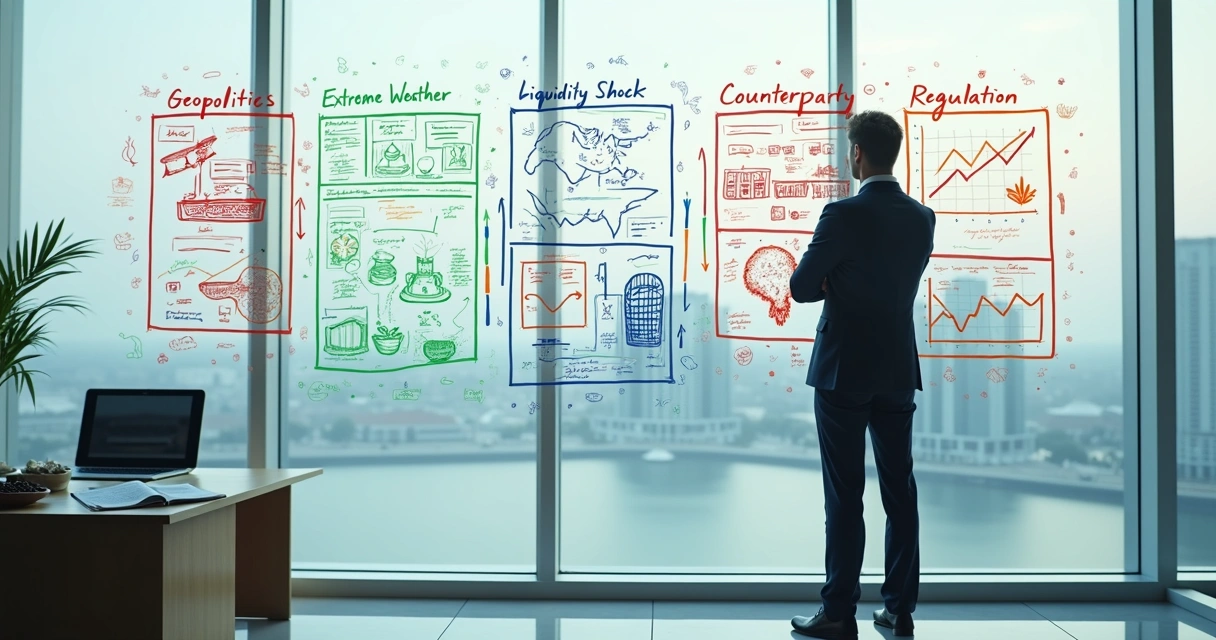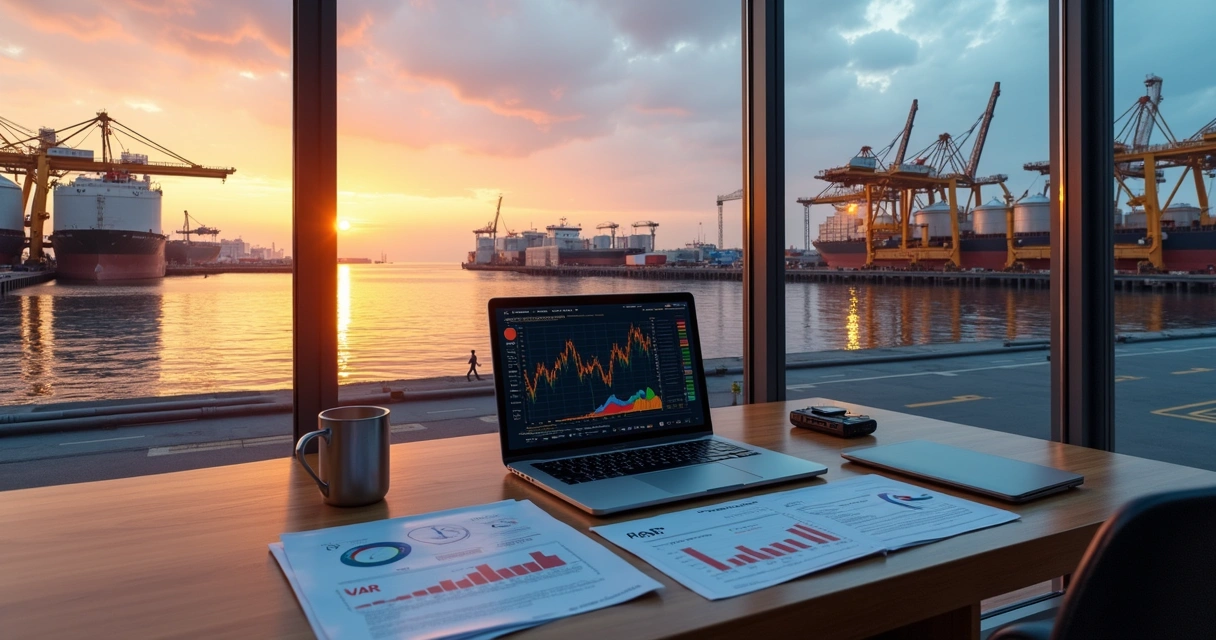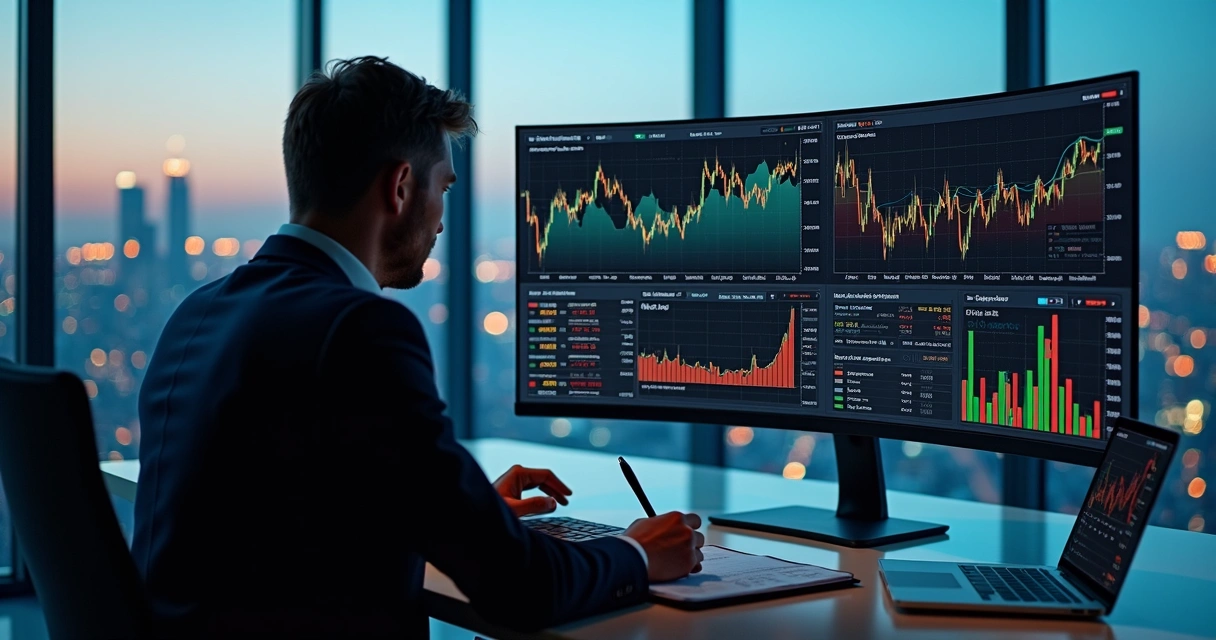
Commodity trading sits at the center of the world’s economy. For agribusiness, energy, and manufacturing companies, controlling risk in this space is as much science as strategy. Modern operations face increasing volatility—driven by currency swings, fluctuating demand for raw materials, ever-changing regulations, and headline-making global disruptions. Today’s question is not just “what is risk management trading commodities,” but how can companies actively turn unpredictable markets into drivers of consistency and stronger margins?
Understanding risk management in commodity markets
Risk management in trading commodities means building systems, rules, and tools to anticipate, measure, and control the effects of uncertainty on cost, revenue, and portfolio value. This is not just academic theory—for companies dealing with real exposure in soybeans, oil, metals or currency, it is a real-world necessity. Without a disciplined approach, price moves can erode profits, disrupt cash flows, and undermine long-term strategy.
Industries like agribusiness, energy, and heavy industry depend on risk controls to navigate volatile conditions. In Brazil, as detailed by insights on Brazilian commodity risks and opportunities, operational fragmentation or lack of a unified risk environment forces businesses into a reactive stance. Internal teams cannot keep pace with the rate or complexity of changes. The result? Decisions lag behind the market, exposing companies to preventable losses.

Main risk types for commodity trading
To build a solid defense, businesses start by mapping their real exposure. Each risk is a distinct but interconnected piece of a wider puzzle:
- Price risk: The value of commodities fluctuates, often violently, impacting the cost of inputs or the revenue from sales.
- Market risk: Broader financial moves—interest rate shocks, liquidity crunches, or even emerging regulatory changes—move entire asset classes at once.
- Currency (FX) risk: Multinational operations face profit swings from exchange rate shifts, impacting not just imported supplies but also the settlement value of export contracts.
- Regulatory risk: New market rules or tax changes can abruptly alter the economics of futures, options, or physical trading.
- Operational risk: Errors, system outages, or poor internal controls create unplanned exposures and occasionally, large losses.
The consequences for failure are serious. Financial impacts, reputational harm, and even regulatory actions can follow from unmanaged exposures. For an up-close discussion of how these play out, see our article on how commodities function, the risks, and opportunities in Brazil.
Practical strategies for mitigation
Mitigating trading risks is not about avoiding exposure altogether, but about shaping it—making sure every risk is taken intentionally, at the right time and size. For most real-world trading desks, this involves a blend of market access, contract structuring, and robust analytics:
- Hedging with futures: Standardized contracts on public exchanges convert unknown price swings into known costs or revenues, often months in advance.
- Options and structures: Complex contracts like accumulators, fences, or swaps let companies build conditional payoff profiles, providing flexibility when uncertainty is high. Real-world examples and practical hedging advice can be found in the practical hedge strategies guide.
- Diversification: Building a multi-market portfolio—spreading risks across crops, energy types, or regions—reduces the chance of any single event crippling the operation.
- Portfolio management: Mark-to-market practices, using metrics like Value at Risk (VaR), are standard. They give clear, daily views of how much money could be lost on a bad day, supporting more confident decision-making.
- Real-time monitoring and reporting: Robust, automated reporting catches problems before they become crises and ensures compliance with internal rules and regulatory standards.
Never trust your gut over the data when the stakes are millions.
Studies highlight that good risk management practices separate sustainable operators from the high-risk outliers. The National Agricultural Library also points out the value of tools that help managers quickly test and compare risk-reducing strategies across multiple commodities and regions, supporting better choices under uncertainty as detailed in research.
AI, digital treasury, and innovation in risk control
With global volatility increasing and decision windows tightening, traditional techniques alone are no longer enough. This is where projects like UHEDGE, with its AI-driven, quantitative approach, redefine what is possible for commodity trading risk management. Modern solutions aggregate all exposures—physical trades, paper/futures positions, and currency hedges—into a unified view. The result? Full visibility, discipline, and immediate feedback on every portfolio move become not just goals, but daily realities.
UHEDGE’s integration of artificial intelligence and advanced modeling automates much of what used to require days of human analysis. The platform’s trading calculator instantly prices and constructs complex strategies such as accumulators and fences. Real-time algorithms access over-the-counter (OTC) derivatives and run simulations on volatility surfaces and futures curves, letting you visualize potential shocks before they happen. These features are at the core of what separates discipline from chaos.
In 2024, a Congressional Research Service overview demonstrated AI’s role in automating risk tasks across the derivatives market—emphasizing not only faster response time, but better fraud detection and market monitoring (CRS summary of the CFTC Technology Advisory Committee’s findings). UHEDGE’s own system, through its proprietary modeling and deeply quantitative base, puts this technology directly in the hands of commodity-focused decision-makers.
Role of governance, regulatory discipline, and unified technology
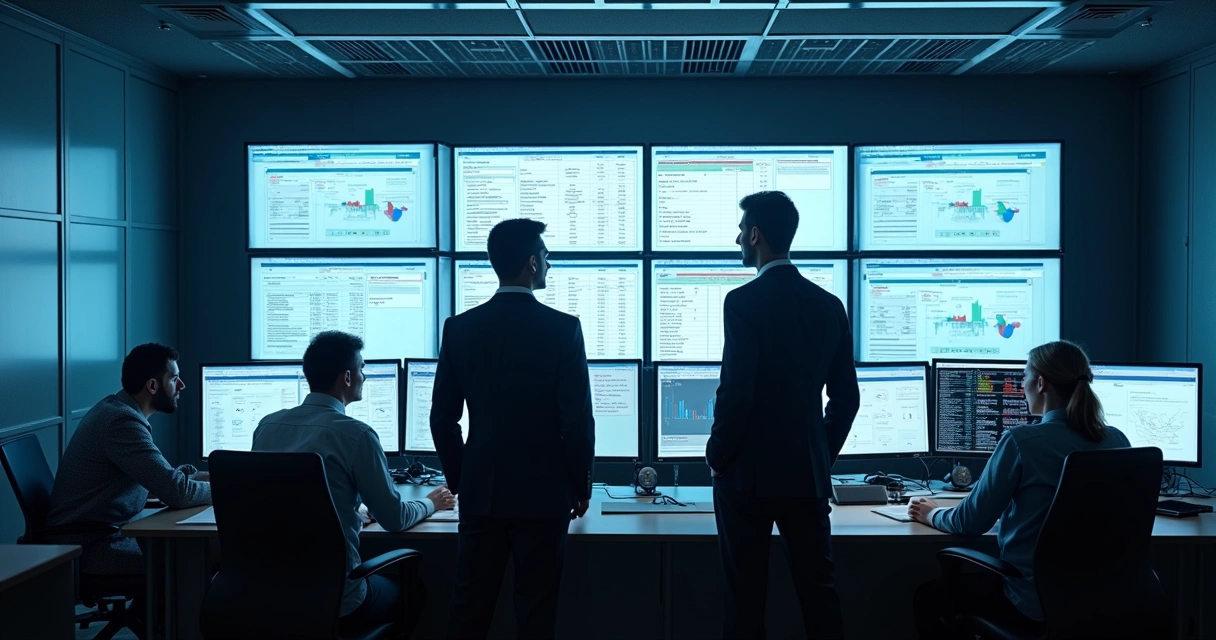
Today’s top operators bring discipline through strong governance frameworks. Automated verification of compliance, real-time risk maps, and integrated end-of-day reports drive not just reporting, but decision quality. A company with incomplete data or fragmented internal systems is unable to see hidden exposures or act before problems compound. As explored in our summary of common hedge errors and how to avoid them, robust systems do more than avoid regulatory penalties—they create a foundation for long-term resilience.
Adopting a platform like UHEDGE’s digital treasury is not a one-time fix but a new approach. Instead of piecemeal spreadsheets and delayed reaction, the solution focuses on centralized data, real-time risk calculations, and instant policy checks. That means tomorrow’s risk is managed today, as strategies evolve in response to live market signals.
Well-managed risk also means resources are free to invest—whether in new capacity, supply chain improvements, or product innovation—rather than wasted on firefighting and loss recovery. As independent studies show, hedge discipline and education directly increase how much of their production commodity firms protect, especially in volatile periods (producers who trained in futures and options hedge more).
Conclusion
Commodity risk management is now a blend of data science, market expertise, and powerful technology. Real gains are found not just by reacting to change, but by anticipating and shaping it with discipline and precision. UHEDGE exists to support exactly this journey: empowering companies to move from risk and uncertainty to opportunity, visibility, and stronger financial results.
Ready to shift your operations from reactive to proactive? Open a path to smarter results and stronger resilience. Reach out for a consultation and see how UHEDGE’s digital treasury and quantitative tools can support your business goals today.
Frequently asked questions
What is risk management in commodity trading?
Risk management in commodity trading is the process of identifying, measuring, and controlling market, price, currency, regulatory, and operational uncertainties that can impact a company’s profitability. By using tools like futures, options, and centralized analytics, companies shape their exposures and protect themselves from market shocks.
How can I minimize risks when trading commodities?
To minimize risks, companies should use strategies such as structured hedging (with futures and options), diversification, real-time analytics, and technology-driven solutions like digital treasury platforms. Incorporating scenario modeling and clear governance rules also reinforces consistency and confidence in commercial decisions.
What are common risks in commodity trading?
Common risks in commodity trading include price volatility, market and liquidity shocks, unexpected currency shifts, regulatory changes, and operational failures. Each requires a targeted approach, from contract design to robust real-time monitoring and data integration.
Is commodity trading risk management worth it?
Yes. Case studies and quantitative research show that firms with disciplined, technology-supported risk management achieve more stable cash flows, improved margins, and better long-term results—turning risk from a cost center into an opportunity generator.
What tools help manage commodity trading risks?
Modern risk control relies on specialized digital platforms, such as those built by UHEDGE, bringing together AI, quantitative models, comprehensive reporting, and centralized risk calculation. These tools deliver instant visibility, data integrity, and help companies enforce discipline across positions and strategies.