Imagine a world in which every dollar a business saves on risk management goes straight to its bottom line. For agribusiness, energy, and industry, this vision is often clouded by unseen pitfalls. Identifying the warning signs of a weak hedge strategy early can mean the difference between protecting profits and watching margins erode. Below, this article explores how the signs of trouble manifest, what they mean, and how UHEDGE’s intelligent solutions shine a light on pathways to measurable improvement.
Mounting mark to market losses
Not all hedge portfolios are created equal. A striking sign of weakness emerges when mark to market (MTM) losses grow persistently. In agribusiness, for instance, a sudden commodity price swing—like a sharp fall in coffee or corn prices—can reveal cracks in the hedge design if losses consistently exceed expected thresholds. It isn’t merely volatility; it is the failure of the system to anticipate or absorb these shifts.
The Journal of Financial and Quantitative Analysis points out that, particularly under supply and demand uncertainty, some option-based and dynamic hedging tactics underperform, resulting often in greater-than-expected losses and exposing businesses to risks they thought were neutralized (research on commodity price risk).
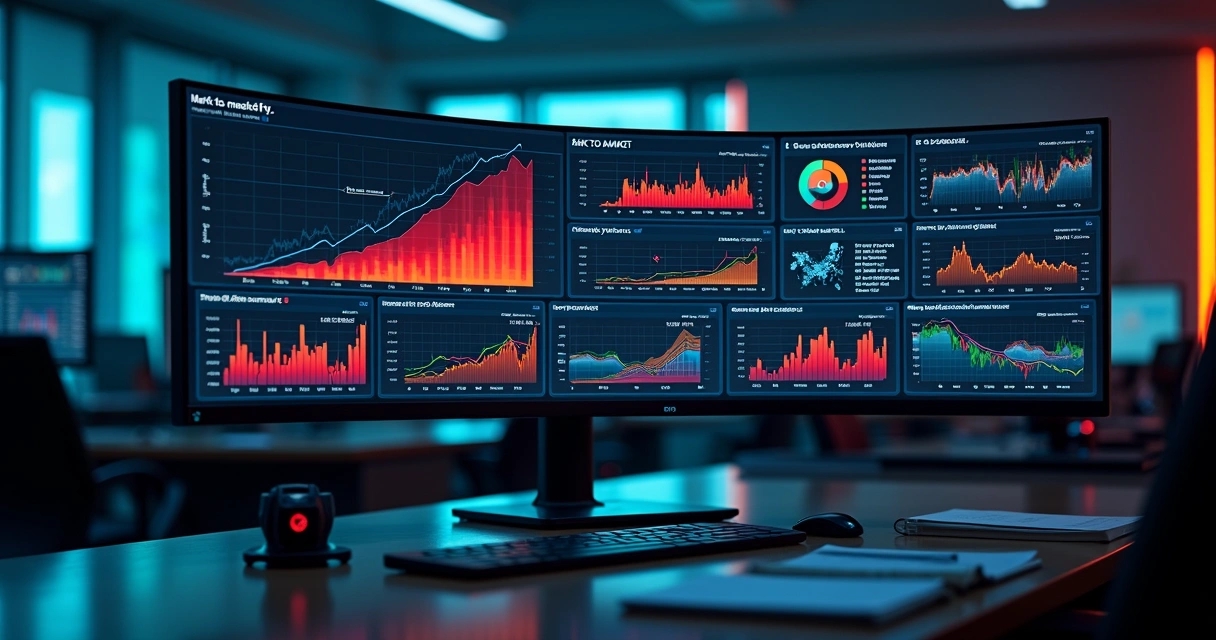
UHEDGE empowers clients with real-time position monitoring. This means negative trends do not catch decision makers off-guard. Position evolution, MTM, and portfolio performance are visible the moment the market moves, allowing businesses to act before the pain accumulates.

Risk exposure keeps growing despite the hedge
It is unsettling when risk exposures—measured in delta, vega, or simple scenario analyses—rise month after month, even while hedging programs are supposedly active. This symptom reveals a flaw: the strategy either lags behind commercial flows or is misaligned with physical or financial commitments.
In energy and metals sectors, firms hedging against FX or commodities sometimes see their risk gap widen due to poor liquidity management or trades that don’t directly mirror actual exposure. Without centralized oversight, risk limits can be crossed and shortfalls go unnoticed—until losses bite in earnest.
UHEDGE addresses this directly through a unified management environment, aggregating FX, interest rates, and commodity operations. The result? Companies achieve full transparency and maintain discipline even when the number of trades or exposures multiplies rapidly.
Declining hedge effectiveness ratios
A hedge that doesn’t work is worse than no hedge at all. Effectiveness ratios, such as the percentage of risk reduction achieved compared to an unhedged scenario, are not just technical measures—they are red flags. When these ratios slip, it means financial protections are no longer functioning as expected. A study from Purdue University’s Center for Commercial Agriculture found that profits in the sector have narrowed, reinforcing the need for continuous, quantitative assessment to protect what remains (profit margin study by Purdue University).
- In FX, a mismatch between underlying exposure and hedge notional erodes ratio performance.
- In commodities, a poorly timed futures position might amplify swings instead of dampening them.
- For interest rates, static swaps might underperform if commercial flows shift after the hedge is implemented.
UHEDGE’s analytics suite doesn’t just reveal these issues after the fact. It predicts and recalculates effectiveness continuously using AI-driven models to prevent surprises and anchor strategies in real data.
Portfolio misalignment
When the hedge no longer fits the business, portfolio drift quietly erodes value.
Portfolio misalignment creeps in as market conditions change while hedge strategies stay frozen. In agribusiness, a surging export opportunity, or in energy, a sudden drop in global demand, can leave static positions exposed. Alignment means reassessing goals, financial constraints, and risk tolerance—again and again.
Through UHEDGE’s onboarding and regular review process, each client's financial objectives and constraints are deeply analyzed, ensuring every strategy remains closely connected to the real business environment, not outdated assumptions. When UHEDGE acts as an extension of its clients’ treasury, portfolio oversight is active, not passive.

Inconsistent or delayed reporting from digital treasury tools
Timely, reliable information is the backbone of modern hedge management. If treasury systems generate inconsistent reports, or if automated risk alerts are missed, risk can accumulate in the shadows. Incomplete end-of-day positions or gaps in exposure updates directly impact decision quality and can lead to avoidable regulatory issues.
- Real-time visibility prevents cash flow surprises and strengthens confidence in reporting frameworks.
- Automated end-of-day reports give clients an immediate grasp of both successes and danger zones.
UHEDGE’s digital treasury aggregates all operations—physical and financial—in a seamless environment, supporting detailed, automated monitoring and providing a foundation for real-time decision-making. Companies experience a shift from reactive to proactive risk management, seeing ahead rather than behind.
Acting with discipline: Modernizing hedge management
The signs highlighted above are not just academic concerns. Research has shown that without advanced models and ongoing quantitative analytics, simple hedges can easily fail, causing more harm than good. Companies intent on creating value are turning to centralized solutions and AI-powered decision support like those delivered by UHEDGE.
With tools like trading-oriented calculators, algorithmic access to derivatives, real-time analytics for portfolios, and a culture of strategic agility, businesses secure not just short-term gains, but sustained protection across cycles. For detailed best practices on hedge indicators and practical defense, explore this post on hedge efficiency indicators and a guide to common hedge mistakes.
A strong starting point is acknowledging the need for transparent, consistent, and technologically advanced systems such as those found within the UHEDGE ecosystem.
It’s time to act: Bringing hedge management up to standard
The market continues moving. Risks evolve. Companies that recognize the early symptoms of failing hedges—and respond with AI-driven platforms and precise quantitative analytics—are poised to grow, even in the face of volatility.
UHEDGE delivers this leap for organizations, offering not just software but a next-generation risk partnership with deep expertise, technology, and business alignment.
See how aligned risk management can transform your treasury, and ensure you never miss the next warning sign or market opportunity. Consult UHEDGE’s full set of risk management resources or request a tailored digital treasury demonstration to see the change in action.
Frequently asked questions
What are common signs of failing hedges?
Frequent indicators include increased mark to market losses, mounting risk exposure despite active hedges, declining hedge effectiveness ratios, clear portfolio misalignment with business objectives or exposures, and irregular or delayed performance reporting from digital treasury systems. Each issue can be quantified and identified through rigorous data analysis and real-time monitoring.
How can I fix unhealthy hedge growth?
Improving hedge health starts by reassessing the underlying exposures, ensuring that risk parameters are reviewed and recalibrated according to actual needs, and upgrading to digital solutions that offer centralized oversight and quantitative analytics. Embracing AI-driven models and proactive review help keep hedge strategies robust.
Is it worth it to replace a dying hedge?
If a hedge is failing to protect the business or consistently underperforms, replacing or restructuring it is usually wise. The cost of an inadequate hedge can outweigh the expense of realignment, especially with the transparency and insight provided by advanced hedge management platforms.
How often should I check my hedge health?
Regular, automated monitoring is best. Real-time systems enable continuous oversight, but at a minimum, hedges should be reviewed in detail at least monthly or whenever significant market, commercial, or regulatory events occur. Proactive monitoring prevents small problems from escalating.
What causes hedges to deteriorate quickly?
Rapid hedge deterioration can result from poor alignment with underlying risks, inaccurate or outdated exposure data, lack of real-time monitoring, or relying on strategies that do not adapt as business conditions change. Advancing to integrated, data-driven treasury systems helps prevent and detect these issues early, ensuring sustained value.