
When market swings become headlines and spreadsheet errors drain more than just nerves, the real risk often lies in what is not seen. Automated hedge execution was meant to solve this, but, as every seasoned CFO knows, even automation can stumble if not governed correctly. This article unpacks how digital treasury platforms reduce exposure to operational slip-ups, outlining practical controls and features that keep trading desks, especially in the agroindustry, from learning lessons the hard way.
Understanding the invisible cost of mistakes
In traditional practices, hedging errors are not just miscalculations. They are misalignments: between trades and strategy, risk and oversight, systems and human limits. Left unchecked, they snowball, unhedged positions, over-hedged portfolios, or delayed actions can dent financial results for quarters. As seen in market case studies, even one misguided trade in commodities can undo months of careful risk planning.
Small mistakes in automation do not stay small for long.
Manual processes or basic spreadsheets, common in many internal risk management functions, often lack the rigor to catch misconfigured trades or missing authorization. When managing exposure across FX, interest rates, and commodities, the cost of missed signals or late reporting quickly compounds.
How digital treasury controls prevent operational errors
Digital treasury software, such as solutions offered by Uhedge, are designed to address the three most common pain points in hedge execution: fragmented oversight, lack of audit trails, and absence of real-time visibility.
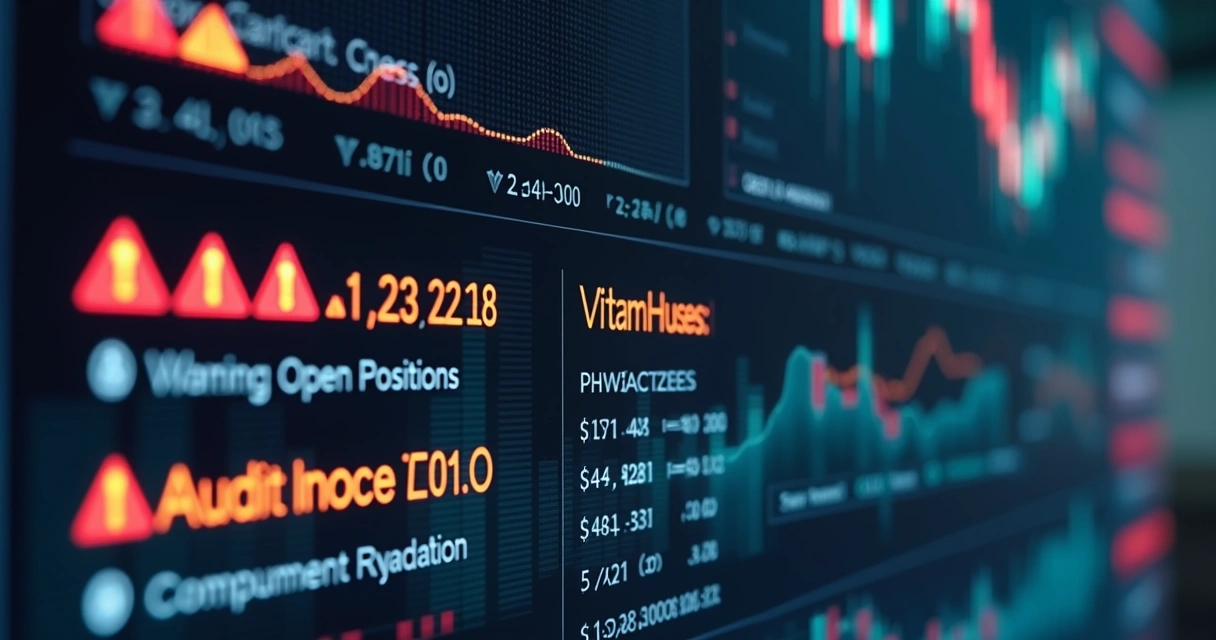
- Unified dashboards aggregate all trades and exposures, letting CFOs see and act across markets at a glance.
- Automated audit trails log every action. So, whenever a hedge is executed, modified, or closed, all steps are tracked for later review, no more “who did what and why” mysteries.
- Approval workflows enforce discipline. Transactions do not get booked until required authorizations are provided, reducing the risk of rogue or mistaken orders slipping through.
- Real-time pricing and mark-to-market calculations ensure exposures reflect market reality, not yesterday’s spreadsheet assumptions.
- AI-driven risk recommendations adapt strategies to evolving market conditions and client profiles, helping companies avoid outdated plans that may no longer match their risk appetite.

In sum, systematic controls in treasury applications take human forgetfulness out of the equation. Uhedge’s risk management platform, for example, integrates these controls across all assets and portfolios, providing governance that basic tools cannot offer.
Beyond automation: Discipline and governance in hedge execution
The discipline provided by digital platforms stems not only from automation, but from rigor in process design. Every exposure, whether in agricultural commodities or global currencies, is monitored for compliance, timing, and alignment with company-specific risk models.
While manual processes might skip oversight when teams are stretched thin, treasury systems standardize workflows:
- Automated alerts notify teams if exposures drift outside set policy limits or if key market variables cross danger thresholds.
- Governance reports are generated daily, comparing all positions and strategies against internal guidelines and external regulations.
- System-enforced segregation of duties ensures that the person setting up a hedge cannot also approve and execute the same order. This reduces the risk of fraud or honest mistakes passing unnoticed.
Such controls mean that errors are caught and corrected early, often before capital is put at risk. For agricultural businesses facing volatile prices, this level of oversight could mean the difference between a buffered balance sheet and an unexpected loss.
Practical features that protect against execution mistakes
Error prevention is not just about alerts, it’s about actionable insights. Uhedge’s system, for instance, includes several practical features tailored for the agroindustry and other sectors with complex market exposure:
- Comprehensive audit logs: Every transaction, from initial set-up to final allocation, is time-stamped and recorded. If discrepancies arise, reviewing the exact sequence helps pinpoint process breakdowns.
- Automatic end-of-day (EOD) reports: These highlight performance, show mark-to-market values, and flag unusual position changes, prompting further review if numbers deviate from forecasts.
- Advanced scenario analysis: Users can simulate various market shocks (currency swings, commodity slumps) to test how current hedge strategies would behave, identifying fragile points before real damage occurs.
- Portfolio-level risk maps: These visual tools show where exposures concentrate and how potential errors could propagate across assets or subsidiaries.
The risk of fragmented workflows for agroindustry CFOs
Agroindustry faces specific hazards: market volatility, seasonality, and wide-ranging exposures. When hedge execution is spread across emails, spreadsheets, and disconnected trading platforms, several risks grow:
- Failure to hedge critical exposures promptly
- Duplicate or conflicting trades entered via different channels
- Loss of compliance documentation, vital in regulated markets
A single integrated treasury solution aggregates physical and financial instruments, showing real-time P&L, Greeks (Delta, Gamma, Vega, Theta), and other risk metrics on one screen. According to Uhedge’s experience, this level of consolidation brings consistency and discipline that fragmented processes rarely match.
Learning from common mistakes: Real-world lessons
Case studies and real client experiences show that costly errors often arise from:
- Poorly defined risk profiles, leading to strategies that don’t fit the company’s goals
- Missed margin calls, creating cash flow shocks at the worst possible moment
- Uncoordinated execution where pricing, timing, and approvals fall out of sync
- Lack of timely monitoring, causing exposure to build up undetected
Uhedge’s onboarding process is noted for its deep-dive diagnosis: every client’s objective, tolerance, and liquidity needs are mapped before a single trade is executed. This reduces the odds of setting up a hedge that later proves mismatched to real financial requirements.
What systematic automation can, and can’t, prevent
No system is infallible. However, automated risk controls reduce incidents caused by oversight, unclear responsibilities, or misapplied policies. When paired with a culture of ongoing training and transparent reporting, digital treasury management reduces operational risk to a manageable minimum.
Still, automation cannot replace judgement. The most reliable defense against hedge errors is rigorous process, built on data, disciplined review, and the willingness to investigate each exception report, not to click “approve” and move on.
For those ready to step up their hedge discipline
In today’s unpredictable markets, especially for companies with exposure to commodities, digital treasury platforms provide a second set of eyes, catching problems early and anchoring compliance. Uhedge’s risk science and AI platform fit this need by combining quantitative rigor with controls that make costly mistakes rare rather than routine.
Those interested in learning from practical cases of commodity hedging errors and strategies that have worked can discover detailed examples and how to avoid pitfalls with further reading at the Uhedge article on commodity hedge errors, and explore other educational articles on hedging strategies and practical protection in volatile markets. Additional resources on risk management and derivatives are also available in the categories of risk management and derivatives.
To see how Uhedge’s methodologies can give your company the peace of mind that comes with disciplined risk management, consider requesting a strategic diagnosis and see for yourself how operational errors can become a thing of the past.
Frequently asked questions
What are common errors in hedge execution?
Hedge execution errors often arise from fragmented oversight, manual input mistakes, missed approval steps, and misaligned strategies. Other frequent causes include duplicate trades, untimely execution, lack of documentation, and failing to monitor exposures in real time. Employing a unified risk and trading system can substantially reduce these risk factors by embedding controls into every step of the process.
How to prevent mistakes in automated hedging?
The most effective way is to use a digital treasury solution with embedded controls: automated alerts, audit trails, approval workflows, and real-time exposure monitoring. These ensure that discrepancies are caught quickly, all transactions are reviewed and logged, and all actions align with the firm’s risk profile and strategy.
Why do hedge execution errors happen?
These mistakes usually occur due to lack of oversight, unclear workflows, poor segregation of duties, and the absence of real-time data. Manual processes, disconnected systems, and insufficient staff training further raise the risk. Automated treasury management systems reduce these root causes by enforcing discipline and transparency in every transaction.
What tools help reduce hedge errors?
Tools such as integrated treasury dashboards, automated approval workflows, audit trail functions, and real-time risk analytics all help reduce the likelihood of operational mishaps. Platforms that consolidate portfolio monitoring, scenario analysis, and compliance reporting on a single interface are especially effective.
How to fix errors in hedge strategies?
Addressing errors starts by identifying the root cause using audit logs and monitoring reports. Re-align hedging actions with established policies, communicate promptly with all stakeholders, and use scenario analysis to stress-test adjustments. For ongoing resilience, review and refine workflows and consider further automation to minimize future risks.
Ready to see how digital rigor and market intelligence can protect your company from costly mistakes in hedge execution? Meet Uhedge and discover a new standard for safe, disciplined risk management.