The commercial real estate landscape, commodity trading, and finance-driven enterprises have always pursued certainty where there is volatility. At the heart of this pursuit lies technological transformation—manifested, for the best-prepared firms, in powerful management systems capable of handling risk, compliance, and complex operations in a single unified digital platform. The evolution of property management systems (PMS software) is driving this change, transforming what was once fragmented, static, and opaque into something clear, data-driven, and responsive to modern business needs.
Defining property management systems for today’s business needs
A PMS for the modern enterprise is not just a digital ledger or booking tool—it is a unified operational brain, bringing together real-time data, risk controls, and actionable recommendations. For businesses active in commercial properties, commodities, or financial instruments, these platforms have become the bridge between day-to-day operations and sophisticated treasury or risk management objectives.
Historically, many organizations relied on on-premises solutions: hard-wired, difficult to update, narrowly focused, and siloed. Cloud-based platforms have turned this approach on its head. Today’s cloud-native systems enable seamless access, mobile management, and rapid integration with a range of financial, trading, and compliance modules.
A single cloud dashboard changes daily uncertainty into actionable intelligence.
The shift from on-premises to cloud-based platforms
The leap to cloud infrastructure isn’t only about accessibility. Businesses gain almost instant advantages:
- Unified management of assets, contracts, and risks across locations and portfolios
- Live feeds of market prices, interest rates, and commodity values
- Scalability to match changing operations or market cycles
- Automatic system updates—removing the burden of manual upgrades
- Integration with external data, banking, and trading systems
In enterprises exposed to complex market risks, like those managed by Uhedge and its clients, cloud PMS applications ensure not only agility but also full real-time compliance monitoring and risk governance.
Key features for commercial real estate and finance-intensive operations
Modern PMS tools look beyond simple booking or lease management. Their range of features covers both core operational tasks and advanced analytics.
Booking management and workflow automation
Commercial property owners face relentless demand for transparency in bookings, renewals, and contract management. Vendors serving commodity storage, logistics, or finance-heavy complexes expand these needs—tracking positions, trade flows, collateral, and settlements.
Automated workflows reduce manual intervention. For example, Uhedge’s digital treasury environment automates the end-of-day posting, risk calculations, and even compliance checks, dramatically reducing error rates and freeing staff to focus on higher-value tasks.
Dynamic pricing and revenue management
The days of static price tables have ended for many markets. PMS solutions now harness real-time market data and predictive algorithms, supporting:
- Automated rent or contract indexing against market or inflation benchmarks
- Demand-based pricing for parking, storage, or third-party logistics
- Commodity-linked storage and handling fees, updated as futures curves shift
- Custom rules for discounting and renewals, based on risk appetite
Dynamic pricing, powered by live data and AI, gives asset managers a genuine edge in volatile markets.
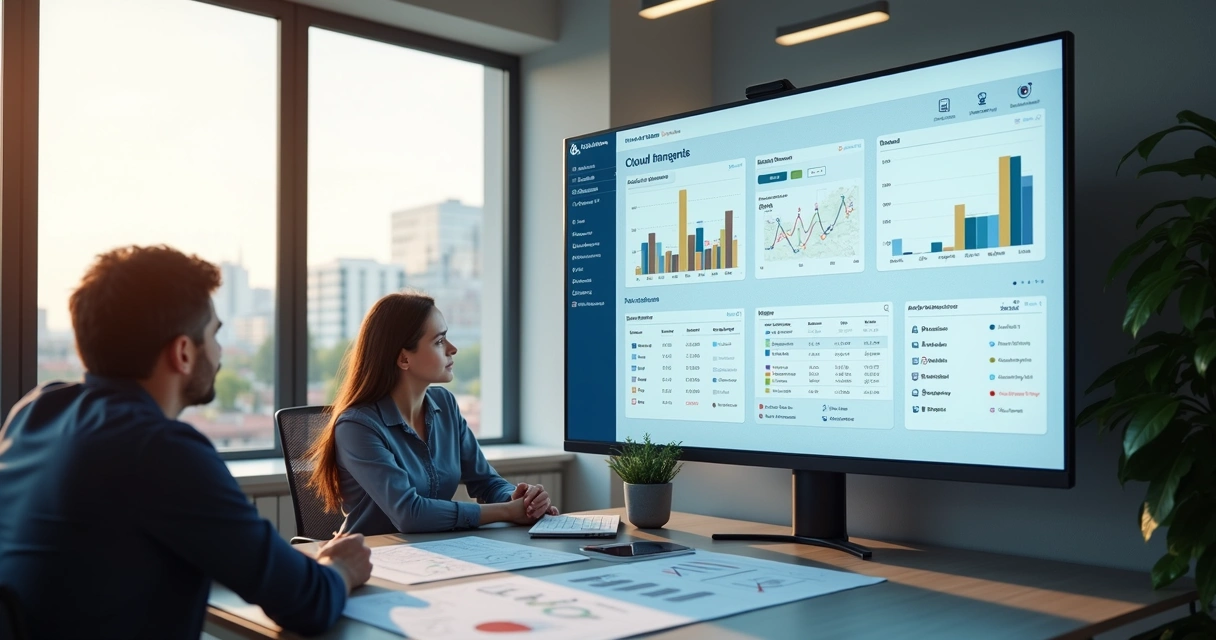
Unifying dashboards and actionable user experiences
Unified dashboards are a hallmark of modern PMS design, especially for organizations that touch property, trading, and risk in a single workflow. Such dashboards aggregate financial, operational, and compliance data in context:
- Live visualization of exposure and positions across currency, interest rates, and commodities
- Real-time P&L tracking, including automatic attribution to specific contracts, counterparties, or strategies
- Risk maps that highlight potential vulnerabilities under market shocks
- Immediate anomaly alerts, such as unexpected variance from budget
User experience is not just about aesthetics. Intuitive, role-specific interfaces cut confusion and speed up decision cycles.
What matters most: seeing and acting, not just collecting data.
AI-driven recommendations for risk and portfolio management
In high-stakes trading or commodity management, static reports are soon outdated. PMS platforms that incorporate proprietary AI—like the Uhedge software suite—digest live feeds, historical trends, and client-specific objectives to:
- Suggest optimal hedging or booking strategies based on current risk, volatility, and timeframes
- Recalibrate suggestions as market conditions shift in real time
- Automate routine trading or treasury actions, guided by risk rules
Automated recommendations reduce human error and equip decision-makers to respond instantly to opportunity or risk.
By deploying advanced statistical and quantitative models, these platforms can forecast risk-adjusted returns and ensure robust mitigation responses.
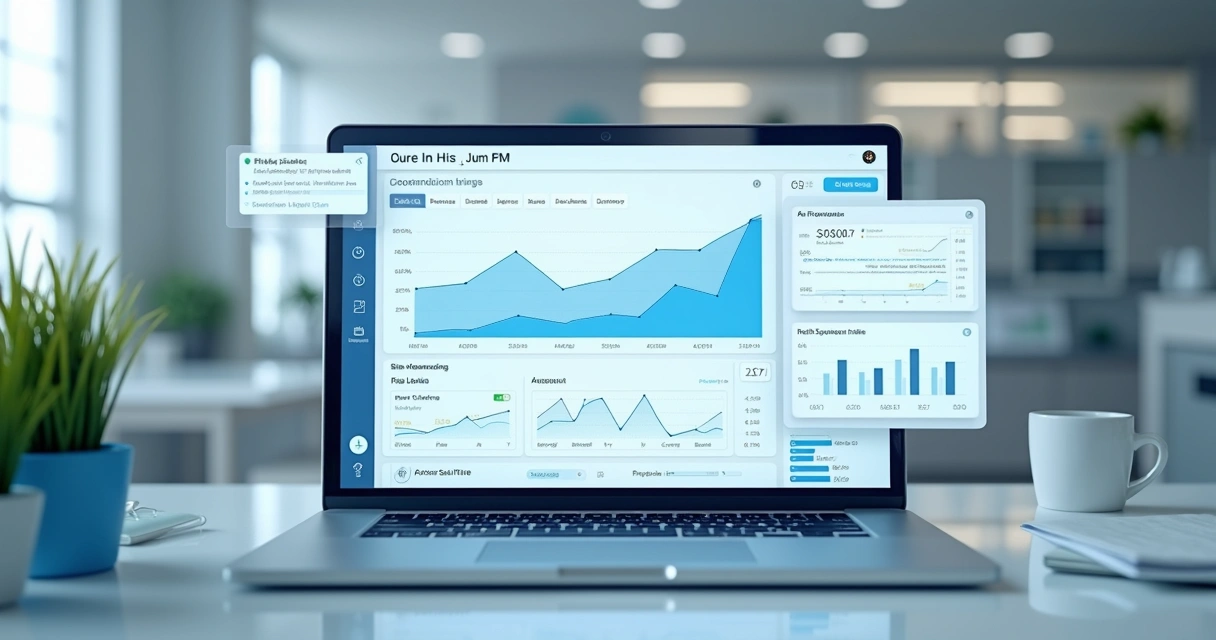
Integrations supporting trading and risk management
Where PMS solutions truly shine for finance and commodity-driven businesses is their ability to integrate all facets of trading, risk, and treasury under one roof. In Uhedge’s case, the PMS doubles as a digital treasury, connecting booking data with risk analytics, derivative pricing, and compliance checks:
- Links with back-end accounting, banking, and payment systems for frictionless settlements
- Real-time market data pipelines fuel derivative pricing and mark-to-market valuation
- Direct lines to risk-monitoring modules, supporting continuous compliance
- Automated generation of regulatory and board reports (end-of-day, consolidated exposure, etc.)
Connectivity turns a PMS from a record-keeper into the strategic brain of enterprise risk management.
How PMS software boosts compliance and real-time decision-making
For companies with capital at risk—from property lessors to commodity traders—regulatory pressures can spur significant stress. The best PMS platforms embed compliance into every workflow step:
- Audit trails for all actions, time-stamped and user-attributed
- Rule engines enforce internal policy and external regulation (e.g., CVM, IFRS)
- Dashboards reporting on compliance gaps or pending actions
- Automated documentation and digital signatures to speed reviews
Add in real-time operational and market data, and teams are not only more confident about audits—they are more proactive in spotting trends and taking action ahead of the curve.
Decisions made in real time can yield results that aren’t just better—they’re fundamentally different.
The impact of real-time P&L attribution and risk mapping
Traditional systems frequently left risk managers guessing why profits or losses occurred. PMS solutions that attribute P&L in real time, breaking it down by strategy, counterparty, or even unexpected variances, have fundamentally changed the ability to react and correct.
- Clear insight into the drivers of performance
- Better scenario planning
- The power to take immediate corrective action instead of end-of-period adjustments
Risk mapping—generating visual representations of portfolio sensitivity to specific market events—completes the picture, letting risk professionals focus their attention precisely where it’s needed most.
Uhedge brings this vision to reality for its clients with integrated dashboards that illustrate market impacts, highlight volatility-driven shifts, and document risk exposures live.

Tailored user experiences and treasury connectivity
Even the most sophisticated system is only as good as its usability. Customizable interfaces and dashboards let finance, operations, and compliance teams see what matters to their roles—reducing overload and improving clarity.
For commodity and finance-sector clients, the bridge between PMS and treasury workflows brings a unique strategic advantage. Instead of relying on disjointed excel models and emails, everything from liquidity optimization, margin call handling, and scenario analysis flows directly from the core PMS engine, ensuring every action is based on up-to-date, precise data.
Selection criteria: How to choose a PMS for finance and commodity-driven enterprises
Not all PMS platforms are built equal. When selecting a solution, especially for businesses with high-value assets and market exposures, several best practices stand out:
- Unification: Must aggregate all relevant operations—property, contracts, finance, trading—in one place.
- Real-time capabilities: Should support live updates, alerts, and monitoring.
- Integration: Needs direct data flows with market, accounting, and compliance systems.
- Automation: Capable of automating routine, error-prone processes.
- Customizability: Should allow tailored dashboards and workflows according to user needs.
- AI and analytics: Embeds advanced algorithms for recommendations and foresight, not only historical reporting.
- Regulatory readiness: Built-in support for audit trails, policy enforcement, and reporting standards.
- Transparent pricing: No hidden costs, align incentives with the client’s outcomes.
Choosing a PMS is a strategic decision that shapes future profitability, control, and growth prospects.
Clients of Uhedge benefit from these best practices, with solutions rooted in scientific rigor, AI-driven insight, and business alignment.
Implementation best practices for PMS integration
Deploying a PMS system—especially one connected to trading and risk—requires not just technical expertise, but also an understanding of company culture and workflow. Implementation should follow key steps:
- Strategic diagnosis: Start with a clear mapping of pain points, business processes, and market exposures
- Stakeholder engagement: Involve end-users and decision-makers to align requirements and foster adoption
- Data readiness: Clean, migrate, and structure data for seamless transition
- Training and onboarding: Empower teams to understand and maximize the new tool
- Continuous improvement: Monitor performance, adapt logic, and extend integrations as needs evolve
A phased rollout and active change management reduce friction, ensuring technology becomes a true business partner rather than a static tool on the shelf.
For more insight into new integrations and breaking trends in the financial markets, the market updates section of the Uhedge blog offers ongoing analysis.
Conclusion: The strategic value of PMS for today’s risk-exposed businesses
The evolution in PMS software reflects a broader story—one where the smartest enterprises blend technology, data, and specialist insight to turn uncertainty into opportunity. For commercial property managers, commodity operators, and finance teams, opting for a cloud, AI-enabled, and fully integrated management system is not just a technical upgrade, but a step towards better margins, safer operations, and greater confidence in every decision.
To discover how your property, trading, or finance operation can thrive in the age of digital risk management, consider experiencing a dedicated demo or connecting with the expert team at Uhedge. Visit the knowledge base or log in to the client portal for tailored insights. The future is real-time, and the advantage belongs to those who act now.
Frequently asked questions
What is property management software?
Property management software, also known as PMS, is a digital platform used by businesses to handle all aspects of property operations—ranging from booking and contract management to financial analytics, compliance monitoring, and risk assessment. For commercial real estate, commodity, and finance-driven enterprises, it connects the dots between daily activity and strategic decision-making by integrating live market data, workflow automation, and reporting tools.
How does PMS software improve efficiency?
The main benefit lies in automation and integration. PMS platforms reduce manual work by automating routine processes like end-of-day reconciliation, price updates, and risk calculations. Live dashboards and AI-powered suggestions enable faster, data-driven decisions, while integration with accounting and trading systems eliminates data silos and lowers error rates.
Is PMS software worth the investment?
A modern PMS platform is an investment in control, compliance, and future profitability. Its value is found in real-time insights, accurate risk management, transparent reporting, and the ability to adapt quickly to market changes. Those who implement PMS proficiency often realize reduced costs, increased margins, and fewer operational surprises.
How much does modern PMS software cost?
Software pricing varies based on features, user numbers, and integration needs. Many cloud-native solutions use subscription pricing aligned with portfolio or transaction size. For high-value asset managers or complex trading firms, the return on investment is usually driven by the margin and cost savings captured over time, rather than simple upfront fees.
Where to find the best PMS solutions?
Leading platforms tailored to finance, commodity, and real estate professionals combine technological innovation with expert advisory. Uhedge offers both digital treasury tools and portfolio management with deep quantitative rigor and alignment with client success. For in-depth articles and sector analysis, the Uhedge blog provides a valuable entry point for decision-makers.