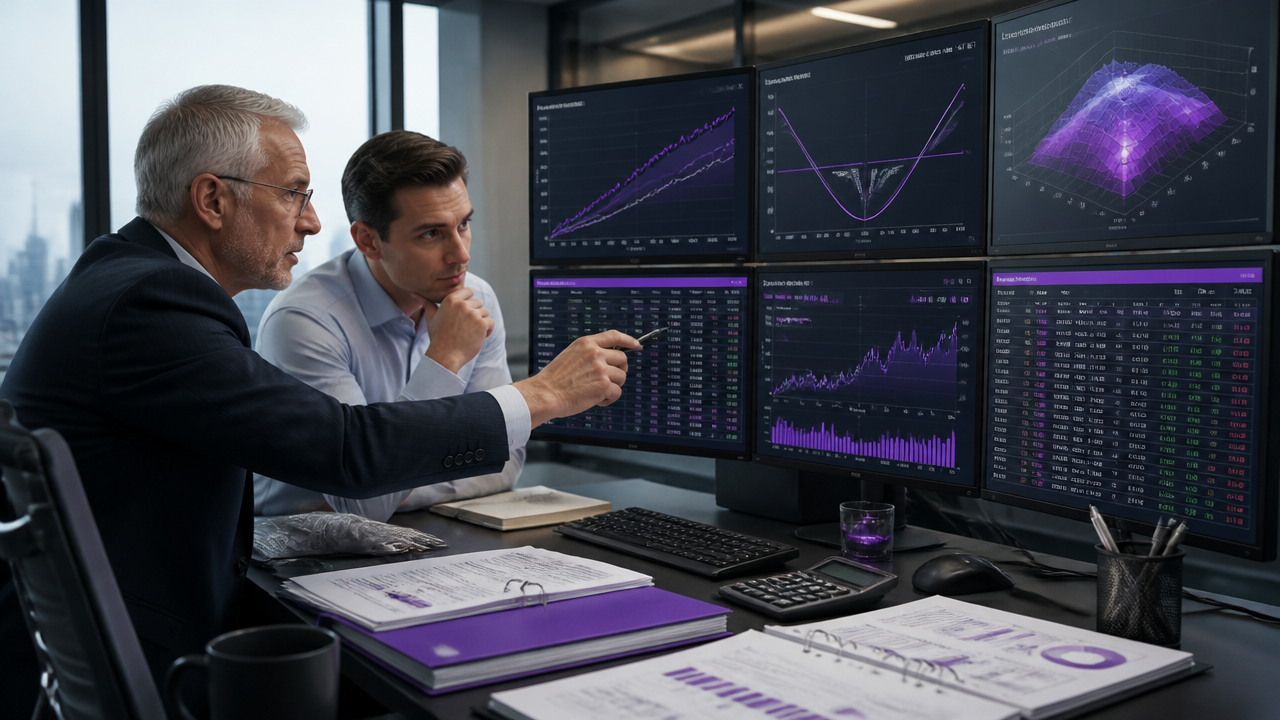
Strong winds sweep through the agricultural markets. Grain traders, coffee cooperatives, sugar mills, and biofuel producers all ride the rough waves of price volatility, foreign exchange swings, and regulatory change. Decision-makers ask: How can a business gain control when prices, rates, and risks will not stand still for even a moment?
Behind the headlines, an answer grows clear. Modern hedge management systems bring mathematics and technology together to give commodity-driven businesses a fighting chance. They unite risk and opportunity, organization and discipline, all within a single digital environment.
This article explains, in plain language, how these platforms shape the future of risk management in real-world commodity businesses and how solutions like those from Uhedge turn complexity into managed, measurable results.
Commodity risk: What’s at stake?
Commodity markets are famously unpredictable. Weather, political risk, logistics bottlenecks, shifting demand—each can swing the fortune of an agribusiness overnight. Managing risk is not just about “business insurance” but about turning chaos into something close to certainty, at least in financial terms.
Today’s commodity businesses rarely handle just one risk. They face a latticework:
- Spot and forward prices of physical commodities
- Basis risk—the gap between a local cash market and international benchmarks
- Foreign exchange rates (especially typical for USD/BRL, EUR/USD, and similar pairs relevant for global trading)
- Interest rates (Selic, FOMC, Copom) that shape funding and carry costs
- Ability to hedge with derivatives, from vanilla futures to OTC exotic structures
- Regulatory obligations, including formal hedge accounting (IFRS 9, CPC 38) and audit trails
Caught between these risks, businesses either build their own approach—for example, using spreadsheets and manual broker statements—or turn to modern software.
Why classic spreadsheets are not enough
Some agri-traders, fuel blenders, or food companies still track exposure with legacy workflows. Multiple spreadsheets, scattered emails, and local ERP add-ons erase the big picture—each department sees only a slice of the risk. In today’s high-speed markets, fragmented visibility breeds both missed opportunities and real financial pain. Projects with Uhedge have shown that a unified, auditable platform not only improves discipline but directly impacts the bottom line by making real-time risk monitoring and decision-making possible.
“Decision-making backed by math, not just gut feel.”
Studies by the USDA Economic Research Service highlight the structural shift in U.S. farms, where formal risk management tools (including market-based hedges and crop insurance) have become mainstream over the last two decades. More than 60% of U.S. farms now carry some crop insurance, proving that scale and formality in risk control make an economic difference for the entire sector [ERS data portal] .
Modern hedge management: Unifying risk in practice
A hedge management system like Uhedge is fundamentally different. It builds a virtual control room, where every kind of risk—physical, financial, regulatory—is tracked and addressed. Picture a grain producer or a coffee exporter. Rather than having risk scattered across files, a modern platform centralizes these exposures, allowing precise measurement and prompt intervention.
All risks, one disciplined environment.
These are the key ways the new generation of risk platforms reshape the game:
- Automated data collection and order management: Every trade, hedge, and exposure feeds into the same system, in real time.
- Order and trade execution: From physical contracts to derivative execution (futures, options, swaps, exotics), everything is tracked, timestamped, and associated with the right exposure.
- Valuation and mark-to-market: The system recalculates derivative P&L daily, reflecting changes to market value and exposing risks as they develop.
- Integration with ERPs and price feeds: Market prices, from global futures to local indices, are fed directly into the risk analytics engine, cutting manual delays and reconciling differences. This builds the backbone for visibility and effective reporting.
- Complete hedge accounting and compliance: Modern systems create documentation for every hedge relationship, support effectiveness testing (such as Dollar-Offset Ratio), and auto-generate reports for IFRS 9 and CPC 38, which is crucial for audit and financial statement alignment.
From vanilla to exotic: Managing all derivatives
The scope of hedging tools is wide. Vanilla futures and options remain fundamental, but many businesses now use complex, tailor-made (exotic) contracts. Accumulators, fences, Asians, and OTC replications let a producer or buyer lock in prices, increase upside, or limit losses with higher precision.
A professional risk platform must control all these instruments:
- Automatic pricing engines for futures/options and “paper” contracts
- Full support for complex exotics—often with instant calculation or replication
- Modeling of Greeks (delta, gamma, vega, theta)
- Volatility surface analysis to gauge the real cost and risk across contracts
Everything from simple forwards to structured exotics, in one system.
Case in point: Agro supply chain, real numbers
Let’s imagine a cooperative managing grain sales. Each week, it receives offers in local currency, has dollar exposure for international contracts, faces rolling futures positions, and must report to its board and auditors. Here’s how systems like Uhedge organize the chaos:
- Maps every cash contract, futures position, and FX forward in a unified ledger
- Automatically matches derivatives with specific exposures, linking each to an “accounting relationship” for compliance with IFRS 9 hedge accounting, simplifying the reporting and audit process
- Applies real-time stress testing: What happens if USD/BRL jumps 10% or if the soybean-corn basis widens suddenly?
- Calculates parametric Value-at-Risk by risk factor, alerting managers to real threats instead of theoretical ones
- Gathers geolocated or multi-source price data, aligning the physical reality with derivative protection
One of the biggest improvements, noted by Uhedge clients, comes from instantly connecting physical and financial operations—for instance, combining engine data from plants with futures data and margin requirements. This bridges the “basis risk” gap, which is the difference between local physical prices and national or international reference futures. Practical advice on this theme can be found on their risk management blog.
Control and compliance: IFRS 9, CPC 38, and audit discipline
Once, commodity firms treated hedge accounting as a headache. Today, detailed regulation means compliance is not just good practice—it is a necessity. The IFRS 9 standards align risk management actions and accounting results so the financial statements reflect real exposure and real mitigation, not just accounting fiction. This approach requires documented hedge relationships, quantitative “effectiveness tests,” and clear links between derivative trades and physical positions.
Post-implementation reviews from the standard setters, such as the IASB announced for 2026, increase the focus on practical application and auditability. This is where risk systems shine. Features like automatic “designation” reports, Dollar-Offset Ratio calculations, and daily end-of-day valuation remove the manual burden for finance and audit teams.
Discipline: Mark-to-market, VaR, and basis intelligence
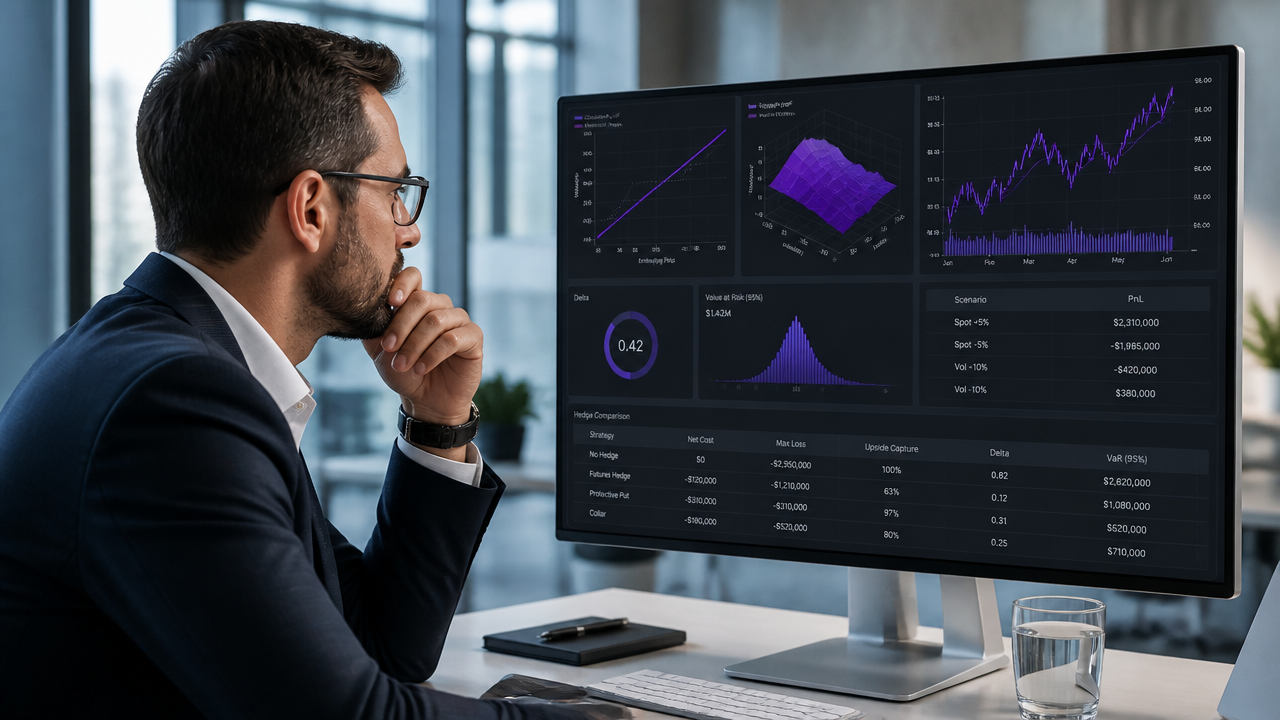
No hedge manager can rest on static spreadsheets. The modern environment requires daily, real-time mark-to-market (MTM). These systems provide dashboards that recalculate the value of every position as markets change. They answer, “How much am I making or losing now?” and “What is my risk if the market suddenly moves?”
- Parametric VaR (Value-at-Risk) measures financial exposure by risk factor, providing clear alerts.
- Scenario and stress testing simulate “what-if” moves in rates, FX, volatility, or basis, meaning managers are not surprised by sudden shocks.
- Basis analysis tools show not only outright risk but the risk of spreads and gaps between local and global prices—so decisions are aligned with actual exposure, not just notional trades.
The results are clear and measurable, as Uhedge experience illustrates. In detailed case studies with coffee and grain producers, proprietary AI-driven models produced recommendations that turned otherwise uncertain market environments into controlled, manageable exposures with consistent profit margins.
Bridging operational gaps: The role of integration
A truly effective hedge management system does more than automate calculations. Its value comes from connecting every part of a company’s financial environment:
- ERP integration: Trades booked in the hedge system match instantly with ERP records, eliminating manual reconciliations.
- Exchanges with broker statements: Automated feeds of executed trades confirm pricing and compliance in real-time.
- Multi-source price feeds: Data comes from exchanges, independent pricing agencies, and even IoT sensors from plants or elevators, giving an accurate market view.
- Full audit log and compliance reporting for stakeholders, boards, and auditors.
Uhedge: Turning science into business results
Uhedge was designed and brought to life by professionals who spent two decades managing risk at the highest level—at global banks, commodity merchants, and in the trenches of local agriculture. Its philosophy is simple: turn the complexity of global finance into a benefit for the business, not a barrier.
The platform acts as a digital treasury for clients, offering modules for pricing, OTC derivative structuring, mark-to-market, parametric VaR, basis risk visualization, and hedge accounting linkage. It covers everything from automatic recommendation and execution of optimal hedge methods (even across multiple markets) to disciplined, automated end-of-day reporting.
Clients—notably cooperatives, sugar mills, and agro-exporters—benefit by converting hidden costs (bank spreads, opaque commissions) into direct margin, with some experiencing up to a 70% reduction in hedge costs. The software supplies both expertise and the discipline that can be hard to build and maintain in-house, especially across complex chains of production and trade. These topics and more can be found in in-depth articles like “Como proteger a margem em mercados imprevisíveis” and practical guidance on error reduction at “Erros comuns no hedge de commodities”.

Real-world examples: Coffee and grain
As a real illustration, Uhedge’s system was applied by a coffee cooperative aiming to outperform classic leveraged derivative benchmarks. The cooperation targeted a 10-lot strategy for NYBOT coffee, with strict maximum leverage rules and automated risk controls. As a result, even during periods of intense volatility, the strategy—supported by AI analytics and real-time performance tracking—consistently beat the average market price, demonstrating how integrating discipline, science, and practical automation creates measurable results for end-users.
Similar setups apply for grain production and export, where multi-currency exposures and rapid price moves require clear “maps” of open positions and automated hedging of both outright and basis risk. One user described the process as turning a patchwork of risky guesses into a clear, auditable playbook for both the CFO and the board.
What does a hedge management system actually deliver?
- Clear, real-time dashboards that integrate all physical and paper positions
- Regulatory-ready reports for hedge accounting and effectiveness testing
- Automated recommendations and alerting for trades and margin events
- Easy-to-audit logs, from trade inception to compliance sign-off
- Consistent, rules-based discipline support, from decision to documentation
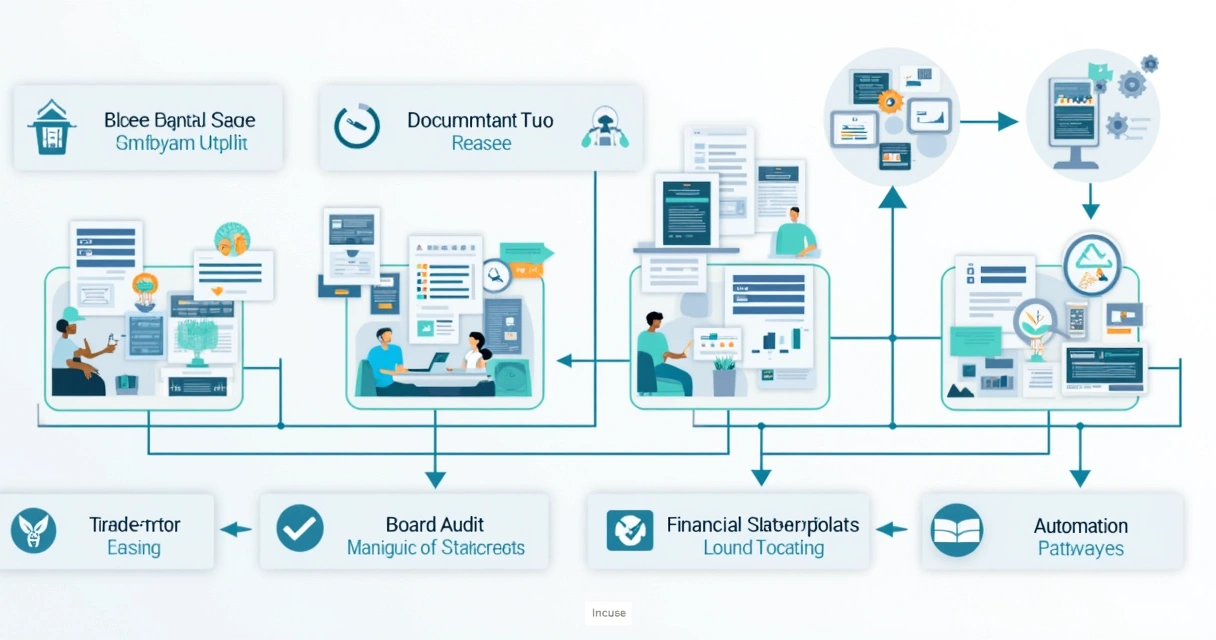
The practical benefits include stabilized cash flow, reduced margin shocks, and a material increase in audit readiness. This is not theory, but daily, operational improvement—described in deeper detail in their own “Practical hedge guide”.
Conclusion: Discipline, clarity, and opportunity
A hedge management system is far more than a technical upgrade. For commodity businesses, it’s a cultural and operational leap—from fragmented, reactive guessing to measured, auditable, proactive discipline. Uhedge shows that this shift brings not only better reporting or lower costs but a real transformation in how market risks are understood, controlled, and turned into opportunity for the enterprise.
Visibility turns uncertainty into strategy.
To see what this change looks like for your company, take the first step: schedule a customized demo or risk diagnosis. Experience first-hand how rigorous methods, decades of expertise, and advanced software can help you turn today’s market chaos into tomorrow’s advantage.
Frequently asked questions
What is a hedge management system?
A hedge management system is a specialized software platform that centralizes the measurement, automation, and control of physical and financial risks for companies involved with commodities, FX, and interest rates. It covers tasks from trade capture to valuation, risk assessment, hedge accounting, and regulatory compliance—all within an auditable, real-time environment.
How does a hedge management system work?
The system integrates live data from finance, operations, and the markets. It automatically matches exposures (like physical sales or inventory) with derivative trades, aggregates all positions in a single environment, and runs real-time analytics to produce dashboards, alerts, and reports. Through AI and quantitative modeling, it provides actionable risk insights and automates compliance reporting, such as for IFRS 9 or CPC 38.
Is it worth investing in hedge management software?
For organizations facing meaningful commodity risk and managing multiple exposures, the answer is almost always yes. Professional hedge management platforms reduce operational errors, cut hidden costs, improve compliance, and deliver greater transparency—a combination that’s difficult to match with manual or fragmented tools. These advantages are cited repeatedly by users across the agricultural and industrial chains.
What are the key benefits of hedge management?
The main benefits include real-time visibility across all risk exposures, the ability to execute and track complex derivative strategies for both physical and financial trades, clear documentation and audit trails for compliance, improved alignment between financial results and real business risks, and substantial reduction in the cost and complexity of risk control actions.
How much does a hedge management system cost?
Costs vary based on the software, required integrations, and transaction volumes, but Uhedge’s approach is to tie pricing to client value generation—earning only when clients achieve positive results. For many users, savings from reduced bank spreads and margined errors can fund the system entirely, with clients reporting up to 70% cost reductions compared to older solutions or manual methods.