
Global markets have taught treasury teams a hard lesson: calm is temporary; disruption is guaranteed. Currency swings, spikes in interest rates, and volatile commodity prices can rattle even the steadiest portfolio. How can treasury keep pace with this complexity and still deliver value? That is where robust portfolio analytics and modern stress test methods step in.
Why treasury teams cannot overlook integrated risk analytics
Treasuries sit at the intersection of operational reality and financial possibility. Their choices ripple through cash flow, performance, and even company survival. They navigate questions like, “What’s my true FX risk? How exposed are we to interest rate volatility or an unexpected market downturn in commodities?” Effective analytics paired with rigorous scenario evaluation is no longer optional—it’s central to disciplined risk management.

Uhedge’s solutions were born for these environments. Their platform unifies liquidity, market risk, and compliance, giving clients the decision discipline required to thrive, not just survive. By blending quantitative methods, AI-powered automation, and a human consultative touch, treasury teams gain the clarity to move from reactive to strategic. Rather than merely enduring volatility, they can position to capture opportunities others overlook.
The purpose and power of scenario analysis
Scenario analysis sits at the heart of revealing vulnerabilities. Unlike static analysis or simplified historical reviews, scenario design recreates real and imagined stressors on a portfolio, painting a clear, actionable picture of underlying risks.
- Historical scenarios: Replaying past market disruptions, such as a 2008-style liquidity crunch or a commodity price crash, shows how current exposures would have behaved in a proven crisis.
- Hypothetical scenarios: These simulate plausible shocks that have not yet occurred—like an unexpected policy shift, rate spike, or FX crisis unique to a certain region or sector.
Both methods test the limits and resilience of the portfolio, preparing treasury for what countless financial headlines call “the next unknown.”
Exposing the big risk factors: liquidity, market shocks, and concentration
When stress conditions hit, certain portfolio characteristics matter most. Treasury professionals focus on a shortlist—but all are non-negotiable:
- Liquidity risk – Can assets be sold, or collateral called, without triggering fire-sale discounts? Stress tests reveal if normal assumptions about liquidity hold up when many market participants rush to the exits at once.
- Market shocks – FX, rates, and commodity prices rarely move alone. Scenario work reveals “perfect storms”—like currency devaluation amid rising rates and commodity demand collapses—and the outsize impact on positions.
- Concentration risk – Large bets in a single asset class or region magnify loss potential. Even portfolios that appear to be diversified on the surface may harbor hidden concentrations, as studies from the Federal Reserve Bank of Boston found that since stress testing began in 2011 the largest U.S. banks' portfolios became more similar, which increased systemic risk while appearing sectorally diversified at the bank level (see this study).
Effective scenario analysis is a blueprint for rigorous treasury management.
Modern portfolio risk assessment: blending AI, quantitative methods, and automation
Traditional spreadsheet models and isolated system approaches don’t cut it anymore. Treasury departments need what Uhedge calls a “Tesouraria Digital,” a digital treasury, where every risk factor is modeled, monitored, and managed in real time—across currencies, rates, and physical commodities.
Advanced software platforms have radically changed risk management. Here’s how:
- Machine learning and AI – Proprietary algorithms process massive volumes of market and internal data, identifying subtle correlations, shifts, and hidden vulnerabilities beyond human capacity. Uhedge incorporates data analytics, volatility surfaces, and custom predictive models, allowing the system to recommend optimal risk coverage structures automatically, considering timing and the risk profile of each enterprise.
- Automated derivatives pricing and OTC replication – Treasury can structure and price not only traditional hedges, but also tailored solutions like accumulators, Asian options, or volatility fences, instantly. OTC derivatives once only available through specialized trading desks are democratized.
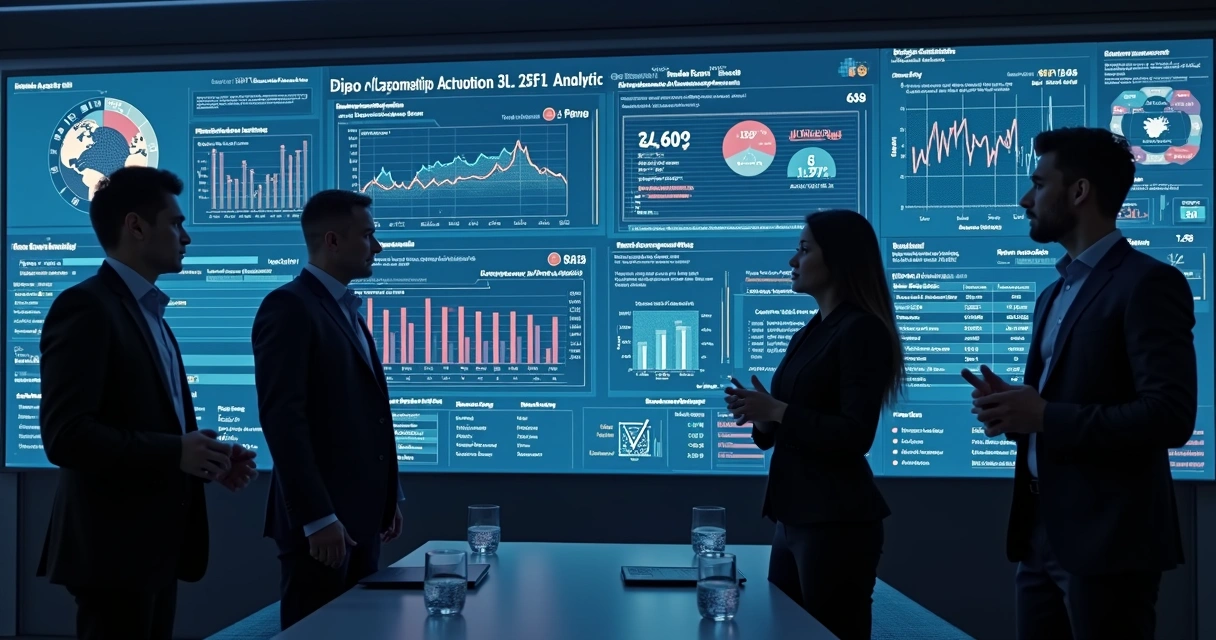
- Integrated dashboards for exposure monitoring – Every material risk in the portfolio—currency exposure, floating rate debt, commodity price swings—is aggregated and visualized in a single real-time dashboard, fueling confident decisions and swift course corrections.
The disciplined result?
Automation and analytics bring consistency, transparency, and objectivity to treasury decision-making.The end product is not just a more resilient portfolio—it’s also better communication with internal and external stakeholders, and a reduced audit burden.
Scenario analysis in practice: revealing the unseen
Treasury teams at global firms, trading houses, and family offices all face the same uncomfortable truth: untested portfolios leave management flying blind. Uhedge’s quantitative methodology helps clients discover hidden exposures. For example:
- A cooperative exporting coffee runs a scenario where the real depreciates by 15%, U.S. rates jump 200bp, and coffee futures fall by 25%. Modeling this triple hit uncovers a possible liquidity pinch and price risk previously masked by normal market conditions.
- A biofuel plant introduces hypothetical scenarios for energy price collapses coupled with changing regulatory tariffs, testing the stress on both cash flow and hedge effectiveness.
- Mid-market banks simulate massive inflows and outflows, revealing which funding and collateral channels would break first in a squeeze—and how to reinforce them before stress happens.
The measurable outcome: management now sees not only what can go wrong, but also how hedges behave, how quickly cash can be raised, and whether exposures are genuinely offsetting—or just correlated until stressed.
Best practices for reporting, regulatory adherence, and client dialogue
Robust stress-testing isn’t just about preventing losses. It forges best practices and audit-ready transparency. Regulatory authorities globally demand thorough analysis of potential vulnerabilities and demonstrable evidence of control, especially for IFRS 9 and similar standards.
- Daily and end-of-period reporting: Portfolios are mapped for mark-to-market value, risk factor sensitivity (the Greeks—delta, gamma, vega, theta), and stress test output by scenario.
- Governance integration: Automated systems verify full compliance with risk mandates—limits, designations, and effectiveness testing (such as Dollar-Offset ratios).
- Client and board communication: Interactive dashboards distill complex results into targeted insights, making performance drivers, vulnerabilities, and tactical recommendations clear for those outside treasury. This is crucial during earnings calls, lender meetings, and strategic planning sessions.
Control leads to credibility. A disciplined reporting and governance structure means less time firefighting and more time planning growth and opportunity capture.
From insight to action: using analytics for strategy and hedging
It’s not enough to “spot problems.” Leading treasury units translate scenario outputs directly into action—hedge adjustments, real-time exposure rebalancing, and new allocation strategies. This is where the integration of analytics, automation, and expertise lifts outcomes above the pack.
Uhedge supports this journey with a model that aligns incentives: the platform and its expert team only win when clients strengthen their own bottom line. Scenarios are not theoretical—they guide changes to exposure, fine-tuning not just at quarter-end but throughout the lifecycle of market events. Typical steps:
- Adjusting derivatives coverage when projected losses exceed a defined risk budget.
- Rebalancing cash and collateral pools ahead of expected shocks or based on early indicators detected by the models.
- Recommending alternative strategies—switching from vanilla to exotic hedge products, for example—when modeled performance under stress improves meaningfully.
Action—rooted in good data—differentiates strong treasury management from the rest.
Bringing it all together: why a unified approach matters
Fragmented systems, ad hoc spreadsheets, and human-limited models simply do not stand up in today’s world of instant volatility. Treasury leaders who embrace unified digital analytics platforms go from putting out fires to building robust guardrails around every exposure. This approach enables:
- Full-risk visibility across currencies, rates, and physical plus financial commodity exposures.
- Automated scenario modeling and real-time stress feedback, not just historical review.
- Integration of governance controls, regulatory compliance checks, and audit trails in a single workflow.
- Consultative support—a human extension of your operations desk, not just black-box software.

Treasury teams can look to practical guidance throughout Uhedge’s knowledge base. Themes like risk management strategies, practical hedging approaches, and recognizing when your portfolio needs new hedging strategies provide actionable steps based on real client cases and decades of learned discipline.
Getting started: disciplined risk, smarter results
Treasury’s real value emerges when data, models, and experience meet action. Uhedge’s approach—integrating advanced digital tools, quantitative rigor, and deep market knowledge—delivers not only safety but also tactical opportunity, even in markets others see as chaotic. True confidence in risk management comes from stress tested, unified, and accountable practices.
Those ready to trade uncertainty for actionable insight and disciplined value creation can learn more about risk strategy solutions or book a technical and consultative meeting with the Uhedge team. It is time to make volatility a partner in progress, not a threat to be feared.
Frequently asked questions
What is portfolio stress testing?
Portfolio stress testing is the practice of evaluating how a portfolio would perform during extreme market events or financial shocks. It uses simulated or historical scenarios—such as rapid currency devaluation, rate spikes, or commodity crashes—to uncover vulnerabilities and guide necessary protection strategies.
How does portfolio analytics help treasury teams?
Portfolio analytics empower treasury professionals with continuous, real-time visibility on risk, exposure, and potential loss events. They aggregate data across FX, rates, commodities, and liquidity, allowing teams to spot where the greatest risks lie and to take preventative action before market conditions deteriorate.
What are the benefits of stress testing?
The key benefits are: anticipating hidden exposures, validating hedge effectiveness, ensuring regulatory compliance, increasing stakeholder confidence, and enabling rapid response when stress actually occurs. Stress testing equips both treasury and management to make decisions from a position of insight, not just intuition.
How often should I do stress tests?
Frequency depends on portfolio complexity and market volatility. Best practice suggests routine stress tests as part of daily or weekly reporting, plus event-driven testing when significant external changes or new exposures arise. Automated systems can enable near real-time insight, increasing confidence in rapidly shifting markets.
Which tools are best for portfolio analytics?
The most effective tools combine robust market data, real-time analytics, AI-driven scenario generation, fully integrated exposure dashboards, and comprehensive reporting features. Platforms should also provide custom derivatives pricing, seamless regulatory checks, and the ability to support both physical and financial positions, like Uhedge delivers.