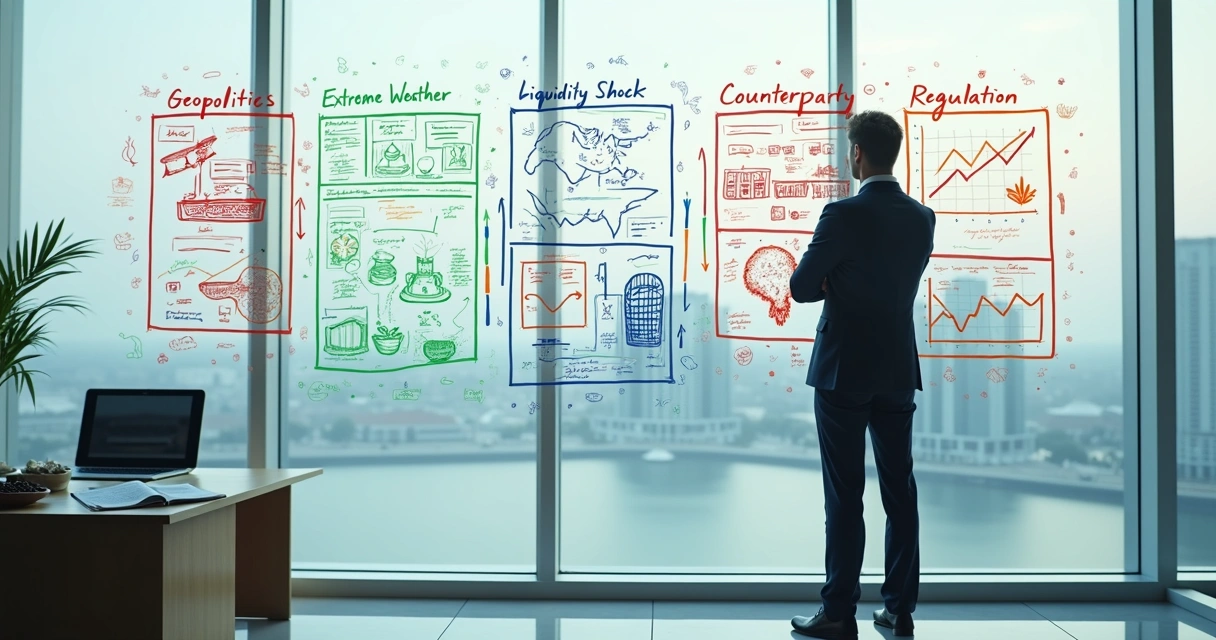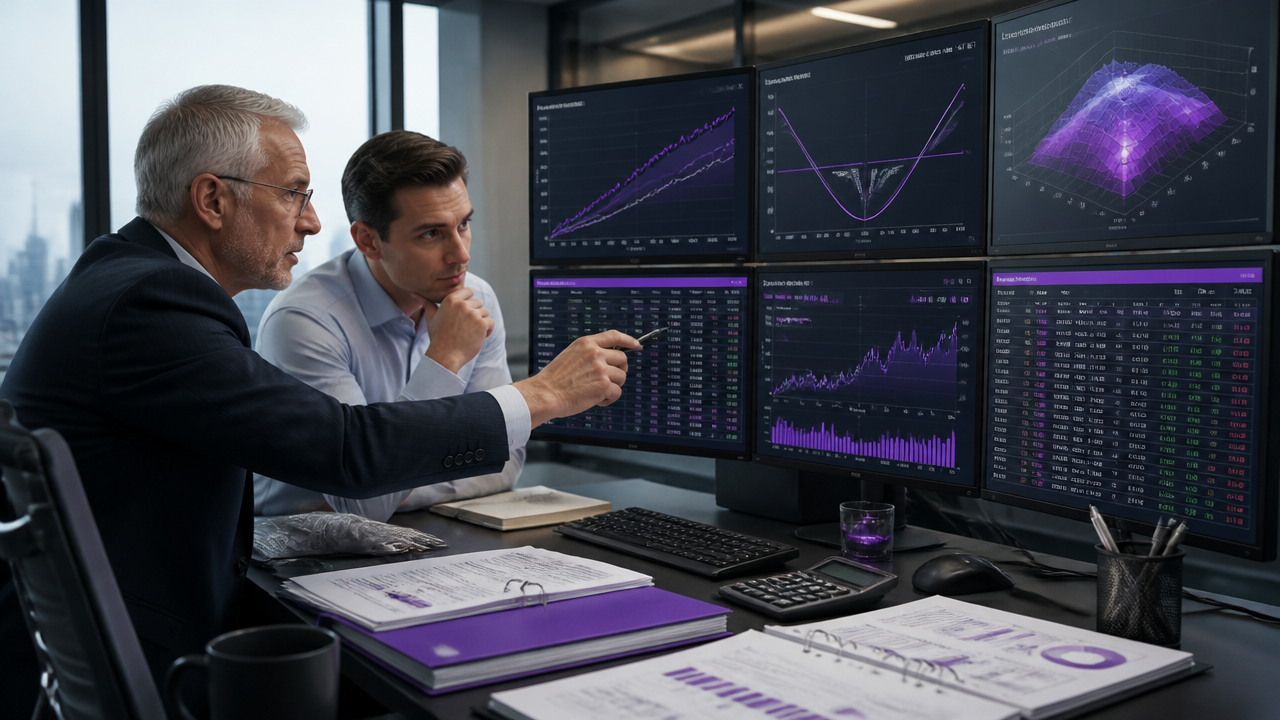
For decades, professionals managing price risk in farm products, energy, and raw materials have drawn lines in the sand: on one side, computer models and artificial intelligence; on the other, the expertise of traders with years in the market. As commodity cycles grow wilder and storms arrive faster, the question tightens: should companies trust the data-driven recommendation of a machine, or the “gut feel” of a seasoned risk manager, when timing a hedge transaction?
The dilemma at the core: trust in algorithms or trust in talent?
Commodity trading desks have long celebrated instinct, rewarding veterans who “read the tape” or sense a weather shock brewing. At the same time, today’s boards and CFOs want decisions validated by audit trails, not lucky guesses. Uhedge, with its foundation in statistical and financial engineering, sees this conflict as more than theoretical. Boards now demand a process that isn’t just disciplined but is explainable – a process with a chain of reasoning, supporting data, and a reportable outcome for every hedge.
Here’s the modern tradeoff:
- Machines and AI-based systems can process thousands of datasets instantly, tracking currency rates, interest swings, and geopolitics in parallel, flagging opportunities and risks that no one human could.
- Human instinct absorbs context, intuition, and “soft” signals – things not always caught in the data. That includes a CEO’s sudden budgetary change or disorder on the docks in a distant port.
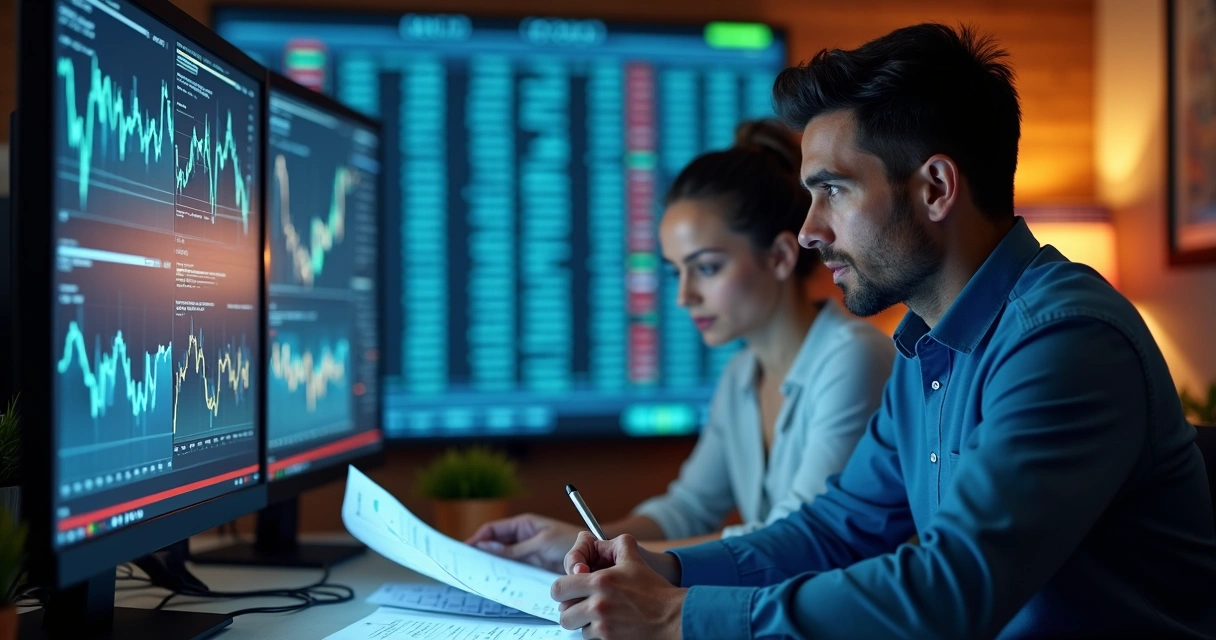
What’s behind AI-driven hedge timing?
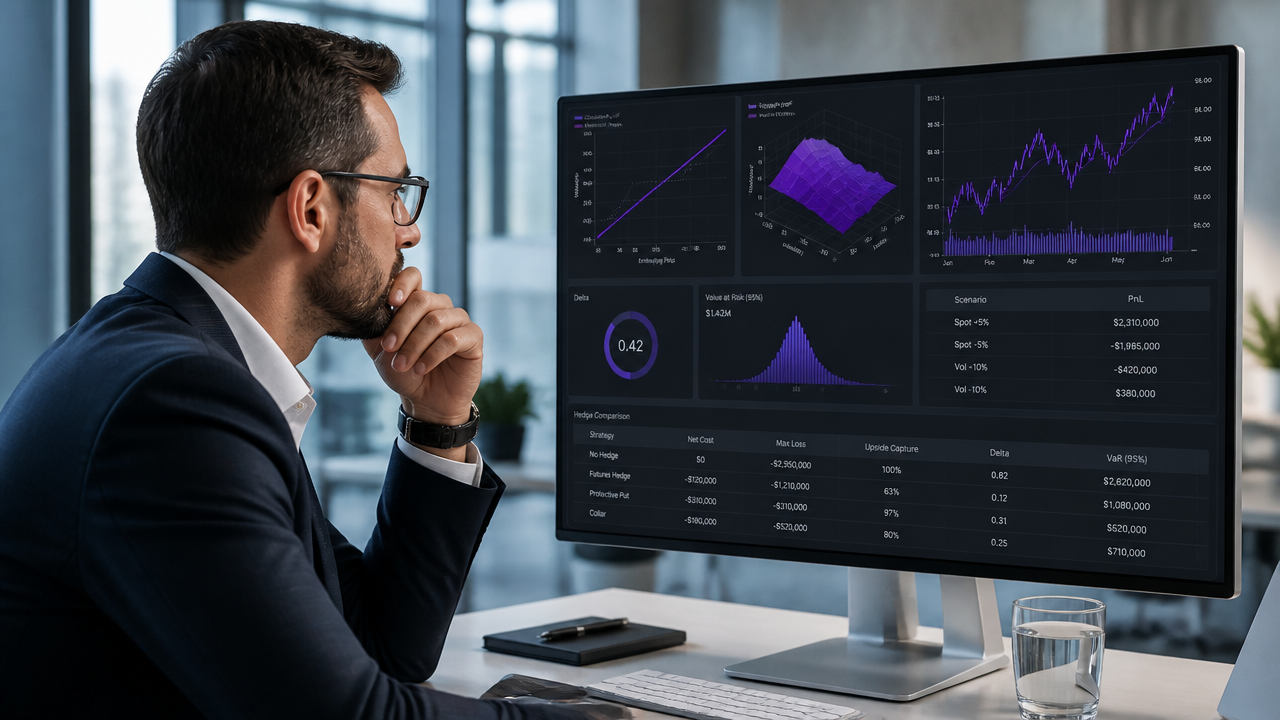
Uhedge’s platform leverages AI to make what’s “humanly impossible” into daily practice. Its software parses through currency rates, crop prices, policy risk, volatility surfaces, and global futures curves. From there, algorithms recommend not only when to protect against price falls, but also suggest the ideal product—accumulators, options fences, or OTC structures. The same engine can flag a sudden jump in risk from interest rate decisions, or a spike in volatility due to a geopolitical event.
The power here is speed and scale – a well-tuned model can review every angle before a human team could finish morning coffee.
- Data sources: AI platforms pull from global price feeds, weather trackers, economic data, and internal ERP/ledger systems.
- Scenario testing: Automated models quickly “war game” hundreds of scenarios, stress-testing how a position would fare if, say, the Brazilian real surges or grain yields fall short of forecast.
- Transparency and validation: The Uhedge system explains its reasoning and archives every trade logic, letting CFOs and auditors review why a particular decision was made at any timestamp.
A powerful advantage is consistency. AI is immune to panic during price spikes or overconfidence after a run of lucky trades. Algorithms don’t forget the impact of a past rate hike or miss a seasonal trend in coffee prices.
What are the limits of human instinct?
But the human layer matters. Trading rooms often recall a year when a weather event or policy move broke every model’s assumptions. During major shocks—like a blackout in a grain terminal, or sudden changes in government tariff policy—patterns can break. In these “gray swan” events, a senior risk officer may see business signals or operational warning signs before the data reflects them.
That said, the biggest criticisms of gut-feel hedging are:
- Inconsistency between teams or regions
- Lack of auditability or support documentation for risk committees
- Susceptibility to emotion—sometimes costly during wild bull or bear runs
The Uhedge approach doesn’t discount human input, but supplements it with hard data. It recognizes that discipline is forced not by replacing humans, but by requiring that every exception to the system’s recommendation be explained, documented, and simulated.
Where others see chaos, Uhedge sees opportunity.
Comparing approaches: scenario testing and decision transparency
Legacy risk teams typically run a handful of stress scenarios—maybe a 10% fall in futures, a surprise weather event, or a currency gap. AI-backed systems quickly expand that to hundreds of “what-if” analyses, mapping ripple effects across the portfolio by asset, region, or timing. These simulations help companies see, in real time:
- The range of outcomes if the dollar rallies or global freight is disrupted
- Which contracts or hedges are most exposed to volatility shocks
- What size of price change would trigger a margin call
CFOs, compliance leads, and external auditors are thus equipped to challenge or validate the model’s advice; the software records not just the outcome, but the basis, calculations, and sensitivities. This means that every user, from the risk manager to the board, can replay the decision process step-by-step.
Validating AI recommendations before execution
None of this means a machine’s word is gospel. Uhedge encourages boards and finance leads to review AI-based recommendations before execution—especially during volatile events.
This validation happens in several stages:
- Risk managers receive model outputs together with clear documentation of data inputs and scenario assumptions.
- A second level of human review can apply “override” logic if a unique, contextual risk emerges. This must be noted, with justification attached.
- All changes, overrides, and justifications are stored to allow full post-trade audit and transparency.
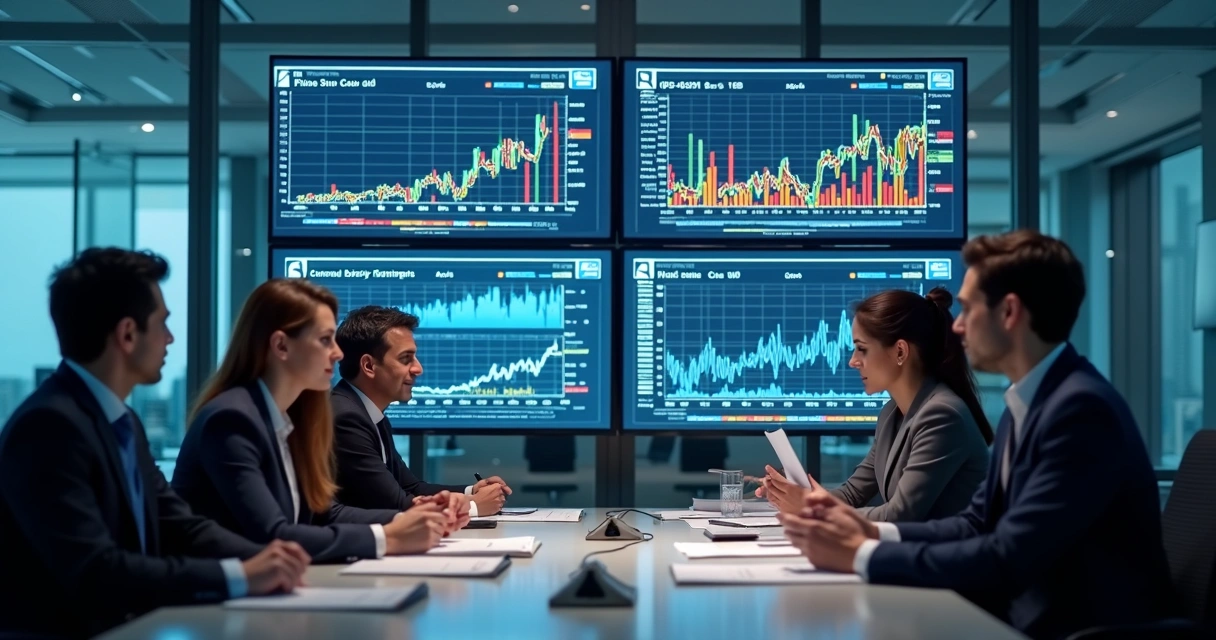
This process transforms risk management from an art into a science—without losing the ability to bring experience and business knowledge to bear. When stress hits, and uncertainty is high, human reasoning and market memory may flag issues no model can see yet. But every exception becomes an explicit, reviewable part of the company’s risk discipline.
Real scenarios: lessons from recent events
In the last few years, commodities markets have faced shocks—trade wars, droughts, and runaway inflation. During these moments, Uhedge’s platform proved its edge by capturing data signals before manual processes could, advising shifts to protect margin that legacy approaches couldn't match for speed of implementation. In a specific example with coffee future hedging, platform recommendations supported by AI outperformed typical derivative strategies, as observed in benchmark following.
Moreover, transparency and real-time control, provided by unified digital treasury tools, have reduced losses from poor timing, elimination of high cost, and accidental exposure due to fragmented control—common when decisions are scattered across spreadsheets and emails.
How CFOs and corporate boards can stay on top
Today, risk management in agricultural and industrial supply chains is less about “either/or” and more about integration. Boards must ask pointed questions:
- How are model assumptions set? How often are they reviewed for new risks?
- Can the model’s logic, data, and output be explained in plain language—both to auditors and the C-suite?
- When humans override AI, is this reviewed, logged, and stress-tested for future learning?
With platforms like Uhedge, companies gain a structured process where exceptions are the exception and every decision has a visible, archived reason. The goal: turn uncertainty into opportunity, while giving finance leaders confidence that every hedge can be tracked, checked, and learned from.
Conclusion
Developments in AI bring consistency, auditability, and scenario power to commodity risk management. Instinct, when paired with such systems, becomes more than guesswork: it is the first step in a robust challenge process, rather than a solo act. Uhedge’s digital approach empowers teams to act faster, with less cost and more transparency—a competitive edge in unpredictable times.
For those navigating crop, energy, or raw material risk, now is the time to get disciplined. Take the next step in risk intelligence and see how integrating technology and expertise can protect and expand your margin. Learn more about processes, strategies, and technical debates in our in-depth commodities articles, or discover how price protection works in volatile markets. To see the real difference, consider a practical discussion with Uhedge and upgrade your risk management for the world ahead.
Frequently asked questions
What is commodity hedging in trading?
Commodity hedging is the use of financial contracts to offset or protect against adverse price changes in raw materials or products such as grains, minerals, oil, or coffee. This practice helps stabilize cash flow, margin, and results by locking in future prices or setting boundaries on potential losses. In modern commodity trading and supply chain management, hedging is seen as key for both producers and consumers to plan and operate in volatile markets. For more, refer to the guide on how commodities work, including risks and opportunities.
How does AI help with hedge timing?
AI supports hedge decisions by analyzing huge volumes of pricing, economic, and risk factor data, testing multiple market scenarios, and providing actionable recommendations for when and how to structure price protection. With speed and accuracy, AI-based systems can scan for risk, model “what-if” stress cases, and supply CFOs and boards with a transparent audit trail for every suggested action.
Is human instinct better than algorithms?
Neither approach is always superior. Algorithms deliver consistency, scenario power, and transparency—excellent in repeatable and large-scale decision making. Instinct, built on years of market experience, sometimes spots outliers or context-specific risks no machine has seen. The best results come from combining the two: letting AI manage noise and volume, while humans bring exceptional cases to light and provide oversight.
What are common risks in commodity hedging?
Common risks include market price movements, basis risk (differences between local and traded prices), liquidity constraints, model error, and operational errors like failed execution or documentation. Another risk is over-hedging or misalignment: protecting more or less than your real exposure. Good risk tools, scenario testing, and audit-ready documentation (as provided by the Uhedge system) help mitigate these.
How do I start hedging commodities?
Begin by clarifying your exposure: what volumes and products do you produce, consume, or trade? Next, outline your financial objectives, tolerance to risk, and any liquidity or compliance restrictions. Modern platforms like Uhedge can then help simulate scenarios, design risk strategies, and monitor performance in real time. Start by consulting specialists and reviewing educational resources on hedging strategies, including common mistakes to avoid and reasons to diversify with commodities.