
Broken spreadsheets. Often, this is where the true risk in managing derivatives and physical commodity positions begins. For a decision-maker, opening one more tab filled with links, vlookups, macros, and color-coded versions of “the truth” doesn’t feel safe. It just feels exposed.
Legacy spreadsheets: The hidden operational trap
Within commodity markets and treasury operations, operational risk often creeps in silently. Manual workflows, copy-paste errors, and version confusion can unravel months of work in seconds. What happens if a formula breaks on a day when prices spike? Or a file is sent with a column off by one, consolidating positions incorrectly?
A single error can lead to cascading financial and compliance problems.
Dr Tiago noted that controlling derivatives and physical commodity portfolios solely with dispersed spreadsheets means losing sight of the entire risk profile. The data fragmentation leads to delayed insights, reactionary decisions, and ultimately, avoidable losses.

Modern portfolio management systems step in as the natural evolution, centralizing operations and removing dangerous manual steps. The case for replacing spreadsheets is not just about modernization. It’s about safeguarding your business from costly and reputation-damaging mistakes, especially in volatile times.
1. Data centralization: No more lost or inconsistent information
Anyone who has tried consolidating commodity and derivatives positions from various brokers and asset types in spreadsheets knows: chaos rules. Local files, email attachments, and shared servers often combine to create a patchwork—not a panoramic view.
With a dedicated platform such as that offered by Uhedge, data from physical contracts, OTC derivatives, and market feeds unite in a single environment. This eliminates blind spots and ensures that every position, rate, and exposure is available in real time to the right people. It is no longer possible for a trader and a risk manager to be working off different snapshots of the “same” data.
Data centralization removes the operational fragmentation that exposes companies to duplicated work, late information, and unchecked errors.
2. Automated calculations, not manual mistakes
Complex hedging instruments—accumulators, swaps, structured options—defy reliable management by hand. Human error, tiredness, or a simple lapse can break a logic chain that governs millions in exposure. Portfolio management platforms automate the calculation of Mark-to-Market (MTM), Greeks, and predictive risk metrics using advanced financial engineering.
This isn’t about removing people. It’s about letting human capital focus on strategic action and not on correcting failed macros or tracing the source of a busted formula.
Dr Tiago argued that, in the time it takes to trace one discrepancy in spreadsheets, a risk engine could have recalculated value-at-risk for every asset in the system—and flagged exposures exceeding limits. With Uhedge, each modification is instantly reflected, bringing the operation closer to true real-time oversight.
3. Audit trails and compliance: Every change, accounted for
Regulatory pressure grows, and demonstrating governance is no longer a luxury. Spreadsheets offer little traceability. Multiple versions, overwritten cells, and a lack of credentialed user actions mean you cannot answer: “Who made this trade? When was this parameter changed?”
Strong portfolio systems build a permanent, auditable record of every action. Any regulator or auditor can see the exact timeline of key changes—trades, new positions, model overrides—building trust and supporting defensible compliance frameworks. This kind of governance is impossible with spreadsheet-based archives and informal communications.
When confidence is required, Uhedge’s software ensures every position’s history is more than a shadowy trail of emails and personal notes. It’s a robust, immutable ledger.
4. Agility in decision-making: Act before the window closes
Markets do not wait. The chance to hedge a position at the right price or rebalance as volatility spikes can pass in minutes. Manual consolidation eats up that opportunity window.
By bringing together analysis and recommendation engines, portfolio management software delivers automatic alerts and data-driven recommendations tailored to the portfolio’s risk profile and market context. Dr Tiago highlighted that Uhedge applies AI-driven analysis, instantly suggesting the optimal hedge based on real-time signals and macro-economic events.
Speed is the edge. Reacting too late transforms a manageable risk into an avoidable loss.
Systems that provide automatic “next action” guidance, as well as comprehensive dashboards, recalibrate your market agility—from reactivity to proactivity.
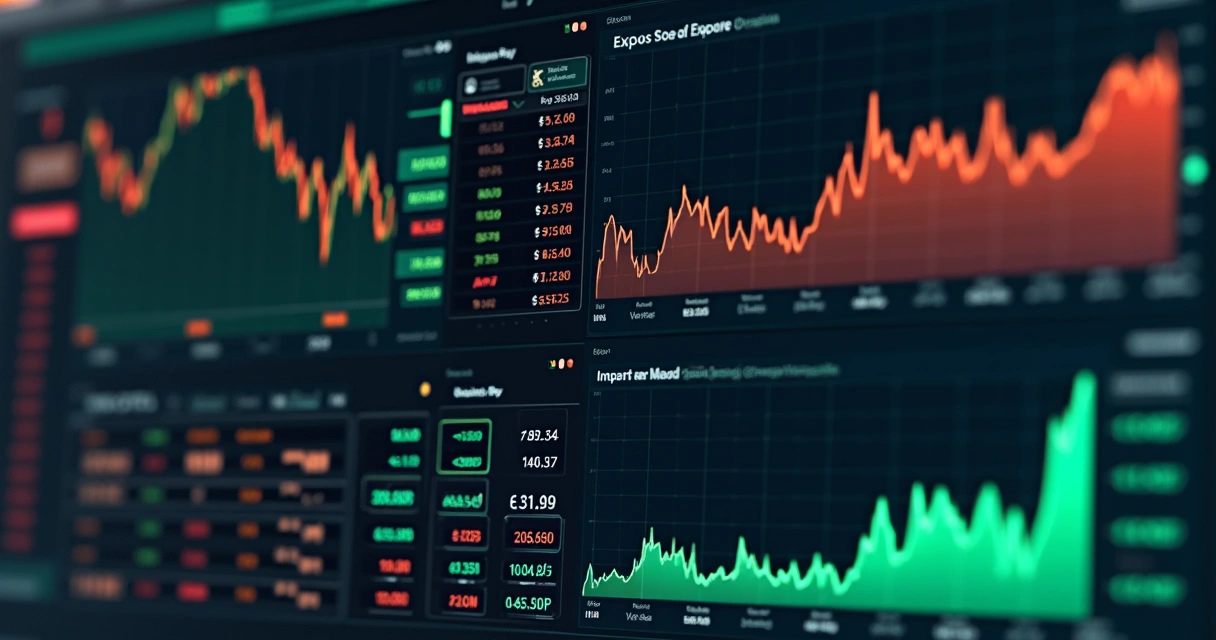
5. Unified risk oversight: See everything, miss nothing
Spreadsheets divide reality—one file for coffee, another for fuel, another for FX swaps. One mistake: an overlooked tab, a missed update, or an old template. Consolidation becomes a nightmare.
Portfolio management platforms give a live, consolidated risk map spanning all assets, classes, and geographies. All exposure, marked-to-market P&Ls, margin calls, and potential risk shocks are visible—across all contracts and currencies. Uhedge’s interface, for example, allows teams to instantly visualize P&Ls, performance by counterparty, and scenario stress tests without opening multiple files or building temporary macros.
Find further insights on best practices for risk aggregation in this in-depth risk management resource.
6. Reliable reporting: Nightly, error-free, and always accessible
Manual end-of-day (EOD) reporting is a minefield of copy-paste mistakes and stale data. How confident can you be in regulatory submissions or board packs if the process relies on last-minute reconciliations?
With an advanced portfolio platform, reports are generated automatically, always using the most current and complete data across every position and broker. Recurring errors vanish, and stakeholders—from traders to treasury to C-level—access dashboards tailored to their needs, not clunky spreadsheets.
Operations teams stop wasting cycles reconciling downloads and matrixes from countless sources. Instead, the energy shifts to interpreting trends, stress-testing, and optimizing strategies for actual results.
7. Scale and security: Ready for growth, built to protect
How secure is a spreadsheet with billions in notional exposure? How scalable is a methodology that needs to be manually checked for each asset class, broker, or new regulatory update?
Modern portfolio management software, like that engineered at Uhedge, brings two defining features to the table: scalability and security.
- Bank-level encryption and regular backups mitigate the threat of data loss or unauthorized access.
- Cloud-based systems update instantly, so new assets, risk rules, and organizational structures are absorbed without rebuilding workflows.
- True multi-asset support allows teams to add commodities, currencies, or interest rate products—no matter the volume—without new spreadsheet “products” or error-ridden templates.
Grow without compromise. Secure every step.
You can read more on cost control through digital treasury in this guide on cost management in investment portfolios.
Conclusion: Leave breakable spreadsheets behind—safeguard your future with expert algorithms
Spreadsheet dependency is an operational risk—frequently underestimated until a loss, failed audit, or regulatory challenge exposes the fragility beneath. With Uhedge’s all-in-one risk platform, companies access not only unified and auditable control but also proven intelligence and market expertise built into every workflow.
No hedge strategy or position consolidation should be left to luck. The future of robust treasury and commodity portfolio management is data-driven, secure, and actionable in real time.
Take action now: See how Uhedge can transform your portfolio operations and put discipline and confidence at the heart of your decision-making process.
Want to discover more about strategies and signs that your portfolio needs a better hedge? Check out the article on signs your portfolio needs a hedging strategy, or get started with this practical hedge strategy guide.
Frequently asked questions
What is a portfolio management system?
A portfolio management system is an integrated software platform designed to aggregate, analyze, and monitor financial and commodity exposures, trades, and positions in real time. It removes the risk and inefficiency of manual processes by incorporating data centralization, automated analytics, and secure, auditable records.
How does software improve portfolio management?
Software streamlines day-to-day management by automating calculations, minimizing manual errors, and providing instant insights. It generates audit trails, enables fast decisions, simplifies compliance, and supports growth in trading activity without adding complexity.
Is it worth switching from spreadsheets?
Yes. The switch reduces operational risk, consolidates all positions into one source of truth, and increases market agility. Automated platforms avert costly errors and keep the organization compliant, scalable, and prepared for volatility.
What are the top features to look for?
Seek solutions offering: real-time consolidated dashboards, automated risk and P&L calculations, audit trails, customizable reporting, high security standards, and the ability to integrate both physical and financial instruments across asset classes.
How much does portfolio management software cost?
Costs vary based on features, scope, and customization. Most providers offer scalable pricing models, often delivering cost savings through reduced errors, greater speed, and improved margin control—turning compliance and discipline into a financial advantage.