
Managing risk in today’s financial landscape is no easy task. Financial institutions, asset managers, and corporates exposed to FX, rates, and commodities markets face a barrage of volatility and complexity. The arrival of “Risk as a Service” solutions signals more than just a trend—it points to a meaningful shift. These modern platforms are rewriting the standards of discipline, data-driven rigor, and financial control.
What is risk as a service and why does it matter?
Risk as a Service (RaaS) refers to end-to-end digital platforms dedicated to identifying, measuring, and monitoring market exposures. Unlike traditional processes that rely on static reports or fragmented legacy systems, these platforms give organizations a unified environment to track, simulate, and respond to risk in real time. The need for such solutions is clear: the growing web of correlations between currencies, interest rates, and commodity prices has made manual or partially digital controls unreliable and costly.
Modern platforms like Uhedge were created to act as an extension of the client's trading desk, blending nearly 20 years of quantitative expertise with state-of-the-art technology, making robust risk management both accessible and rigorous. Not only do these solutions democratize access to derivative instruments once reserved for sophisticated players, but they also provide every treasury or portfolio manager with actionable market intelligence, instantaneous recommendations, and full compliance oversight.
The evolution from traditional to digital risk management
Traditionally, businesses managed risk in three ways:
- Dependence on banks and brokers for risk controls, which often brought high fees and limited transparency.
- Lengthy, error-prone internal spreadsheets or siloed initiatives.
- Manual reconciliation of exposures in disparate environments, meaning missed opportunities and a lack of discipline.
This patchwork approach often led to poor oversight, overexposure, and suboptimal hedging.
Old tools can't keep up with today's markets.
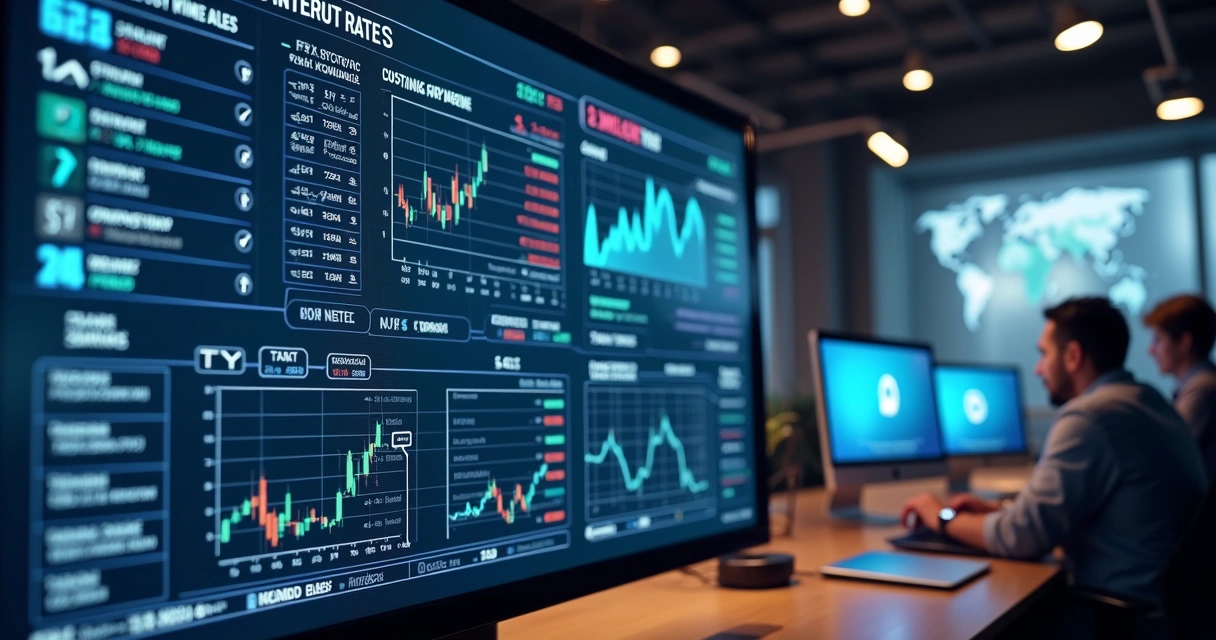
RaaS platforms aggregate all exposures—FX, interest rates, and commodities—into a single digital dashboard. The result is unified control, real-time visibility, and discipline that is simply impossible with manual methods.
Scalability and real-time analytics: A new paradigm
One hallmark of these solutions lies in their scalability. As a business grows, so do its risk exposures and the complexity of its trading book. A modern platform needs to:
- Scale across new geographies and asset classes without performance loss.
- Handle thousands of data points per second for precise MTM (mark-to-market) tracking.
- Integrate seamlessly with market data providers for instant pricing.
- Support complex derivatives, from vanillas to accumulators and fenced strategies.
With AI-driven insights, such as those found in the Uhedge solution, users receive automatic hedging recommendations, dynamic scenario analysis, and notification of emerging risks—all tailored toward their specific risk profiles and objectives.
Key features of modern risk management platforms
Today's RaaS platforms are much more than simple monitoring tools. The best solutions offer:
- Unified risk dashboards for cross-asset tracking
- AI and quantitative models for predictive analytics
- Automatic generation of regulatory and end-of-day (EOD) reports
- Portfolio-level analytics including Greeks, volatility surfaces, and scenario stress testing
- Integration with brokers, banks, and market data feeds
- Automated compliance verification and governance checks
Uhedge, for example, provides a digital treasury system blending real-time pricing, derivatives calculations, and detailed analytics support, all from a single, intuitive interface. It tackles the “humanly impossible” challenge of staying on top of every factor influencing market risk, delivering AI-powered suggestions that align actions with each client’s unique objectives.
When analytics meet automation, good decisions follow quickly.
Scenario analysis, stress testing, and compliance
The road to robust risk control doesn’t end at aggregation and reporting. Scenario analysis and dynamic stress testing are vital, especially given the realities of sudden shocks—like shifting interest rates, commodity supply disruptions, or geopolitical risk. Modern risk platforms run complex simulations, mapping potential impacts under hundreds of market scenarios in seconds.
Scenario analysis unlocks real confidence. Organizations know not just their current exposures, but how those exposures will evolve when volatility strikes.
At the same time, regulatory compliance—sometimes seen as a hurdle—becomes straightforward with audit trails, detailed governance reports, and automated monitoring that ensures every action is tracked and aligned with evolving regulations.
Portfolio-level insight for asset managers and corporates
For asset managers and treasury teams, having instant access to portfolio-level analytics and reporting delivers a measurable edge. The Uhedge Asset Management arm, for example, empowers clients with discretionary portfolios, AI-driven tactical trading, and full treasury outsourcing, acting as an extension of internal trading desks. Margin calls are optimized, reporting is automated, and both commodity producers and industrials gain granularity over risk and results.
Classic use cases include:
- FX hedging for international sales and supply chains, discussed in practical detail at this resource
- Commodity hedging for agricultural firms managing crop volatility, explored at this article
- End-to-end oversight to avoid errors in commodity hedges, outlined in this guide
With predictive analytics, managers can simulate impacts of market distortions, review historical P&L attribution, and adapt quickly when macro signals turn—ensuring a disciplined, data-driven process from start to finish.

Choosing the right risk management provider
When selecting a provider, focus on:
- Depth of quantitative and AI capabilities
- Experience across FX, rates, and commodities
- Alignment of interests (no hidden fees or conflicts)
- Level of transparency, discipline, and governance
- Ease of integration with your existing processes
- Track record of performance and client success
A robust provider should act as a partner—transferring not just technology but also strategic insight and experience. Uhedge, for example, stands out by emphasizing client-aligned incentives: “We win when the client wins.” This ethos, along with two decades of expertise, ensures every recommendation is built on rigor, integrity, and a relentless drive for value creation.
Transforming treasury and portfolio management
By centralizing exposures, automating analytics, and offering actionable insights, risk platforms are already transforming how corporates and asset managers operate. The old question of whether to handle risk internally or externally is becoming obsolete—especially when digital treasury systems provide end-to-end solutions, real-time support, and strategic partnership.
If a business is aiming to transform risk into a source of increased margin, or is looking to ensure consistent predictability over cash flows, the next step is straightforward. Engaging risk management platforms like those offered by Uhedge enables companies to step confidently into the future of finance, maximizing their ability to act on every opportunity the market brings.
To learn more about how modern platforms are solving risk challenges and see practical guides on this topic, readers can visit the Uhedge blog’s category on risk management and consult the in-depth guide on hedging strategies.
Conclusion
Risk as a Service is defining a new era for financial risk management. By merging technology and insight, platforms like Uhedge are equipping organizations to outperform the old status quo, unlocking agility, compliance, and value from disciplined risk control. The next logical step is to schedule a detailed risk and strategy assessment with a trusted provider, bringing innovation and rigorous methodology into your organization’s daily reality.
If you’re ready to experience the difference, start your journey with a strategic risk diagnosis and see how the digital treasury of tomorrow can work for you.
Frequently asked questions
What is Risk as a Service?
Risk as a Service refers to digital platforms that deliver a full suite of risk monitoring, analysis, and management tools on demand. These services aggregate multiple sources of financial risk and turn them into a controlled, continuously monitored process through advanced analytics, AI modeling, and always-on reporting.
How does a risk management platform work?
A risk management platform unifies data streams, market feeds, and position records into a single ecosystem. It processes this information using quantitative methods and AI algorithms, then provides real-time dashboards, automatic risk alerts, and tailored recommendations for hedging, trading, and compliance. Users can visualize exposures, run stress tests, and generate instant reports.
How much does Risk as a Service cost?
Pricing varies widely depending on the provider, platform features, and scale of use. Some models are based on assets under management, others may charge per feature or by subscription. The most compelling modern offerings emphasize value alignment and cost transparency, often providing substantial cost savings over traditional bank channels.
What are the benefits of using risk platforms?
Risk platforms bring unified control, real-time insight, and automation to treasury and portfolio operations. Benefits include improved financial discipline, better compliance, reduced errors, lower hedging costs, and an edge in identifying market opportunities. They also free up internal resources to focus on strategic actions, not manual processing.
Is it worth switching to Risk as a Service?
For many organizations—especially those with significant FX, rates, or commodity exposures—the switch yields higher rigor, reduced cost, and actionable analytics unavailable with legacy processes. Adopting RaaS is often a step toward optimizing financial outcomes and future-proofing the organization’s operations.