
The global stage for commodities has always been a theater of rapid and often unexpected moves. For professionals working in trading, treasury, or asset management, understanding and controlling exposures to these moves is more than a skill—it's a necessity. Events in recent years such as trade wars, unexpected weather patterns, geopolitical disruptions, and fluctuating currencies have amplified this need. So, what does robust management of exposures in commodity markets look like today?
Identifying the main risks: price, currency, interest rate, and credit
Any attempt to control the ebb and flow of commodities starts with recognizing four main dangers:
- Price risk: This is the variability in the market price of the commodity itself. Recent research from the OECD, analyzing fifty years of agricultural data, confirms that linkages with energy costs, fertilizer, and exchange rates are essential contributors to swings in pricing. A spike or drop not only shakes expectations but also balance sheets according to the OECD report.
- Currency risk: Many commodities trade globally. A Brazilian coffee exporter selling beans in New York earns dollars, but pays costs in reais. The gap between payment and receipt exposes the business to currency swings, possibly wiping out the planned profit.
- Interest rate risk: Rising or falling rates shape the cost of financing and the mark-to-market value of derivatives. For any leveraged operation, or one reliant on credit lines, this risk affects not only profits, but day-to-day liquidity.
- Credit risk: Default from counterparties can be catastrophic. This risk is magnified in physical trades with deferred payment, as well as in derivative contracts when brokers or financial institutions weaken.
Understanding these risks is not a one-off task—it's a continuous process that sets the stage for any successful mitigation strategy.
The value of data: from quantitative modeling to AI
An effective strategy needs advanced tools, not just rules of thumb. Uhedge exemplifies this approach by fusing scientific rigor from statistics, econometrics, and financial engineering with proprietary artificial intelligence. Their systems absorb large amounts of market data to identify, quantify, and contextualize threats for even the most exposed organizations.
For instance, advanced quantitative modeling allows treasury teams to predict a portfolio's reaction to different shocks—testing what might happen if the dollar jumps by 3%, or if a drought reduces Brazilian sugar supply. Integration with AI goes even further, as algorithms parse live macroeconomic data and automatically suggest risk mitigation strategies that fit a client’s unique exposure profile, timing, and objectives.
Prediction alone is not enough—actionable insights and recommendations are what matter most.
Adapting hedging to each risk profile
One-size-fits-all solutions are doomed to disappoint. Best practice today involves tailoring hedging strategies to the company’s real-world needs and constraints.
- Vanilla derivatives (futures, forwards): These allow straightforward protection against price swings. Beverage firms locking in future sugar prices or miners fixing the price of copper exemplify this. While basic in function, their effectiveness relies on precise sizing, timing, and alignment with operational flows.
- Options and structured products: These instruments introduce flexibility. A jet fuel consumer may buy a call option to cap costs in case prices surge, but retain upside if prices drop. Accumulators and fences, more advanced strategies offered through platforms such as that by Uhedge, manage risk across broad price ranges, blending protection and opportunity as needed.
- Swaps and cross-currency swaps: These are powerful for corporations facing both price and currency risk from trade finance or syndicated loans.
Uhedge’s methods underscore another critical principle: hedging starts with a clear definition of objectives, risk tolerance, and liquidity restrictions. From these points, systems can recommend optimal structures and even execute them automatically, reducing time and error.
Regulatory compliance and governance: setting the foundation
Senior management—and often regulators—demand not only successful risk control, but visibility and accountability. The FAO highlights that poor controls and unpredictable moves in commodity pricing can lead to waste, lost investments, and even systemic financial stress.
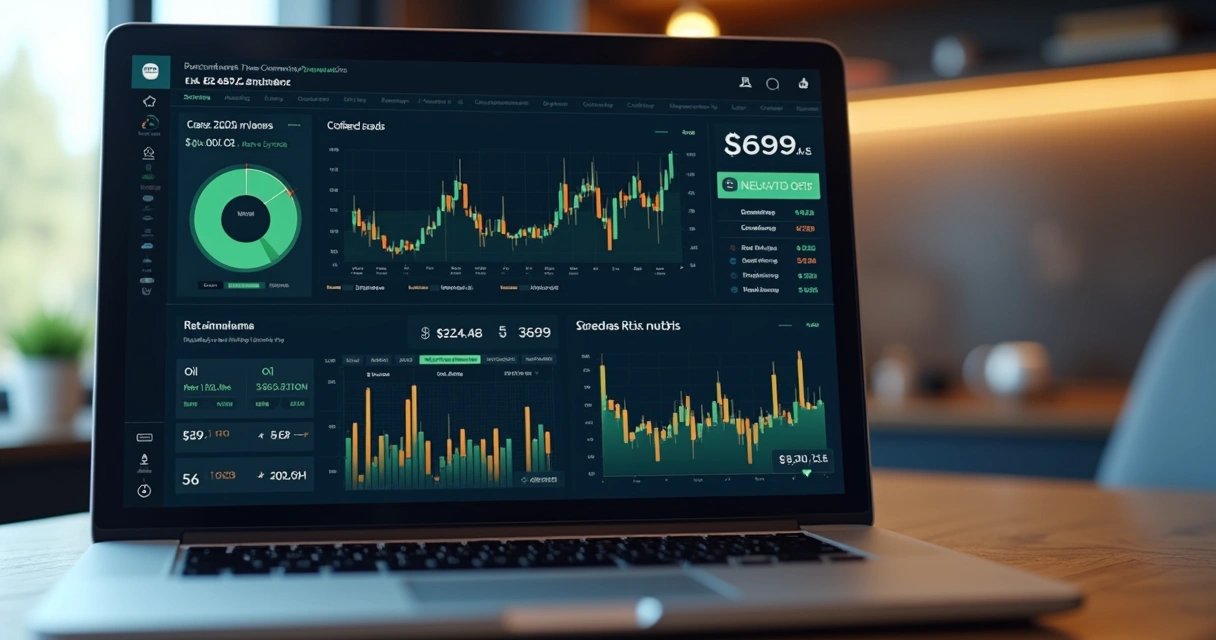
Uhedge addresses this by embedding full governance verification into each workflow. Their unified risk dashboard displays all exposures in real time, running automated end-of-day reporting and compliance checks across multiple asset classes. This helps both treasury and CFO teams ensure strategies comply with corporate policy—or regulatory ceilings—without sacrificing agility.
Discipline is enforced as much by technology as by process.
The importance of real-time technology and automation
Using a digital treasury platform, everything from pricing new derivatives to tracking the daily mark-to-market is centralized in one secure environment. Uhedge’s platform automates risk calculations—incorporating Greeks, volatility surfaces, and futures curve projections—and delivers instant alerts when market events trigger risk limits or create new opportunities.
Automated systems mean less time in spreadsheets and more time on strategy and value creation. For busy asset managers and CFOs, this visibility and reporting at a glance make a real difference, letting them adjust positions quickly as soon as market winds shift.

Best practices to build resilient portfolios
How do leading organizations strengthen their approach amid turbulence? Research and expert experience converge on several best practices:
- Continuous diversification, spreading exposures not just across products, but also across geographies and currencies. For more on diversification in the context of commodities, see this discussion at Uhedge.
- Routine stress testing, asking “what-if” questions to probe vulnerabilities and revisit risk limits. Information on common mistakes and how to avoid them can be found here.
- Regular and transparent risk reporting—allowing boards, shareholders, and auditors to understand not only the current risk profile but what has changed and why.
- Embedding risk management as an ongoing culture—where traders and managers constantly scan for warning signs and opportunities, using both their judgment and advanced analytics.
Uhedge integrates all of these in its asset management and software offerings, operating as an extension of its clients’ own trading desks. From margin call optimization to dynamic portfolio rebalancing, every action is guided by both data and discipline.
To learn more, professionals can browse the full commodities knowledge base, or read insights on protection against volatility and protecting margins in unpredictable markets.
Conclusion: take command of your commodity exposures
Trust in quantitative modeling, real-time technology, and transparent governance is more than a competitive edge. It is now a baseline requirement to ensure consistent results and protect against chaos. Uhedge empowers organizations not only to survive but to create value in the face of market shocks and unlock new opportunities. Take the first step by scheduling a risk and strategy diagnosis—bring the expertise and tools of Uhedge to your business table.
Frequently asked questions
What is commodity risk management?
Commodity risk management is the process through which organizations identify, measure, and mitigate exposures to changes in the price, currency, interest rates, or creditworthiness related to commodities. It matches financial tools and internal controls to each source of risk to support stability and profitability.
How can I manage commodity price risks?
You can address price risks by using a mix of tools, including derivatives like futures and options, regular stress testing, and real-time monitoring via digital treasury systems. Adapting the tools to your business's needs and reviewing strategies regularly ensures a more stable outcome.
What are common commodity hedging strategies?
Common strategies include using futures, forwards, and options to lock in prices or create safety nets against large price swings. Advanced approaches—like accumulators, fences, or cross-currency swaps—offer more tailored solutions to balance protection with opportunity.
Is it worth it to hedge commodities?
For many companies, especially those with thin margins or significant volatility, hedging can be a practical way to turn unpredictable cash flows into stable, forecastable results, reducing surprises and protecting the bottom line. The best approaches align risk management tightly with business goals and liquidity needs.
Where can I learn more about commodity risk?
A wealth of detailed articles and practical tips can be found in Uhedge’s commodities learning hub. For global trends and historical perspective, the OECD and FAO reports offer excellent resources.