In the volatile world of agriculture, industry, and energy, price swings are daily news. Businesses managing production costs or sales targets quickly realize: market risk is not just a technical detail—it shapes profit and even survival. Yet, traditional tools, slow processes, and scattered data hamper effective action. Digital innovation, especially AI-powered risk platforms, is changing that equation. Throughout this guide, the author explores how modern technologies redefine trading in commodities, strengthening analysis, agility, and governance for companies exposed to uncertainty.
Understanding commodity trading: the foundation of risk and opportunity
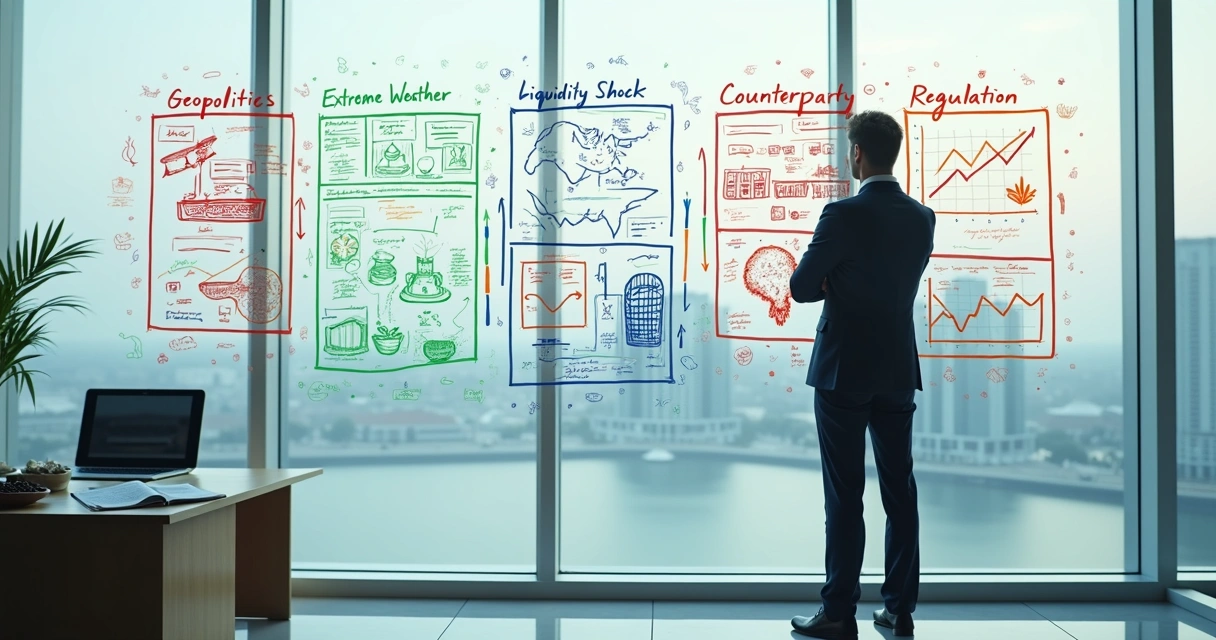
Commodity trading refers to the buying and selling of raw materials or primary products, from wheat to oil to metals. For firms in agribusiness, manufacturing, energy, or related sectors, prices rarely stand still. Fluctuations arise from weather, politics, demand cycles, supply shortages, global events—sometimes all in the same week. The impact? A coffee exporter’s income might surge with a drought in Brazil, or a steel plant’s margins could drop with new tariffs or energy price shocks.
For stakeholders, trading is much more than speculation. Physical trades ensure supply and distribution; financial trades are used to “lock in” prices, transfer risk, or plan production. What sets commodity trading apart is the sheer unpredictability. No spreadsheet or conventional dashboard can keep up with the sheer volume of news, statistics, or behavioral signals.
Research from the FAO outlines how this sector has evolved from simple spot markets to complex forward and futures contracts. These instruments give buyers and sellers a way to reduce uncertainty, helping smooth out prices and income streams in an increasingly global and interconnected market according to the FAO.
The importance for companies: margin protection, planning, and survival
Every player exposed to commodity prices—whether a farmer, a refiner, or a food processor—faces the same core issue: how to protect or enhance margins while meeting contract and budget targets. In many sectors, year-to-year or even month-to-month swings in price can erase profits or, conversely, drive windfalls.
- In agriculture, volatile grain or coffee prices directly affect farm income over the season.
- Energy companies must hedge fuel costs to avoid shocks from international disruptions.
- Manufacturers manage inputs like steel, plastics, or sugar, where price spikes can affect product pricing and competitiveness.
Risk is a cost, unless managed as an opportunity.
The challenge is rarely a lack of will. It’s the overwhelming complexity of data and the pace of change. As the market landscape in Brazil and globally shows, companies need tools that not only track, but also anticipate market moves.
Key financial instruments: securing tomorrow, today
Futures contracts: the backbone of managed risk
A futures contract is an agreement to buy or sell a specified quantity of a commodity at a predetermined price at a future date. Used by farmers, traders, and producers alike, futures are standardized and traded on exchanges. They provide a transparent benchmark and are ideal for “locking in” prices ahead—the classic defense against volatility.
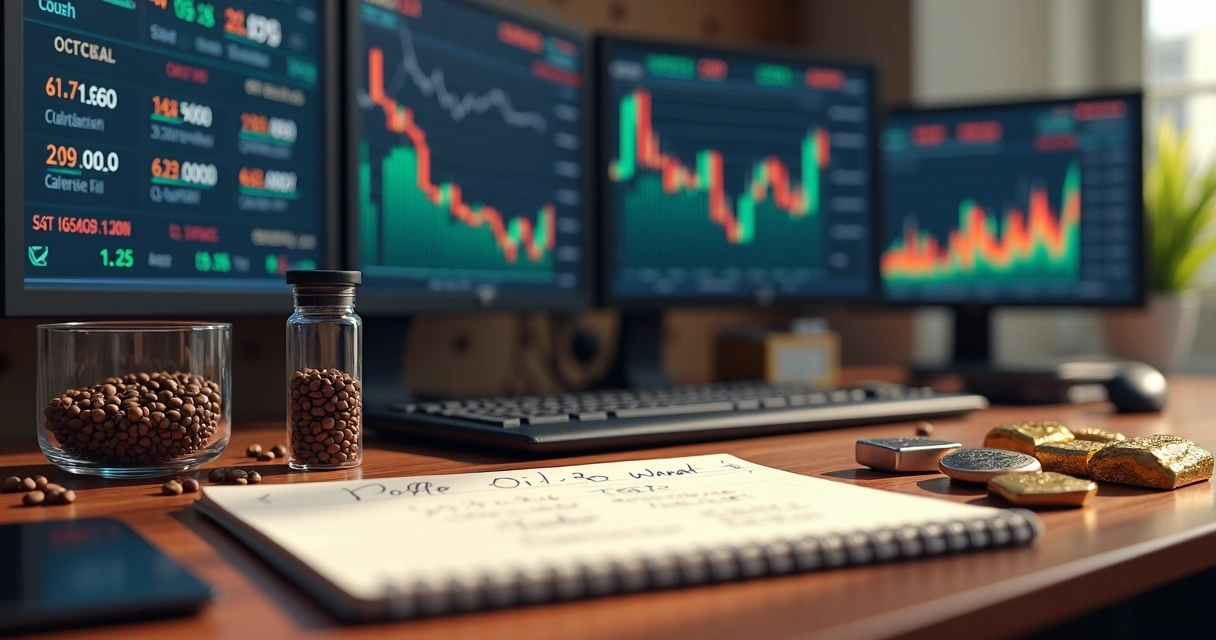
The practical upshot? Futures shift risk: a farmer can receive a known minimum price, while a buyer gets cost predictability. If the market soars or drops, the futures contract acts as a financial anchor.
OTC derivatives: flexible tools for tailored strategies
Beyond futures, the world of over-the-counter (OTC) derivatives offers custom solutions. These bespoke contracts—such as swaps, options, accumulators, and fences—let companies tailor their risk management even further. In practice, these tools allow for highly specific coverage. For example, an average price contract might be used if supply is irregular, or an accumulator can lock in prices progressively.
However, the complexity of such products can be daunting. Without advanced analytics and transparent pricing, companies often struggle with fair valuation, optimal structuring, or even operational risk. That’s why technology is central to modern trading solutions.
This evolving landscape is continuously shaped by advances in financial engineering, quantitative methods, and artificial intelligence, as highlighted by innovations such as the Uhedge Software suite, which brings together real-time pricing, AI-driven recommendations, and unified oversight for all types of instruments and exposures.
The persistent challenge: managing multiple market factors without integration
The biggest operational roadblock for companies with exposure to commodity prices is not access to information, but the lack of a consolidated environment to ingest, process, and act on it. Many operate with fragmented spreadsheets, internal platforms, or siloed systems for different exposures. What happens?
- Manual consolidation is slow and error-prone.
- Disconnected data can obscure risk concentrations or opportunities.
- Decision-makers often react late—or miss critical market signals entirely.
A single pricing shock or news headline can ripple through portfolios in minutes. Without disciplined tools, teams become reactive, rather than proactive. According to industry analysis of common hedge errors and how to avoid them, failure to coordinate exposures and strategies—across FX, rates, and commodity markets—frequently leads to missed opportunities and unwanted risk.
A fragmented system is an invitation for hidden risk and missed profit.
The power of AI-driven risk and pricing platforms
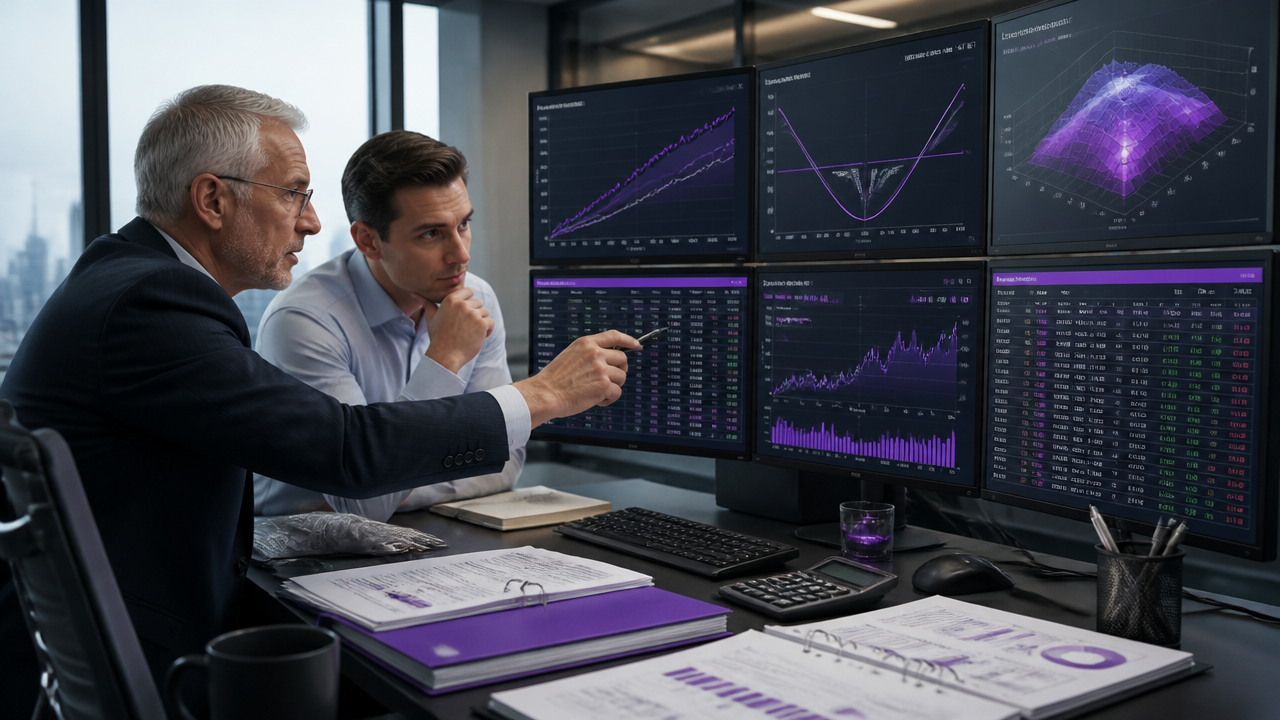
Artificial intelligence is reshaping risk management. AI-powered tools process vast quantities of data—in seconds, not hours. They capture not only prices and volumes, but also news, macro trends, technical signals, and even weather patterns.
Platforms like UHEDGE Software were built to do what is “humanly impossible”: analyze, calculate, and recommend actions in real time. The secret formula lies in high-level quantitative modeling, combining advanced statistics, econometric methods, and financial engineering to cut through noise and deliver actionable insights.
Centralizing data, automating complex decisions
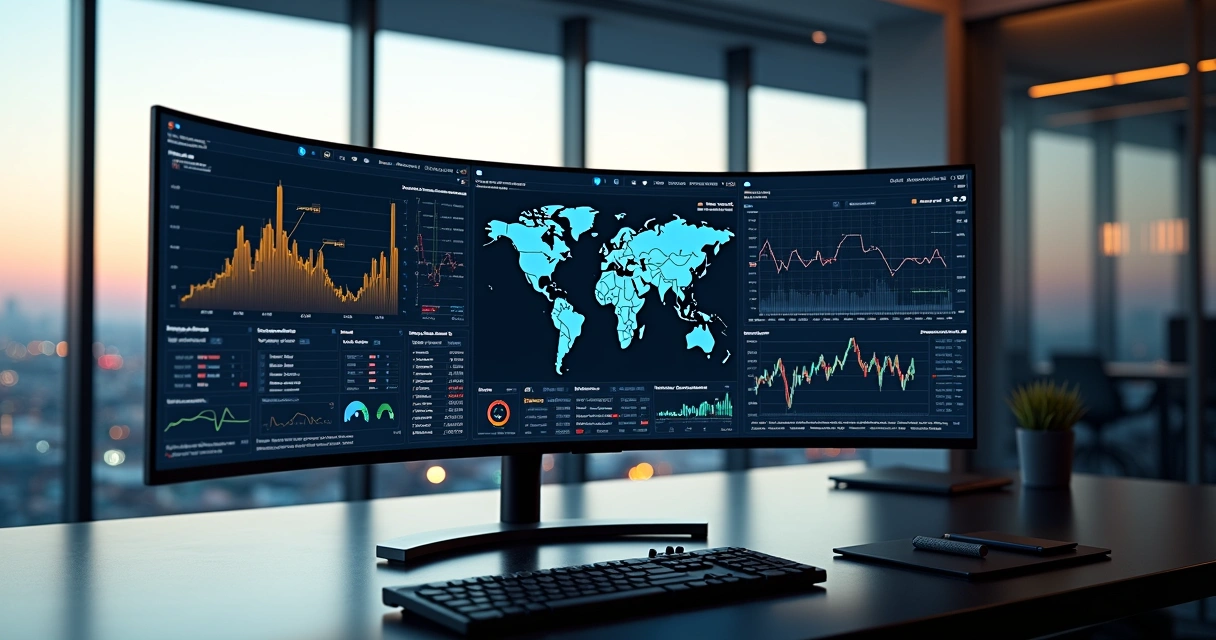
An AI-powered platform offers far more than a digital spreadsheet. It acts as a unified “digital treasury”—a central nervous system for all market positions, risks, and instruments. With algorithms trained to process current and historical data, forecast directions, and optimize actions, the platform shifts the role of teams from number crunching to strategy.
- Real-time pricing for vanilla derivatives and custom structures, including swaps, accumulators, and fences.
- Automated scenario analysis and “what-if” simulations.
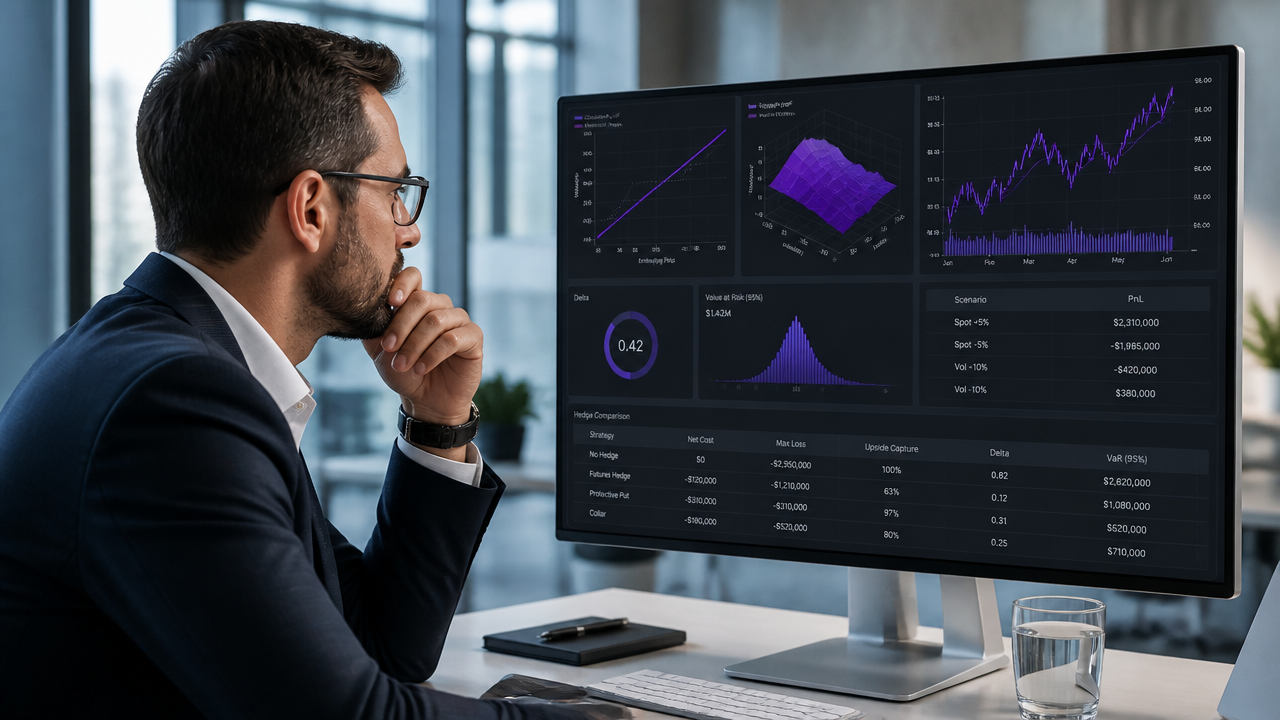
- Quantitative risk indicators, such as Delta, Gamma, Vega, Theta, and value-at-risk.
- Market recommendations aligned with risk appetite and company policy.
- Automatic reporting and compliance documentation.
With these capabilities, companies gain not only transparency but also the confidence to act swiftly—a necessity in today’s interconnected marketplace.
Bringing AI and analytics to commodity hedging: how UHEDGE leads transformation
UHEDGE stands out by combining market expertise, a robust quant-driven methodology, and AI-powered automation. Here’s how these components empower decision-makers:
- Unified visibility across FX, rates, and commodities: All exposures—whether physical or financial—are displayed in a single view. This includes assets and liabilities, margin requirements, and open market positions. For multi-industry groups, that unified dashboard is not just a technical upgrade, but a strategic asset.
- AI-powered recommendations: Machine learning models process vast arrays of risk factors, adapting to market type and timing. They propose hedging strategies tailored to the company’s unique objectives and liquidity constraints.
- Accessibility of OTC products: Traditionally, OTC derivatives required negotiation with counterparties and special expertise. UHEDGE democratizes this, using replicating algorithms that provide instant access and standardized pricing.
- Real-time monitoring and governance tools: The platform continuously tracks P&L, Greeks, futures curves, and volatility surfaces. It facilitates end-of-day reports, risk maps, and compliance checks—ensuring deviations are caught and rectified swiftly.
- Bespoke, data-driven hedge strategies: Each client’s risk profile, objectives, and cash flow needs shape their solution. The onboarding process is not about selling a generic tool, but defining a strategic plan that is monitored and revised with discipline and transparency.
The net result is rigorous control, cost efficiency, and strategic clarity, as described in real client case studies featured in the practical hedge strategy guides.
Advantages of advanced platforms: beyond the numbers
Real-time monitoring and actionable analytics
Traditional methods rely on collecting market data and processing trends over hours, sometimes days. AI-powered dashboards update every second, scanning for risk triggers and profit opportunities. One coffee cooperative, for example, uses a risk dashboard to identify rapid changes in currency or futures prices. This enables the team to time their hedge actions precisely, rather than simply reacting post-factum.
Live data transforms reaction time into opportunity time.
- Unified control makes it easy to match physical positions (what a company owns or must deliver) against paper trades (market contracts).
- Scenario simulation—like running stress tests for “what if energy prices surge 20%?”—brings new discipline to planning.
- Automated performance reviews highlight what worked, what didn’t, and why.
Advanced risk modeling and smart alerts
Strong modeling matters. Using high-frequency quantitative analysis, platforms anticipate risks that might otherwise slip through. In practice, predictive models assess not just direct exposure, but also second-order effects—how changing rates, spreads, or volatilities will ripple across portfolios.
Alerts are not simple price notifications. AI systems flag structural risks, like breach of risk limits, or send early warning signals about liquidity constraints—all critical for CFOs and trading leads who must protect both profits and compliance frameworks. Fed research shows the expansion of AI infrastructure is generating new business models and hardware supply chains; the impact is equally strong in service and risk solutions.
Integrated governance and full compliance monitoring
In heavily regulated environments, robust governance is more than a checkbox. End-of-day reporting, audit trails, and risk maps—displaying where value and volatility intersect—help satisfy both company boards and external authorities. Automated compliance checks minimize the risk of human oversight and keep all stakeholders informed.
Practical use cases: agility and timing in the real world
Case 1: Coffee “C” futures portfolio management
Imagine a cooperative managing both physical coffee stocks and financial hedges on the NYBOT exchange. The key problem is matching market actions to real-world delivery schedules. Using advanced risk software, the cooperative:
- Aggregates all physical deliveries and future sales obligations.
- Simulates outcomes for different trading strategies, balancing competitive pricing and risk tolerance.
- Uses AI-powered signals to identify when to add, reduce, or hold hedges—making high-frequency adjustments impossible to execute manually.
The cooperative consistently outperforms industry benchmarks over multiple seasons, capturing more income when market opportunities arise and limiting losses when adverse events occur.
Case 2: Energy company managing oil and currency risks
A mid-size fuel distributor purchases its input in US dollars, but sells to domestic clients at a variable local price. With an integrated digital platform, the company:
- Receives live signals from the FX and oil futures market in one dashboard.
- Uses “what-if” scenario analysis to measure the impact of global price hikes or currency devaluation.
- Automates margin calls and liquidity reporting, ensuring that rapid market swings don’t jeopardize working capital.
Integrated risk management gives business leaders better timing and safer decisions.
The company reduces hedging costs by up to 70% compared to manual or fragmented strategies—and never gets caught off-guard on supply contracts.
Case 3: Manufacturer supporting product pricing stability
A food processing plant depends on stable sugar and packaging costs. Through a desktop digital treasury system, management tracks:
- Historical pricing curves and short-term forecasts for their core raw materials.
- Automatic recommendations that blend swaps, options, and futures into a single covered portfolio.
- Governance and compliance logging, supporting both audit and internal reporting standards.
This allows both safer long-term contracts and more competitive client pricing—turning risk management into a sales advantage.
Strategic benefits: risk transformed into a controlled advantage
The transition from fragmented, manual processes to a unified digital treasury isn’t just a technical win—it’s a business transformation. Well-managed companies move from defensive hedging to proactive value creation.
- Increased profit margins: Optimized hedging cuts out excess cost and maximizes captured market opportunities.
- Predictable cash flow: Through Modelagem de Riscos Restritos, companies “amortize” market shocks, gaining visibility for planning.
- Rapid, data-backed decisions: With instant access to risk factors and strategy recommendations, teams move first, not last.
- Full compliance and transparency: Every step is visible, audited, and aligned with internal and external demands.

The role of management: active control, tailored to each institution
Every company profile is different. A factory exporting globally faces FX swings; a sugar mill riding a bumper-crop year wants to “lock in” gains; an airline buffers fuel price swings. What unites them:
- The need for discipline and visibility across all trades and positions.
- Bespoke strategies that reflect the actual risk appetite and financial priorities—never a generic, one-size-fits-all approach.
- Continuous alignment with regulatory guidelines and board-level policies.
Uhedge’s model, for example, is designed to avoid conflicts of interest—aligning business goals with client results. The company wins when its client wins, focusing on value creation, not just risk minimization.
What digital treasury means for institutional clients
Institutions need more than a “tool.” They require a fully integrated solution that brings:
- Control and discipline: Every operation, from FX to energy to agricultural commodities, is managed in a single environment with rigorous oversight.
- Market insight and action: Predictive analytics, historical data, and live pricing let firms spot patterns, time trades, and avoid shocks.
- Seamless governance and regulatory fit: Automatic reporting, full audit trails, and compliance checks meet modern governance standards.
Uhedge’s software, acting as an “extension of the trading desk,” has helped clients across agribusiness, energy, and industrial sectors build resilient plans for profit and governance. This is reflected in the content and perspectives within dedicated commodities market news and strategy articles.
Staying cautious: AI’s promise and pitfalls
With growing AI adoption, some risks shift from market dynamics to tool selection and oversight. Public warnings have emerged about scams where companies or individuals claim “guaranteed AI profits,” only to defraud unwary investors. The CFTC has issued guidance emphasizing skepticism, due diligence, and proper regulatory compliance to avoid such pitfalls as cautioned by the CFTC.
Trust must be grounded in transparency and proven expertise—not exaggerated AI promises.
Uhedge’s model encourages transparent reporting, client testimonials, and a consultative approach grounded in actual trading discipline, not hype.
Conclusion: AI-driven commodity trading, from complexity to confidence
Commodity trading will never become simple, but its challenges are far from unsolvable. Companies supported by data-driven platforms, AI-powered analysis, and unified digital environments gain more than control: they position risk as an engine of opportunity, not threat.
For business leaders seeking not just resilience, but strategic edge in the unpredictable world of global markets, digital treasury solutions such as those developed by Uhedge mark a turning point. They bring together technology, expertise, and alignment—reshaping what is possible in market timing, governance, and profit creation.
The next step for every institution is not just to watch from the sidelines, but to engage with advanced risk solutions, seek a dedicated diagnostic, and start building tomorrow’s margins—today.
Discover how Uhedge can become the extension of your trading desk. Reach out for a strategic risk assessment and join those transforming uncertainty into robust results.
Frequently Asked Questions
What is AI-powered commodity trading?
AI-powered commodity trading uses artificial intelligence algorithms to automate or enhance the analysis, pricing, and execution of trading strategies for raw materials or primary goods. It allows traders and risk managers to process massive amounts of data, recognize patterns faster than manual methods, and make better decisions regarding risk and opportunity. Platforms like those developed by Uhedge leverage machine learning, quantitative analytics, and unified dashboards to handle everything from trade recommendations to compliance in real time.
How can AI help manage trading risks?
AI helps manage trading risks by forecasting price trends, running scenario analyses, alerting for major risk events, and suggesting optimal hedge strategies based on live data. Its predictive power goes beyond “what is happening” to “what could happen next,” supporting quicker reaction and smarter risk allocation. In addition, AI centralizes fragmented data across FX, commodities, and rates, preventing oversight and giving management a direct view of exposures. Real-world case studies have shown consistent profit margin improvements using AI-enhanced tools for risk oversight.
Are AI trading tools worth using?
For businesses exposed to high market volatility, AI trading tools offer significant advantages in speed, clarity, and decision quality compared to traditional, manual methods. Companies report substantial cost reductions, better timing on trades, and reduced compliance headaches. The key is choosing tools with proven track records, transparent AI models, and alignment with business goals, such as those offered by recognized advisory platforms like Uhedge.
Where to find top commodity trading tools?
Top commodity trading tools are available from specialized financial technology firms and advisory partners who focus on quantitative risk management and AI-powered software. It's best to choose solutions—and read supporting industry discussions—in places dedicated to commodities market analysis, such as sector-focused blogs and regulated advisory providers. For helpful resources, see Uhedge’s own library of practical strategy articles on their commodities news page.
How much do AI trading platforms cost?
The cost of AI trading platforms varies, depending on features, depth of analytics, integration needs, and customization level. Institution-grade platforms that support unified risk dashboards, real-time pricing, and compliance monitoring tend to be offered on a subscription or license basis, often tailored by business size, asset volume, or chosen services. Uhedge, for example, tailors solutions through an initial strategic diagnosis to match each client’s exposure profile and operational scope, ensuring efficiency in both costs and outcomes.