
The demands on treasury teams today reach beyond simply managing cash. They also span navigating market volatility, staying compliant, and making rapid, data-driven decisions. For companies deeply exposed to foreign exchange, interest rates, and commodities markets, a robust treasury management system is the backbone of financial resilience and strategic clarity. This guide unpacks how these platforms operate, how modern solutions like those from Uhedge disrupt the old ways, and what steps help risk teams maximize the value from integrating such systems.
Setting the stage: What is a treasury management system?
A treasury management system (TMS) is a technology platform designed to centralize and control a company's cash flows, forecasting, financial risk, and exposure management across currencies, interest rates, and commodities. Traditional setups were patchworks—disconnected spreadsheets, bank portals, and manual reconciliations. This led to incomplete oversight, higher operational risk, and missed opportunities.
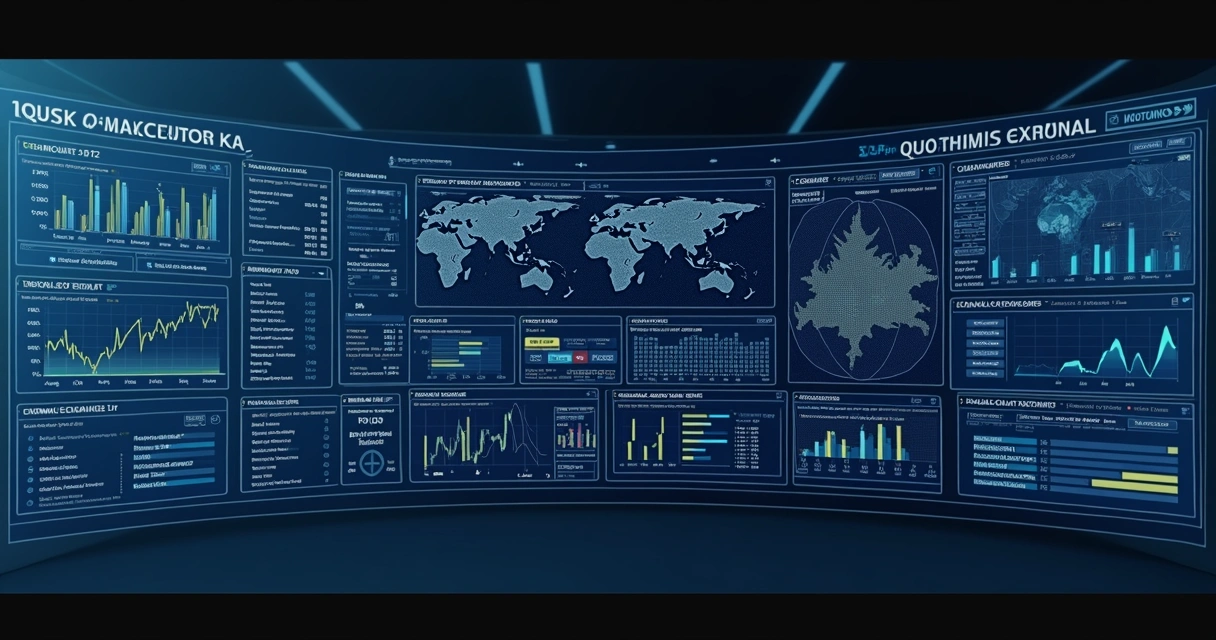
The new generation of TMS empowers real-time visibility, automation, and decision support, leveraging scientific modeling and artificial intelligence where legacy systems relied on manual processes. Uhedge's Digital Treasury, for instance, aggregates all financial exposures in a single dashboard, enabling quant-driven management and disciplined governance grounded in nearly 20 years of market experience.
Why treasury structure is critical in corporate finance
Modern treasury teams must coordinate cash, liquidity, and market risk not only for routine business but to shield against unpredictable global currents. FX shocks, interest rate winds, and commodity swings are daily realities for many industries.
Unified risk control turns uncertainty into strategy.
Within this landscape, a well-structured system isn’t just helpful—it is the cornerstone for preserving margins, supporting growth, and ensuring compliance.
Being able to forecast cash accurately, optimize liquidity, and monitor real-time exposure distinguishes winning treasury teams.
- Cash forecasting prevents surprises and guides precise actions
- Liquidity management keeps working capital available—right when needed
- Risk dashboards surface hidden exposures and simulate “what-if” scenarios in seconds
Uhedge’s approach puts particular emphasis on combining rigorous quantitative modeling, AI-powered analytics, and tailored dashboarding to help companies actively manage FX, interest rate, and commodity exposures.
From legacy to AI: Comparing treasury system evolution
Traditional treasury management systems evolved from siloed, manual routines. These tools, usually managed locally by the financial team, relied on spreadsheets, phone calls, and delayed statements. Over time, digital dashboards appeared, but many platforms still forced treasurers to chase data from scattered sources and update risk positions by hand.
AI-driven treasury solutions, such as those pioneered by Uhedge, use machine intelligence to process immense volumes of market and trading data, recommend optimal hedging strategies, and maintain rigorous governance in the face of volatile markets. For example, predictive analyses using Uhedge’s platform support dynamic reallocation and automated pricing for even the most complex instruments.
The U.S. Department of the Treasury’s adoption of generative AI for fraud detection—recovering billions in recent years—demonstrates just how effective smart automation can be in safeguarding financial integrity Treasury’s AI-driven fraud detection prevented and recovered over $4 billion.
The backbone modules: What makes up a modern treasury management system
Cash forecasting and liquidity management
Cash forecasting models try to answer, “Will tomorrow’s obligations be covered?” Effective platforms aggregate bank positions, open trades, payment cycles, and anticipated receipts. Uhedge’s solution enables both predictive and historical cash scenario analyses, always up to date.
Liquidity management keeps businesses ready for margin calls or investment opportunities by optimizing how and where capital is held. Automated recommendations from AI enable companies to move funds proactively, not reactively—ensuring cash is always at the right place and time.
Market risk dashboards and analytics
A feature-rich dashboard tracks FX, interest, and commodity positions with real-time mark-to-market calculations and risk metrics like Delta, Gamma, Vega, and Theta. Companies can simulate portfolio outcomes under stress conditions—the so-called “risk maps”—giving management insight to act before trouble hits.
Uhedge’s comprehensive dashboard pulls together both the physical and financial sides of exposures, providing shape and predictability in an uncertain world. With predictive analytics, treasurers gain the confidence to recommend and execute strategies tailored to their own risk profile.
Hedging recommendations and structured products access
Classic challenges in corporate finance include not only identifying risk but also accessing cost-effective ways to hedge it. Instead of mere alerts, the system provides actionable, AI-driven recommendations—whether for vanilla hedges or more sophisticated structures like accumulators and fences.
This democratizes access to tools that were once reserved for only the largest market players.
Unified view and audit trail
Transparency and compliance depend on a unified environment. Uhedge Software centralizes all operations, automating EOD reporting, compliance monitoring, and historical tracking for error-free audits and stronger governance.
As regulations tighten worldwide, clear trails and automated reporting have become non-negotiable.
Full visibility, stronger controls, no surprises.
System integration: Centralizing treasury for performance and control
When treasury operates across multiple platforms, problems multiply: data delays, unclear responsibilities, and inconsistent risk-taking. A well-implemented solution centralizes bank accounts, trading positions, third-party feeds, and accounting—all in one environment.
This centralization provides:
- Real-time exposure monitoring
- Automated data consolidation
- Smoother audit processes and compliance certification
- Streamlined internal and external reporting
The U.S. Treasury's push to standardize responsible AI use in finance with its recent lexicon and risk management framework reflects the rising significance of integration and transparency in financial services Artificial Intelligence Lexicon and the Financial Services AI Risk Management Framework.
The automation edge: Simplifying reconciliation, payment, and compliance
Automation eliminates time-consuming, error-prone manual tasks in treasury—freeing up teams to focus on strategic actions rather than busywork. Today’s platforms integrate with ERP and banking systems to automate confirmations, payment sweeps, reconciliations, and even regulatory monitoring.
Audit trails, compliance certification, and real-time report generation mean less firefighting and more forward planning. For Uhedge users, automated end-of-day and mark-to-market reports provide clarity and speed for audits.

Recent U.S. Treasury reports highlight that AI solutions in finance have amplified both efficiency and the capacity to catch fraud, but require careful management of privacy and third-party risk—affirming the value of trusted, rigorously-tested platforms December 2024 report on increasing AI use in finance.
Evaluating the right platform: What risk teams should look for
Choosing the right treasury technology platform is about fit—not just features. Risk teams should carefully weigh several factors before implementation:
- Modularity: Can the system evolve as treasury needs change? Modularity allows teams to add modules (FX, liquidity, commodities) as the business grows.
- Adaptability: Does the platform adapt to new regulations, market structures, and emerging risks?
- Rapid deployment: Quick roll-out without months of custom IT work gets teams running fast and reduces “change fatigue.”
- Vendor due diligence: Track record, client endorsements, and a transparent, aligned business model—like Uhedge’s “we win when the client wins” approach—signal long-term reliability and partnership.
- User experience: Look for ease of use, clarity in dashboards, and simple onboarding. Complexity should be under the hood, not on the user interface.
It’s not just about what the tool can do, but how well the platform fits into the daily work of diverse treasury teams.
Real-world users of advanced treasury tools often cite testimonies that the right system fills essential gaps—keeping risk management both disciplined and proactive, even as the market evolves.
The strategic benefits for asset-intensive businesses
Asset-heavy sectors—think agriculture, commodities, manufacturing, and energy—face high volatility and complex risk matrices. For them, unified cash and risk oversight is more than a convenience; it is essential for survival. With a treasury platform like Uhedge, companies can:
- Turn uncertain, variable costs (like commodity prices) into predictable numbers
- Optimize working capital, turning margin calls into manageable routine rather than last-minute emergencies
- Achieve strict discipline in risk and liquidity management across all business units
- Meet and even surpass compliance and governance standards by documenting every decision and trade
Risk becomes an ally, not just an enemy.
These elements power more robust growth and margin expansion, with fewer unwelcome shocks.
To see tactical approaches in action for hedging interest rates or FX, resources on hedging interest rates in Brazil and efficient FX protection show how technical disciplines protect and enhance margins.
How to implement: Best practices for treasury transformation
Successful treasury platform rollouts follow a clear, data-driven process:
- Engage stakeholders early: IT, finance, operations, and risk teams must all buy into the project from the outset. Interviews and workshops clarify pain points and set shared priorities.
- Clean and integrate data: Legacy system data, market feeds, and transaction histories need to be standardized and migrated. This step is critical for historical analysis and ongoing audit accuracy.
- Prioritize user experience: Choose systems with intuitive UIs, routine training, and real-world test scenarios.
- Test, adjust, expand: Start with foundational modules such as risk aggregation and cash management. Scale to advanced analytics and automation once the base is stable.
- Monitor and iterate: Periodic reviews ensure the platform keeps pace with market evolution and regulatory change. Uhedge’s technical team, for instance, takes a partnership approach, fine-tuning outputs as markets shift.
Feedback from industry surveys shows most treasury functions are in early stages of Generative AI adoption—mainly in cash-flow forecasting and rate management—but even initial benefits deliver meaningful improvements in oversight and responsiveness Treasury World survey covered by Treasurer Magazine.
Practical lessons from Uhedge’s model
Uhedge’s dual expertise in software (Trading Solutions) and asset management exemplifies how new approaches transform the practice of treasury. By acting as an extension of the client’s trading desk, Uhedge ensures that both technology and human insight come together for superior results.
By combining quantitative models, AI-driven recommendations, and real-time dashboards, clients gain the discipline and agility needed to face modern volatility head-on. This is what distinguishes digital treasury solutions from legacy models.
The Uhedge business model—fully aligned with client interests—emphasizes the tangible bottom line. Teams are empowered not only to protect but to create value, with controls and transparency to satisfy both auditors and boards.

For readers new to risk management or seeking structured guidance, the complete practical guide to hedging strategies and risk management insights from the Uhedge blog provide further learning.
Conclusion: Raising the bar for treasury
The landscape for risk and treasury management is moving swiftly, powered by advances in AI, scientific modeling, and user-centric design. Systems like Uhedge’s Digital Treasury blend these forces—delivering not just oversight, but discipline and clarity that drives profits and strategic success.
The race for resilience is not just about technology, but in combining scientific rigor, transparency, and a client-centered partnership. Uhedge stands at the intersection of these principles, helping clients turn complexity into actionable strategy. For organizations with significant FX, interest rate, or commodity exposures, effective treasury platforms are a gateway to new value and predictability.
Take action now—find out how Uhedge’s treasury and risk management expertise can help your business guard its future and realize its financial strategy.
Frequently asked questions
What is a Treasury Management System?
A Treasury Management System (TMS) is a software platform designed to centralize, track, and control an organization’s cash, liquidity, exposure to market risk (such as FX, interest rates, and commodities), and related compliance. Modern TMS platforms aggregate information across all financial instruments and business units, providing a unified dashboard so treasury teams can make informed decisions quickly and confidently.
How does a Treasury Management System work?
A TMS operates by consolidating all financial data—bank positions, market exposures, and payment schedules—into one real-time environment. Built-in analytics model risk factors and simulate outcomes under different scenarios. AI and automated modules recommend actions such as optimal hedging strategies, liquidity reallocations, or compliance reporting. This turns daily operations from reactive firefighting into proactive financial management.
Is a Treasury Management System worth it?
Yes, especially for any organization with significant exposure to market volatility, complex cash flows, or strict compliance needs. The ability to monitor risks in real-time, automate processes, and provide robust audit trails leads to fewer surprises, lower costs, and more efficient governance. A well-deployed system often pays for itself through improved decision-making and reduced risk.
What are the benefits of using TMS?
Key benefits of a treasury management platform include:
- Real-time cash visibility and more accurate forecasting
- Reduced manual work through automated reconciliations and reporting
- Integrated risk control across FX, interest rates, and commodities
- Streamlined compliance monitoring and audit support
- Data-driven recommendations for hedging and liquidity management
How much does a Treasury Management System cost?
TMS pricing varies based on the number of modules, level of customization, and size of the organization. Costs can be subscription-based (monthly or annual) or charged per-user or per-transaction. For advanced platforms like those offered by Uhedge, investment is typically a fraction of the value created through reduced market exposure, lower operational risk, and larger cost savings from automation and process centralization. For an accurate quote, scheduling a consultative meeting with the provider is the best first step.
For readers wondering if their portfolio needs structured hedging strategies, the article on signs your portfolio may need hedge strategies offers a checklist and next steps.