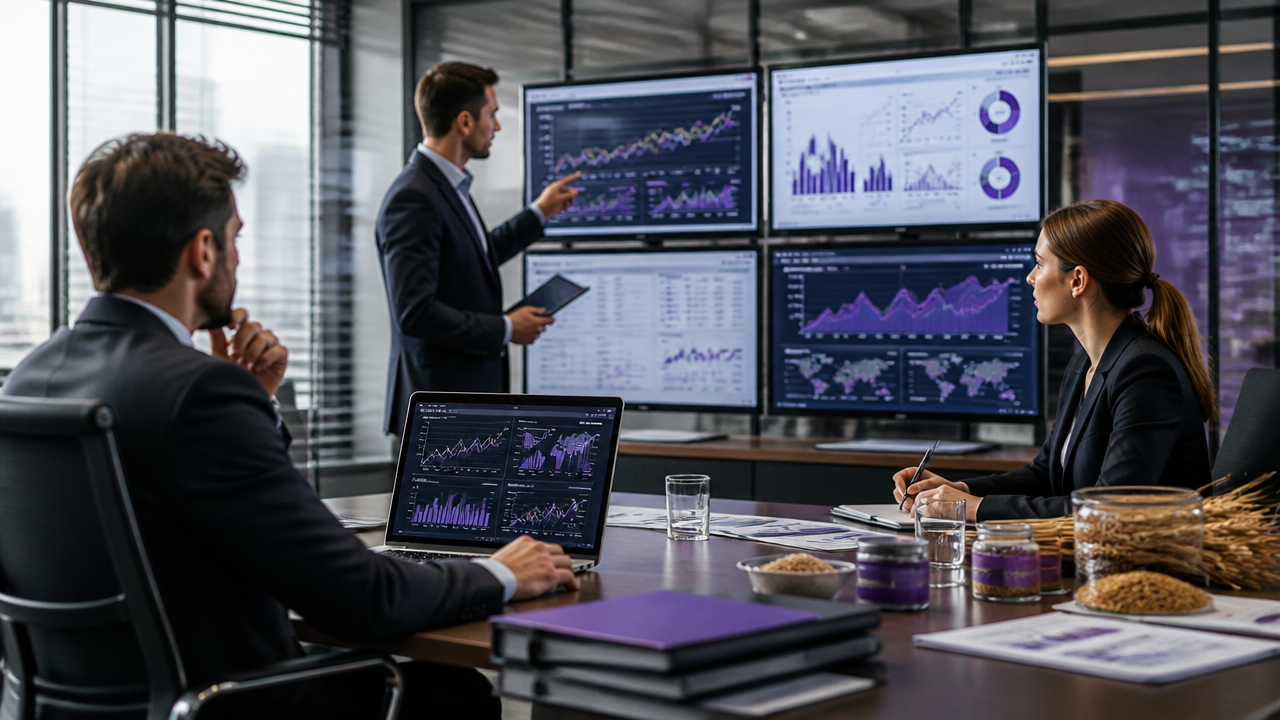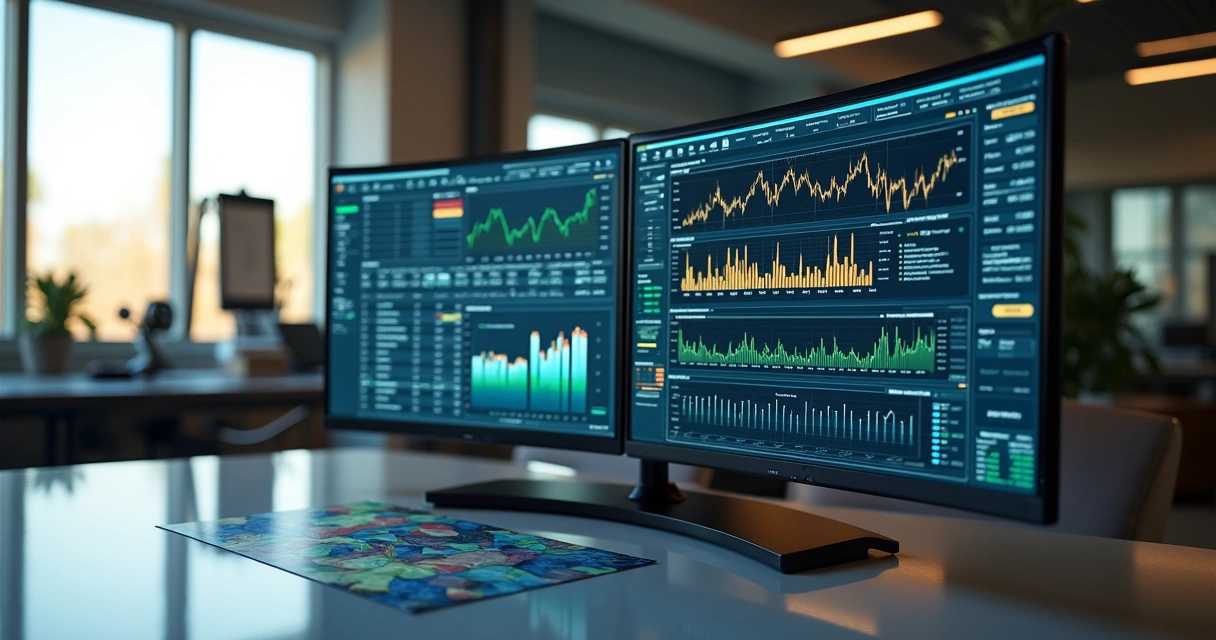
Agribusiness has always wrestled with the unpredictable. Fluctuating commodity prices, sudden currency shifts, and rising interest rates are part of the landscape. For CFOs and treasury teams, the tools chosen to navigate this environment—be it traditional Enterprise Resource Planning (ERP) systems or dedicated digital treasury platforms—can make a meaningful difference in their ability to respond to change, manage risk, and make timely decisions.
But which solution truly addresses the unique risk management needs of the agroindustry? Unpacking this question requires a look at portfolio visibility, derivative pricing, compliance, and how real-time analytics play out in day-to-day operations.
Understanding the different systems
To start, it's important to clarify what ERP systems and modern treasury solutions actually do for companies managing risk in the agricultural sector.
- ERP systems organize and automate core business functions. They are the digital backbone for finance, procurement, supply chain, and human resources.
- Treasury software, especially the type built by UHEDGE, focuses on market risks—tracking cash, handling foreign exchange, pricing derivatives, and supporting risk strategies.
These two categories of digital tools often overlap but they stem from fundamentally different origins. For the agroindustry, where operating exposure to global commodities, FX, and interest rates is immense, the line between “operational” and “market” risk is thin. Understanding which tool best supports the business means asking, “Where does risk live in the company? And how visible is it?”
Portfolio visibility: How far can you see?
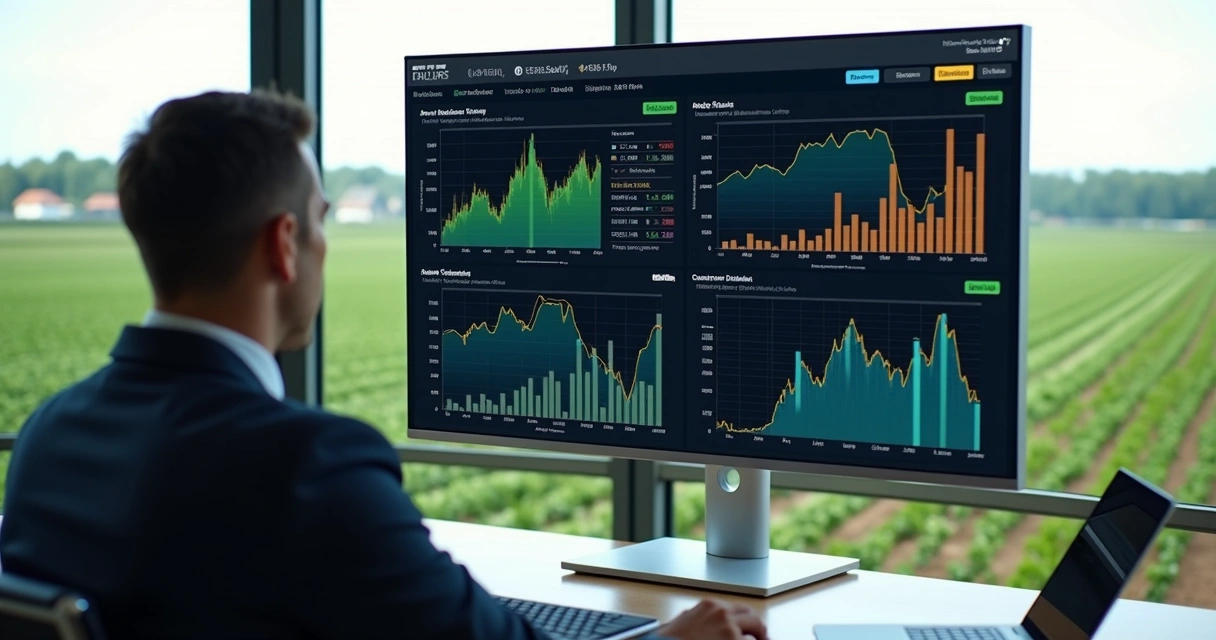
Traditional ERP systems offer a strong, centralized view of company finances—receivables, payables, order management, inventory, and more. But when it comes to market risk exposure, especially in the context of commodities and currency, their line of sight is short. ERP systems often stop tracing value at the sales or purchase contract, with limited insight into what happens when global wheat prices suddenly spike or the local currency shifts value overnight.
Treasury software, on the other hand, enables:
- Real-time monitoring of exposures and hedge positions
- Integration of both physical (inventory, contracts) and financial (future, options, swaps) portfolios
- Aggregated metrics like Mark-to-Market (MTM) across instruments
A treasury system brings all operations—physical and “paper”—into one environment. For the agroindustry, where a single grain shipment might be exposed to price changes in four different currencies and three distinct exchanges, this level of clarity is a breakthrough.
“Risk hides in the gaps between systems.”
Dr. Tiago from STATERRA Asset Management described in a recent piece on risk management that decision-makers often miss exposure because it lives in isolated modules across ERP or spreadsheet systems. UHEDGE’s platform addresses this pain point by creating a single risk “cockpit,” designed for the person who must see the whole picture—often the CFO.
Derivative pricing and structured trades
When a farmer or exporter turns to the market for risk management, they are not always buying simple vanilla futures. The structures—accumulators, fences, swaps—are complex, and their pricing includes embedded volatility and payoffs that are hard to follow.
ERP systems, built for transaction recording and standard processes, rarely include modules to design or price custom derivatives. They may record the contract’s financial flows, but they are not equipped to answer, “What is the value of this exotic option today?”
Dedicated treasury and risk management platforms let users:
- Simulate structured derivatives instantly
- Visualize risk-reward profiles and volatility impacts
- Use algorithmic tools for over-the-counter (OTC) product replication
UHEDGE, for example, marries scientific quantitative rigor with AI to democratize these advanced calculations. The trading-oriented calculator allows users to price an accumulator with or without barriers in seconds, a feature that dramatically speeds up reactions to market swings, as highlighted in their article on derivatives in agribusiness.
CFOs who handle large, complex exposures across currencies and commodities often find that the real value of treasury software is in the “what-if” scenarios: What happens if Chicago wheat rises 11% overnight? How does that impact margin if the local currency falls 7% at the same moment? These answers cannot come from a static ERP report.
Compliance, reporting, and audit trails
For regulated industries, and for any agricultural company with international contracts, audit-readiness is a core requirement. ERPs are, again, strong for financial compliance—accounts, taxes, procurement policies—but often struggle when risk management becomes more technical.
Treasury software pulls in transactional records from both physical trade and risk operations, automatically matching hedges with exposures and time-stamping every action. This supports:
- Full regulatory traceability for derivative contracts
- Transparent audit trails, including who priced and approved each trade
- Integration of compliance checks with global standards
Today’s agricultural giants are not only accountable for profits—they must prove to boards and authorities that risks were matched, exposure was measured, and rules were followed. This is often where the limitations of ERP alone show up. A recent UHEDGE article on common hedge mistakes in commodity management points to inconsistent audit trails as a recurrent issue.
Regulators want the full story—not just the numbers.
Real-time analytics and scenario testing
The ability to act quickly turns risk into opportunity, and this is only possible when analytics are live. Most ERP systems are good at showing the past and present—what has happened, what is happening.
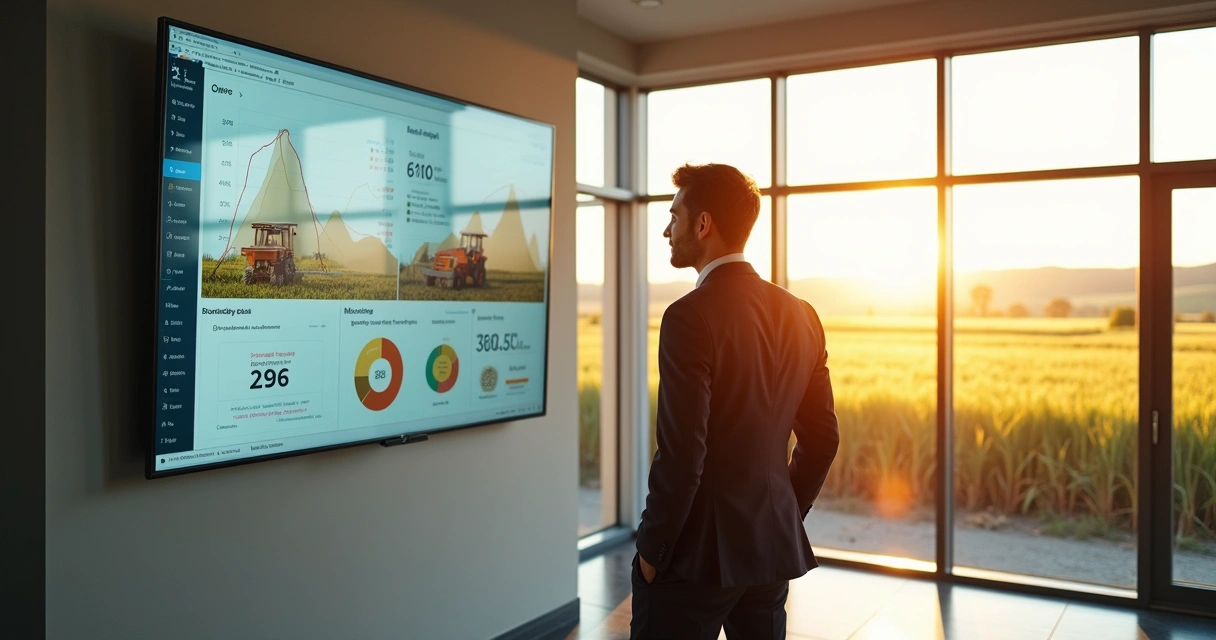
Treasury solutions add the forward-looking view. With AI and quantitative models, a digital treasury platform updates risk metrics constantly: the value of the open portfolio, exposure to future market shifts, the impact of a weather event next week.
- Visualize volatility surfaces and forward curves
- Drill into each commodity, currency, and contract
- Build “what-if” tests to simulate new hedging actions instantly
Strong analytics don’t just keep CFOs informed; they let them anticipate and prepare, which is especially valuable given the inherent unpredictability of the agricultural business.
Integration and practical use cases
One of the top concerns for any company upgrading their technology is what happens at the intersection between ERP and treasury platforms. Integration matters, and friction here is common—systems speak different “languages,” and it’s not always easy to join operational and risk data in real-time.
UHEDGE’s Digital Treasury, for example, addresses this by bridging the data: contracts from ERP are automatically captured so exposures are mapped, market prices are updated, and results flow back to accounting modules. This integration means that while ERP systems continue to handle orders, inventory, and receivables, treasury software stitches in the missing layer—the market context.
Three frequent scenarios faced by agricultural CFOs:
- FX management for exporters: An ERP records sales contracts in foreign currency but cannot value the portfolio as the real-time market shifts. Treasury platforms adjust exposures as the market moves, suggesting new hedges or unwinding old ones.
- Commodity price swings: ERPs track physical inventory and contracts, but if soybean futures rise sharply overnight, only treasury analytics alert managers to margin risk and generate suggestions for structured hedge trades.
- Interest rate risk for capital projects: Financing costs often move with global rates. A treasury system models the potential impact of rate hikes, letting CFOs see forward-looking cash flows and optimize hedging policies.
For more on how companies hedge in unpredictable markets, the UHEDGE blog details strategies to protect margin in volatile commodity markets.
Limitations and challenges of each approach
No system, however sophisticated, is perfect.
ERP systems may struggle with the complexity of derivative products or with the speed at which market data changes. While they offer a single source of truth for historical transactions and compliance, they often lack modules to model risks tied to global events.
Meanwhile, treasury platforms historically required specialized staff to operate, but that has changed with AI-driven interfaces and better integration with ERPs. The challenge now lies in ensuring data consistency across both systems and equipping teams with the right skills to interpret risk outputs, as described by STATERRA in their look at volatility protection.
A tool is only as strong as the team that stands behind it.
In practice, many advanced companies run ERP and treasury solutions side by side, with integration efforts centered on finding that balance where operational data meets market intelligence. For firms with large, complex exposures, however, the evidence increasingly points to dedicated digital treasury as the only realistic way forward.
Conclusion: The right fit for modern agro risk
Agricultural businesses operate in markets that don’t stop for anyone, so the technology stack chosen to manage risk must do more than keep records.Portfolio transparency, instant derivative pricing, compliance, and real-time analytics are not “nice-to-haves”—they are the prerequisites to making confident, timely decisions.
ERP systems will always be necessary for the foundation of operations. But for those dealing with constant exposure to commodity, FX, and interest rate volatility, treasury technology built for the task—such as the AI-driven UHEDGE platform—proves its value in visibility, speed, and precision.
To see how digital treasury and advanced risk management can work for your agro operation, explore more of UHEDGE’s insights on risk management or get in touch to discuss how UHEDGE and STATERRA can support your unique risks and ambitions.
FAQ: Agro risk and treasury software
What is agro risk management software?
Agro risk management software is a digital platform tailored for agricultural businesses, helping them track, measure, and manage exposures such as commodity prices, currency swings, and interest rates. Unlike general ERPs, these systems focus on risk visibility, hedge analytics, and compliance around the unique challenges of agribusiness.
How does treasury software help agriculture?
Treasury software in agriculture allows businesses to monitor in real-time how financial risks change due to commodity and currency market movements. It also helps simulate structured hedge strategies, measure performance, and create reliable audit trails. As seen in UHEDGE’s approach, it connects physical operations with market-based decisions, supporting fast and well-informed actions.
ERP vs treasury software for farm risks?
ERP software focuses mainly on business transactions, inventory, and supply chain management, while treasury software specializes in tracking market risks—like price volatility, currency exposure, and derivative contracts. For farm businesses, the two work best when integrated, but treasury software usually delivers better risk transparency and scenario planning.
Is treasury software worth it for farmers?
For farmers and large agro operations with significant market exposure, treasury software is increasingly justified. It provides the tools to anticipate risk, optimize hedging, and respond quickly to market changes. Especially where fluctuations in price or currency can affect margins, treasury systems offer a valuable layer of security and foresight.
Where to find top agro risk solutions?
UHEDGE and its STATERRA alliance offer robust digital treasury and risk tools designed specifically for agribusiness. Their platform combines quantitative analytics, AI, and practical expertise for CFOs and finance teams. To dive deeper, the best place to start is reviewing UHEDGE’s dedicated risk management content and exploring their full-service ecosystem.