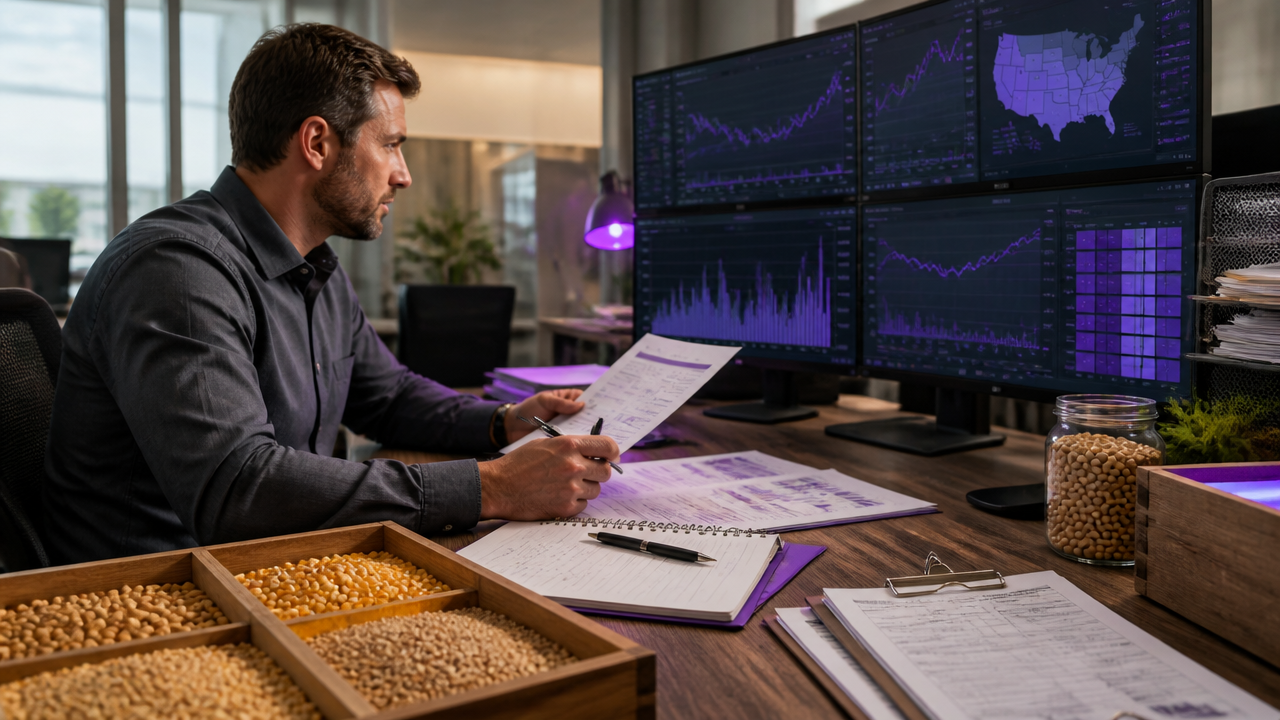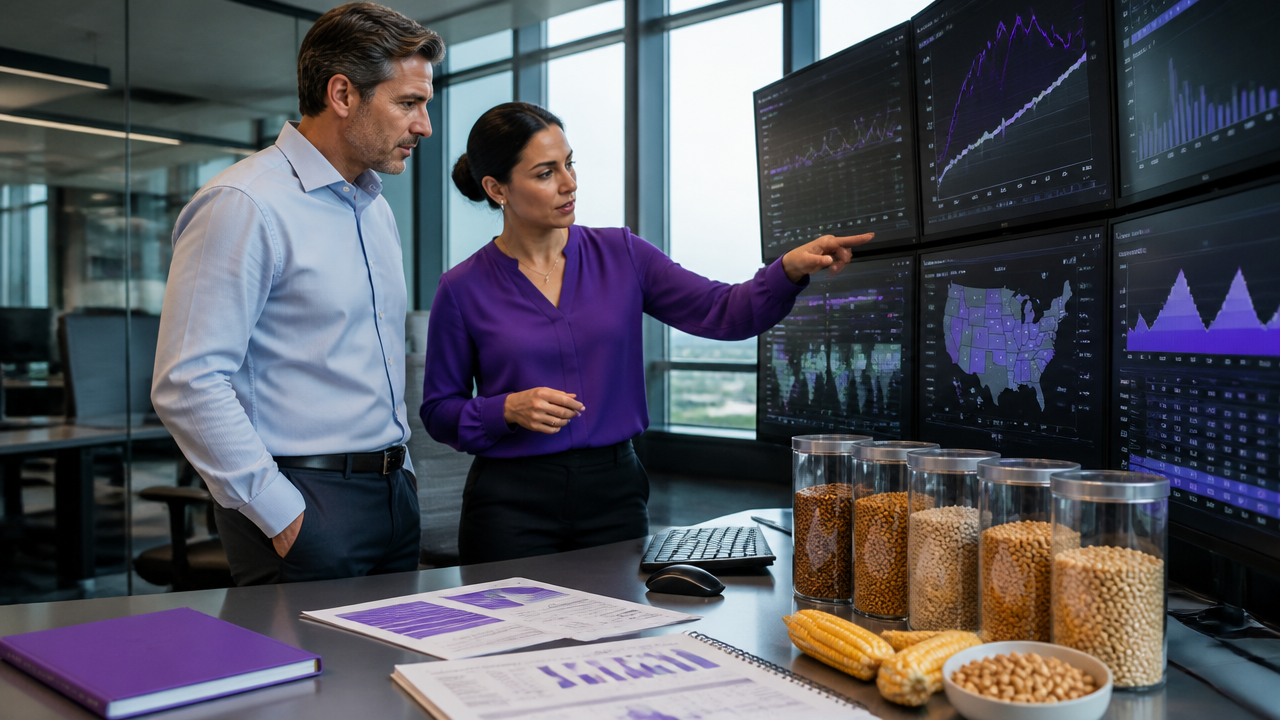
Trading in commodities lies at the core of modern businesses whose margins depend on the unpredictable tides of global markets. For corporations in agribusiness, energy, and industry, exposure to price swings in currencies, interest rates, and raw materials is not just a minor concern—it shapes nearly every strategic move. The way companies handle this exposure is now at the heart of survival and growth, demanding a shift from reactive decisions to a forward-looking, science-driven approach.
Understanding commodity trading and its significance
Commodity trading means buying and selling raw or primary products—such as oil, wheat, metals, and grains—on various exchanges or “over the counter” (OTC). This process enables firms to ensure stable costs for supplies or consistent prices for what they sell. In sectors sensitive to market shifts, a sudden price movement can change the direction of an entire business. For instance, a wheat exporter might see profits erased by an unexpected drop in international prices. Or an energy distributor could struggle if oil costs suddenly soar.
What makes this world unique is volatility. Price fluctuations arise from weather, geopolitical events, global supply and demand, and even rumors. In agribusiness, a drought on one continent changes grain prices worldwide. Industrial producers face metal price swings based on new mining discoveries or political instability in key regions. For energy players, currency swings often matter as much as crude price itself.
Because so much relies on factors out of their control, businesses use sophisticated strategies—far beyond just “buying low and selling high.” The challenge is to structure deals and manage portfolios so that external shocks do not erode long-term value.
- Hedging contracts smooth out revenue or costs despite market shocks.
- OTC derivatives let firms create highly tailored protection for unique risks.
- Unified risk and treasury technology provides real-time insights and control.
Yet, managing all these moving parts has always been a puzzle.
The core of risk: Futures, hedging, and derivatives
To truly understand why digital and AI-powered solutions matter, it is helpful to know the basic building blocks of protection in commodity markets.
Futures contracts and their protective function
A futures contract obligates the buyer to purchase—and the seller to deliver—a specific commodity at a fixed price in the future. This straightforward instrument is often traded on organized exchanges. Its strength is in certainty: the buyer and seller lock in a price today for a later transaction, minimizing risk from adverse future price moves.
Imagine an agricultural exporter who fears that next season’s soybean prices may drop. By entering a futures contract, they secure today’s price, ensuring their revenue remains predictable, even if markets turn volatile.
OTC derivatives for tailored protection
Some needs go beyond what exchanges offer. That is where OTC derivatives—complex, privately negotiated contracts—enter. They let firms design highly specific deals based on unique price indices, quantity, timing, or counterparty requirements.
Options and swaps are common OTC derivatives used to create “hedges” against market risks, enabling both protection and opportunities for upside within carefully set risk limits.
- Options provide the right (not the obligation) to buy or sell at a set price.
- Swaps exchange payment streams, often swapping fixed for floating prices or foreign exchange exposures.
These tools are lifelines for companies facing multiple uncertainties at once, such as exchange rates, seasonal supply shocks, and global demand cycles.
To explore practical strategies in greater depth, readers may find a practical guide on hedge strategies invaluable.
The structural challenge: Human limits and fragmented tools
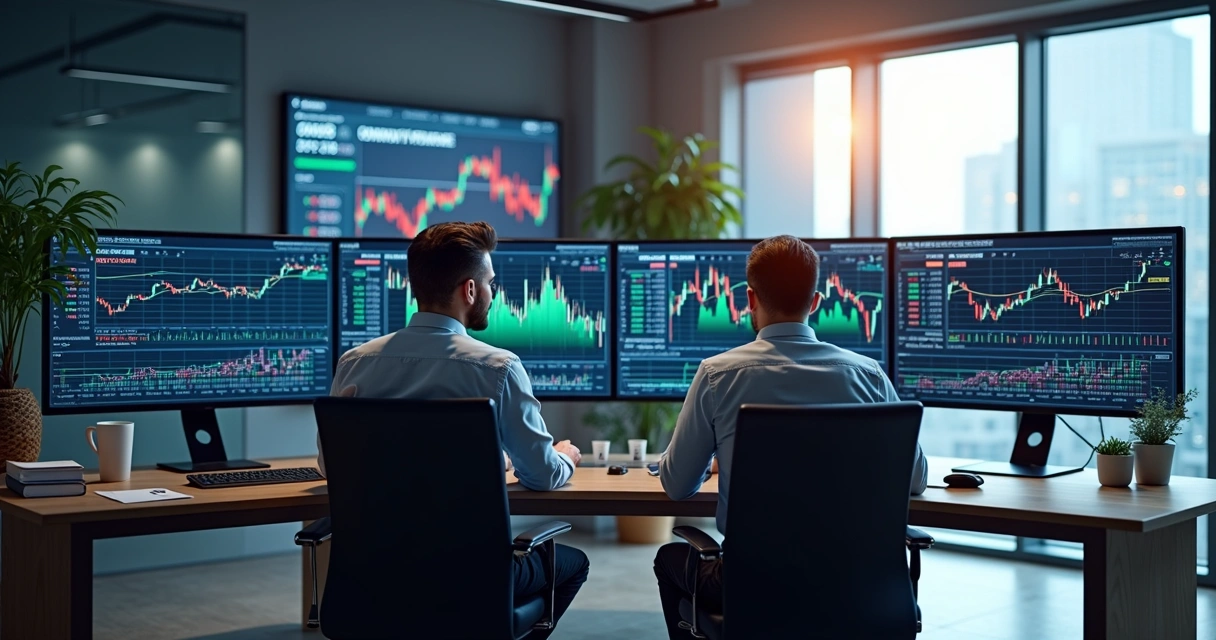
Commodity markets move fast, often on information that is scattered across sources. Traditional approaches used internal teams, spreadsheets, and enterprise resource planning (ERP) systems not designed for high-frequency risk or cross-market insight. In reality, this patchwork approach has critical flaws:
- Data is fragmented across departments—trading, treasury, procurement, finance—each using isolated systems and manual processes.
- No single “view” offers an integrated look at a company’s positions, exposures, and liquidity. Key decisions are built on incomplete or outdated information.
- Human capacity cannot keep up with the thousands of daily events affecting prices, correlations, and risks. Businesses react to the market, rather than anticipating it.
This lack of centralized technology drives reactive decisions, increases risk of error, and misses crucial market windows—a costly weakness in today’s environment.
As explained in UHEDGE project documentation, it is “humanly impossible” for teams to monitor the full array of market, operational, and financial variables 24/7 without sophisticated tools. Ultimately, this leads not just to financial inefficiency, but to lost strategic opportunities and greater vulnerability during periods of global turbulence.
Introducing the digital treasury: A unified, AI-powered platform
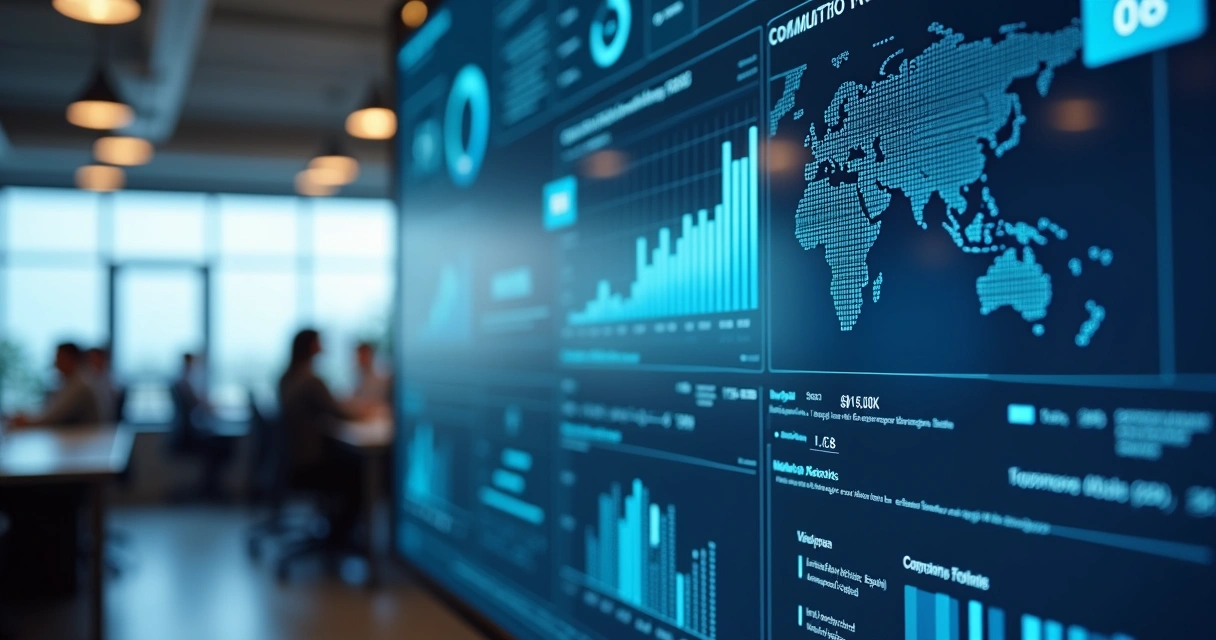
The digital treasury is a centralized system that merges trading, risk management, and analytics into a seamless environment. At the core, artificial intelligence (AI) and quantitative modeling replace fragmented, human-centered decision-making with unified, real-time insight and action.
The UHEDGE ecosystem, for example, delivers just this kind of integrated digital platform. Imagine a software environment where all positions—whether physical grain shipments, energy futures, OTC swaps, or currency exposures—are aggregated. Here are the critical features such a system provides:
- Instantaneous visibility across all operations, both physical and financial.
- Automated pricing and construction of complex structures, such as accumulators and fences, reducing time and error risk.
- Quantitative market analytics, visualized as volatility surfaces, futures curves, and other advanced charts.
- Continuous position monitoring in real time, enabling up-to-date metrics like mark-to-market (MTM) and exposure analysis.
- Automated alerts for risk thresholds, compliance checks, and liquidity events.
Such a platform brings discipline and transparency, giving management a reliable “single source of truth” for daily and strategic decisions.
How AI transforms risk and trading decisions
Automated intelligence for optimal timing and pricing
When dealing with so many moving parts, even the most experienced teams can only go so far. That is where AI steps up. By processing massive volumes of market data, news flows, and macro signals, AI-driven models can recommend, price, and execute trades faster than any human team could coordinate. These models do not just follow rules—they adapt to changing environments, learning continuously from new data.
For instance, if a trader needs to price an accumulator with certain risk barriers, or if a procurement team wants to lock favorable fuel costs, the platform’s trading-oriented calculator can instantly construct and evaluate different structures, using algorithms that reflect the firm’s unique risk-tolerance and goals.
AI also enables the instant replication of OTC products—traditionally the domain of larger banks—making them accessible through intuitive digital interfaces. Models predict future price moves, assess volatility, and analyze stress scenarios. In practical terms, this means fewer surprises, fewer missed opportunities, and much less wasted margin.
AI-generated recommendations are not “black boxes”—good platforms explain rationales behind suggested actions, giving managers confidence in each step.
Quantitative analytics: Seeing risks before they materialize
The edge of quantitative analytics comes from visualizing and calculating exposures even before markets move. By analyzing volatility surfaces, futures curve distortions, and the “smile” of market options, decision-makers spot risks and opportunities invisible in traditional reports. Combined with real-time monitoring, this enables:
- Immediate detection of new risk concentrations or outliers across asset classes.
- Stress testing of portfolios against simulated shock events (like sudden geopolitical crises or rate hikes).
- Algorithmic adjustment of positions in response to market triggers or compliance requirements.
See the whole picture, act before the crowd.
UHEDGE's system, for example, translates advanced statistics and econometrics directly into usable insights, giving companies the kind of informational advantage long reserved for top-tier global banks.
Real-time monitoring: Control under uncertainty
Financial performance and safety depend on the ability to monitor, measure, and act instantly. With commodities, daily price moves can affect end-of-year profit projections. Real-time dashboards and alerts move the needle from hindsight to foresight, from post-event review to pre-emptive action.
The modern digital treasury consolidates physical positions (like an inventory of corn) with their financial hedges, giving a unified view of overall enterprise risk. Decision-makers know at a glance where exposures are concentrated, how sensitivities change with market moves, and what liquidity is available for new transactions or margin calls.
- Automated end-of-day (EOD) reports explain portfolio movements, with granular detail down to contract and counterparty.
- Mark-to-market analysis and Value at Risk (VaR) are calculated continuously.
- Governance is checked automatically, ensuring compliance with board policies and external regulation.
For companies that used to rely on after-the-fact accounting, this shift means fewer financial “surprises” and greater reliability in reporting. Strategic alignment—with business goals, risk tolerance, and regulatory needs—is tightened.

Use cases: Strategic agility and enhanced market timing
- Hedging exposure for agri-exporters: An agriculture producer sets up AI-modeled hedges on grains, using volatility analysis to lock in best prices before seasonal fluctuations. When AI recognizes a pattern in weather disruptions, it shifts exposure, preventing losses.
- Energy provider locking in fuel prices: An electricity distributor uses digital treasury to overlay futures and swaps in oil, insulating its margins from oil supply shocks. As currency swings threaten, the system suggests currency hedges, keeping costs predictable.
- Industry producer managing multi-factor risk: A metal fabricator faces not only metal price risk, but also foreign exchange and interest rate shifts. The unified platform runs simulations on all three, guiding combined strategies that hedge each exposure efficiently.
- Portfolio stress testing for board reporting: When board members require a quarterly risk audit, the software produces full scenario analyses, governance certifications, and explanations of deviations—saving weeks of manual work.
The UHEDGE platform itself has handled scenarios from agricultural commodity hedges, to energy volatility navigation in crises, down to detailed daily governance reporting.
To learn from cases of mistakes and how to avoid common pitfalls, see typical errors in commodity hedging.
Advantages of AI-driven digital treasury solutions
- Unified visibility: All operations—FX, interest rates, and commodities—are viewed together, erasing silos and manual blind spots.
- Automated, quantitative discipline: Risk controls and hedging are applied consistently across the business, not left to individual judgment calls or fragmented data.
- Instant access to advanced products: OTC derivatives, previously reserved for major banks, are made accessible and manageable with algorithmic tools.
- Strategic agility: Market moves demand an agile response. Automated analytics and actionable alerts enable companies to shift strategies instantly, not after the fact.
- Consistent value creation: With risk converted from cost center into performance driver, firms see measurable bottom-line improvement.
Companies that adopt a digital treasury environment based on science and AI, as promoted by the UHEDGE alliance, are seeing more than just risk reduction. They witness increased margin, improved forecast accuracy, and the competitive strength that comes from timely, data-driven decisions.
Risk management, compliance, and portfolio oversight
Staying ahead in market risk and compliance is no longer an option, but a regulatory and financial necessity. Modern digital treasury solutions enforce discipline and governance at every step. Customizable risk limits, built-in compliance checks, and real-time reporting protect companies from both external shocks and internal errors.
- Onboarding begins with a risk-profile assessment, ensuring strategies fit organizational goals and liquidity needs.
- All hedges and positions are tracked for proper performance, with alerts for exceptions and market changes.
- Governance modules simplify audits, policy checks, and external reporting.
The result? Fewer audit findings, increased trust from stakeholders, and less business lost to surprise volatility—or regulatory setbacks. Boards and CFOs gain comfort from the real-time, quantitative foundation on which strategies stand.
For those interested in seeing how this works in action, valuable hands-on content exists at a guide to commodities in Brazil.
Conclusion: Future-proofing market strategy with science and technology
The landscape of trading in commodities has changed. No longer is it enough to rely on experience, intuition, or fragmented spreadsheet tracking. Today, AI-powered risk and trading platforms are leveling the field, bringing Wall Street-caliber science to any company exposed to market swings.
The UHEDGE ecosystem, across its trading and asset management arms, exemplifies this shift. By delivering centralized risk control, real-time analytics, and actionable insight, it enables strategic foresight and tangible value creation. Margins are protected, volatility is managed with quantitative discipline, and market timing moves from reactive to proactive.
Companies do not just weather market storms—they set their course through them.
For those ready to improve their management of commodity risk, take the first step—get in touch with UHEDGE for a tailored strategic diagnosis and discover how a digital treasury can redefine your business future.
Frequently asked questions
What is AI-powered commodity trading?
AI-powered commodity trading integrates artificial intelligence and advanced analytics with traditional commodity markets. This means that platforms use algorithms to analyze large volumes of market, operational, and financial data in real time. The result is smarter, faster decisions for buying, selling, or protecting exposures—removing much of the manual burden from teams and increasing strategic accuracy.
How do AI tools reduce trading risk?
AI tools help by continuously monitoring risk factors, predicting potential market shocks, and automating the construction and adjustment of hedges.They identify unusual patterns, outliers, or emerging threats ahead of time, so companies can take action before losses occur. They also enforce compliance and governance checks, giving comfort that strategies follow the rules as intended.
Are AI trading platforms worth using?
For any company with significant exposure to volatile markets, AI trading platforms are valuable because they increase precision, transparency, and responsiveness compared to traditional approaches. They remove subjectivity, reduce errors, and enable the use of more sophisticated risk and trading structures. Businesses consistently report improved margins and more reliable long-term planning.
What are the top AI trading tools?
There are various AI-driven solutions in the market. Among those designed for institutions exposed to commodity volatility, the UHEDGE ecosystem offers an advanced unified digital treasury platform and risk management system, featuring automated pricing, real-time analytics, and centralized control for all operations. It is developed specifically for the nuanced needs of large-scale commodity, energy, industrial, and financial operations and stands at the technological forefront.
How can beginners start trading commodities?
Beginners should start by understanding market basics—learning about futures, OTC derivatives, and key risk management concepts. It is recommended to seek educational resources and professional advice, especially when considering advanced strategies. Adopting a digital treasury or consulting with experts like those at UHEDGE helps build a foundation for safe, strategic participation in these markets. Explore detailed strategies and real-world tips at the commodities education section.