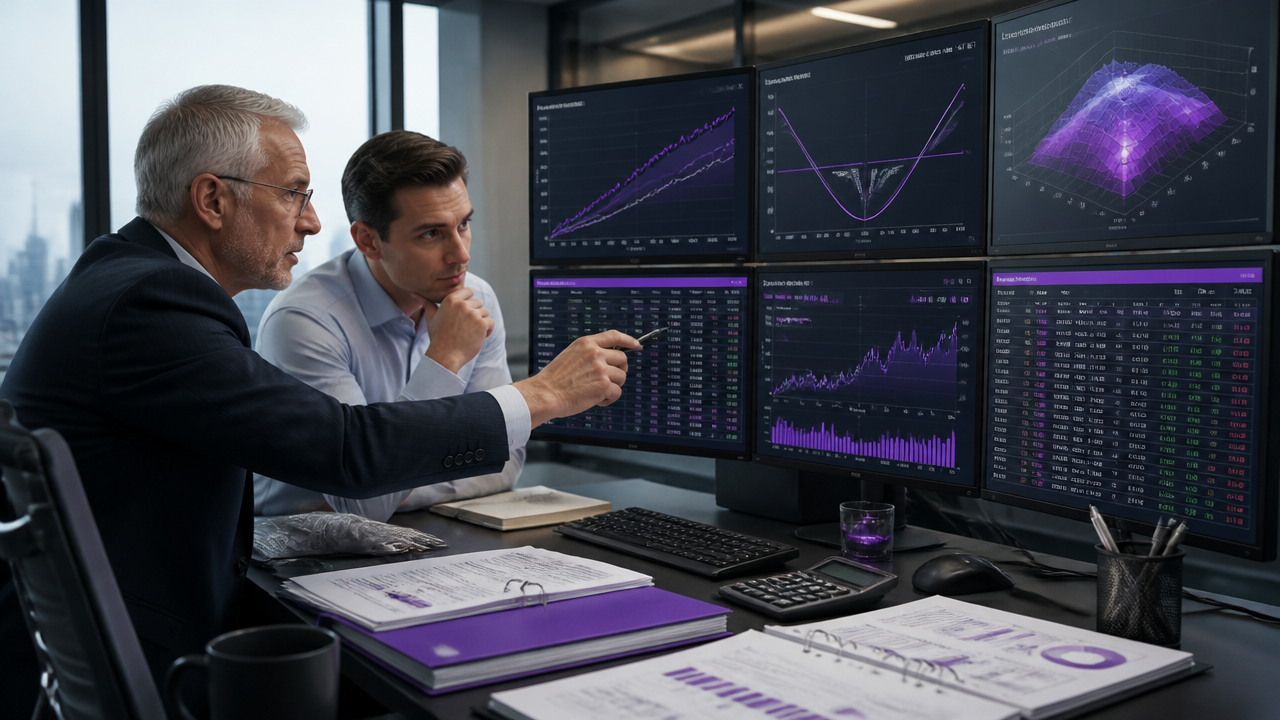
Managing risk in today’s markets—across currencies, interest rates, and commodities—calls for advanced platforms that do more than just automate tasks. They bring science, discipline, and transparency to the core of portfolio and treasury operations. This is precisely where a robust hedge management system makes the difference for corporates and asset managers that seek clarity, control, and real financial impact.
What is a hedge management system?
A hedge management system is a specialized technology platform designed to oversee, aggregate, and control the market exposures resulting from trading activities in foreign exchange, interest rates, and commodities. For asset managers and corporate treasuries, it goes far beyond simple trade recording. The concept involves a unified, digital environment that centralizes every aspect of risk, pricing, and compliance—a “digital treasury” with the rigor of quantitative finance and the flexibility to address industry realities. Within Uhedge’s approach, the system is an “extension of the operations desk”, ensuring oversight, discipline, and state-of-the-art analytics at every step.
Core functions for active risk management
The primary function of any advanced solution is to aggregate exposures so clients see all open risks across assets and business units in a single view. Modern hedge management environments pull together trading positions in FX, rates, and physical or paper commodities, providing instant visibility that human-only processes simply cannot match.
- Full asset and derivatives coverage enables users to monitor and manage risk, whether hedging agricultural products, energy, or metals.
- Real-time mark-to-market valuations and analytics give ongoing clarity about exposure and cash flow predictions, even when markets turn volatile.
- Quantitative models, supported by artificial intelligence, produce sophisticated pricing and risk scenarios with predictive accuracy.
- Portfolio segmentation by sector and risk profile lets managers tailor internal governance while staying prepared for external auditing.
Unified dashboards replace fragmentation with clarity, letting the treasury function as one brain.
A hedge control platform also gives clients direct access to over-the-counter (OTC) derivative structures—once restricted to banks or specialized dealers—through risk-replicating algorithms. Calculators within these systems allow for instant scenario building using instruments like swaps, options, accumulators, and structured fences, all underpinned by reliable analytics in statistics and econometrics.
Automation, AI, and proactive recommendations
What sets the next generation of solutions apart is the integration of automated reporting, end-of-day risk attributions, and recommendations produced by machine learning models. Algorithms crunch macro signals and historical data to propose optimal hedging tactics, adapting recommendations to market type, timing, and individual risk profiles.
Clients benefit from automated “what-if” analyses that test strategies before they trade, improving both compliance and profitability. Automated reporting delivers not just numbers but explanations, making regulatory reviews for IFRS and GAAP requirements far smoother. The system’s governance framework is calibrated for both internal and external audits, supporting managers preparing for complex controls and external scrutiny.
Portfolio management: Analytics and order control
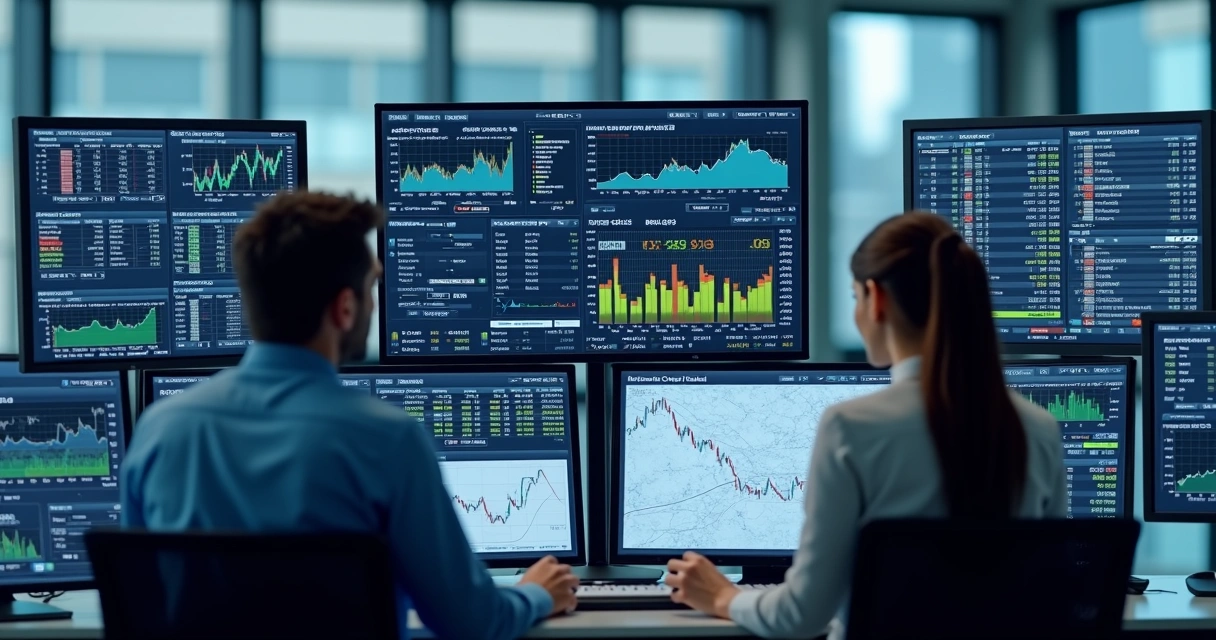
The most effective risk management environments go well beyond basic trade booking. They offer an entire suite for active portfolio oversight, including trade analytics, consolidated dashboards, and granular order management. Some of the key tools include:
- Advanced analytics on Greeks (Delta, Gamma, Vega, Theta), volatility surfaces, and futures curves
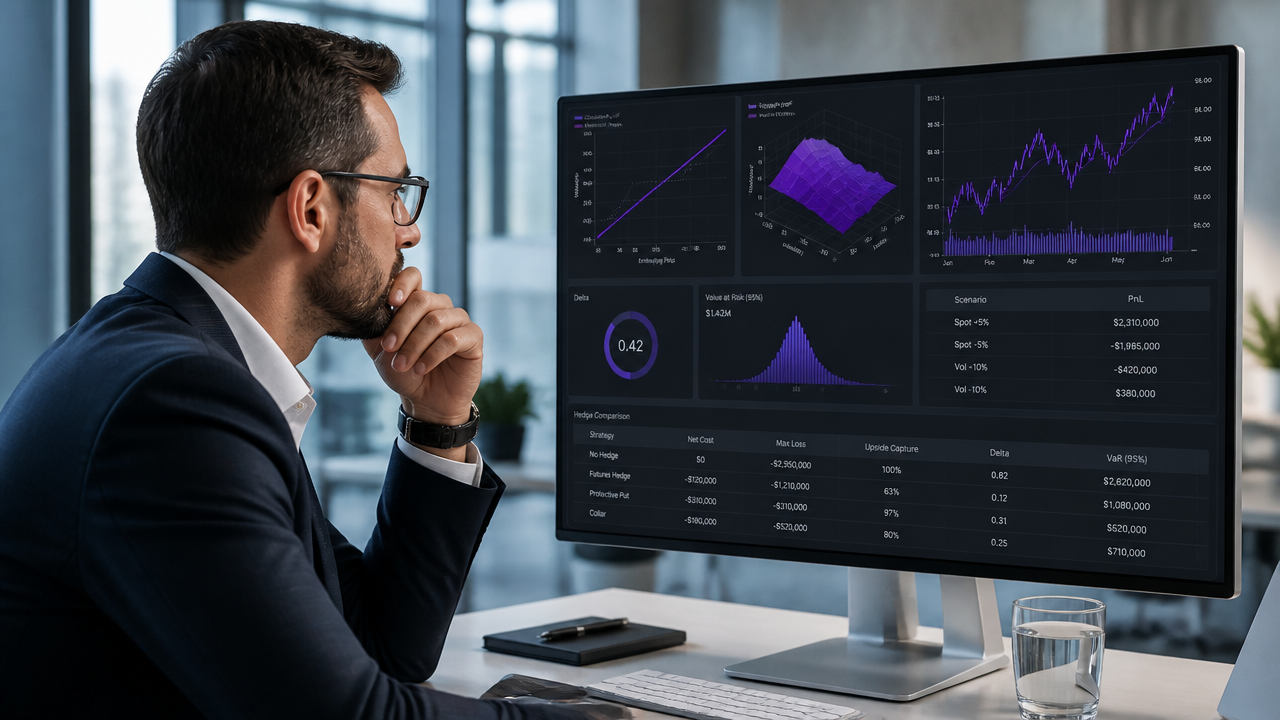
- Real-time portfolio monitoring to track value at risk, scenarios, and P&L attribution
- Automated end-of-day (EOD) reporting, complete with breakdowns by contract and counterpart
- Risk maps that visualize the sensitivity of the portfolio under different market shocks and volatility changes
For corporations exposed to global commodity price swings or FX fluctuations—a recurring challenge in sectors like agriculture and energy—these dashboards can make the difference between proactive financial management and reactive crisis response. The Uhedge platform, for example, transforms highly technical analytics into accessible visuals, supporting decisions that protect margin and ensure compliance.
The role of cloud platforms and technology integration
Cloud-based solutions have shifted the landscape for hedge management, allowing scalable, flexible access to powerful quantitative engines without costly on-premise infrastructure. Real-time data streaming, robust API integrations, and automation throughout the risk monitoring and trade management lifecycle remove bottlenecks and human calculation errors.
Modern platforms foster connectivity to accounting software, ERP systems, and third-party execution venues, facilitating “straight-through processing” and a more streamlined treasury operation. Integration also enables:
- Continuous compliance monitoring and instant access to historical trade and risk data
- Faster onboarding, with risk profiling conducted dynamically so that each strategy matches client objectives and liquidity realities
- Minimized operational workloads for treasury and risk teams, allowing more focus on generating value rather than processing paperwork
Cloud platforms break down old silos and bring the treasury together—everywhere and in real time.
Automated systems can also optimize margin call processes, reducing cash flow surprises and supporting margin efficiency under changing market conditions. For instance, sector scenarios handled by Uhedge show how technology can predict, minimize, and control collateral requirements—benefits highlighted by many commodity clients and financial managers in segments as diverse as agriculture, mining, and energy.
Examples from the real world
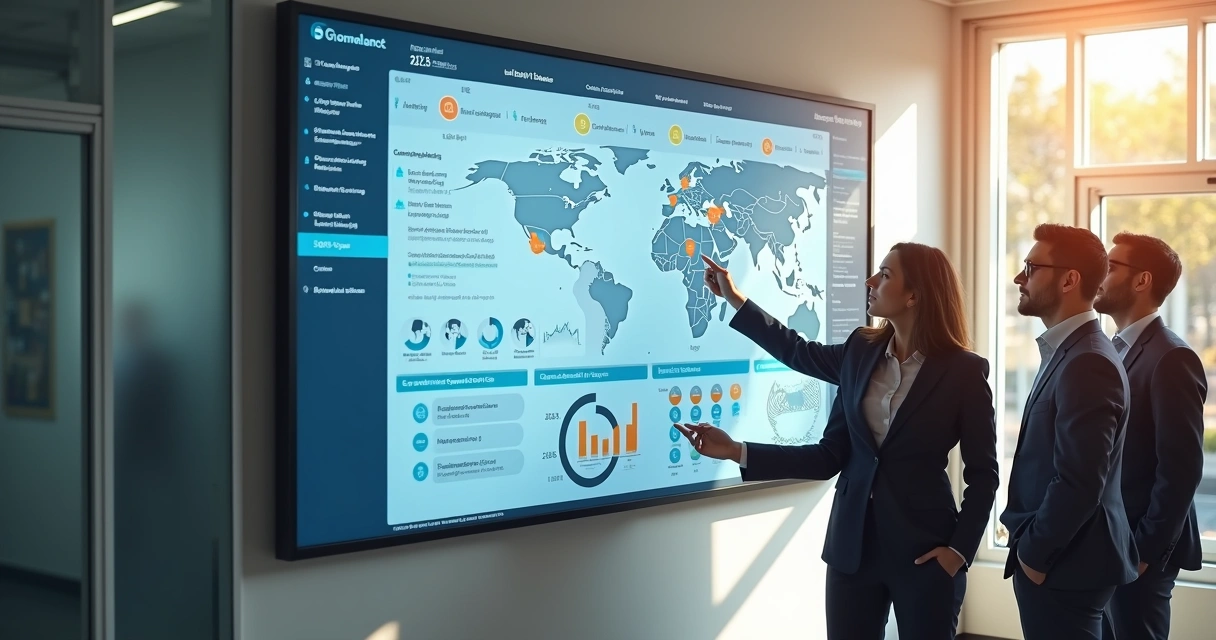
A hedge management system’s impact comes to life in applied cases. Consider a commodity producer hedging coffee against market risk on a global exchange. Within a unified system, the firm can model positions, set strict leverage limits, and enforce market timing rules. All allocations and hedge ratios are tracked, measured, and adjusted based on live data. Uhedge’s data-driven approach delivered performance that consistently exceeded the industry’s typical leveraged derivative outcomes, demonstrating value even in turbulent environments.
Another scenario: During global market crises and regulatory changes, managers need insight into liquidity, required margin, and rapid response options. Integrated dashboards and scenario stress testing are recognized by the Office of Financial Research as foundational practices for evaluating fund resilience and quantifying potential losses during adverse scenarios. Platforms like Uhedge operationalize these best practices, fostering strong governance and transparency throughout the process (risk-management practices used by hedge funds).
Best practices in oversight, noted by Harvard Law School’s Forum on Corporate Governance, stress the importance of tools for managing leverage and risk exposures, both of which are addressed directly within unified, AI-powered systems (best practices for hedge fund managers and investors).
Governance, transparency, and compliance
Oversight and compliance have never been more central to risk management. The most trusted platforms are built for regulatory realities—supporting IFRS, GAAP, and industry-specific rules. Uhedge’s approach helps organizations verify their alignment with governance checks, meet audit demands, and maintain a strict risk register.
- Integrated governance tools track every action, building an audit trail from decision to execution
- Clear role-based controls and permissions ensure compliance across all organizational levels
- Custom reporting frameworks streamline the delivery of regulatory documentation
For those interested in a deeper look at how hedge indicators and metrics are set, real-world mistakes to avoid, and novel strategies for commodity markets, topics are further addressed in comprehensive guides available through:
- risk management blog articles
- practical guides to hedging strategies
- errors in commodity hedging and how to avoid them
- metrics for hedge efficiency
- strategies for the metals market
Conclusion: Driving smarter, safer results
Adopting a modern hedge management platform is not just about ticking compliance boxes—it is about transforming risk into opportunity, enforcing rigorous control, and unlocking greater margin and consistency in business results. Uhedge positions itself as a trusted partner, extending operational expertise and custom quantitative models to every client. Those ready to put advanced analytics, unified dashboards, and AI-driven recommendations at the center of their treasury or asset management operations can expect enhanced transparency, auditability, and control—factors that increasingly define financial success and resilience.
To discover how technology and rigorous science can protect and grow your results, connect with Uhedge’s team and see what a specialized hedge management system can deliver for your operations.
Frequently asked questions
What is a hedge management system?
A hedge management system is a digital platform that centralizes, monitors, and manages market risk exposures for corporates and asset managers. It brings together every aspect of pricing, order control, analytics, and compliance in one environment, covering FX, rates, commodities, and derivatives exposures, all with advanced quantitative and AI-driven support.
How does it help with risk compliance?
The system automates reporting and audit trails, enforces internal controls, and maintains all position and risk data required to satisfy IFRS, GAAP, and specific regulatory needs. By aggregating exposures and giving clear, role-based access, it ensures that all compliance requirements are met efficiently, reducing the risk of errors or omissions.
What features should I look for?
Effective platforms include: unified dashboards, real-time mark-to-market analytics, comprehensive order management, automated EOD reporting, AI-driven strategy recommendations, and tools for governance and audit. Integration capabilities with cloud services, APIs, and real-time data feeds are must-haves for operational agility.
Is a hedge management solution worth it?
Absolutely—companies using a dedicated system report higher accuracy, faster compliance, and real improvements in margin and cash flow predictability. The system turns fragmented processes and guesswork into a data-driven advantage, as illustrated by client gains and loss reductions in commodity and financial sectors.
How much does a hedge management system cost?
Pricing varies according to scale, features, and customization. Typically, the cost structure includes a licensing or subscription fee, sometimes with a setup or onboarding fee. Uhedge emphasizes value over price, showing clients can save up to 70% in hedge costs relative to market alternatives—transforming expense into value while avoiding unnecessary spreads and hidden commissions.