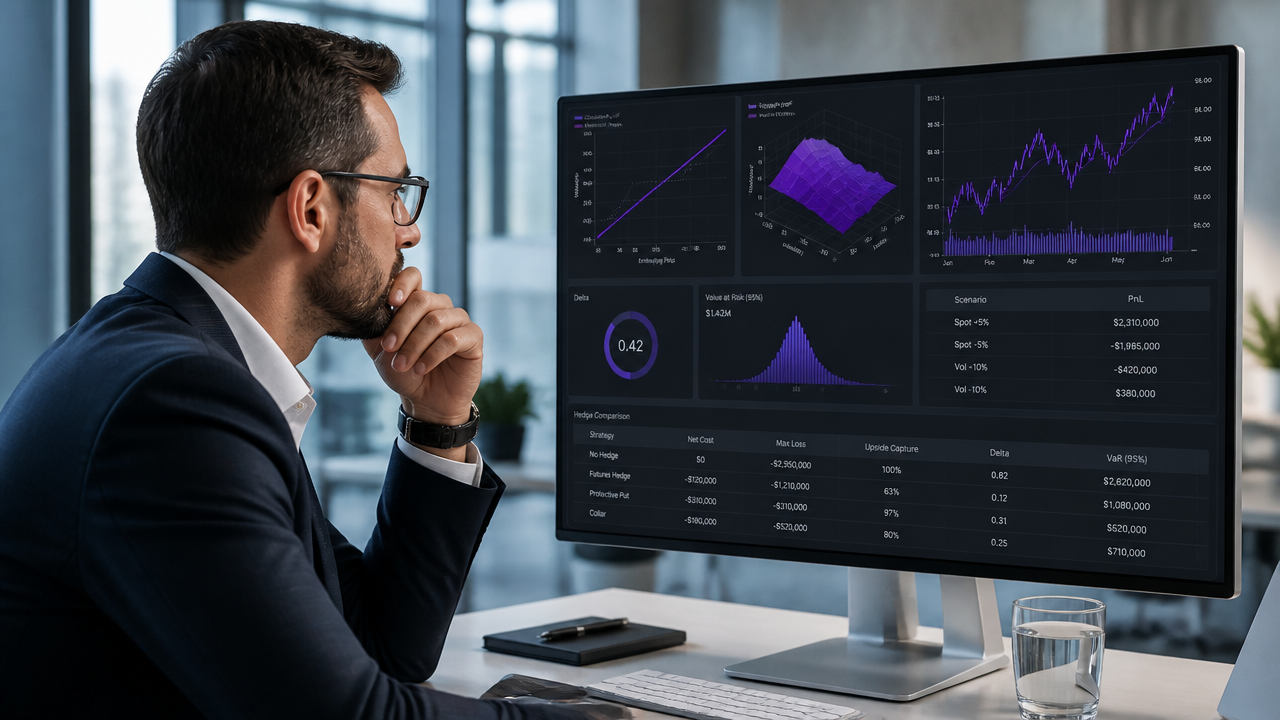
For Chief Financial Officers in agribusiness and commodity-intensive industries, protecting margins from wild price swings is not just a daily struggle—it is the core of strategic decision-making. The unique financial landscape of agriculture brings unpredictable risks, high stakes, and often, very tight windows for action. Portfolio optimization, in this context, transforms from a buzzword to an urgent necessity.
But what is portfolio optimization when dealing with exposure to grains, energy, or metals? It is a systematic process to shape the company’s positions, blending balance, science, and tactical agility to cushion the impact of volatility on operating results. It means using models and data, not hunches, to set the right course—especially when margins are thin and surprises costly.
Numbers move markets, but discipline secures profit.
This article illustrates easy, actionable steps for CFOs to take control of their commodity exposures, presenting the key benefits, variables, and methods—all based on best practices, modern quantitative tools, and the expertise from advanced platforms such as those offered by UHEDGE.
Why caring about commodity risk is urgent for agribusiness CFOs
Agricultural and energy producers live at the mercy of price turbulence. Currency moves, interest rates, unpredictable weather, and shifting supply-demand can erase carefully planned profits in an instant. Traditional management approaches—ad hoc hedges, fragmented spreadsheets, generic policies—often cost more than they protect, leading to exposures that may endanger liquidity or destabilize business growth.
A well-structured approach to risk—centralized, model-driven, and disciplined—turns uncertainty into a controllable variable instead of a constant threat. That is the promise of portfolio optimization for companies with commodity exposure. And it is why so many CFOs are shifting strategy, seeking unified platforms and deeper analytics to protect their results and margins.
What does portfolio optimization really mean for commodity risk?
For sectors where commodity risk drives margins, portfolio optimization is not just about maximizing gains. It is about building robust portfolios where risk is managed in line with the company’s appetite, objectives, and operational needs. The core idea: combining hedges, contracts, and positions to achieve both stability and profit targets, even during turbulent market periods.
UHEDGE’s methods offer CFOs a scientific decision framework, combining Wall Street-grade quantitative rigor with artificial intelligence to process vast streams of information. This platform automates what used to be slow, manual, or impossible for internal teams—pricing structures instantly, calculating exposures, and recommending optimal strategies, all in real-time.
A straightforward step-by-step: the path to optimization
Modern portfolio management is increasingly powered by technology and data, not just spreadsheets and intuition. Here is an objective, step-driven guide tailored for CFOs managing agricultural commodity portfolios:
- Map all exposures and inventory flows Before anything else, the company must accurately identify every source of price risk. What are the main raw materials? How are contract terms structured? When do exposures appear on the balance sheet? This step is essential: only visible risks can be managed.
- Centralize data and operations The next level is bringing exposures (physical and paper-based), hedge positions, and contract flows into one digital environment. Fragmented management kills both efficiency and discipline. A unified system, like UHEDGE’s digital treasury, provides a “single source of truth”—boosting transparency, discipline, and auditability.
- Quantify risk and simulate scenarios Here’s where quantitative analytics shine. Advanced tools allow CFOs to run what-if scenarios: What if prices drop 20%? What if basis risk widens, or volatility spikes? Visualization tools—such as volatility surfaces and futures curves—help make complex market dynamics understandable and actionable.
- Define risk tolerance and margin targets Every company is different. Some can weather market swings to chase higher returns, others need strict shields. It is critical to set clear objectives: maximum drawdown, expected cash flow band, target margin, and risk appetite. Defining these guides all future decisions.
- Construct hedging strategies matching objectives With clear goals, the next step is structuring positions. The UHEDGE calculator, for example, lets users price complex strategies instantly—such as accumulators with or without barriers, or fences—matching each risk profile and market view. This is where technology outpaces old spreadsheet models.
- Monitor positions and rebalance continuously Markets shift daily. Portfolio optimization is not “set and forget.” Real-time monitoring, as practiced by the UHEDGE system, flags deviations, calculates mark-to-market values, and allows CFOs to adjust strategies proactively.
- Document, report, and enforce governance Discipline closes the loop. Detailed audit trails, end-of-day reports, and automatic mapping of exposures to controls ensure that decisions are not just right, but also visible and defensible. This feeds into board reporting and supports compliance.
Core benefits of a quantified approach
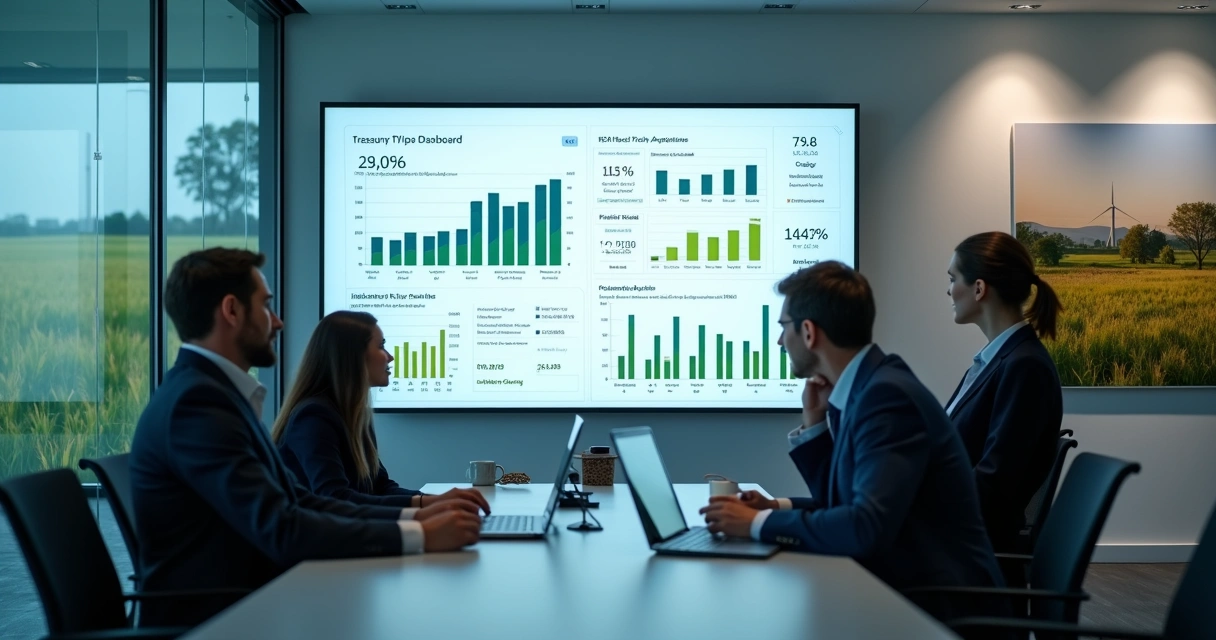
When companies standardize their risk management and portfolio construction processes, CFOs gain several game-changing benefits:
- Margin improvement: Scientific modeling turns an unpredictable cost into a controlled source for improving operating margins. Efficient strategies, as applied by UHEDGE, can cut hedge costs by up to 70% compared to inefficient legacy solutions.
- Predictability and discipline: Real-time data, rigorous controls, and reliable forecasts make it easier to plan, invest, and communicate with stakeholders.
- Proactive market timing: Data-driven models capture signals quickly, allowing the business to move at the right moment and turn volatility into opportunity.
- Auditability and governance: Automated documentation and performance reporting fulfill increasing demands from boards and regulators.
What really matters: The key variables CFOs must track
Even the best models or systems fall short unless CFOs know what to prioritize. The following variables are particularly relevant for commodity-heavy portfolios:
- Price volatility across the main exposures
- Basis risk and correlations between products
- Counterparty credit risk (in both contracts and hedges)
- Margin and funding requirements (to avoid liquidity crunches)
- Time horizon for each exposure (matching hedge duration to cash flows)
- Scenario and stress analysis metrics (especially worst-case loss, expected shortfall)
- Regulatory compliance and governance adherence
It is not only about tracking these, but ensuring they are reflected in daily management decisions. Balancing risk and margin is not a one-off event; it is a cycle of setting limits, testing outcomes, and refining strategies.

Why “intuitive” risk management fails—and what to do instead
Many CFOs have learned painful lessons: trusting gut-feel or defaulting to template contracts rarely delivers consistent protection. It is humanly impossible for a small team to manually track every factor at play—from international exchange rates to local logistics. That is why leading companies turn to digitized platforms, robust algorithms, and expert tactical support.
UHEDGE, for example, combines its own software, AI-driven recommendations, and a vast base of industry experience to offer true, conflict-free risk management. This not only avoids the pitfalls of commission-driven third parties but also provides measurable, repeatable improvements to margin and cashflow stability.
Building the right discipline: Governance as the cornerstone
A sophisticated system alone does not guarantee good outcomes. The power comes from tying technology to a culture of discipline—defining decision rights, enforcing limits, and documenting every key step. Governance means that as conditions shift and opportunities appear, the company can respond promptly, but always within a pre-defined, auditable framework.
This approach is the core of the methodologies advocated by UHEDGE. By making the investment in risk quantification and reporting, CFOs not only satisfy regulatory demands but also protect the company’s reputation and the trust of owners, investors, and lenders.
The UHEDGE difference: Quantitative rigor and actionable intelligence
In summary, what makes a modern risk solution like UHEDGE stand out is the intersection of three pillars: advanced technology, a scientific approach, and deep experience. The combination empowers companies to overcome the “fog of war” created by global volatility, inflation, and market shocks, while still maximizing opportunities tied to commodity cycles.
Real cases from the field demonstrate these benefits: agricultural firms capturing better prices than standard derivatives would allow, or rebounding from price shocks that left unprotected peers far behind. For deeper dives and practical insights, readers can review the commodities knowledge base, learn about strategic protection at margin protection articles, and spot common pitfalls at hedging mistakes.
Key takeaways and next steps
No CFO today can afford to treat commodity exposure as a background issue or rely solely on limited manual processes. The right steps—mapping, centralizing, modeling, setting disciplined risk limits, and using cutting-edge systems—turn risk into opportunity, cost into controlled profit.
The next move for any business wanting to protect margin and accelerate decision quality is to engage in a technical, consultative diagnosis of its risk profile, using scientific and digital tools to discover hidden value. The UHEDGE and STATERRA ecosystem was built to deliver this very outcome: predictable margins and robust financial discipline, tailored to your specific portfolio needs.
Ready to see what a quantitative, AI-powered approach can do for your business? Talk to UHEDGE and take the first step toward a more controlled and profitable future.
Frequently asked questions
What is commodity risk in finance?
Commodity risk in finance refers to the possibility that changes in prices of raw materials such as grains, energy, or metals will negatively impact a company’s profitability. For producers, it can mean sudden drops in revenues; for consumers, unexpected surges in costs.
How do CFOs manage commodity risk?
CFOs manage these risks by developing robust portfolio strategies—mapping exposures, centralizing data, applying quantitative models, and structuring hedges that align with business objectives. They also use governance systems to monitor positions and enforce discipline.
What are common strategies for reducing commodity volatility?
Common strategies include using derivatives for hedging, diversifying supply sources, structuring flexible contracts, and engaging in scenario analysis. Increasingly, advanced digital treasury systems and AI-driven platforms support decision-making, as seen with the UHEDGE approach.
How can portfolio optimization help with commodity risk?
Portfolio optimization helps by balancing risk and expected return, ensuring hedge positions are aligned with cash flow needs and margin targets. It forms a structured process that converts unpredictable swings into calculated exposures—making business outcomes less vulnerable to raw material price shocks.
Is it worth it to hedge commodity exposures?
Yes. Hedging is a valuable practice for organizations seeking steadier margins and financial predictability. When executed with scientific modeling and robust platforms, it not only cushions against large adverse movements but also supports long-term stability and strategic agility for growth.
For more guidance and practical articles on this topic, explore this practical hedging guide or read about risks and opportunities in Brazilian commodities in this post.