
Commodity price volatility challenges every organization that works with physical assets. Companies in agribusiness, energy, and manufacturing find themselves constantly exposed to sudden market swings and unpredictable shocks. The question for them is no longer whether to hedge risk, but how to do so in a way that brings consistency, discipline, and value to their day-to-day business.
Historically, managing risk in commodity markets relied on manual processes, fragmented spreadsheets, and slow, reactive decisions. Over-the-counter (OTC) derivatives expanded flexibility, but also introduced complexity and a demand for deep expertise. The arrival of algorithmic OTC access changes everything—bringing quantitative precision, real-time analytics, and scientific rigor to the core of each pricing decision.
The traditional struggle with commodity risk management
Companies have often depended on banks and brokers for hedging solutions. This traditional approach is riddled with inefficiencies: high costs, lack of transparency, and solutions that don’t always fit the unique needs of each client. For internal teams, tracking all the factors that influence pricing—spanning currencies, interest rates, and dozens of commodity drivers—is simply impossible without technology. The outcome is fragmented data, missed opportunities, and a tendency to act after the fact, rather than proactively.
Fragmented processes lead to suboptimal risk decisions.
Without a unified system, commercial decisions are based on scattered or outdated information. When a sudden market shock occurs, teams scramble to react, often missing key market timing. Over time, this lack of discipline erodes margins and exposes the business to unpredictable results.
Algorithmic OTC access explained
Algorithmic access to OTC derivatives is a game-changer. Instead of negotiating each trade through intermediaries or relying on manual calculations, advanced platforms allow companies to access, model, and execute tailored contracts instantaneously through proprietary algorithms.
An algorithmic solution instantly creates and prices custom-tailored OTC structures.
With UHEDGE’s Trading Solutions and STATERRA Asset Management ecosystem, this becomes reality. Advanced tools let users assemble complex protection schemes—such as Accumulators, Fences, or bespoke swaps—at the click of a button. The sophistication behind the scenes is invisible to the user. The advantages are clear:
- Instant access to a wide range of OTC derivatives that would typically require days of negotiation
- Automated pricing models reduce human error and bias
- Real-time analytics, including volatility surfaces and futures curves, enhance strategic visibility
- Disciplined approach—each transaction is tracked and governed from start to finish
The platform unifies positions in currencies, rates, and commodities—physical and paper—all in a single environment, giving full visibility and instant strategic agility.

Quantitative rigor: The true driver of fair pricing
What brings true strength to algorithmic OTC access is a foundation built on quantitative methods. UHEDGE follows a scientific, disciplined approach, combining expertise in statistics, econometrics, and financial engineering:
- Modeling restricted risks to dampen market shocks
- Data-driven strategic recommendations that match the company’s objectives and liquidity profile
- Continuous monitoring of pricing models to ensure alignment with real-world market shifts
This means companies can move from unpredictable cost structures to consistent results. Teams are empowered to assess scenarios instantly and build protection mechanisms tailored to actual risk tolerance.
Numbers matter more than opinions.
AI and analytics enable smarter commodity pricing
Artificial intelligence plays a lead role. Machine learning models can identify subtle correlations and predictive signals across markets that a human team might never detect. Through UHEDGE’s digital treasury, these algorithms:
- Process huge volumes of data—across global commodity, FX, and rates markets
- Recommend the most appropriate hedging strategy, uniquely for each company and each moment
- Automatically monitor and adjust trading positions based on real-time changes
- Provide detailed analytics such as predictive volatility charts and risk heatmaps
AI-driven risk recommendations ensure that strategies adapt faster than markets shift.
This level of responsiveness turns risk management from a defensive cost center into a source of competitive margin gain. For more insights into these hedging tactics, readers may be interested in additional resources explaining how hedging protects margins in volatile markets, available through articles such as this practical guide on margin protection.
End-to-end integration: From pricing to real-time monitoring
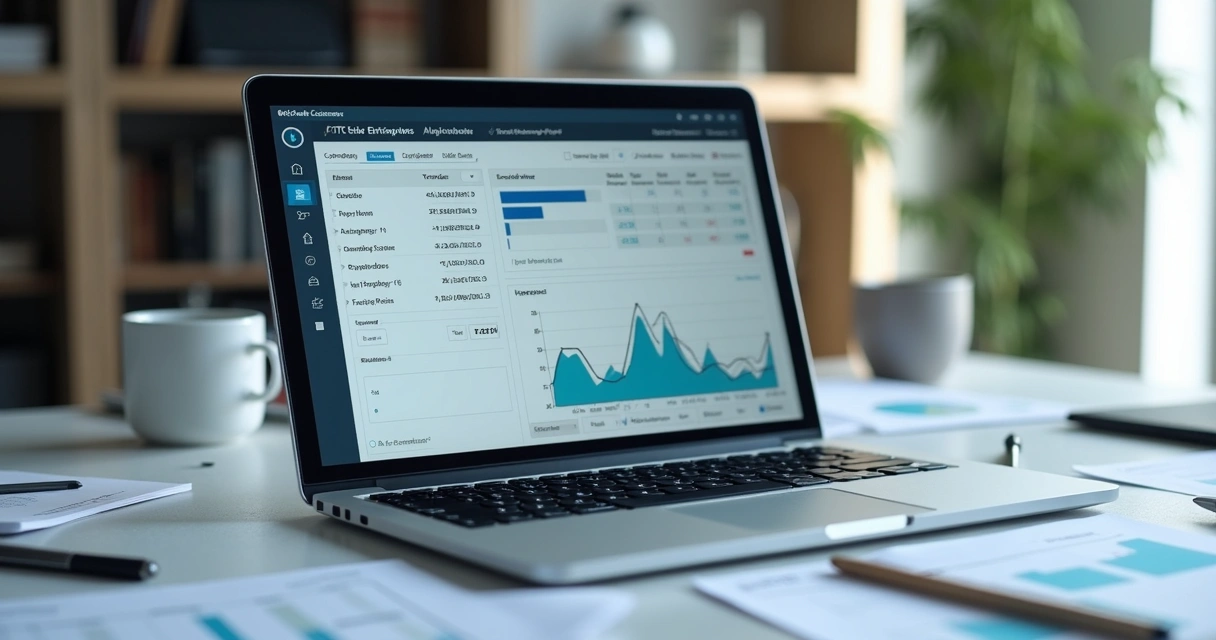
The most durable advantage comes from combining instant OTC pricing with total integration across the company’s financial environment. Digital treasury systems aggregate and monitor positions in real time, no matter the asset class:
- FX, interest rates, and all commodities—both physical and paper—are unified on a single platform
- Portfolio metrics are displayed in easy-to-read dashboards, with mark-to-market and volume-of-origin tracking
- Risk maps reveal exposures across products, geographies, and timelines, providing clarity to executives and operational teams alike
For commodity producers and consumers, this creates confidence in every commercial decision. There are no longer surprises from sudden margin calls or fragmented cash management. Financial control becomes scientific, extending discipline throughout the business.
The impact on real business outcomes
What does this mean for the bottom line? Experience shows that algorithmic OTC access combined with quantitative analytics delivers results:
- Reduction of hedging costs by removing intermediaries and automating pricing
- Greater transparency in risk exposures and pricing assumptions
- Ability to customize hedging strategies for any market scenario, from stable to highly volatile
- Enhanced predictability of cash flows and stronger protection against external shocks
As illustrated by UHEDGE and STATERRA’s own diagnostics and client applications, companies move from traditional defensive structures to proactive gains: every risk event becomes a managed opportunity. Companies with modern systems are positioned to benefit from volatility rather than fear it. For further reading on how commodity markets work and the nature of pricing risks, see the article on commodity risks and opportunities.
Practical case: Commodity hedging in action
A real example from STATERRA’s portfolio demonstrates the approach. For coffee producers on the NYBOT, a moderately risky hedge was established with strict limits on leverage and clear objectives to outperform market benchmarks. Through algorithmic OTC modeling and AI-supported trading signals, the strategy outperformed traditional leveraged derivatives over time, showing improved pricing and reduced drawdowns from market swings.
Similarly, dynamic strategies for metals or energy distributors can adapt their portfolios instantly, balancing liquidity, margin calls, and exposure—steps that would once have taken days of manual calculation are now instantly available at the press of a button.
Key takeaways from this new paradigm:
- Greater accuracy and fairness in contract pricing
- Reduced financial and operational exposure to unpredictable events
- Direct financial benefit—higher margins and more predictable year-end results
Looking forward: The algorithmic future of risk management
Companies that embrace this transformation are shifting from legacy safeguards to intelligent, data-driven opportunity creation. The combination of AI, quantitative analytics, and instant OTC access creates a new standard for pricing—one that is fair, controlled, and based on rigorous science, not guesswork or after-the-fact reactions.
This approach aligns perfectly with the vision of UHEDGE and STATERRA: to move risk management from a source of uncertainty into a disciplined method for margin expansion and strategic agility. For deeper explorations into market strategies and the risks of metal commodities, readers may find value in this specialized piece on hedge strategies for 2025.
Science defeats uncertainty. Data conquers chaos.
Now is the time to bring rigor and intelligence to risk management. To see how a digital treasury and algorithmic platform can transform your company's handling of commodity exposures, consider engaging with a thorough risk and strategy diagnostic with UHEDGE and STATERRA. Begin the journey toward a smarter, more secure future for your business.
Frequently Asked Questions
What is algorithmic OTC commodity pricing?
Algorithmic OTC commodity pricing is the process of using proprietary algorithms and quantitative models to calculate and offer tailored over-the-counter contracts for commodities. These algorithms automate the pricing and structuring of derivative contracts, letting users access protection strategies instantly with high accuracy and fairness.
How does OTC access affect risk pricing?
OTC access expands flexibility, but algorithmic OTC access removes the inefficiencies of traditional processes. Pricing becomes more transparent, consistent, and customized, as advanced technology calculates fair values and suggests solutions based on real-time data, removing much of the bias and delay associated with manual negotiations.
Is algorithmic trading better for commodities?
Algorithmic trading offers powerful benefits for commodities, including real-time responsiveness, the ability to model complex risk factors instantly, and the reduction of human error. Companies with algorithmic trading systems can adapt faster to volatility, achieve lower costs, and ensure consistent application of risk rules across their portfolios.
How can I reduce commodity pricing risk?
Reducing risk starts with unified data, advanced analytics, and scientifically-based hedging strategies. Using a digital treasury or trading-oriented calculator, companies can identify, price, and monitor multiple risks in real-time, creating a customized hedge that fits their risk appetite and market reality. To learn more about protection tactics, see resources such as this article on volatility protections.
Where to find algorithmic OTC platforms?
Businesses searching for algorithmic OTC platforms should look for providers that offer advanced digital treasury and quantitative modeling capabilities. UHEDGE delivers such a solution, merging years of expertise with state-of-the-art technology and scientific discipline. For more in-depth market resources, check platform resources and explore the commodities market section of the UHEDGE blog.