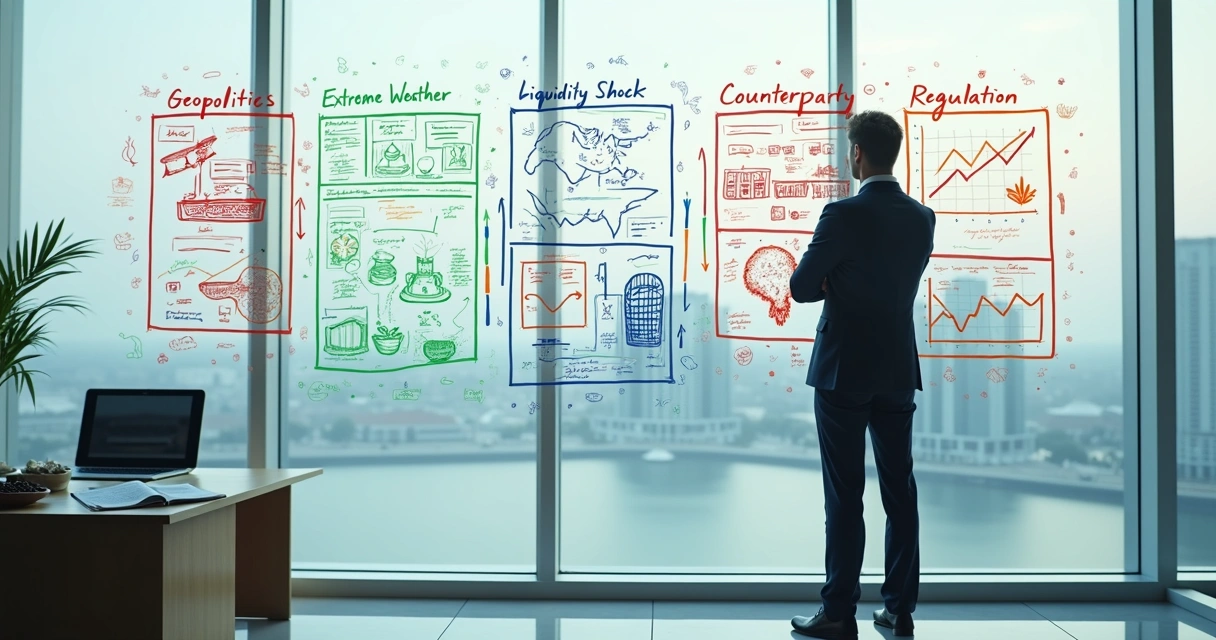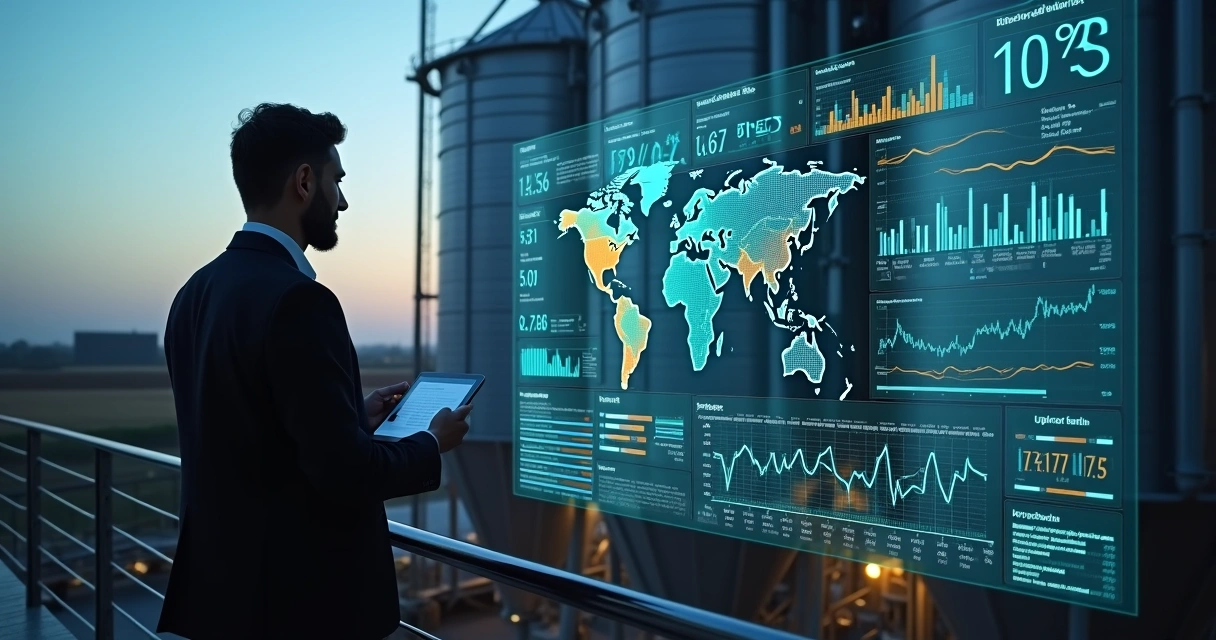
In modern agroindustry, the ability of a finance team to anticipate and respond to market volatility can define a company’s path. Gone are the days when risk management meant tedious spreadsheets, scattered market data, and reactive decisions based on yesterday’s news. Digital transformation has arrived, pushing finance chiefs to reconsider not only which risks they monitor, but how. UHEDGE emerges as a solution provider, marrying scientific rigor with proprietary technology, helping companies transform their pricing and risk control into consistent value drivers.
Understanding the problem: Why automation?
Companies in agribusiness traditionally handle exposure to currencies, interest rates, and commodity prices with a patchwork of manual methods and siloed solutions. Often, risk is tracked in isolated spreadsheets. The result? Data fragmentation, delayed response, and missed opportunities when market turbulence strikes. In this scenario, internal teams simply can’t keep up with the volume and velocity of factors that affect commercial outcomes.
Manual tracking can never match the world's pace.
UHEDGE recognizes that it’s humanly impossible for finance teams to continuously oversee every influential variable and adjust strategies in real time. That’s where a centralized, AI-powered digital treasury becomes not just helpful, but necessary for the modern CFO seeking discipline and actionable insights in turbulent markets.
The shift: From spreadsheets to a unified digital environment
Before automation, CFOs faced a maze of disconnected processes:
- Currency hedges tracked in one system, commodity hedges in another
- Manual mark-to-market reports prone to errors and delays
- Missed market signals due to lack of real-time analytics
- Operational silos, leading to duplicated efforts and diluted governance
This scattered architecture limits visibility and heightens risk. When a crisis—like a sudden drop in commodity prices—hits, companies react after-the-fact, often suffering losses they could have hedged with better timing. With a solution like UHEDGE’s integrated risk management, all operations (FX, interest rates, physical and financial commodities) are aggregated in a single environment, ensuring unified oversight and systematic discipline.
What can be automated in risk measurement?
Effective risk automation in agroindustry doesn’t mean outsourcing judgment to algorithms—it means empowering teams with continuous, data-driven monitoring and actionable alerts. Here’s what automation can cover:
- Real-time portfolio monitoring: Track overall exposure, mark-to-market (MTM), and portfolio performance instantaneously
- Automated structure creation and pricing: Instantly price complex hedge structures (Accumulators, Fences) and simulate their impact on cash flow
- Predictive analytics: Visualize volatility surfaces, futures curves, and stress tests triggered by external shocks
- Governance checks: Ensure every hedge and position aligns with internal policy and market regulations, every single day
- Alert systems: Notify the CFO when exposure exceeds predetermined thresholds, when cash flow forecasts deviate, or when sudden market events demand attention
Real-time insights mean smarter decisions, not just faster ones.
Core methods and tools for automation
The UHEDGE ecosystem demonstrates how automation can work in real scenarios. Here are practical steps and the kinds of tools enabling this shift:
Quantitative modeling and AI-driven analytics
At the heart of automation stands quantitative modeling. This means feeding the system with real market and operational data—be it commodity price histories, FX movements, or production volumes. UHEDGE combines advanced econometric models and artificial intelligence to process this deluge of data:
- AI algorithms constantly examine macro signals and industry trends
- Automated recommendations adjust hedging mechanisms to the market’s latest profile
- Simulations show the outcome of market moves before they happen
For example, an agribusiness producing coffee can set parameters such as maximum leverage, target benchmarks, and receive automated strategy updates, all tracked and visualized on dashboards.
Centralized digital treasury solutions
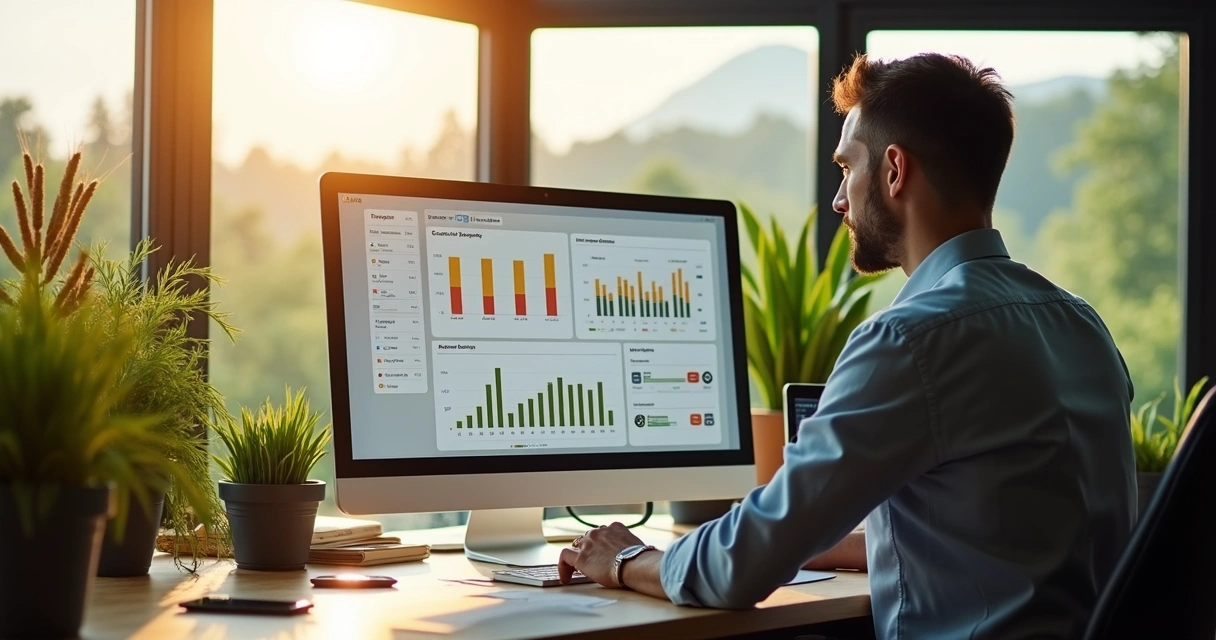
A digital treasury brings together every cash flow, contract, and risk factor. With tools like UHEDGE’s Risk System, teams gain:
- Unified dashboard with all derivatives and physical positions
- Instant performance analytics and end-of-day automated reporting
- Detailed breakdowns by instrument type, counterparty, and risk category
A single view, complete control.
Algorithmic approach to OTC derivatives
For many agroindustry players, custom hedge structures have required lengthy back-and-forth with banks. Automation changes this entirely:
- Replicating algorithms let CFOs access structures like swaps and options on demand
- Customizable calculators enable building, pricing, and comparing hedge strategies in seconds
- Instant access to analytics that were once reserved for global banks
UHEDGE technology democratizes these instruments, allowing CFOs to tailor protections for their unique exposures with far greater control.
What kind of alerts and reporting should be expected?
Automation isn’t just smart data. It’s constant vigilance and clear communication. Automated platforms should provide:
- Threshold alerts: When risk metrics exceed preset limits, notifications go directly to responsible teams
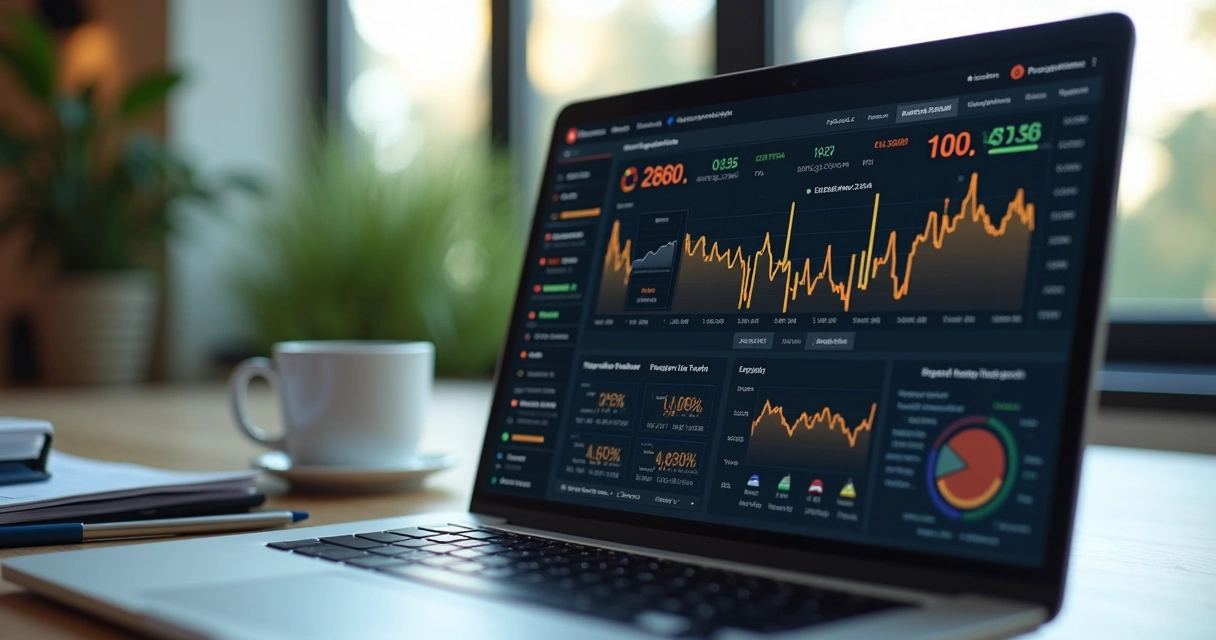
- Scenario analysis: Dashboards show potential impacts of adverse moves—like a sudden currency devaluation—across the entire operation
- End-of-day and custom reporting: Automated, error-free reports help meet both managerial and statutory compliance, ready whenever needed
- Performance explainers: Visual breakdowns (MTM, P&L attribution) clarify how and why results occurred, fostering transparency
Implementing automation: Practical steps
The transition isn’t overnight—it’s a series of deliberate moves:
- Evaluate current workflows: Map out where exposure is currently calculated (spreadsheets, ERPs, banking portals).
- Define automation objectives: Decide what you want automated—monitoring, reporting, scenario analysis, regulatory compliance.
- Onboard a robust digital treasury platform: Adopt a solution that integrates all positions and risk types—a true “one-stop-shop.”
- Customize governance: Set parameters for risk tolerance, alerts, and escalation procedures that fit your company’s profile.
- Integrate with operational data: Connect the treasury with physical trade flows and contracts to ensure automatic, real-time updates on exposure changes.
- Train users: Make sure finance, risk management, and executive teams understand the system’s capabilities.
- Monitor, iterate, and improve: Use automated reports and alerts to continuously refine strategies, always ready to adapt to new market events.
UHEDGE exemplifies this process, advocating a diagnostic onboarding that aligns the system to each client’s goals, tolerance, and operational nuances. Through performance feedback and regular review, even the most complex agricultural operations can turn risk from a feared variable into a consistent performance driver.
Industry experience: Concrete results
Practical examples bring this transition to life. For example, a coffee producer adopting UHEDGE’s risk system saw strategies adjusted dynamically based on AI-generated forecasts of coffee prices, foreign exchange risk, and even global economic shocks. The result was higher margin, stricter policy adherence, and better timing on both purchases and sales—tracking performance against benchmarks, all without the delays or inaccuracies of manual reporting.
The stories echo across other sectors, such as grain and energy, where the shift to comprehensive risk monitoring means not just mitigation, but new opportunities for value creation. For those interested in deepening their management strategies in commodities, more insights are found in related discussions on risk management in agribusiness and opportunities in Brazilian commodities.
Conclusion: Automation is discipline, not just convenience
Automating risk oversight in the agroindustry is no longer optional for companies with substantial market exposure. Integrated digital platforms, quantitative models, and AI-driven analytics offer more than speed—they provide consistency, transparency, and a proactive posture against volatility. Those who rely solely on tradition risk being left behind.
For CFOs and decision-makers ready to make risk work for—not against—their business, starting with a tailored assessment and demo of UHEDGE’s digital treasury could mark the beginning of a new era in finance discipline. Now is the moment to take the first step and reach out for a practical guide to protection strategies that make a difference.
If controlling risk—and harnessing it as an engine of value—matters to your agribusiness, discover UHEDGE’s innovative solutions and bring scientific rigor to every decision your company makes.
Frequently asked questions about automating risk assessment in agroindustry
What is automated risk assessment in agriculture?
Automated risk assessment in agriculture is the use of digital tools—often powered by AI and quantitative models—to continuously monitor, analyze, and report risk factors affecting farm and corporate operations. This includes real-time tracking of price exposure, portfolio health, and compliance, reducing manual effort and increasing responsiveness to market events.
How does automation help agroindustry finance?
Automation supports agroindustry finance by integrating all risk sources (currency, interest rates, commodities) in a unified platform, providing instant performance tracking, automated alerts, and predictive analysis. This makes managing cash flow, complying with policies, and seizing market opportunities far more practical and disciplined.
What tools are used for risk analysis?
Key tools include AI-driven dashboards, market simulators, automatic pricing calculators, and reporting engines. These systems bring advanced analytics—like volatility surfaces and mark-to-market performance—straight to the desks of finance teams, making industry-grade insights accessible to all decision makers.
Is automated risk assessment reliable for farms?
Yes, automated platforms designed for agricultural finance are highly reliable, as they minimize human error, standardize processes, and provide live updates. The caveat: effectiveness depends on data quality, user training, and ongoing model refinement to handle market evolution and new types of risk.
How can I start automating risk checks?
Begin by identifying your current workflow gaps, then seek a platform that aggregates your exposures and provides real-time analytics and alerts. Working with a specialist provider like UHEDGE, you can tailor onboarding to align the system with your risk policy, train your team, and start with pilot implementations before a full rollout.