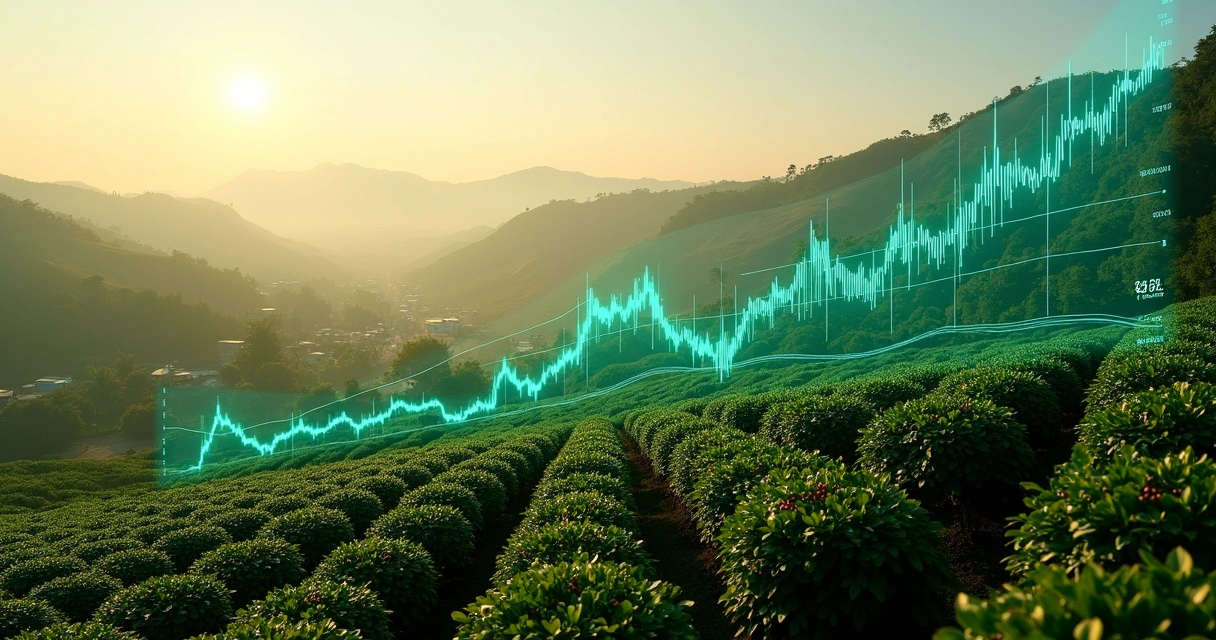
As the world’s leading coffee producer, Brazil’s crop forecasts shape global trends, risk dynamics, and the very strategies adopted on every trading desk—from major export houses to diversified manufacturers and family-run cooperatives. For 2026/27, all eyes are locked on what may soon become a historic harvest. After a troubled 2025 season, market intelligence is already pointing to strong recovery, record numbers, and just as crucial, lessons in risk management that will ripple beyond the Cerrado’s red earth.
2025: A volatile base year
The 2025 Brazilian coffee season left many surprised and some uneasy. Arabica suffered a sharp downturn—production fell 13.3%, landing at 37.7 million bags, as reported by Hedgepoint. The drop was largely attributed to an unfavorable biennial cycle and drawn-out drought. Productivity plummeted to 23.7 bags per hectare, according to Conab, causing significant contraction especially in Minas Gerais and Espírito Santo, strongholds of Brazil’s arabica supply.
Meanwhile, conilon (robusta)—often overshadowed by its sibling varietal—thrived. Driven by more stable weather and expanded acreage, output surged 37.2% to an impressive 27 million bags. Average productivity for conilon reached 53.8 bags per hectare, a peak made possible by diligent crop management and favorable regional rainfall. Espírito Santo dominated conilon output, but the robusta boom’s impact was also felt in Rondônia and northern Espírito Santo.
2026/27: A recovery in motion
With the dust settling from 2025’s volatility, 2026/27 is shaping up to be the comeback year for Brazil’s coffee sector. Projections are bullish—Hedgepoint forecasts a crop between 71 and 74.4 million bags, while Safras & Mercado expects a record 71 million bags. When compared with the prior season, this marks an estimated 10.5% jump, remarkable for a sector so recently battered by weather’s whims.
Brazil’s 2026/27 harvest is set to reach new heights, mainly because of arabica’s anticipated rebound, refreshed plantings, and improved crop management. Arabica alone could account for 46.5 to 49 million bags. The surge owes much to better seasonal weather and rejuvenated trees—actions that many postponed in tougher years are now beginning to bear fruit.
By contrast, robusta (conilon) could shrink by 6 to 9%, likely coming in at 24.6 to 25.4 million bags, though volumes will remain historically high. This resilience is thanks to the acreage expansion since 2023 in search of higher returns, especially at a time when robusta prices spiked globally.
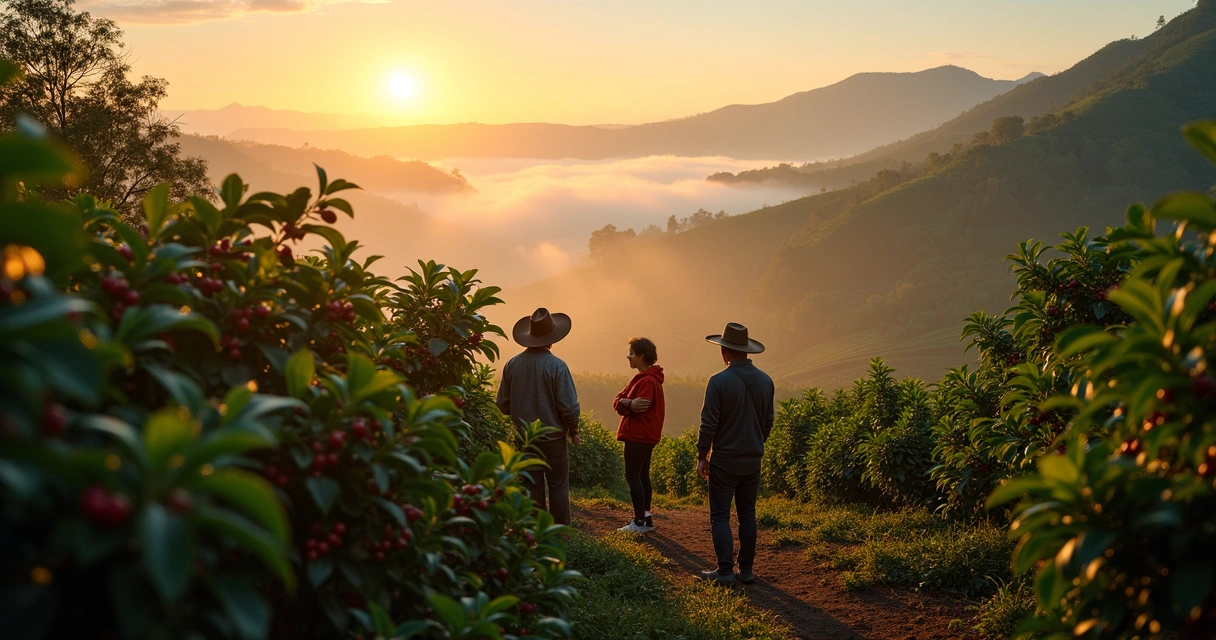
The contrast between arabica’s recovery and conilon’s high baseline sets the stage for a harvest that could transform global supplies—right as world coffee stocks hit their lowest in 25 years. This startling fact amplifies the impact of any potential disruption. With inventories drained, even minor shocks can send markets into a frenzy, forcing buyers and sellers to rethink every move.
Why Brazil matters more than ever in 2026/27
There’s no overstating the importance of this forecast. For everyone in the coffee trade, these larger factors go beyond spreadsheets or field reports. Brazil’s production anchors global supply, and with stocks so thin, the importance of a smooth harvest is greater than ever.
Producers across Latin America, Africa, and Asia are watching Brazil’s results as a bellwether for their own pricing and planning. Major roasters and international traders are adjusting strategies, seeking to lock in stable contracts or optimize their hedge coverage before the next inevitable shift.
When Brazil’s crop moves, the world listens. Risk, but also opportunity, is everywhere.
Climate’s shadow and the new risks in 2026/27
But what could derail this rally? The biggest wild card remains the weather. After all, it was erratic skies that defined Brazil’s recent struggles. Dry spells from August through early October 2025 delayed arabica flowering, and while there is hope that regular rainfall in the December-to-March window will fill out beans, scientists warn the legacy of consecutive difficult seasons won’t dissipate overnight.
Production cycle swings still threaten some regions, while the continual challenge of rejuvenating aging plants means a full return to peak yields is far from guaranteed across the board.
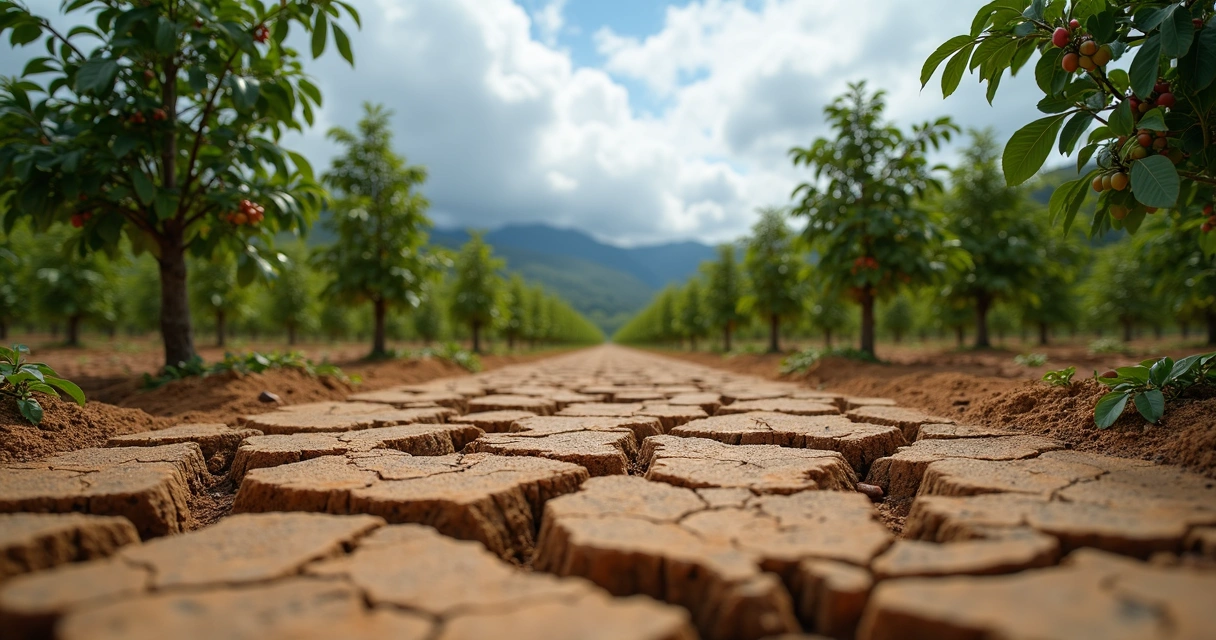
Internationally, the risks are multiplying:
- World inventories are low, raising the stakes for any supply shortfall.
- ICE-certified stocks are tight, supporting prices even if short-term fundamentals wobble.
- Most U.S. tariffs on Brazilian coffee have recently been removed. This provides near-term uncertainty—Brazil will compete harder in export markets but must also navigate the global dance of supply and demand.
- Currency swings remain a perennial worry, with the real’s movement influencing revenue, export competitiveness, and farmer decisions on when to sell.
Regular rainfall from December to March is vital for healthy bean development and ultimately defines the year’s quality and quantity. Yet, even perfect weather can’t erase the twists left by previous dry years.
For more insights into the ripple effects of macroeconomic and commodity risks on Brazil, see an in-depth explanation of how coffee market mechanics shape volatility and margin protection in this specialized article on coffee hedges.
How hedging and data-driven strategy shape the coffee supply chain
In periods of low inventories and churning global markets, the need for robust risk management intensifies. Every stage of the supply chain feels this—from large storage cooperatives managing inventories, to exporters and processors who face contract price fluctuations, and finally to roasters juggling cost inputs and retail margins.
UHEDGE’s digital treasury and risk platform steps in as a scientific anchor, providing real-time visibility over all operations, robust analytics on price movements, and smart, AI-driven recommendations. These are the hallmarks of a next-generation approach to commodity risk management, as detailed in this commodities market resource.
- Trading-oriented calculators enable instant pricing and structure creation, including sophisticated accumulators and fences.
- Market analytics let decision-makers see volatility surfaces, futures curves, and volatility smiles—giving a true edge in timing key moves.
- Every metric from mark-to-market to volume of origin can be monitored in real time, ensuring no blind spots are left.
Without a central hub for managing these moving parts, companies risk making critical decisions based on fragmented, out-of-date data. The result? Lost value and reactivity instead of smart, proactive positioning.
UHEDGE and STATERRA help to fill the gap left by internal teams juggling too many variables, equipping them with scientific modeling and the kind of discipline only technology brings. Their platform creates a unified command center where physical and paper trades are tracked, risks recalculated, and responses automated with AI superiority. Learn more about such unified approaches at the risk management section of our content hub.
Practical tips: Hedging strategies for 2026/27 coffee
With so many uncertainties on the horizon, effective hedging isn’t just a good idea—it’s a shield. The right hedging strategy helps a coffee player, big or small, dampen the impact of a sudden price drop, catastrophic weather, or a spike in currency volatility.
A disciplined approach includes:
- Setting clear objectives for hedge volumes and target prices, keeping in mind storage logistics and contractual obligations.
- Choosing the right structures—accumulator, fences, or swaps—based on the risk tolerance, expected price path, and budget constraints.
- Using quantitative models and AI tools to stress-test different scenarios, rather than relying on gut feeling or partial data.
- Regularly revisiting hedge ratios as new market data arrives or as physical flows change during key months in the crop cycle.
More detail on constructing hedges tailored for commodities in unpredictable markets is available in a dedicated post on hedging for margin protection.
Making hedging decisions based on market intelligence, data, and a clear risk profile—rather than fixed rules or outdated beliefs—protects profitability and enables greater flexibility during harvest and marketing windows.
Conclusion: Transform coffee risk into value using advanced tools
The coming 2026/27 cycle will test the resilience of Brazil’s coffee landscape and of the global market’s ability to adapt. Robust arabica recovery and strong conilon output promise high yields, but unprecedented tightness in global inventories means risk remains around every corner.
Those with disciplined, science-backed systems—not just intuition—will find themselves in the best positions. This is where the expertise of projects like UHEDGE and STATERRA proves invaluable. Combining data, AI, and rigorous modeling, producers and traders can turn instability into opportunity, redefining what’s possible in a sector as complex as coffee.
For those eager to protect margins, seize upside, or even just sleep better at night, consider taking the next step: book a strategic risk diagnosis with the UHEDGE and STATERRA team. Discover how digital treasury and scientific analytics can bring lasting clarity to your operations. Practical, personalized action is only a conversation away.
Browse more sector-specific content and see the latest trends and updates in the commodities section of our blog.
Frequently asked questions
What is Brazil’s coffee outlook for 2026?
Brazil is expected to produce a record or near-record coffee crop in 2026/27, with arabica volumes rebounding to between 46.5 and 49 million bags and overall output projected at 71 to 74.4 million bags. Favourable weather, improved management, and renewed plantings support the recovery. However, conilon output could edge slightly lower but still remain high thanks to recent area expansions.
How will weather affect coffee prices?
Weather is a critical factor shaping both yield and quality in Brazil. Delayed arabica flowering in 2025 due to drought is expected to weigh on the 2026/27 crop, while the period from December to March is vital for bean development. Any unusual weather can sharply impact global inventories and trigger price swings, especially with stocks near 25-year lows.
What are major risks for coffee producers?
Producers face ongoing climate unpredictability, tight world inventories, price volatility linked to global policies and currency movements, and the possibility of incomplete crop recovery in some regions. For many, rejuvenating older plantings and managing farm risks with precise, adaptive strategies is more important than ever.
How can I hedge against coffee price changes?
Effective hedging calls for tailored strategies, such as using accumulators, fences, or swaps, and calibrating hedge ratios in response to evolving data. Platforms like those from UHEDGE equip users with advanced AI and modeling to analyze risks, simulate scenarios, and execute decisions in real time. Professional advice and robust technology are strongly recommended—a more detailed guide can be found in the coffee risk and hedging section of our blog.
Where to find reliable coffee market forecasts?
Reliable forecasts are best accessed through market intelligence services and specialized platforms that integrate real-time data, quantitative modeling, and sector expertise. UHEDGE and STATERRA, as well as curated educational content on our blog, provide valuable forecasts and analytical resources designed to support every participant across the coffee value chain.