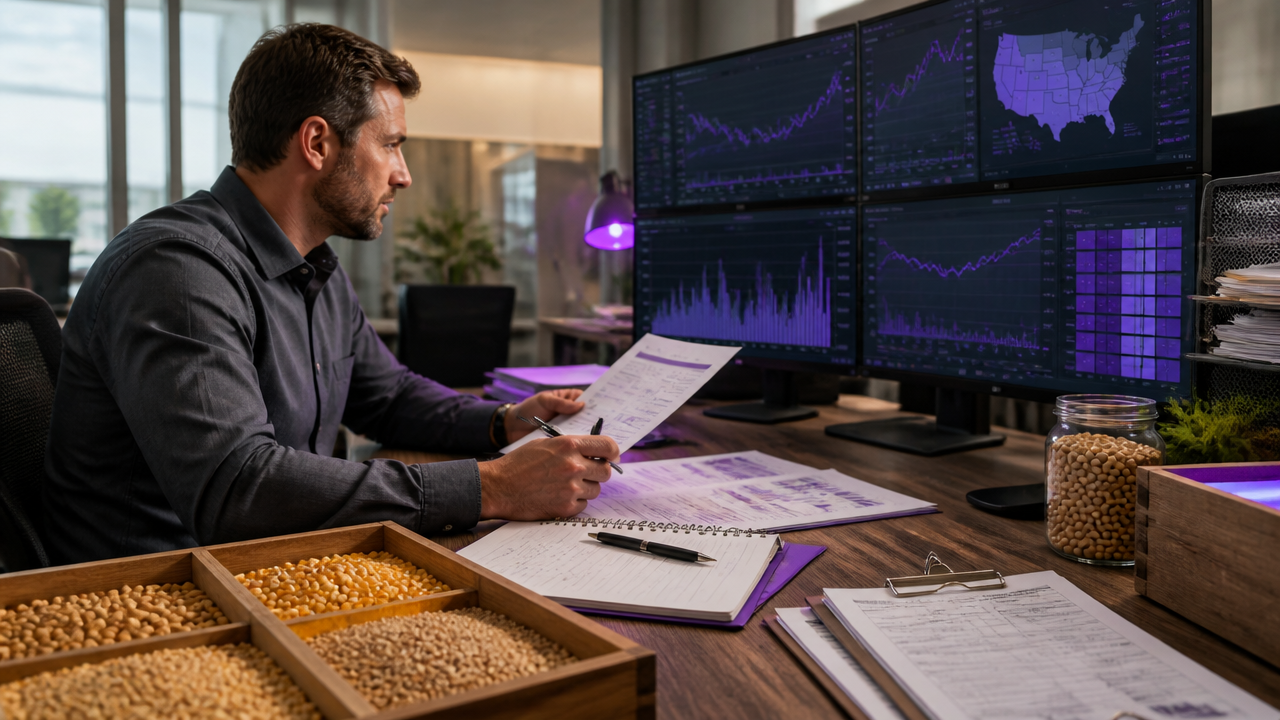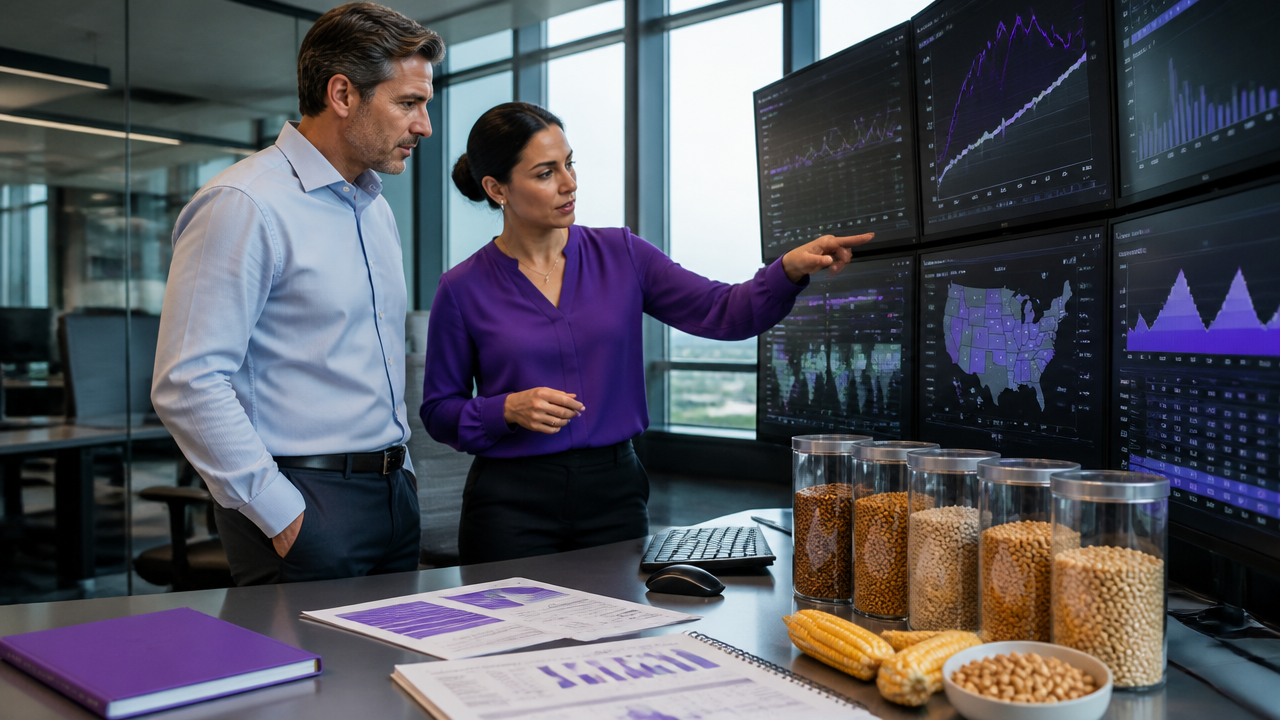
Commodities play a decisive role in shaping the strategies for many companies in agribusiness, energy, and industry. Managing exposure to price swings in these critical markets isn’t just a technical necessity—it is a matter of business resilience. In today’s trading world, where supply, demand, and geopolitics create daily uncertainty, the path from risk to opportunity requires more than just following price charts; it requires smart, adaptive strategies built on technology and insight.
Understanding commodities and their market significance
Commodities are basic goods used as building blocks for the global economy. They include agricultural products (like coffee and soybeans), energy (oil, gas, electricity), and metals (copper, aluminum), all of which are traded as either physical goods or financial contracts. Companies in agri, energy, and industrial segments rely on these resources to sustain their core operations, making their performance tightly interlinked with commodity prices.
The winners in these sectors are not necessarily those with the lowest costs but those who best manage price swings. A feed manufacturer might face risk from rising corn prices; a fuel distributor from oil price shocks. Each scenario brings the same underlying challenge: price volatility.
Why price volatility matters—and where it comes from
Commodity prices jump and slide for numerous reasons. The most common are supply-demand gaps, such as when drought cuts crop yields or new mines flood the metals market. But the real complexity comes from:
- Geopolitical stress: Sanctions, wars, and trade policies can make prices spike overnight.
- Regulation changes: New tariffs, environmental rules, or export bans can twist the market without warning.
- Inflation and currencies: As inflation grows or currencies weaken, costs shoot up across sectors.
Even rumors of a harvest failure, or signs of recession, can be enough to send a shock through global supply chains.
Markets often move before the facts are clear.
Sometimes, companies feel as if they're reacting to yesterday’s news—just when decisive, forward-looking risk action is needed. This is where the right tools become the difference between merely managing risk and using risk for competitive advantage.
The trading toolkit: from futures to digital precision
Businesses in need of protection typically choose among three main trading instruments:
- Futures contracts: Agreements to buy/sell a commodity at a fixed future date and price. Futures are the corporate backbone for locking in margins on everything from coffee to crude oil. Used correctly, they absorb much of the commercial price swings.
- Spot transactions: Immediate purchase or sale of a commodity at current market price—a common tool for fast procurement or inventory adjustment.
- ETFs and structured products: Exchange-traded funds allow indirect exposure to commodity prices, while more sophisticated instruments like Accumulators or Fences, especially those accessible through advanced trading systems, let companies tailor defenses around their unique needs.
While futures are often the headline act for risk control, digital trading platforms now enable structures that previously demanded specialist, costly manual intervention.
From fragmented control to unified insight: the technology leap
In many companies, trading and risk actions remain siloed. FX, interest rates, and commodity hedges are checked in different spreadsheets, sometimes in different buildings or continents. Data fragmentation means not having the whole picture, often leading to decisions based on partial or stale information. As the team at UHEDGE notes, no single human, unaided, can track every moving part of today’s markets in real time.
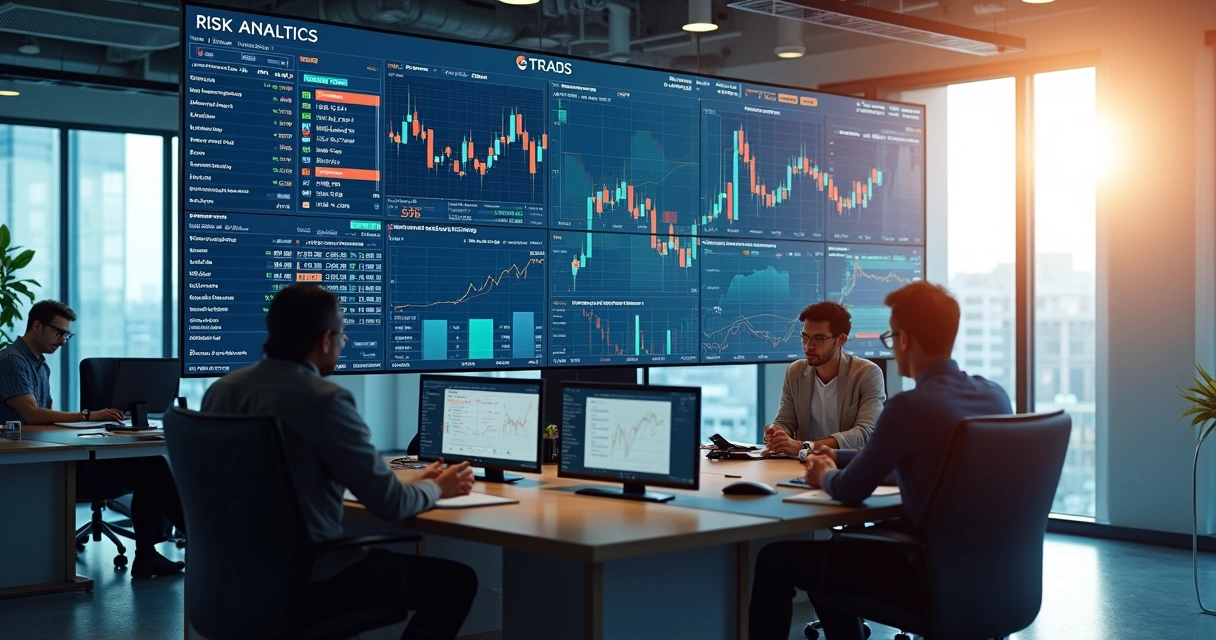
Enter the AI-powered Digital Treasury—an integrated platform that collates every operational and financial position into a single environment. Such systems provide instant access to pricing calculators, allow real-time mark-to-market tracking, and generate analytics across currencies, rates, and commodity positions. Unified dashboards let decision-makers see problems before they become threats.
Unlocking quantitative rigor for better decisions
A major leap in commodity management comes from using AI-powered analytics and quantitative models for:
- Price forecasting and volatility surface visualization
- Structuring and repricing derivative positions instantly
- Simulating risk under different market events—including geopolitical shocks
- Automatic model-driven recommendations on hedge ratios, product mix, and timing
These advancements reflect the move from reactive tactics to proactive, data-informed strategies. The UHEDGE approach, for example, goes beyond monitoring. It uses advanced AI to recommend risk actions and applies strict quantitative models that are otherwise out of reach for most internal teams.
As studies from William & Mary explain, algorithmic systems can scan news, process market sentiment, and execute trades automatically, minimizing human biases and delays. Machine learning and natural language processing analyze millions of data points to spot risks and opportunities before they are obvious to the naked eye (see further at this William & Mary article).
Algorithms see links that humans miss.
The gains here are real: better cash flow predictability, fewer nasty surprises, and decisions that align more closely with company objectives, not gut feel.
Practical risk management for real companies
In the real world, risk managers are constantly dealing with two battles: controlling known exposures and catching new risks before they bite. Several practical practices stand out:
- Centralized exposure monitoring: Centralizing all positions lets firms spot dangerous concentrations or gaps instantly.
- Dynamic hedge structures: Instead of locking into rigid contracts, flexible tools (like those provided by UHEDGE’s trading solutions) make it possible to adapt as market signals shift.
- Quantitative alert systems: Tailored alerts based on market analytics warn decision-makers if certain thresholds are about to break.
- Portfolio simulation and stress-testing: Run “what if” scenarios for everything from weather shocks to tariffs, testing how your P&L would hold up.
This is what it means to move from “data-rich” to “insight-rich”. Simple reports can't do this. Only advanced systems, combining modeling, automation, and human interpretation, make this level of control obtainable.
The role of UHEDGE and STATERRA: bridging knowledge, technology, and action
The UHEDGE ecosystem, powered in alliance with STATERRA Asset Management, takes commodity and risk management beyond standard software. UHEDGE focuses on delivering advanced trading and pricing infrastructure, while STATERRA brings resource management and financial advisory expertise to the table. As a combined force, they bring together industry know-how, AI, and a business model entirely aligned with the interests of their clients (they only win when the client results improve).
The result? Custom risk solutions, quantitative rigor, and data-powered agility—tools that turn every market event into an opportunity rather than a threat.
Client cases reported in the agri and energy sectors demonstrate that digital, model-driven hedging raised strategy performance versus typical market alternatives. For instance, in managing price risk for NY Coffee “C” futures, portfolios under STATERRA’s management succeeded in exceeding benchmarks by combining AI-driven timing signals with disciplined risk limits. This approach modeled not only market volatility but also tightly controlled how much capital was put at risk at any one time.
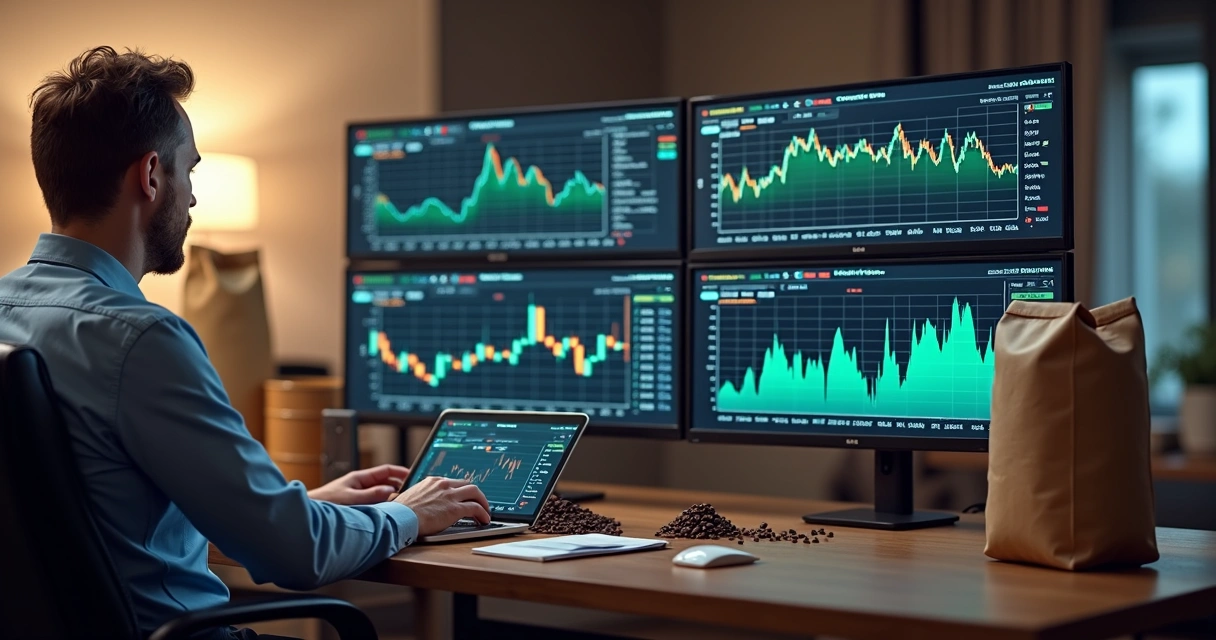
The same digital discipline applies to energy and metals, with optimization not just of market positions but also of liquidity management—making sure margin calls and operational cash flows stay predictable.
Tying risk management to company strategy and resource objectives
Commodity risk, left unmanaged, strikes where least expected: squeezing margins when least affordable, derailing projects, or forcing unwanted restructures during crisis. Yet, when risk management is deeply connected to company goals, it does much more—safeguarding budgets, supporting stable employment, and enabling long-term planning.
The goal is not to “beat the market” but to protect and grow business value, making disciplined risk control an asset rather than an insurance cost. UHEDGE’s quantitative discipline ensures every action—whether hedge or speculation—is measured against overall company risk tolerance, objectives, and liquidity requirements. Customization is key: There are no one-size-fits-all answers.
Unified digital treasuries ensure that all operations, from hedging to liquidity and reporting, are visible and controllable—empowering management with evidence to act without hesitation. This forms a core part of modern resource management, especially in turbulent times.
Further resources for commodity trading risk
Anyone interested in deepening their understanding of hedging, common pitfalls, and the specifics of the Brazilian market can find practical guidance in content like the UHEDGE commodities category, or specialized articles on protecting margins in unpredictable markets, protection against commodity volatility, mistakes in commodity hedges, and how commodities work in Brazil.
Conclusion
In today’s uncertain world, managing commodity trading risk means more than locking in a price or reviewing yesterday’s charts. The most resilient companies use rigorous quantitative strategies, AI-backed analytics, and unified platforms to turn price swings into strategic gains. With the alliance of UHEDGE and STATERRA, companies access expertise, digital support, and unbiased consultation—focusing on what matters: protecting value, supporting growth, and building for the future.
For companies seeking to move from uncertainty to confident action, moving toward AI-driven digital treasury solutions is a step not just ahead, but upward.
To discover how these concepts can be applied to your company, consider starting with a full risk and strategy assessment. UHEDGE invites you to book a consultative diagnostic session—a personalized opportunity to see the digital treasury in action and map out your first steps to stronger risk control and trading discipline.
Frequently asked questions
What is quantitative trading in commodities?
Quantitative trading in commodities refers to the use of mathematical models, statistical tools, and AI-powered algorithms to analyze market data and automate trading or risk management decisions. Instead of relying only on human judgement or intuition, quantitative trading applies evidence-based logic to every action, seeking consistency, risk control, and repeatable outperformance. This approach helps companies respond more precisely to price moves and manage risks proactively.
How can I manage risks in commodity trading?
Risk management in commodity trading involves several steps: identifying exposures, setting clear objectives and limits, using hedging instruments (like futures or OTC derivatives), and employing advanced analytics and monitoring tools. Centralizing data and using automated, model-driven alerts enable professionals to spot risks in real-time and act ahead of the market. Regularly stress-testing the portfolio against various scenarios supports decisions that are consistent with the company's strategic and financial aims.
Are quantitative strategies effective for commodities?
Yes, quantitative strategies are highly effective when managing commodity risk. They help companies cut through noise, avoid common decision-making biases, and fine-tune timing and structure of hedging actions. Quantitative systems, such as those from the UHEDGE ecosystem, bring discipline and predictive accuracy, supporting robust decision-making even during global turbulence.
What are the best commodities to trade?
The “best” commodities depend on a company’s commercial exposure and risk appetite. For agribusiness, products like coffee, soybeans, and corn are central. In energy, oil and gas are critical. Metals like copper and aluminum matter most for industrials. The top priority is not the commodity itself but developing a risk management plan that matches the specific business and market impacts relevant for each organization.
How much capital do I need to start?
The required capital varies drastically according to the market, the chosen trading instruments (futures, OTC, spot), and the company’s objectives. Small hedges might require modest margin deposits, while larger or more sophisticated structures need substantial cash reserves for margin calls and operational needs. Digital risk systems help optimize capital use by improving margin efficiency and reducing liquidity surprises over time.