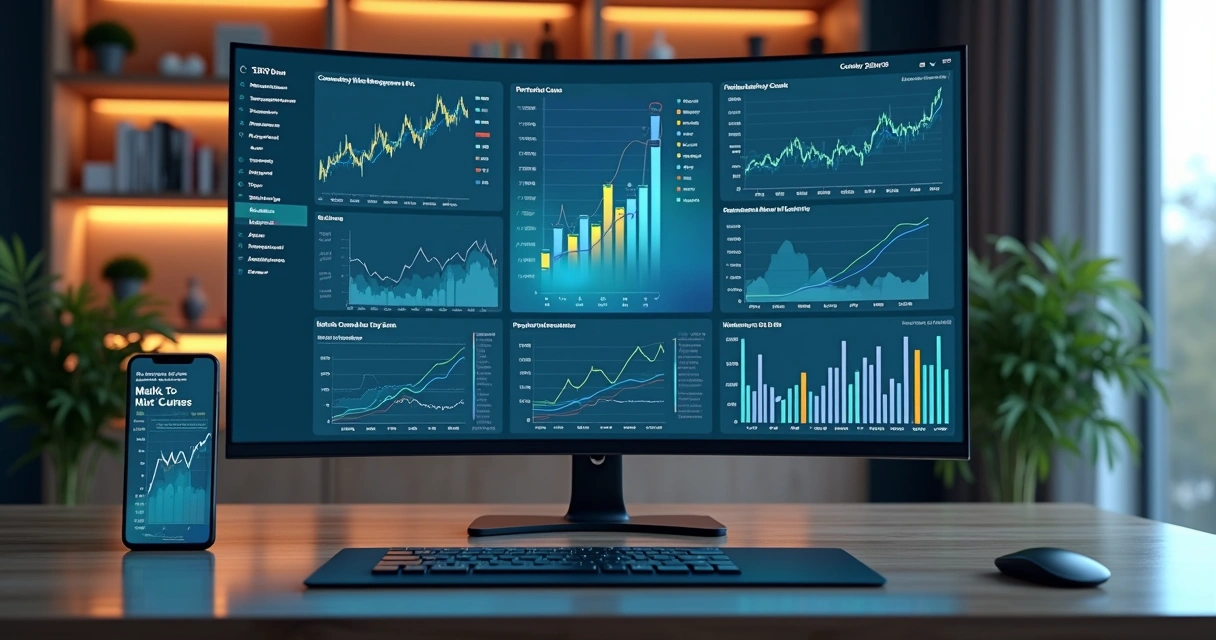
Agribusiness, with its seasonal cycles, global markets, and volatile pricing, demands sharp decision-making under pressure. Financial leaders in this sector often find themselves wrestling with information overload. They juggle commodity prices, FX volatility, weather patterns, supply chain disruption, and interest rate shifts—sometimes all before lunch. Yet, their greatest challenge might be simpler: scattered, uncoordinated risk information.
Why fragmentation complicates risk management
Finance teams in agriculture rarely work with all their numbers in one place. Data comes from different trading desks, ERP systems, spreadsheets, emails, and even the phone. This patchwork creates friction—not only in accessing the numbers but in trusting them. The end result? Decisions are delayed, sometimes based on partial facts. Mistakes creep in.
Stories from the field often echo the same dilemma. A CFO needs to quickly hedge a soybeans export exposure, but pricing, recent trades, and currency forecasts live in separate files and platforms. By the time everything is consolidated, the market has already moved.
Fast access to financial clarity is the backbone of good risk decisions.
This is not simply a matter of convenience or speed. When a large agribusiness is split across multiple regions and products, missing or outdated inputs can lead to millions in unnecessary costs and missed opportunities. When it comes to market exposure, guessing is not an option.
The consequences of manual and fragmented systems
Manual processes fill the gaps when technology falls short. But as teams copy-paste between spreadsheets and hunt down numbers, risks multiply: transcription errors, formulas misapplied, lost audit trails, and last-minute stress. Worse, these delays make proactive structures—like hedges and options—harder to time.
A recent analysis by UHEDGE found that more than 80% of agroindustry finance executives cite integration gaps as the main barrier to daily operational control. Time is lost not just gathering the data, but verifying that it is correct. And when reports finally arrive, they sometimes trigger more questions than answers.
How centralization changes the game
The promise of a centralized digital treasury is simple: unite all exposures and transactions—physical or paper—under a single view. When leadership can access positions, pricing, and analytics at once, their ability to respond to market shifts improves dramatically.
With centralized control, finance leaders are able to:
- Monitor portfolio risk for all branches and commodities, instantly
- Create pricing scenarios for complex derivatives without delay
- View cash flows, credit exposures, and underlying assets on the same dashboard
- Automate daily mark-to-market and P&L tracking for transparency
- Coordinate with commercial and trading teams based on real-time information
UHEDGE, by integrating scientific modeling and digital infrastructure, helps create these connected environments. Instead of retrofitting old tools, modern platforms knit data together from all sources, reducing chaos and restoring confidence.
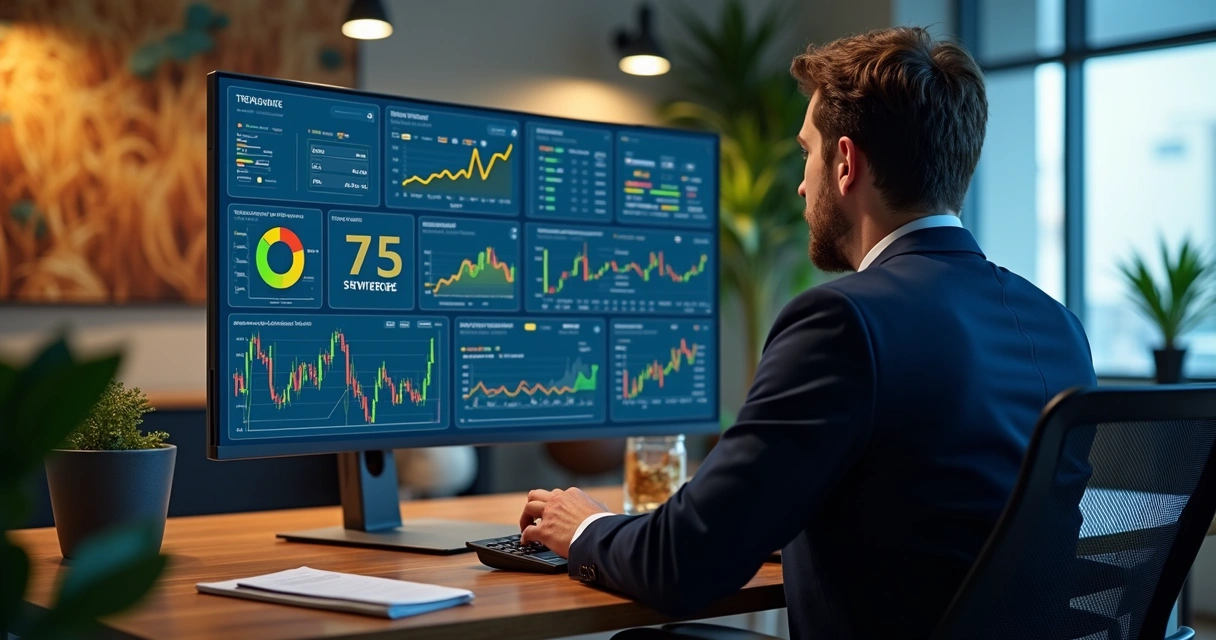
Building a unified data environment: Key approaches
Centralizing exposures, transactions, and market data happens in layers—starting with integration. Integration is not only technical; it is about process, governance, and cultural buy-in. Below are key ways companies achieve it.
APIs: Real-time connections between platforms
Modern agribusiness finance systems often harness APIs to synchronize everything from spot market prices to commodity contract updates and FX trades. APIs provide machine-to-machine data transfer, so updates flow in both directions. For example, connecting ERP or trading platforms directly to treasury systems means every trade, price tick, and inventory change updates automatically.
Middleware: Bridging legacy and modern systems
Some data still lives in older databases, homegrown tools, or partner portals. Middleware acts as a translator, pulling relevant figures from these sources and pushing them into the centralized dashboard. This is especially valuable when companies run different software in separate subsidiaries or export markets.
Automated data feeds: Cutting out the manual work
Third-party feeds deliver spot and futures prices, interest rate curves, and even weather risk indices. When connected, these feeds keep analytics tools up-to-date and remove human error from the process.

From fragmentation to control: A step-by-step path
CFOs and treasury heads can take structured actions to achieve robust aggregation and real-time risk visibility. The workflow follows this general map:
- Auditing all current data flows: Identify where risk, trading, and pricing data currently lives. Map out every spreadsheet, software, and feed.
- Prioritizing integrations: Not everything needs to connect at once. Focus on data sources with the largest financial impact: commodity trades, FX positions, and interest rate exposures.
- Selecting or upgrading the backbone platform: The central system must handle multi-asset classes, automation, and custom reporting—but also allow user-friendly navigation.
- Establishing automated checks: Set validation and reconciliation rules so that errors and inconsistencies are flagged, not buried.
- Training staff and securing access: All users should know what is shared on the dashboard, and permissions must be tightly managed.
- Creating daily workflows and alerts: Make sure positions, pricing, and risk controls flow in as a habit, not just during weekly closes.
During this process, many decision-makers find practical guidance in authoritative content such as hedging in agribusiness and derivative forecasting or in thematic risk management assessments like those at risk management strategies.
Customizing data centralization for agriculture
No two agribusinesses approach risk in exactly the same way. A company focused on grain trading faces different data challenges than a coffee or livestock exporter. Customization of centralized systems should reflect:
- The market exposures (commodities, FX, rates) relevant to the business’s revenue streams
- Regulatory needs for audit, compliance, and stakeholder reporting
- Integration with physical supply chain metrics, not just financial data
- Accessibility for various teams—trading, logistics, and senior leadership
UHEDGE’s Digital Treasury approach echoes these needs, emphasizing a platform that can model, price, and track exposures of all types, even as market conditions change. By blending quantitative analytics and AI, the system automates calculation-heavy tasks—like volatility surface mapping or derivatives pricing—reducing daily manual workload.
Best practices for ongoing reliability
Centralizing is not a one-time project. It asks for discipline and a set of habits. What sets leading teams apart is their ability to maintain reliability over time. Here are habits for keeping unified risk monitoring robust:
- Regularly audit the data connections, especially after software updates or organizational changes
- Set up automated alerts for unusual activity or data discrepancies
- Document all integration points so new team members onboard smoothly
- Ensure governance protocols are followed for data privacy and financial integrity
- Continue learning from resources, like commodity volatility protection strategies and practical guides on market defense (market hedge strategies)
When centralization is treated as both a technical foundation and a living process, companies not only reduce errors; they create a lasting competitive edge.
Reporting and decision power: What CFOs gain
The result of integrated risk systems speaks for itself:
- Daily dashboards with up-to-date asset and exposure snapshots
- Fast scenario modeling—“what-if” pricing and sudden volatility checks
- Instant mark-to-market updates for every product and region
- Improved communication with board and shareholders through accurate, timely reports
- Greater confidence in strategic moves, from planting decisions to exports
For a deeper look at how commodity markets shape these outcomes, finance leaders find value in content like commodity risk and opportunities in Brazil.
Unified risk data means fewer surprises—and sharper decisions.
Conclusion: Time to bring risk data together
The path from chaos to clarity in agroindustry finance is clear. Fragmented and out-of-sync data exposes businesses to costly mistakes, while centralized platforms, like the one offered in the UHEDGE ecosystem, shrink the distance between raw numbers and real decisions.
As agribusinesses continue to face unpredictable markets and ever-thinner margins, those who master connected risk information will move not only faster but smarter. For organizations ready to discover more, connect deeper, and build stronger risk resilience, now is the moment to try UHEDGE solutions and learn from the best in digital treasury and resource management.
Frequently asked questions
What is centralized risk data in agroindustry?
Centralized risk data in agroindustry refers to the process of gathering all information on exposures, transactions, pricing, and operations into a unified digital system. Instead of scattered spreadsheets and isolated reports, the data is shared on a single platform, improving control, accuracy, and decision support.
How to centralize risk information in agriculture?
To centralize risk information, companies should connect sources of commodity, FX, and interest rate data through integration methods such as APIs, middleware, and automated feeds. This process involves mapping current workflows, prioritizing the most valuable integrations, selecting a digital treasury platform, and training teams to use the new tools for daily monitoring and reporting.
Why is risk data important for agroindustry finance?
Risk data is the foundation for financial leaders to see market exposures, price volatility, and trading activity in real time. When accurate information is available, CFOs can make timely, informed decisions that protect profit margins and reduce financial uncertainty. Missing or incorrect data can lead to missed opportunities or losses.
What are the benefits of centralizing risk data?
Centralizing risk information delivers faster access to complete data, fewer mistakes, automated reporting, and better visibility across the organization. It removes silos between trading, finance, and operations, making it easier to identify risks and react quickly to market changes.
How can I start centralizing risk data?
The first step is to audit where current risk, pricing, and exposure data lives—both digital and manual. Next, prioritize the most critical integrations (typically commodities, currency, and interest rates) and select a trusted platform, like those in the UHEDGE ecosystem, that supports comprehensive, real-time aggregation. Then, follow best practices for training, monitoring, and maintaining the centralized system for ongoing reliability.