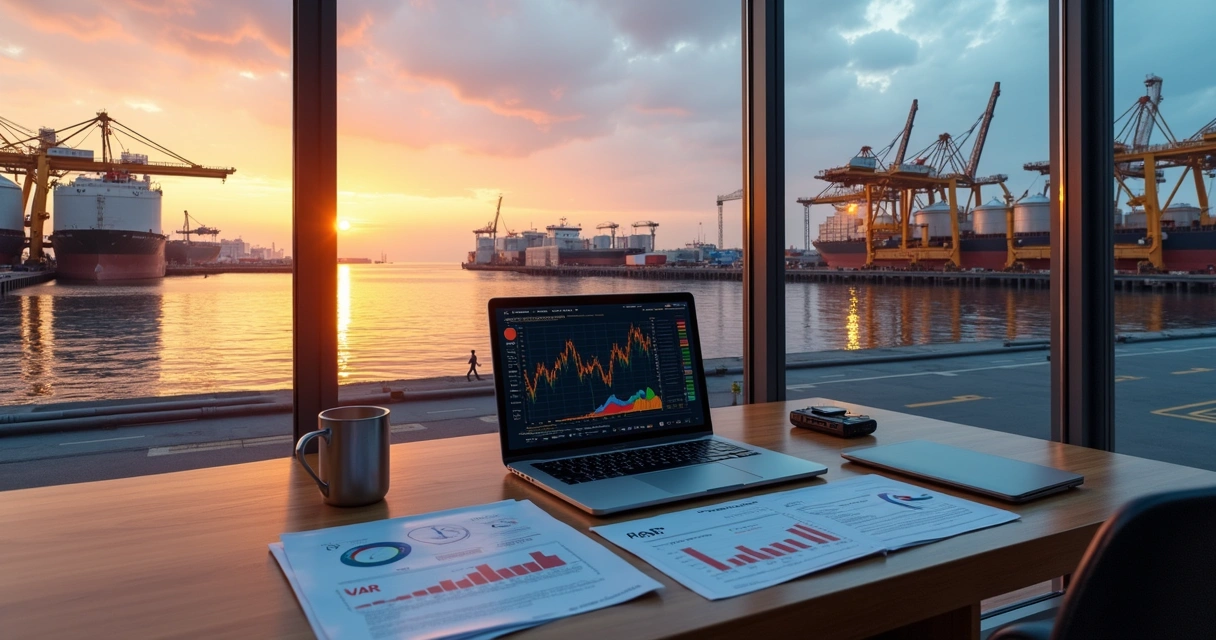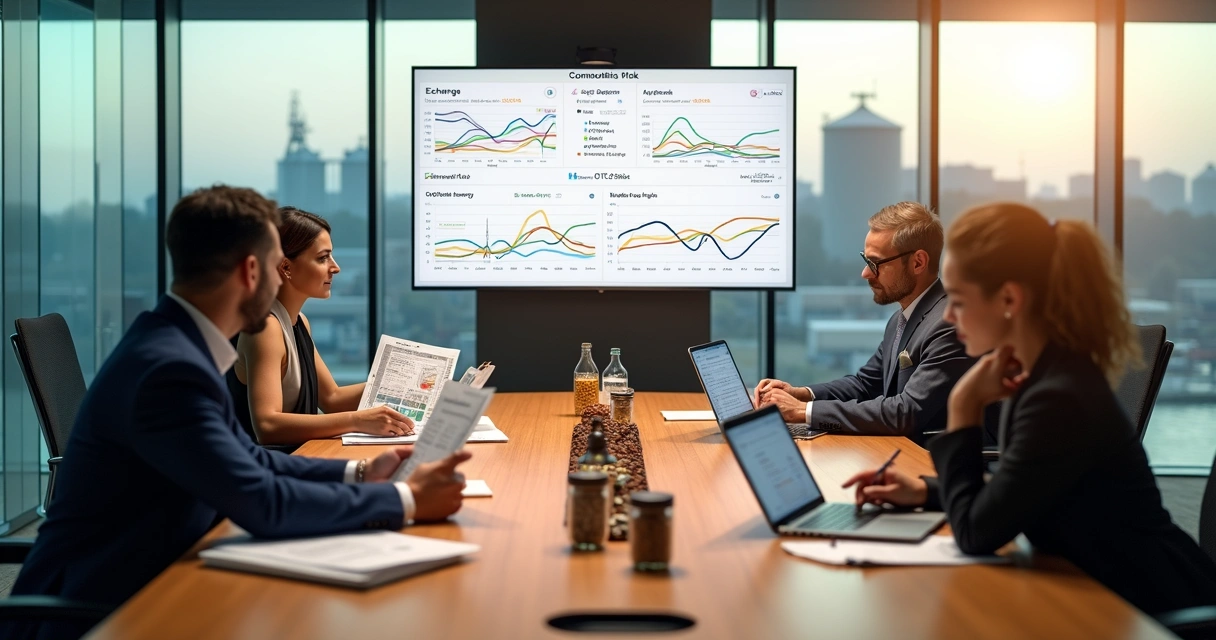
In the world of grain, coffee, sugar, energy, and industrial raw materials, producers and financial players must constantly balance opportunity and threat. Behind the seemingly simple act of buying or selling a ton of soybeans or securing a sugar shipment, vast webs of risk, strategy, and regulation play out. In this map of price swings, volatile currencies, and global tensions, the role of the commodities broker deserves a closer look.
The role of the broker in physical and financial markets
A commodities broker serves as the vital connector between institutions exposed to commodities and the world’s physical and derivatives markets. In concrete terms, these professionals don’t just arrange contracts; they provide technical and analytical knowledge to prospects such as cooperatives, trading companies, and industrial buyers who rely on market access and robust execution. Their role extends to executing futures and derivatives contracts, sometimes with a focus on direct hedging, sometimes to support sophisticated trading or risk-transfer strategies.
“Execution without discipline is just speculation.”
Institutional clients utilize brokers to implement positions in standardized contracts—think exchange-traded grain futures, coffee options, or interest rate swaps—and also use them to structure bespoke over-the-counter (OTC) solutions ranging from vanilla hedges to accumulators and basis swaps. A typical scenario is the grain producer needing to lock in prices ahead of harvest or a mid-market bank shielding itself from currency shocks. In these deals, visibility, speed, and reliability are everything.
Types of brokers and how they operate
There are two main categories in the business. On one side are introducing brokers: professionals focused on building relationships and uncovering opportunities. On the other are clearing brokers, whose responsibilities include not just deal execution but guaranteeing settlement and handling margin accounts. In some structures, one firm plays both roles.
- Introducing: acting as trusted advisors who evaluate client goals and recommend optimal strategies
- Clearing: handling complex post-trade processes, margin calculations, reporting, and compliance layers
- Execution specialists: focusing strictly on trade placement, often for high-frequency or algorithmic flows
Brokers work through networks spanning regulated commodity exchanges—like those for coffee, sugar, and grains—as well as bespoke OTC markets for exotics, basis trades, and custom hedge vehicles. Their clients span producers seeking certainty, trading desks looking for market exposure, agribusinesses in need of balance sheet predictability, and asset managers constrained by risk limits. Every participant depends on the broker’s understanding of market structure, liquidity, and contract quirks.
How brokers enable hedgers and speculators
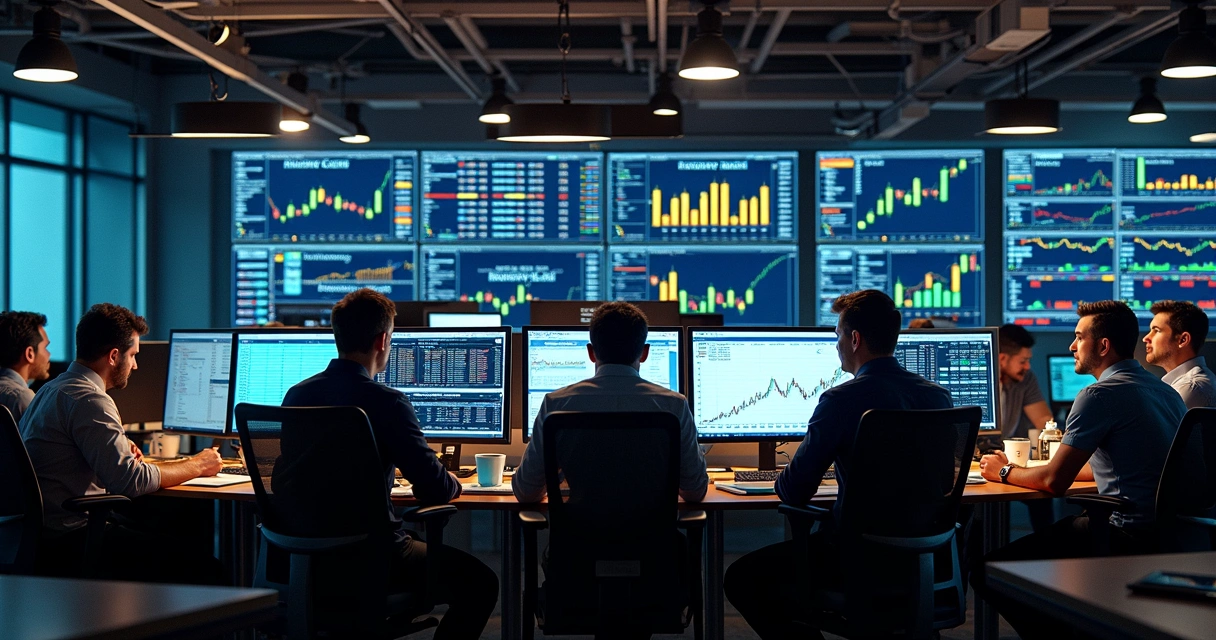
Brokers are the technical partners who bridge the worlds of hedgers—those who wish to manage or reduce their price exposure—and speculators, who seek profit from market moves. For hedgers, brokers structure solutions that limit cash flow uncertainty and document hedge effectiveness, often meeting strict accounting guidelines like IFRS 9 or CPC 38. For speculators, they ensure transparent access and competitive pricing, leveraging relationships across multiple venues.
Many institutional clients today demand more than simple order execution. They want end-to-end support—from pricing vanilla and exotic structures to providing analytics like mark-to-market, VaR, and scenario stress testing. A robust broker can deliver both OTC replication and deep market analytics, supporting users in not only executing hedges, but understanding the hidden drivers behind their exposure risks.
The regulatory framework and recent changes
Financial regulation in commodities trading is not an afterthought. Recent adjustments, such as those under the European Capital Markets Recovery Package and MiFID II modifications, affect broker obligations, position limits, and the classification of market participants. These new rules are designed to foster market stability and transparency while still allowing institutions the flexibility to tailor risk solutions to their needs. The European Commission has reviewed and simplified many status thresholds and introduced new requirements for governance and product oversight, particularly relevant for brokers who serve commodity counterparties.
Facing this detailed climate, the ESMA preliminary findings on the EU Active Account Requirement reflect concentrated notional exposures and enhance asset managers’ oversight obligations. In Brazil and Latin America, regulations require commodity brokers to provide compliance-ready reporting and hedge documentation consistent with Big Four audit standards.
Tradition and digital transformation in commodity trading
The ongoing digitalization of commodity trading has upended long-standing practices. While traditional brokers still offer deep knowledge of physical contract terms, delivery mechanisms, and seasonal cycles, digital platforms bring the promise of unified visibility, automation, and data-driven rigor. Uhedge, for example, exemplifies a new generation of platforms combining quantitative financial engineering, AI-powered analytics, and multi-source price feeders. This approach not only streamlines exposure management but also democratizes complex hedging—for instance, by instantly pricing and replicating OTC products that once were exclusive to interbank deals.
Integrated platforms unify every operational phase, from exposure planning to accounting documentation. Users can monitor mark-to-market, analyze volatility surfaces, or test hedge effectiveness with the Dollar-Offset Ratio, all within a single audited environment. The result is a cost structure aligned with client success, real-time control of risk, and auditable compliance with international standards.

Clients in the commodity value chain
Who turns to brokers in this complex world? The answer is as varied as the value chain itself. Cooperatives, coffee exporters, sugar mills, biofuel plants, food manufacturers, industrial consumers, mid-market banks, and family offices each require custom-fit solutions. Their challenges range from mitigating price swings in core commodities to navigating FX risk or managing margin on leverage contracts.
- Producers: Seeking predicable revenue and cost control before harvest or procurement
- Industrial buyers: Protecting input costs in energy, grains, or food supply
- Asset managers: Matching sophisticated compliance needs with mark-to-market and audit trails
- Banks: Managing institutional portfolios and facilitating liquidity in stressed market environments
The Uhedge platform, for example, is positioned as an active extension of the client’s operations desk, providing technology and expert consulting so that margins and audit reliability don’t suffer under the weight of global turbulence. For insights on common errors and strategies that matter across this chain, readers may find value in articles like hedge errors businesses make and how to avoid them or how to protect margins in an unpredictable market.
Risk management: Tools, techniques, and visibility
Modern risk management goes far beyond basic price hedges. Institutional brokers and platforms now offer a spectrum of quantitative techniques:
- Mark-to-market (MTM): Real-time valuation of open positions, supporting day-to-day decision making
- Risk analytics: Tools like value-at-risk (VaR) by risk factor, stress testing under macro shocks, and calculation of “the Greeks” (delta, gamma, vega, theta)
- Basis intelligence: Measuring the spread between local physical prices and futures, vital for agro supply chains
- Integrated hedge accounting: Supporting compliance with IFRS 9/CPC 38, effectiveness tests and reporting for auditors
- Automated governance: Providing an audit trail and supporting workflow discipline, as demanded by regulators and boards
Breadth of tools and transparency is what distinguishes the modern broker or trading platform from the fragmented, spreadsheet-driven approaches of the past. This technical rigor ultimately frees clients to focus on core business rather than on battling opacity and audit risk. To explore key market risks and practical protection strategies, see this practical guide to hedging and opportunities and risks in the Brazilian commodity sector.
Conclusion: Opportunity through discipline
The modern commodities broker is both gatekeeper and guide, bridging discipline and opportunity for clients across agriculture, energy, and finance. Technical rigor, multi-asset integration, and alignment of interests separate the new standard from outdated models. Brokers and platforms like Uhedge demonstrate that in the thick of volatility, transparency and quantitative discipline transform commodity risk from uncontrollable threat into actionable advantage.
For market-facing institutions seeking reliable risk management and trading solutions, now is the time to experiment with new methodologies and technology. Meet Uhedge’s experts, see the platform work, and begin reshaping how your institution views and manages commodity exposure, becoming part of the future of smart commodity trading.
Frequently asked questions
What does a commodities broker do?
A commodities broker acts as an intermediary, executing buy and sell orders for institutional clients in both physical and financial commodity markets. Their duties include structuring derivatives and futures contracts, managing client margin and risk, offering analytics and reporting, and ensuring all trades comply with regulatory standards and audit requirements.
How to choose a reliable broker?
When choosing a broker, check for regulatory registration, a clear alignment of interest (such as no hidden commissions), and robust technical resources—like advanced risk analytics and integrated reporting. Inquire about their experience with your commodity type and their ability to tailor hedging solutions to your institution’s risk profile.Transparency, proven expertise, and technology integration are all positive markers.
What are the main risks involved?
Commodity trading and hedging involve market volatility, basis risk (the difference between local and reference prices), possibility of insufficient liquidity, and counterparty risk on bespoke OTC deals. Inadequate documentation or poor hedge effectiveness testing can expose companies to audit findings and financial loss.
How are commodity brokers regulated?
Brokers are typically regulated by financial authorities which set standards for capital, conduct, reporting, and client asset segregation. Regulatory trends in the EU, such as under MiFID II, now require more detailed risk disclosures and effective governance from brokers. Additional rules apply based on jurisdiction and client type, with platforms needing to meet comprehensive audit standards.
How much do brokers charge in fees?
Fees vary based on instrument, market, and structure. Exchange-traded contracts tend to have fixed commissions, while OTC deals may carry spreads or structuring fees. Platforms that align their incentives with client success can deliver cost savings by reducing hidden charges and optimizing hedge efficiency.