Tracking commodity price movements has never felt more urgent. From coffee producers to energy distributors, market participants witness unpredictable price jumps, complicated seasonal trends, and spikes caused by global events. The persistent volatility in commodity prices, highlighted by research from the National Bureau of Economic Research, challenges long-term planning for companies in every cycle (commodity prices have consistently exhibited greater volatility than manufactured goods since the 18th century). Recent updates, such as the Bloomberg Commodity Total Return Index reaching a three-year high with a 9% quarterly rise, underline why firms must stay ready for abrupt market movements (BCOMTR 2025 performance).
Understanding the barriers in price tracking
Agribusiness, energy, and industrial companies face structural challenges when it comes to commodity price exposure. It is humanly unmanageable to track and connect every factor affecting commercial decisions—currencies, interest rates, supply chain delays—without advanced tools. Traditional spreadsheet-based or siloed systems lead to fragmented data, making it tough to spot risks or act on opportunities in a unified manner. The sector needs more than a patchwork—what’s required is a true centralized view.
One pain point is the need for real-time monitoring. Teams using manual systems often discover critical price movements when it’s already too late, limiting their market timing and sometimes forcing them to respond defensively rather than proactively.
AI-driven digital treasury: The turning point
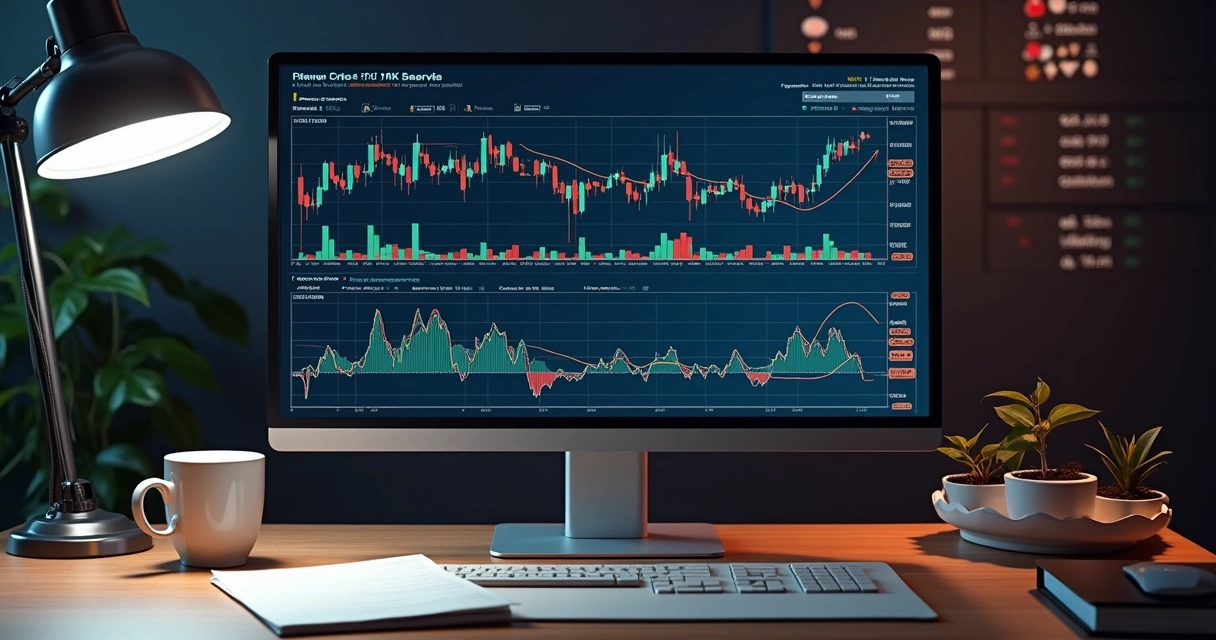
Companies like UHEDGE have redefined commodity risk management through an AI-driven digital treasury. By combining quantitative analytics, proprietary algorithms, and centralized data aggregation, these platforms deliver immediate clarity on both physical and paper positions. This isn’t about simply automating; instead, it’s about discipline, transparency, and data-driven strategy. All trading positions—be it in FX, interest rates, or commodity contracts—are visible in real time, supporting timely and controlled decisions.
- Algorithmic pricing engines allow users to create and instantly price complex structures such as accumulators and fences, previously reserved for top-tier banks.
- Root-cause risk analytics visualize volatility surfaces and futures curves, helping users to anticipate turbulence or structural shifts in key markets.
- Portfolio monitoring tools track mark-to-market, volume at origin, and profit and loss—with automated reports for governance and compliance.
With AI and machine learning, treasury teams can now predict stockpile movements, detect anomalies across inventory, and model scenarios for optimal trading strategies, as discussed by the Center for Applied AI in Commodity Economics and Finance (AI and commodity risk management).
Real world cases and improved outcomes
The UHEDGE ecosystem, blending UHEDGE Trading Solutions and STATERRA Asset Management, empowers risk managers through disciplined and scientific modeling. Cases drawn from commodities such as coffee futures highlight how AI models support decisions on when to buy, stay neutral, or sell—adjusting dynamically to market data throughout the year. These approaches not only safeguard working capital but also unlock new arbitrage and hedging avenues that legacy systems would miss.
For leaders intent on learning deeper, there are expanded discussions about mistakes in hedging, regulatory requirements, and market nuances within dedicated resources, for example mistakes in commodity hedging and commodity volatility protection tips.
Action leads to advantage
Business agility relies on seeing threats and opportunities before the market shifts.
The strategic impact for risk teams adopting advanced digital treasury systems is measurable: more disciplined responses, improved financial forecasting, and better alignment with organizational goals. By adopting a unified AI-powered approach as demonstrated by UHEDGE, firms can move from reactive to anticipatory, making risk management a source of value creation rather than a cost center.
For insights on commodity trends, risk strategies, or practical industry stories, delve into the commodities insights archive or learn how commodities work in Brazil. Ready to transform your organization’s approach? Discover how UHEDGE delivers clarity, consistency, and a smarter path to navigating volatile markets.
Frequently asked questions
What is commodities news and why important?
Commodities news refers to updates, analysis, and market developments related to natural resources such as metals, energy, and agricultural goods. Staying current is valuable because price movements in these markets impact supply chains, costs, and financial planning for businesses worldwide.
How to analyze market risk in commodities?
Market risk in commodities is analyzed by tracking price movements, volatility, and the factors driving supply and demand. Modern approaches use AI-driven analytics, predictive modeling, and scenario analysis to quantify the risks and simulate market shocks, enabling teams to make data-supported decisions.
Where to find reliable commodities updates?
Reliable updates can be found via financial publications, institutional research, and dedicated industry blogs. Companies such as UHEDGE share expert quantitative insights and case examples on their blog, adding a practical perspective to traditional sources.
What are quantitative insights in this context?
Quantitative insights involve using data-driven models, statistics, and algorithms to understand and predict price behaviors, risk exposure, and hedging outcomes in commodity markets. These insights move beyond intuition by delivering actionable answers, often in real time.
How can I stay updated on commodity trends?
Monitor specialized platforms, subscribe to commodities newsletters, and follow expert commentary. Platforms like UHEDGE’s provide constant market analytics, risk mapping, and trend reports, helping organizations stay prepared and informed at all times.