
In a world where price swings, unpredictable politics, and market shocks are routine, there is one idea separating disciplined, successful treasury teams from the rest: a true sense of risk intelligence. For organizations exposed to FX, interest rate, or commodity fluctuations, this holistic risk sense isn’t just a nice-to-have. It’s what brings clarity to chaos and supports every strategic decision.
What is risk intelligence and why does it matter?
Risk intelligence refers to an organization’s ability to transform complex, interconnected market exposures into clear, actionable strategies using advanced data, quant models, and expert insights. For firms with exposure to international currencies, fixed income, or commodity pricing, market conditions change fast. Foresight and discipline are mandatory. Uhedge, for example, applies a rigorous, science-backed approach to these questions, blending statistical modeling, econometrics, and financial engineering with robust AI on its platform.
Without a structured risk discipline, companies tend to be reactive: always chasing after the latest disruption, or, worse, suffering unnecessary margin hits due to poor visibility or misaligned hedging. With a unified risk approach, however, organizations can transform risk from a source of unwanted surprises into a lever for value creation.
In uncertain markets, knowledge applied at speed is itself an advantage.
Integrating data, AI, and real-time decision making
Robust risk frameworks no longer rely on intuition and manual spreadsheets. Solutions like those from Uhedge unify digital treasury management, set up real-time dashboards, and use AI to execute far beyond human capacity.
Some examples:
- AI-driven algorithms digest vast data sets to recommend hedging strategies tailored to market regimes and each client’s risk profile.
- Comprehensive market analytics identify volatility, spot price shocks, and even subtle macroeconomic signals.
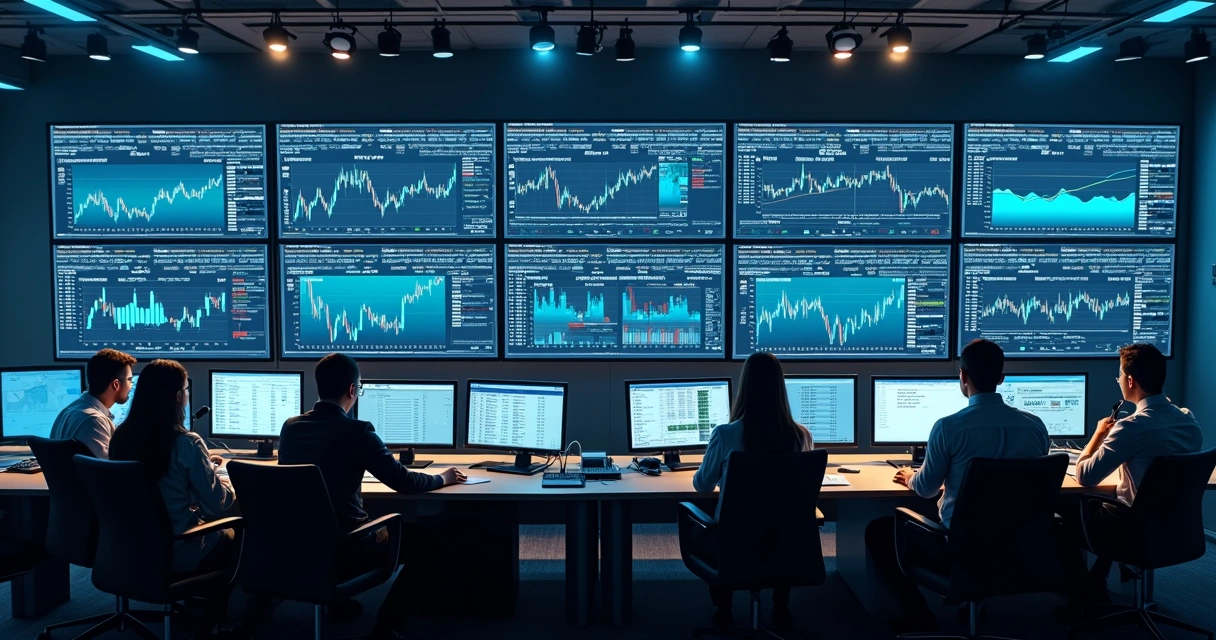
- Live dashboards track mark-to-market, the full Greeks suite (Delta, Gamma, Vega, Theta), risk maps, and futures curves, delivering total transparency.
From advanced analytics to disciplined action
A good platform isn’t just about collecting numbers. The value comes from connecting quantitative market signals to real decisions, in real time. Asset managers and treasurers can use predictive analytics not only to understand exposure, but to turn those insights into disciplined hedging, active position management, and margin optimization.
Examples abound:
- Automated derivative pricing and OTC replication models give open access to once-expert tools, leveling the playing field.
- Statistical analysis turns big macro trends—trade wars, inflation shifts—into dynamic asset allocation calls.
- Quantitative hedging frameworks ensure that specific risk appetites, not intuition, drive the strategy.
When every basis point matters, disciplined execution wins.
The Uhedge asset management arm demonstrates this through its discretionary hedging portfolios, using model-driven tactics that convert macroeconomic signals into focused execution. The system’s transparency provides clear attribution of P&L, with automated reporting that reinforces compliance while supporting agile updates.
Why regulatory compliance and transparent reporting matter
Regulation and investor pressures increasingly require not just prudent risk-taking, but clear processes and unambiguous documentation. A smart risk platform provides:
- End-of-day (EOD) automatic reporting for all FX, interest rate, and commodity exposures
- Auditable performance explanations, full governance visualization, and segregation of strategies
- Support for reporting standards and alignment with best market practices
Every action should be mapped, measured, and easily explained.
Unified dashboards for better, faster decisions
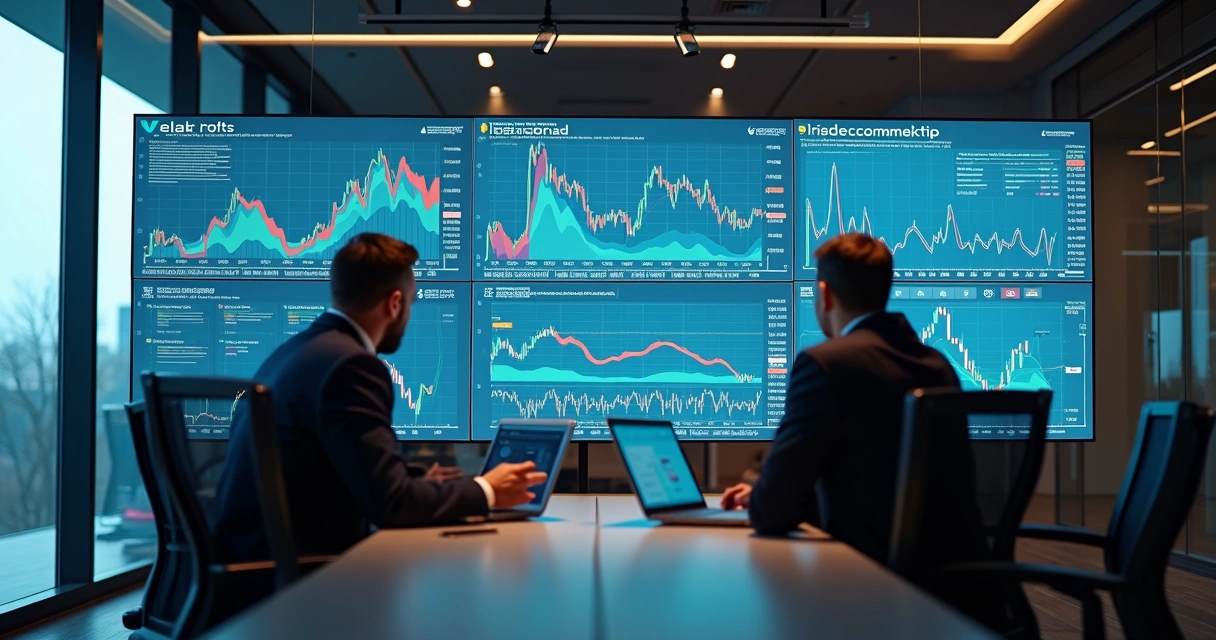
When risk moves fast, so must the treasurer. A unified digital dashboard brings FX, rate, and commodity views under one roof, giving leadership a full perspective for quick pivots. Uhedge, for instance, places a strong emphasis on this unity: all risk, governance, and liquidity tracking are live, actionable, and available in one place.
Such discipline isn’t only about not losing money—it is about building a business that uses volatility to its own benefit. A quick review of Uhedge’s practical case applications in commodities management, FX strategy, and broader risk management shows how these dashboards support quick reaction in critical moments.
Balancing models with market judgment
No model, no matter how advanced, can predict every shock. The best teams integrate disciplined quantitative engines with practical, real-world experience. Feedback from Uhedge clients and experts underlines the importance of matching algorithmic logic to context, adding a human touch in the face of uncertainty.
Risk intelligence is not just about prediction—it is about preparation, discipline, and seeing ahead.
Conclusion: Take the first step toward smarter risk strategies
Modern finance demands a proactive, integrated approach to managing FX and commodity price risk—one guided by a blend of smart technology and hard-won experience. Uhedge invites organizations to rethink their risk journey, leverage cutting-edge digital treasury solutions, and turn every market move into an opportunity. Now is the time to explore how advanced, data-driven frameworks can help protect and grow your business. Schedule a strategy diagnostic and discover what true risk intelligence can do, today.
Frequently asked questions
What is risk intelligence in trading?
Risk intelligence in trading means using advanced analytics, quantitative modeling, and disciplined frameworks to identify, measure, and act on financial threats before they become issues. This approach turns risk into strategic opportunity by integrating data, human insight, and technology.
How to build a proactive FX strategy?
A proactive FX strategy combines predictive analytics, automated pricing, and continuous monitoring with personalized risk models. Teams set clear objectives, define risk appetite, and use real-time market data to adjust hedges dynamically, ensuring exposures are addressed as markets move.
Why is risk awareness important for commodities?
Commodities are often impacted by volatile supply-demand cycles, geopolitics, and currency swings. Careful risk tracking allows businesses to avoid unexpected losses, secure margins, and respond intelligently to market shocks. This is especially vital in sectors such as agriculture, energy, and metals.
What tools help manage FX and commodity risks?
Key tools include unified digital treasury systems, AI-powered analytics, derivatives pricing engines, automated reporting, and real-time risk dashboards. Reliable platforms integrate these elements to provide a full view, timely alerts, and disciplined responses.
What are the benefits of risk intelligence?
Benefits include increased profitability, disciplined decision making, reduced vulnerability to shocks, and improved compliance. Organizations with well-developed risk intelligence frameworks consistently outperform by turning uncertainty into opportunity.