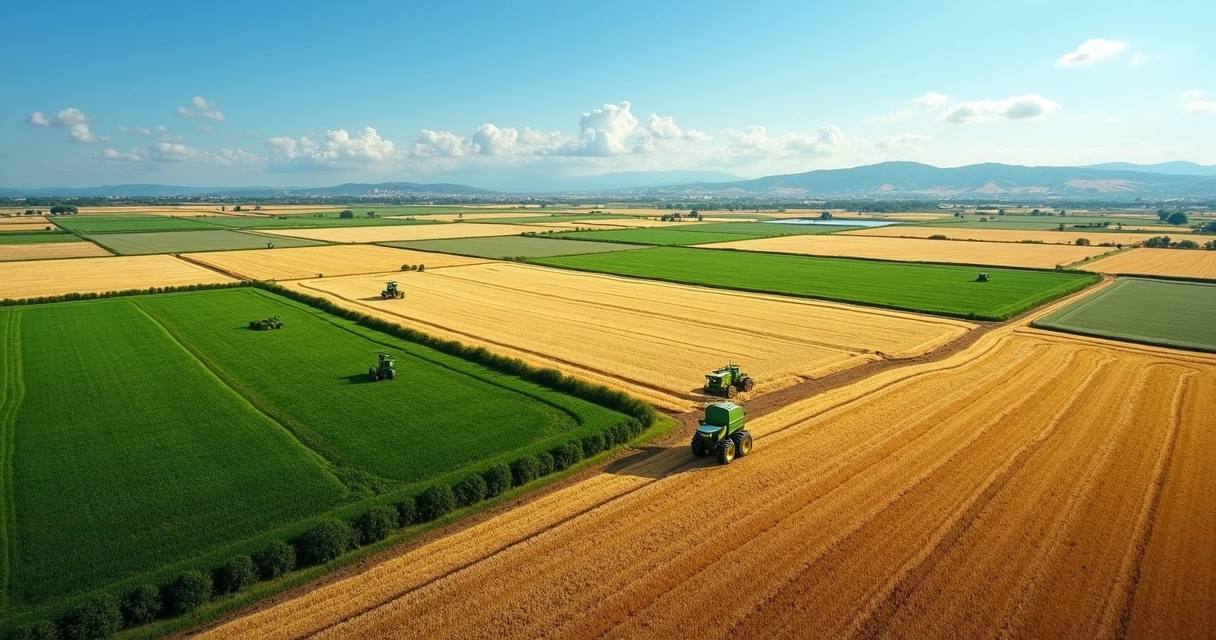
Brazil, one of the world’s leading grain producers, is on track to reach new records in cereal output in the 2025/26 season. Soybeans, corn (maize), and wheat remain at the forefront of this agricultural surge. Behind the numbers lies a story of expanding cultivation, shifting market dynamics, and climate variables that shape the country’s farming landscape.
Soybeans: Surpassing previous limits
The story of soy in Brazil continues to fascinate market watchers. According to Hedgepoint, the 2025/26 harvest is projected at an impressive 178 million tons, a 3.7% increase from the previous year’s already outstanding 171.6 million tons. This surge comes not just from bigger yields, but a notable 1.2% growth in planted area, now reaching 48.24 million hectares.
This expansion is fueled by three significant trends:
- Conversion of degraded pasture into productive fields
- Exploration of new farming frontiers
- Switching from rice to soybeans, driven by higher expected returns
Average national yield is set at 3690 kg/ha, reflecting continued improvements in farming practice and technology adoption.
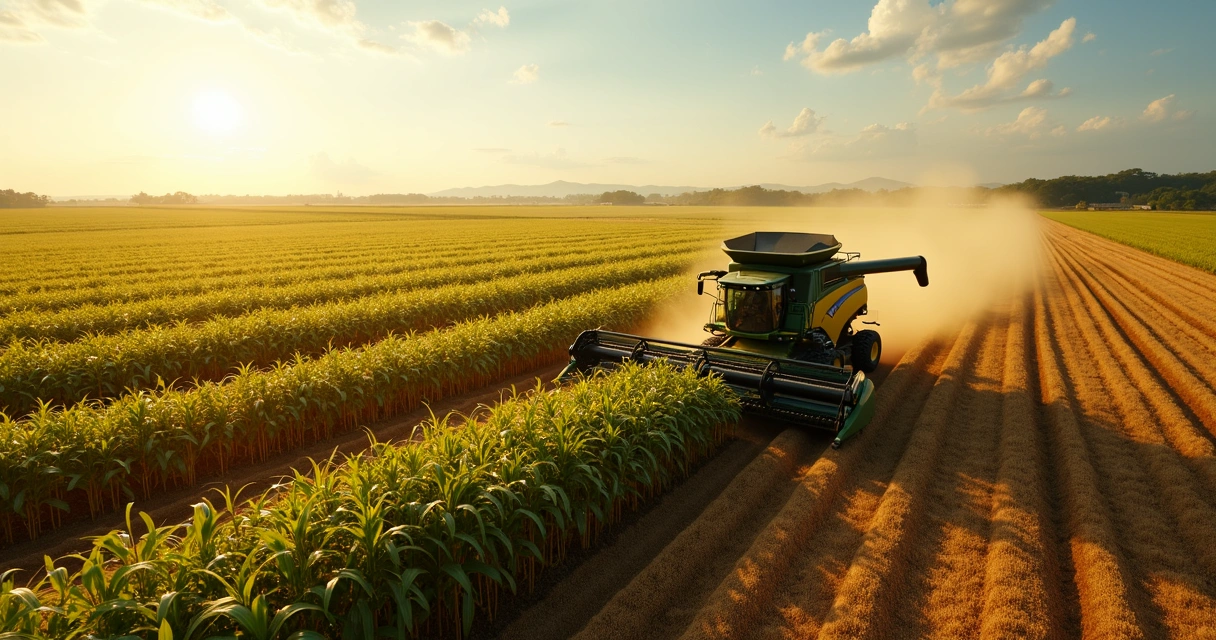
Planting progress has kept pace with tradition. As of early November, about 60% of the planned area was planted, very close to Brazil’s historical average, as reported by Conab. Late rains in some regions delayed early fieldwork, but most growers caught up quickly.
Soybean exports and domestic use
Soybean exports for 2026 are predicted to hit a record 112 million tons. This figure is consistently stated by both Hedgepoint and Conab. Several drivers set the context:
- Reduced shipments out of the US, opening a bigger window for Brazilian soybeans
- Robust global demand, particularly from Asia
- Brazil’s position as the world’s leading supplier, strengthening further
Domestically, demand is also growing. The blend rate for biodiesel is set to move to B15, increasing the consumption of soybean oil. At the same time, the appetite for plant-based protein continues to strengthen. This combination should push Brazil’s soybean crush to 59.5 million tons in 2026, up 2% year on year.
The anticipated jump in both crushing and exports showcases the importance of keeping a close eye on supply chain trends and market signals, especially for companies setting up end-to-end risk management like Uhedge.
Stocks, price pressure, and global risks
Ending stocks for 2026 could soar by 66%, reaching 8.8 million tons. This reflects the impact of both ample harvests and record shipments. However, higher stocks often push local prices lower, especially during the harvest window when storage fills up faster than outflows can keep up.
Attention must also go to the international stage. US-China trade negotiations are always capable of shaking up demand and price patterns. New US government export data, released after a brief shutdown, may further clarify future trade flows between global giants, possibly redirecting orders in a significant way.
For context, the US soybean crop is forecast at 115.7 million tons, 1.1% lower than the previous season. Average yields stand at 53 bushels per acre, with closing stocks at 7.9 million tons, reflecting a slight tightening of their balance sheet compared to Brazil’s growing surplus.
Corn: Growth meets climate and global challenges
Turning to corn, Brazil’s production outlook is strong. The total maize output is anticipated at 138.8 million tons for 2025/26, with Conab’s estimate closely matching at 138.6 million. Both first and second corn crops are set for expansion, supported by a shift to more favorable market returns and crop rotation strategies.
Key details include:
- First crop: area growth of 7.1%, with 4 million hectares to be planted
- Second crop (“safrinha”): main contributor, with area up 3.8%, totaling 18.1 million hectares
- Total internal use estimated at 94.6 million tons, a figure largely shaped by growing ethanol production in the Center-West
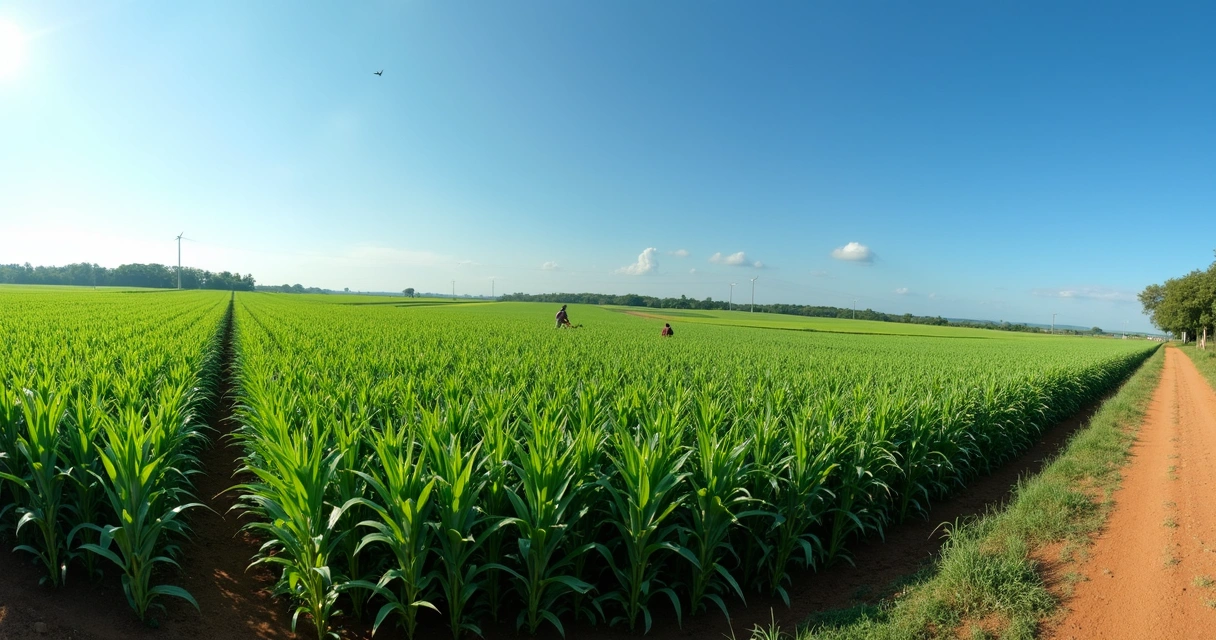
Market influences: Climate, exports, and stocks
Domestic consumption is trending upward. Strong demand from the rapidly increasing corn ethanol industry underpins prices, even as international markets grow more competitive. Farmers are keeping a close watch on La Niña conditions, which tend to bring weather risks to both Brazilian and Argentine corn crops. In southern Brazil, recent rains have delayed planting, reminding growers that favorable conditions are never a guarantee.
The 2024/25 season saw almost ideal weather, but there’s less certainty for 2025/26, making ongoing information and timely advice even more valuable for businesses—something Uhedge prides itself on providing.
Beyond Brazil, global supply is also rising. The United States harvested a strong corn crop, with expected yields at 186 bushels per acre and output slightly lower at 425.5 million tons. Argentina increases the pace too, planning for a larger planted area and 37 million tons in exports.
Brazil targets maize exports of 43 million tons in 2025/26. According to Hedgepoint specialist Luiz Roque, holding exporters to this target is fundamental to keep local stocks from swelling and putting additional pressure on prices paid to farmers. If export demand disappoints, closing stocks may reach 3.4 million tons, a possible precursor to weaker domestic pricing.
Those wanting deeper details and risk strategies for maize can find more at the dedicated Uhedge maize hedging page, which zeroes in on protecting revenues during uncertain market cycles.
Wheat: Smaller area, higher yield, tough prices
Brazilian wheat faces a slightly different scenario. Production for the 2025/26 cycle is expected to land at 7.7 million tons, a decrease of 2.6% from the previous season. The main reason? Wheat acreage is being trimmed due to lower expected profit margins, as growers allocate land elsewhere.
Still, better weather in key regions like Paraná and Santa Catarina could boost the national average yield to 3145 kg/ha, possibly offsetting some area losses.
International abundance and Brazil’s wheat flows
Brazilian prices face downward pressure as the world wheat market overflows. There are several contributing factors:
- Record worldwide harvest, especially in key exporting nations
- European wheat recovery adds more volume
- Russian and Argentine wheat offer stiff export competition, limiting any price rebound
Argentina expects to produce 22 million tons of wheat, with 14 million earmarked for exports—much of which will make its way into the Brazilian market. For Brazil, imports are projected at 6.7 million tons, while exports should surpass 2 million tons, a sign of demand from neighboring countries and select markets abroad.
Ending wheat stocks in Brazil are set to be 1.9 million tons. For context, global wheat reserves are predicted to reach 271.4 million tons, up 3.8% from the previous year—a signal that the world wheat supply remains comfortable, if not excessive.
Those interested in specific margin protection strategies for cereal companies can refer to this practical guide for margin protection provided by Uhedge.
Concluding thoughts: The value of precision in a fast-paced market
Record or near-record harvests? Rising domestic demand? Climate uncertainties? All these factors show that Brazil’s grain sector in 2025/26 is anything but static. High-quality, up-to-date information becomes indispensable when the stakes are this high.
Decisions based on data make the difference between steady earnings and volatile disruptions.
Companies navigating commodity markets must not only monitor crop numbers, but connect these with timely market signals to shape hedging and risk management strategies. This is Uhedge’s expertise—offering technology-enhanced advisory services, powered by AI and real-world trading know-how, for those seeking end-to-end protection in grains and beyond.
On top of detailed insights, readers looking for exclusive updates on grains and other market data can find more at Uhedge’s commodities resource hub, or by tightening revenue visibility with hedging approaches as described here for agribusiness planners.
Ready to trade with knowledge and safety?
For financial leaders, growers, traders, and anyone involved in grain value chains, Uhedge helps turn information into advantage. Explore our AI-powered management, risk tools, and advisory services that aim to turn market uncertainty into business opportunity. Visit our blog for even more insights, such as those in soy price protection strategies and practical use cases in the sector.
This content is provided for informational purposes only and does not constitute a solicitation, offer, or recommendation of products or investment strategies. The specific products and services provided by Uhedge are governed by local regulations and are intended exclusively for professionals and qualified investors, as per applicable standards. Always consult an authorized advisor or risk specialist before making commercial, investment, or hedging decisions. For more information, institutional details, or media use, contact Uhedge directly. Reproduction, distribution, or use of the content is subject to the original copyright and brand guidelines as described on Uhedge’s official channels.
Frequently asked questions
What are the main grain production numbers?
For 2025/26, Brazil is expected to produce 178 million tons of soybeans, 138.8 million tons of corn (maize), and 7.7 million tons of wheat. These figures reflect both expanded planting areas and increased yields in several regions.
How much soy will Brazil produce?
Brazil’s soybean production for the 2025/26 season is forecast at 178 million tons, a 3.7% rise from the previous year. This growth comes from increased planting and improved techniques.
What is the corn forecast for 2025/26?
The national corn crop is projected at 138.8 million tons, with growth in both first and second season harvests. Expanding area and strong domestic demand, especially for ethanol, support this forecast.
How will wheat output change next year?
Wheat production is expected at 7.7 million tons in 2025/26, a 2.6% decrease from the previous cycle. However, better weather may increase average yields, partly balancing reduced planting area.
Where can I find detailed crop statistics?
You can find detailed crop statistics, market trends, and hedging strategies at the Uhedge blog’s commodities section, which offers in-depth articles on soy, maize, wheat, and more.