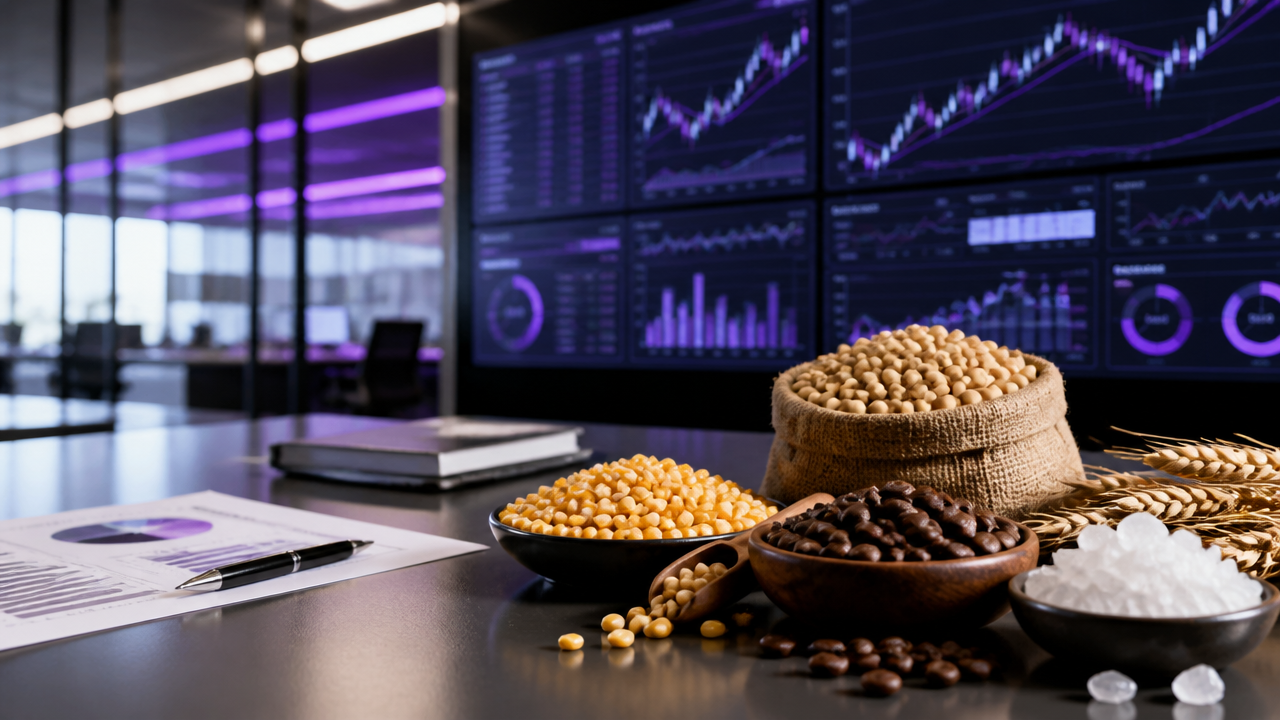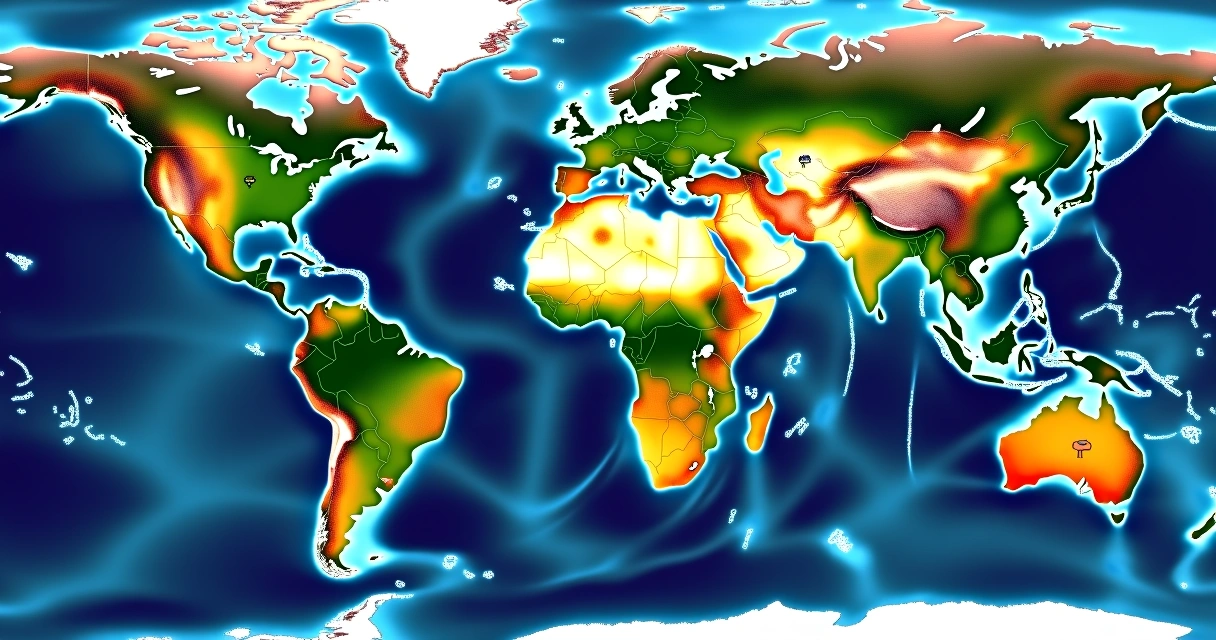
Bleak headlines. Market swings. For many, these signals often precede a weather event whose name is both familiar and daunting: La Niña. With confirmation from NOAA in October, La Niña’s presence in 2025 shapes expectations for everything from rainfall to harvests—and, crucially, commodity prices worldwide. But what does this mean for the months ahead? To answer this, one must start with the forces shaping the pattern.
The La Niña mechanism: Reading the signals
La Niña is more than a weather buzzword; it is a global system driven by the cooling of surface waters across the equatorial Pacific Ocean. As these waters chill, trade winds strengthen, shifting atmospheric patterns thousands of kilometers away. The result? A disruption in rainfall, temperature, and weather that ripples through continents and affects farmland, water supply, and food supply chains.
IRI model projections currently suggest that La Niña’s grip could hold until February 2026. Its likelihood, however, tapers as time passes—from about 60% during October to December 2025, to 50% in the following quarter. What one experiences on the ground depends on severity and duration. Typically, main rainfall and temperature impacts appear from September to January, but not all regions react in the same way. Such variance molds the crop story and the market reaction for the year ahead.
La Niña’s global touch: How regions are affected
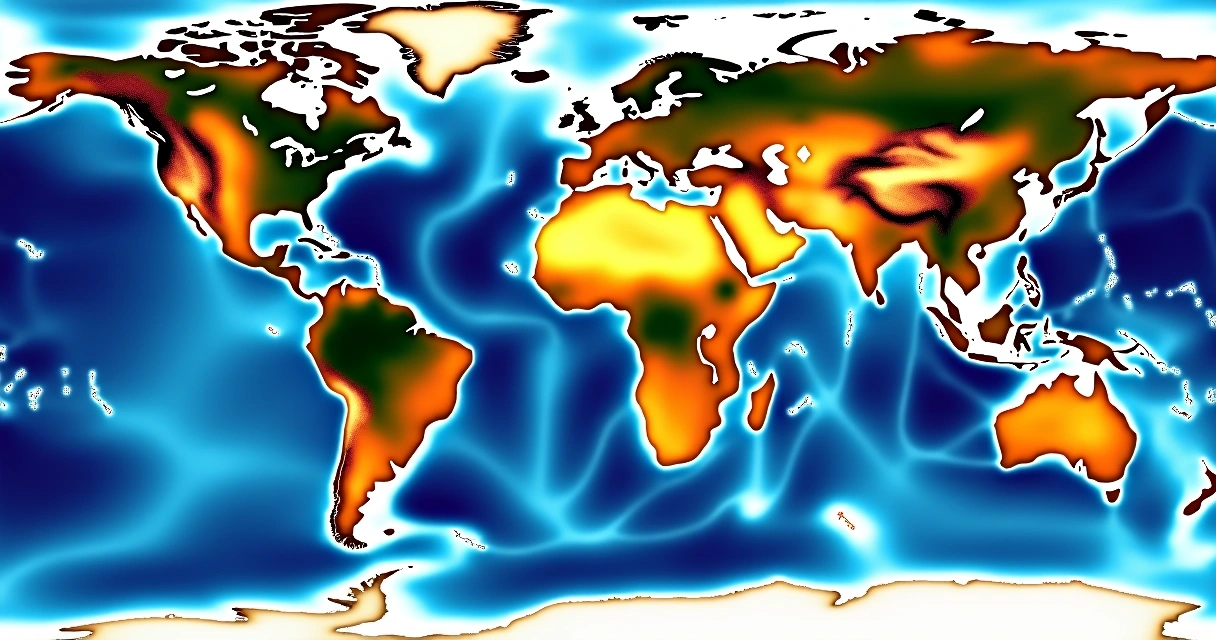
La Niña tends not to affect every farm or every country in the same way. For those tracking crop forecasts and price trends, the picture is complex—but some patterns stand out.
- South America: Southern Brazil, Argentina, and Uruguay may struggle with drier and warmer weather between October and February, risking lower yields for key crops.
- Southeast Asia: Heavy rainfall could mean logistics headaches for palm oil and, if very extreme, sugar producers.
- West Africa: For cocoa, more rainfall and milder weather might reduce dry season stress.
- North America, Europe, and Black Sea region: For wheat, less rain and warmth in these global breadbaskets could hurt early-stage growth.
This patchwork of effects is why so many turn to resources for https://blog.uhedge.com.br/category/commodities forecast analysis and price insights. Small surprises in one region frequently ripple through supply chains and markets worldwide.
Major crops in focus: Specific outlooks for 2025
Coffee: From Brazil to Vietnam, mixed signals
La Niña often brings a tale of two worlds for coffee. In Brazil, the situation looks brighter. Trade winds bring more cold fronts, helping arabica flowering and boosting yields for conilon (robusta). This can set the stage for stronger Brazilian production if weather follows recent trends.
But head east to Vietnam, Colombia, and Central America, and the script flips. Here, the main risk is too much rain. Heavy downpours from late 2025 could disrupt the harvest for the 25/26 season, complicating drying, transport, and even leading to water-borne crop diseases. “The real productivity impact, though, is still a question mark,” reported analysts at Uhedge, referencing ongoing supply risk factors.
Soy and corn: Southern South America faces tests
Farmers in Argentina, Uruguay, and southern Brazil often look at upcoming seasons with a mix of hope and anxiety. With La Niña, below-average rainfall becomes likely from October to February, a critical window for soy and corn. Dry spells might shrink crop potential and increase reliance on expensive irrigation or reduced acreage.
Yet, not all is bleak. In north-central Brazil, increased rainfall could benefit these same crops, even as it leaves southern regions exposed. This regional imbalance triggers concerns about supply stability and cost for buyers and sellers alike.
For a deep dive into hedging strategies for maize in volatile years, guidance can be found in resources like this focused piece on hedging corn to protect prices and ensure revenue.
Wheat: Subtle but meaningful risks
For winter wheat, early stages matter. North America, Europe, and the Black Sea region could see reduced rainfall and higher temperatures, making it tougher to establish healthy crops as winter sets in. Later, if dry conditions persist, more severe effects could develop, especially near harvest.
Early-stage stress is the silent threat to the world’s wheat supply.
Sometimes, all it takes is a few weeks of missed rain to swing the global mood from calm to caution.
Palm oil: Floods and logistics in Southeast Asia
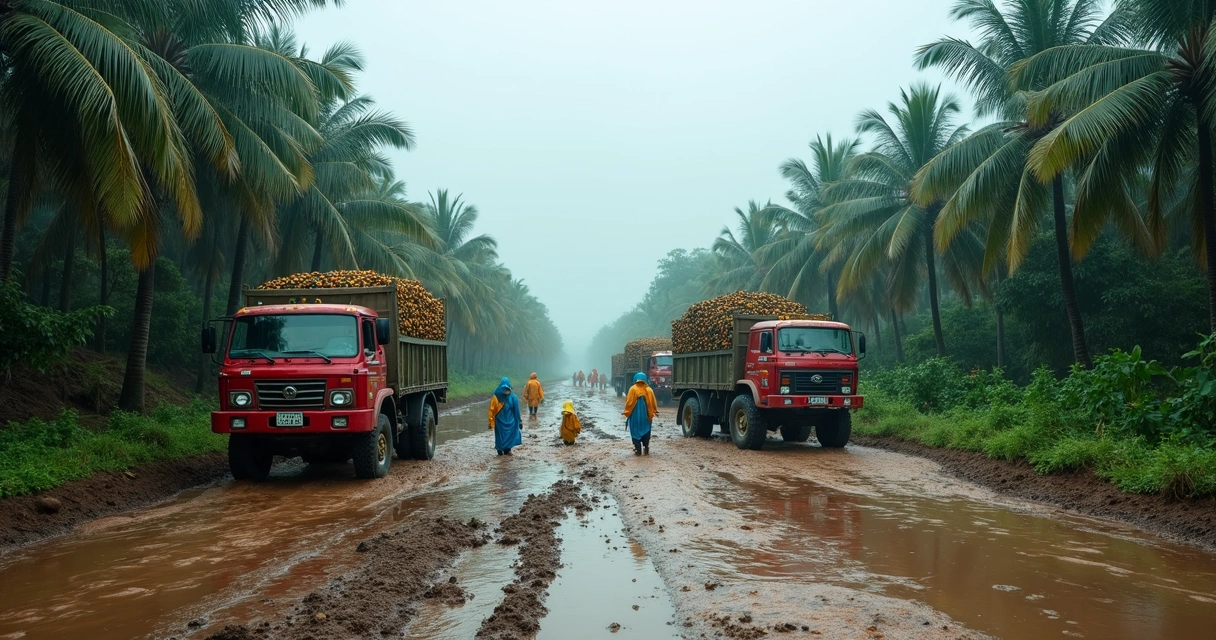
Indonesia and Malaysia, which drive world palm oil production, frequently battle the logistics of moving palm fruit in wet years. During La Niña, unusually heavy rainfall not only disrupts harvest and transport, but also raises the risk of crop disease. Access roads, storage, even labor movement—all face extra pressure. That may not always mean lower yields instantly, but it often introduces delays, scattered shortages, and price noise across edible oils.
Sugar: Nuanced effects—mostly local, sometimes global
Brazil’s south-central region, a center for global sugar supply, could see La Niña influence during sensitive development phases for the 26/27 crop. Still, unless the event is very strong, global disruptions are likely to be limited. In Thailand and the rest of Southeast Asia, only a major La Niña tends to create excessive moisture, risking mill delays or damaged cane.
Sugar tends to react quickly to weather headlines—some years with little fundamental change, and others with sharp moves as surprise news emerges.
Cocoa: A balancing act between West Africa and Ecuador
October to December may bring relief to West African cocoa plantations, thanks to more consistent rainfall and milder heat. This usually helps flowering and pod survival, easing the often harsh dry season. Ecuador, on the other hand, faces more risk: decreased rainfall could interfere with cocoa flowering, raising questions over expected surpluses for the 25/26 cycle.
Cocoa’s fortunes can hinge on a few weeks of rain—or a sudden dry spell.
Price reaction: Futures volatility and market uncertainty
Futures markets often become jumpy during confirmed La Niña episodes. Chart patterns, news, and sudden weather updates feed into price swings. Several factors shape this backdrop in 2025.
- Drought in southern South America poses the biggest threat for soy and corn, driving up risk premiums and frequent price adjustments.
- Palm oil markets watch flooding and transport news from Southeast Asia closely, reacting to every update.
- Wheat in the northern hemisphere faces added volatility from fears of dry early crop stages.
Coffee, sugar, and cocoa tend to mirror regional harvest news, sometimes swinging sharply on negative headlines. Readers searching for more on metals and broader hedging themes can review this guide about 2025 metals market trends and effective hedge strategies.
Managing risk in turbulent times
With price uncertainty rising, the value of risk management increases. Weather-driven swings can amplify market exposure for farmers, traders, and processors. This is where platforms like Uhedge can play a key role, connecting real-time data on weather, harvests, and global prices with AI-powered recommendations to protect client interests. As seen in past years, the following measures often help:
- Careful monitoring of regional weather changes and market reactions
- Flexible planting, harvesting, and selling plans adapted to new forecasts
- Diversifying portfolios to avoid excessive concentration in a single crop or region
Risk management tools and up-to-date analysis from specialized sources empower users to act with more confidence, responding to abrupt shifts rather than reacting in panic.
Historical results, however, do not promise similar outcomes in the future. Decisions on trading or hedging should be informed, and, when necessary, made with independent advice.
For those seeking deeper insight into agricultural derivatives and cashflow stability, resources like the article explaining hedge solutions for agribusiness and price predictability provide a solid starting point.
Conclusion: Preparing for the unexpected
La Niña 2025 reminds everyone—farmers, traders, and end-consumers—that nature and the markets rarely stand still for long. Through its impacts on climate, crop prospects, and global trading psychology, La Niña shapes not only what grows in the field, but how financial strategies must adapt.
The right tools, the best information, and proactive planning make all the difference.
Uhedge stands ready to help clients convert information into action, transforming uncertainty into opportunities to protect and even grow returns. For tailored strategies across commodities, currencies, and beyond, one can discover more by staying engaged with expert resources or by learning about how commodity markets work, the risks, and opportunities in Brazil.
For anyone facing the volatility of La Niña or seeking predictability in unpredictable times, Uhedge provides tools, analysis, and real support to meet every challenge. Get in touch to experience the difference of a proactive and data-driven approach to risk management.
Frequently asked questions
What is La Niña’s impact on commodity prices?
La Niña disrupts weather patterns globally, increasing the risk of drought or floods in key growing regions, which can cause significant swings in agricultural product prices. Its influence is typically strongest from September to January and affects specific crops based on regional sensitivities.
How can farmers manage commodity price risks?
Farmers can manage these risks by closely tracking weather and price trends, diversifying their crops or trading strategies, and using financial products like futures or options to lock in more stable returns. Consulting with risk management providers is also recommended.
Which crops are most affected by La Niña?
Major crops impacted include soy, corn, coffee, palm oil, wheat, sugar, and cocoa. The level and type of influence depend on the region—drought risks are higher in southern South America for grains, flooding for Southeast Asian palm oil, and mixed outcomes for coffee and cocoa across continents.
Will La Niña 2025 raise food prices?
There is an increased chance of food price volatility during La Niña, especially for grains and edible oils, as weather risks can quickly constrain supply or hinder logistics, pushing futures and spot prices higher. Still, outcomes depend on how severe and prolonged the weather pattern becomes.
How to protect investments from price volatility?
Investors can reduce exposure to price volatility by using diversified portfolios, monitoring fundamental trends, and applying strategic hedging solutions. Specialized tools and platforms, such as those developed by Uhedge, offer tailored support and real-time analysis for making informed allocation and risk mitigation decisions.