At the start of 2026, the oil landscape is a paradox of tension and calm. Around the world, headlines are dominated by concerns linked to Venezuela’s fragile production and Iranian instability. Traders keep a nervous eye on the possibility of sanctions, bottlenecks, and disruptions in places that can shake supply, and yet, global markets remain stubbornly oversupplied. This situation, where geopolitical drama meets structural abundance, is the defining story for the oil sector now and going forward.
Oil in 2026: Old risks, new headwinds
Stories persist in the industry—stories of unrest, shifting alliances, and unpredictable interventions. While these events can move prices in the short run, the core truth remains: structural fundamentals have become the dominant force shaping supply, demand, and price discovery. Despite noise and risk, decisions in boardrooms and risk departments must start with this recognition: the threat of surplus overshadows everything else.
By early 2026, World Bank insights reflect a persistent glut, with an implied surplus pushing inventories higher. This buildup is fueled by robust production growth outside the traditional influence of OPEC, alongside the gradual rollback of OPEC+ production cuts. Meanwhile, demand recovery remains sluggish, in line with U.S. Energy Information Administration projections of muted growth and uncertain pricing.
Forward price curves are flat. Each time a geopolitical headline sparks a price rally, new supplies flood in, and prices ease back almost as quickly as they climbed. Surplus is in command, and quick drawdowns in inventory are nowhere in sight.
Geopolitical risk without true supply constraint is only a spark in a wet forest.
Oil supply outpaces demand: The engine of surplus
What does a surplus mean in real terms? Simply this: more oil is produced daily than is being consumed. Production outside the classic power centers is accelerating. New technologies and previously marginal fields have come alive thanks to past investment, creating a drumbeat of barrels from regions that were, until recently, minor players. Even production cuts from OPEC+ have lost some of their sway as other countries offset the impact with increasing output and efficiency.
World Bank data underscores that by late 2025, implied surplus reached close to 2.7 million barrels per day, a number projected to rise in 2026 unless demand stages a dramatic and unlikely comeback. Inventory levels have ballooned as a result, making it difficult for prices to break out for more than a few days even when risk events occur.
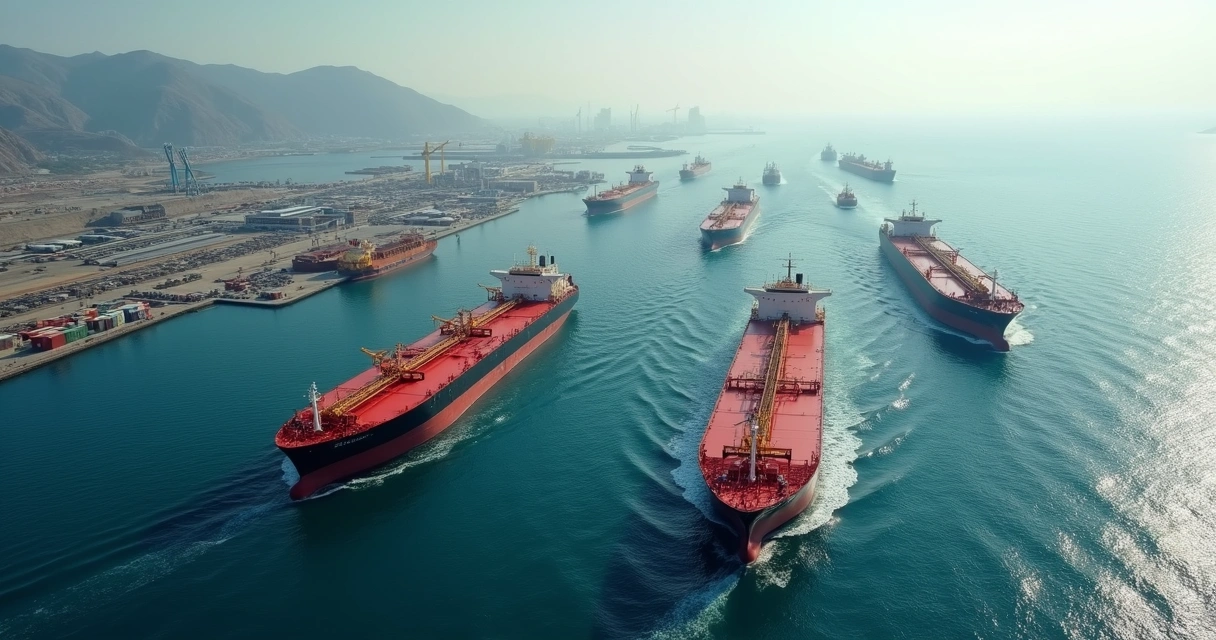
Many market participants, as shown in recent EIA outlooks, expect the oversupply dynamic to continue. The market’s mood is increasingly defined by skepticism regarding price rallies and hard-boiled focus on managing rather than chasing price risk.
Geopolitics in focus: Venezuela, Iran, and fragile headlines
No discussion of market tensions in 2026 is complete without Venezuela and Iran. Both nations add layers of global complexity. Venezuela’s oil sector remains at risk, especially with around 400,000 barrels per day at risk due to operational instability and sanctions uncertainty. However, tactical ingenuity—such as U.S.-licensed trading houses relocating crude to Caribbean storage—has softened immediate shocks.
- High levels of floating storage, especially of heavy and sour crude, act as a buffer.
- Near-term disruptions make headlines, but spillover effects remain muted.
- Significant Venezuelan output growth appears unlikely before 2027 or beyond, as it requires deep investment and structural turnaround.
- Should sanctions soften, more heavy crude could find its way to Asia, potentially shifting the demand picture for countries like China and India.
Iran’s position, meanwhile, remains deeply uncertain. Exports fluctuate between 1.5 and 2.0 million barrels per day, but protests and macroeconomic unrest both threaten and obscure true volumes. The wildcard is the unlikely but impactful risk of the Strait of Hormuz, where even the whisper of closure is enough to prompt quick—but short-lived—spikes in price.
Oil ‘shocks’ can’t overturn the math of ample inventories.
Crude versus refined products: A market splits
Crude oil itself has been notably restrained, its price suppressed by a sea of barrels. But refined products, led by diesel and heating oil, have behaved differently. Outages at major hubs late in 2025, combined with sanctions on Russian and Iranian flows, have tightened the distillate market, sending diesel prices and crack spreads to yearly highs.
This has boosted the value of product derivatives over flat crude exposure. Many commercial hedgers and commodity managers have shifted focus to structured exposure on the refining side, looking for opportunities where short-term scarcity and supply chain bottlenecks create options for profit and protection. UHEDGE’s quantitative models, as noted in project solutions, support such tailored derivative positions for real-time monitoring and strategic agility.
- Middle distillates (diesel, heating oil) show more volatility and higher payoff for structured derivative positions.
- Refiners benefit from strong margins between crude and product prices, especially when crude is cheap.
- This divergence maximizes the value of risk management systems focused on segmenting between crude and product derivatives.

Structured risk management for a flat curve era
Structured risk management now guides successful strategies in the oversupplied environment. One-off price spikes can create instability for those without proper hedges in place, but for those positioned with flexible, AI-driven tools like UHEDGE’s Digital Treasury platform, disruptions become manageable—even predictable.
A review of risk strategies includes:
- Viewing geopolitical actions as triggers for volatility, not as core pricing mechanisms.
- Aligning exposure with derivatives—especially on the product side—to catch short-term dislocations while avoiding downside from persistent surplus.
- Employing advanced analytics (futures curves, volatility surfaces, and vol smiles) to monitor real-time MTM (mark-to-market) impacts and exposures.
- Prioritizing structured coverage and real-time control, as outlined in UHEDGE's Digital Treasury system, ensures discipline and financial predictability, even during market turbulence.
Venezuela and Iran: Case studies in volatility and marginal supply
In Venezuela, the challenge is mostly one of logistics and politics. Caribbean floating storage absorbs supply shocks but also masks true available volumes. Relief from sanctions would be meaningful but not immediate, as foreign investment and time are both limiting factors to robust output increases. Most analysis points to 2027–2028 as the earliest for a real production turnaround.
Iran’s story is even more unpredictable. The threat of protests, new sanctions, or even the unlikely relaxation of restrictions, keeps buyers guessing. Volumes shift week by week, and the impact on global supply and demand is limited except in the improbable event of a complete strait closure or major escalation.
The reality: Geopolitical hype fades in the face of abundance
The market reality is clear: Geopolitical risk generates volatility but not persistent price increases while the supply glut remains. Traders and producers who rely exclusively on event-driven strategies struggle, as each new “crisis” is resolved by the pressure valve of excess supply. Instead, opportunities arise for those comfortable with volatility management—especially in products—and willing to employ structured hedging and analytic tools.
- Focusing on product derivatives offers a stronger risk-return profile in 2026 than simply speculating on crude oil’s direction.
- Companies that maintain discipline and quantitative oversight, and utilize tools like UHEDGE’s risk system, are positioned to capture value and reduce nervousness.
- Waiting for an outright supply crunch is not a viable plan—timing market disruption is less effective than consistently managing risk in real time.
What to watch next: Intelligence and adaptation in the energy sector
The landscape challenges everyone—producers, refiners, end users—to focus on real-time market intelligence rather than old assumptions. Accurate analysis, quick adaptation to product-market dislocations, and disciplined execution separated winners from the rest throughout 2025 and this continues in 2026. Innovations in risk systems, like UHEDGE’s, enable both transparency and discipline. Whether for traditional oil operations or combined fuel and biofuel strategies, companies benefit from unified dashboard views, sophisticated hedging, and automated risk control. For more on these approaches, sector readers can consult resources on commodity market hedging and methods for volatility defense in uncertain environments.
Market timing fails; continuous risk management prevails.
Those navigating the sector in 2026 may also seek specialist support for FX and commodity volatility, as detailed in discussions on tailored foreign exchange hedges and on customized commodity strategies.
Those who wish to keep up with trends, regulatory mandates, and the evolving role of biofuels may also value in-depth insights on how commodities function, including risks and opportunities in Brazil.
Conclusion: Turn volatility into strategic value
As 2026 advances, the message for anyone exposed to the oil and energy sector is straightforward. Surplus supply remains the dominant trend, overpowering most geopolitical risk events. Structured, real-time hedging and a disciplined, quantitative approach give decision-makers the tools to act—rather than react—to potential shocks. For those looking to transform volatility into a controlled source of margin, UHEDGE and its suite of risk solutions stand ready to provide clarity, rigor, and value.
Ready to reframe your exposure in the energy sector and learn how scientific risk management can make volatility an ally? Schedule a risk and strategy assessment with UHEDGE, and start taking control with advanced digital treasury solutions. UHEDGE and STATERRA are licensed to provide regulated advisory and asset management services; any concerns can be addressed through the dedicated support channels or compliance contacts listed on the company site.
Frequently asked questions
What is driving the oil market in 2026?
Supply remains the primary force in the oil industry for 2026. Despite political events in countries like Iran and Venezuela, robust production growth and slow demand recovery have led to persistent market surplus, guiding prices and limiting the impact of headline risks.
How does supply surplus affect oil prices?
When supply surpasses demand, inventory levels climb and prices weaken, often limiting sustained rallies even in times of heightened geopolitical tension. This surplus scenario keeps the market in check and makes price spikes brief.
Can geopolitics still impact oil markets?
Yes, political developments can cause short-term volatility and sudden moves. However, in a world with structural oversupply, these effects tend to fade quickly as excess barrels buffer the market. Timing disruptions for profit is especially risky without broader disciplined strategies.
Is it a good time to invest in oil?
A strong case now points toward focusing on structured product exposure—like middle distillates—rather than on crude price alone. Sound risk management, data-driven analysis, and technology solutions such as those from UHEDGE help companies navigate waves of uncertainty with greater confidence.
What factors weaken oil market demand?
Weak global consumption growth, greater fuel efficiency, evolving regulations, and the rise of alternative energy sources all weigh on consumption. Macroeconomic volatility and persistent inflation further dampen demand and add uncertainty for future price expectations.