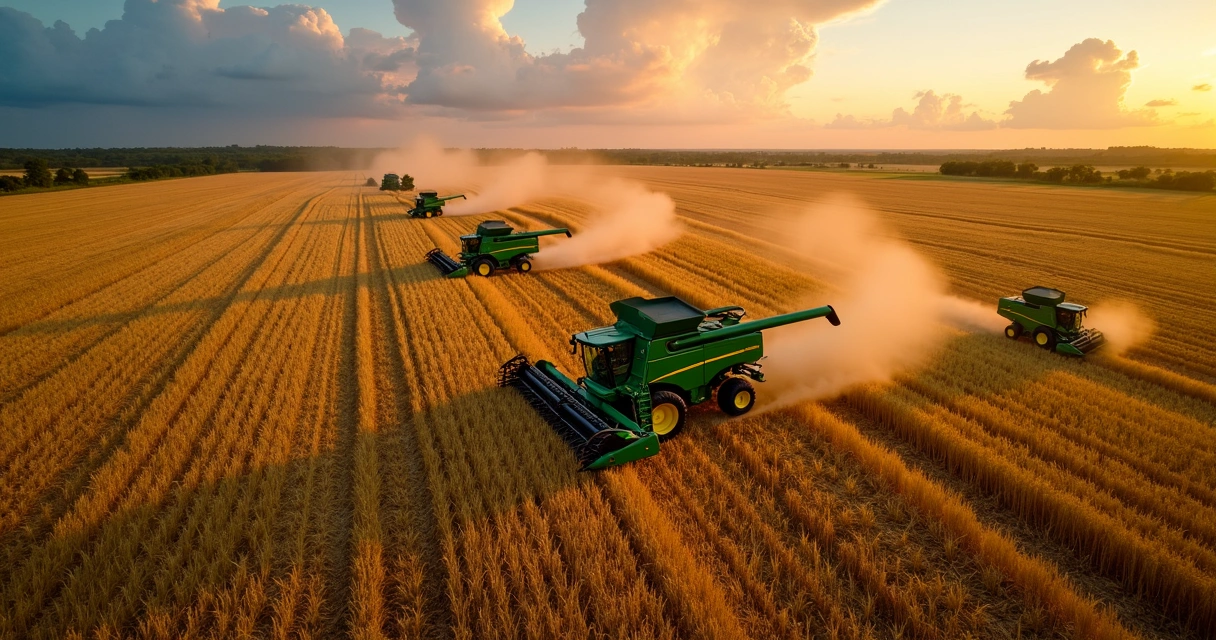
Brazil stands on the verge of an agricultural milestone. In the 2025/26 season, the country is expected to register an unprecedented soybean output—an astonishing 179.5 million tonnes. This figure, drawn from the latest Hedgepoint projection, exceeds even recent optimistic estimates, outshining the previous target of 178 million tonnes. The journey towards such remarkable productivity reveals not only the resilience of Brazil’s farming sector but also highlights a blend of weather luck, state-level recovery, precise planting strategies, and modern agronomic methods.
The 2025/26 record: Context and numbers
The Brazilian soybean crop is projected to reach 179.5 million tonnes in 2025/26, marking a historic high and consolidating the nation's role as a cornerstone in global supply chains. This record, covered by multiple analyses and supported by Hedgepoint’s quantitative insights, reflects more than just a good year. It is the product of dynamic shifts in climate, improved genetics, technology, and market motivation spurred by robust international demand patterns such as those from China’s evolving import landscape, as highlighted in AP News global trade reports (AP News coverage on global soybean trade dynamics).
Unleashing seven key drivers
Behind the numbers, a layered story unfolds. Several forces, working in harmony, have made 2025/26 exceptional for South America’s largest agricultural producer. These are not merely statistics; they embody a lesson in strategy, adaptation, and cutting-edge technology—a scenario well understood and supported by market intelligence platforms like UHEDGE.
1. Consistent climate and a robust start
The weather has offered a helping hand. Farmers experienced a favorable onset, particularly in December, when rainfall and temperature patterns set the stage for healthy plant development. High NDVI (Normalized Difference Vegetation Index) scores further validated this early vigor, indicating healthy biomass and strong yield expectations for most producing regions. The NDVI, a reliable satellite-based metric, painted a picture of lush, photosynthetically active fields, providing stakeholders with early signals of above-average yield potential.
2. Strong recovery in Rio Grande do Sul
After three successive years marked by drought and unfavorable conditions, Rio Grande do Sul has mounted a compelling recovery. This state emerges as one of the main engines behind the projected record volume.
“Resilience is visible in the fields—where failure once prevailed, now there is hope of bumper yields.”The trajectory reflects more than good luck; it underscores the role of sustained investment and learnings from recent setbacks, along with advanced crop management techniques.
3. Mato Grosso, Paraná, and the powerhouses
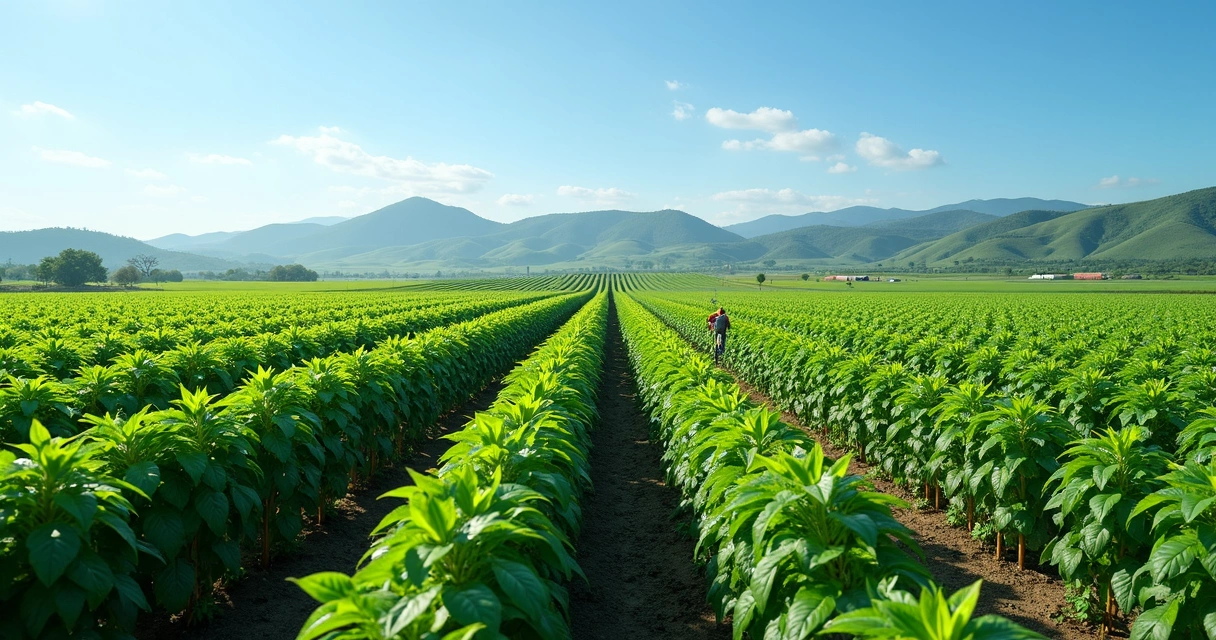
A closer look at other principal producing states—Mato Grosso, Paraná, as well as Goiás, Mato Grosso do Sul, Minas Gerais, and Bahia—shows robust crop development. Early plantings in these regions meant that by January 16, about 3% of Brazil’s soybean fields were already harvested. This pace, largely attributed to forward-looking planting strategies, offered an advantage in getting ahead of any potential weather woes later in the cycle.
4. The impact of planting window and residual delays
Still, the narrative is complex. While initial progress was rapid in many states, scattered delays in planting during September and October could influence the main harvest window, especially into February and March. The possible outcome? Some fields may be harvested later than ideal, exposing them to potential late-season weather volatility. However,current market intelligence indicates that, barring new weather extremes, no significant yield losses are expected—a relief for farmers, traders, and the broader supply chain.
5. Forward-looking weather trends
The road ahead contains a mix of opportunities and risks:
- Expected rainfall in the center-north might slow down harvesting activities, making machinery access to fields trickier for a few days.
- The center-south, by contrast, should enjoy dry and supportive conditions for fieldwork, giving a boost to operational efficiency.
- In the northeast, concerns remain for late-planted fields, where lower soil moisture could check yield potential if rains do not arrive soon.
- The south—key for recovery in Rio Grande do Sul—is set to receive above-average precipitation, further supporting crop resurgence.
This spatial diversity in weather amplifies the complexity of harvest management across Brazil’s vast producing regions. Yet it also demonstrates how modern climate analysis and digital tools, such as those used in the UHEDGE ecosystem, allow precise positioning and strategic agility for market participants (commodity market insights).
6. Planted area and yield improvements
The 2025/26 cycle will also be remembered for the bold expansion in planted area and the positive trajectory of yields. Producers, incentivized by global demand and attractive forward prices—especially from importers seeking more reliable suppliers—expanded their soybean fields at a tactical pace. Mechanization, improved seed genetics, and optimized crop nutrition fed into this expansion, as reflected in the upward adjustments made by Hedgepoint from 178 million to 179.5 million tonnes in their baseline estimate.
7. Advanced farming technology and data-driven management
Modern Brazilian agriculture does not only rely on hope and favorable seasons. It is increasingly defined by the integration of advanced data analytics and digital crop management, where daily decisions are guided by real-time monitoring and predictive modeling. The digital treasury and risk system developed by UHEDGE is a real-world example, providing end-to-end visibility and actionable insight at the farm and portfolio level. Such tools allow critical risk management in volatile times, enabling producers and asset managers to respond, rather than react, to shifting market and climate risks (soybean hedging strategies).
Why the next weeks matter
Despite these optimistic projections, the coming weeks are decisive. Final results will hinge on short-term weather outcomes, especially regarding harvesting speed in wetter regions and late-planted crop susceptibility in zones where rains might fail. The impact of continued favorable conditions could mean realizing the full potential of the estimated 179.5 million tonnes; meanwhile, unforeseen events might still affect the final tally. Stakeholders are well advised to remain informed and nimble, using market intelligence and advanced analytics to navigate fleeting opportunities and sudden risks.
The global advantage for Brazil
So, why does this record matter beyond borders? Brazil now faces a moment when its vast soybean export machinery can fill timely gaps in world supply at a period of heightened international tension and demand volatility. As reported by AP News, China’s increasing reliance on Brazilian beans puts Brazil at the center of global trade flows, boosting its relevance and pricing power in ways that reverberate across continents (AP News coverage on global soybean trade dynamics).
Continued success will depend not just on weather or genetics, but on the ability to consolidate information, act strategically, and protect economic results—a space where the AI- and data-driven solutions by UHEDGE and STATERRA set a benchmark for modern agribusiness (predictability in agri-derivatives).
Conclusion
Brazil’s 2025/26 soybean journey captures the spirit of adaptation, insight, and ambition ingrained in contemporary agriculture. With the promise of a record-breaking crop, the underlying lesson is simple but profound: advanced knowledge and digital risk management transform volatility into opportunity and unpredictability into performance.
The UHEDGE ecosystem embodies this evolution. Acting as a digital extension of the operations desk, it brings scientific rigor, tactical insight, and robust support to farmers, traders, and institutional clients, reshaping commodity supply chains right where uncertainty meets opportunity. For professionals seeking to amplify their results and safeguard against market swings, engaging with UHEDGE and STATERRA opens the door to a new era of risk intelligence and business consistency (Brazilian commodity market study, commodity diversification strategies).
For a deeper understanding of risk control, performance strategies, and the future of agri-commodities, discover how UHEDGE and STATERRA can elevate your decision-making and business resilience.
The information contained herein is intended for professional clients and is not investment advice. The UHEDGE platform and STATERRA advisory operate under appropriate regulatory approvals, and all market activities carry inherent risks. Independent judgment is advised, and external consultants should be sought where necessary. Contact contato@uhedge.com.br or team@staterra.com.br for dedicated inquiries and further details regarding compliance and onboarding.
Frequently asked questions
What drives record soybean harvests in Brazil?
Multiple factors contribute to Brazil’s record soybean crops: consistent weather, state-level recovery (notably in Rio Grande do Sul), technological improvements, larger planted areas, and robust global demand. These forces, amplified by advanced data analytics and refined farming techniques, create a solid environment for record yields.
How does weather affect soybean yields?
Weather influences every stage—from germination through harvest. Early rains in December and stable temperatures encourage strong vegetative growth, as seen in high NDVI readings. Too much rain during harvest or drought during flowering can reduce yields. Monitoring tools help farmers respond quickly to changing patterns and protect yields.
Which regions produce most Brazilian soybeans?
The largest contributors are Mato Grosso, Paraná, Goiás, Mato Grosso do Sul, Minas Gerais, Bahia, and Rio Grande do Sul. Each region brings unique conditions but, together, form the backbone of the nation’s record-breaking output.
What are the benefits of Brazil’s soybeans?
Brazilian soybeans are celebrated for volume, quality, and reliability. Their production supports domestic industries and holds a strategic spot in global markets, supplying processors during periods of shortage or changing demand. This advantage is strengthened by innovative farming and real-time risk management platforms like UHEDGE.
How is Brazil’s soybean harvest forecasted?
Forecasting combines satellite data (NDVI), planting reports, local climate monitoring, and market intelligence models provided by platforms like UHEDGE. This multidisciplinary approach delivers timely, accurate projections, enabling informed decisions for traders, farmers, and investors.