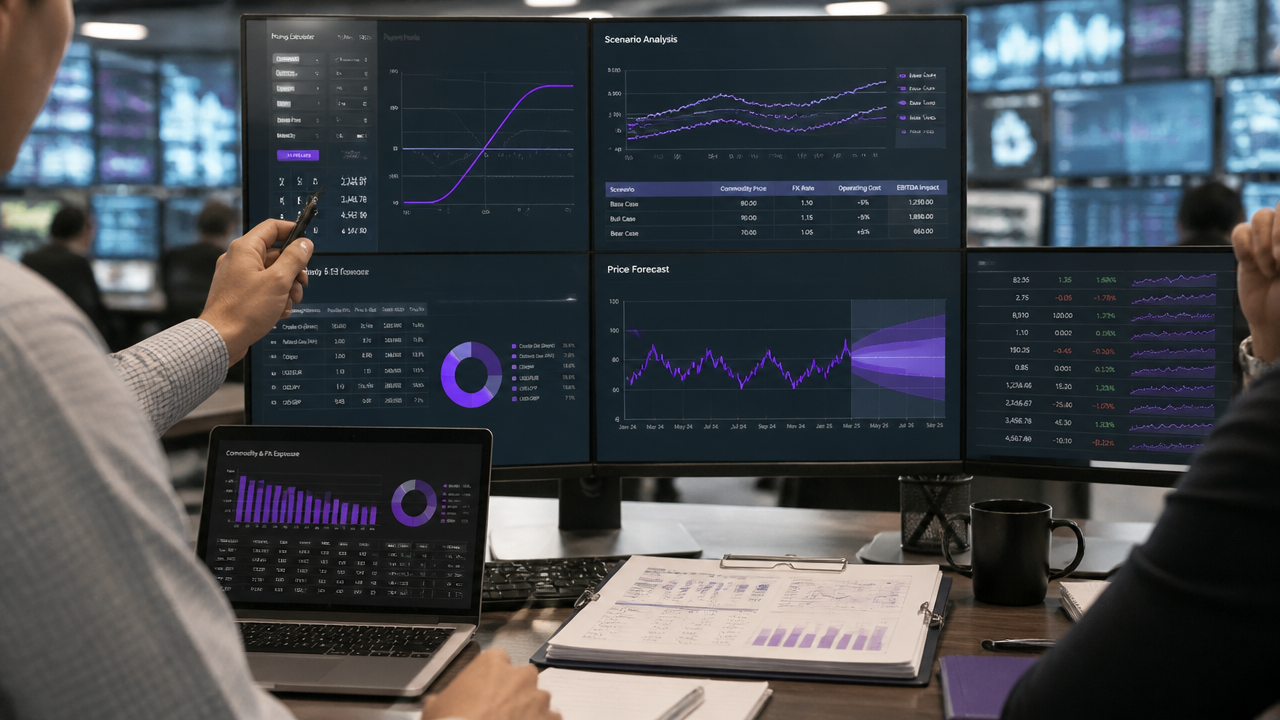
Silver futures are standardized exchange traded contracts that let a buyer or seller lock in silver pricing for a future date. For traders, they offer leveraged exposure to a liquid metals market. For commercial users, they can be a practical hedge, but only when contract size, margin, basis risk, and accounting treatment are understood before the first order is placed.
That distinction matters for the audience Uhedge serves. A futures position may look simple on the screen, yet the real challenge is connecting market exposure to inventory, cash flow, treasury controls, and audit ready documentation.
Key takeaways before you trade or hedge
- Silver futures are not just a price view. They are binding exchange contracts with daily mark to market and margin requirements.
- The benchmark contract is large. Standard US silver futures are commonly referenced as 5,000 troy ounces, which creates meaningful notional exposure.
- Cash management is part of the trade. A good market call can still become a bad operation if variation margin drains liquidity.
- Basis risk matters. If your physical purchase or sale is priced differently from the futures reference, the hedge may only be partial.
- Enterprise hedging needs process. Mapping exposure, sizing the hedge, monitoring mark to market, and documenting effectiveness are what separate discipline from guesswork.
What a silver futures contract actually does
A silver futures contract converts a future pricing decision into a standardized exchange obligation. Instead of negotiating every term privately, the exchange defines the core mechanics: contract unit, delivery rules, tick size, contract months, and daily settlement. That standardization is why futures tend to be more transparent than many bespoke over the counter structures.
In practice, the buyer gains if silver prices rise after entry, while the seller gains if prices fall. The position is revalued every day through mark to market. If you want a broader primer on how exchange hedges work across raw materials, Uhedge has a useful guide to commodity hedging strategies that frames the logic beyond a single metal.
Most participants do not enter the market to receive truckloads of silver. They use the contract to hedge procurement, protect inventory value, or express a macro or precious metals view, then close or roll the position before delivery becomes an operational event.
What are the main contract features you should check first?
The fastest way to misunderstand a futures position is to focus only on the quoted price per ounce. The real exposure comes from the full contract design. Before trading, confirm these items and translate them into dollar risk, working capital impact, and operational fit.
| Feature | Why it matters |
|---|---|
| Contract unit | Determines your notional exposure. A benchmark silver contract is commonly referenced as 5,000 troy ounces. |
| Quotation | Silver futures are typically quoted in US dollars and cents per troy ounce, which shapes profit and loss sensitivity. |
| Exchange and symbol | On major US markets, silver futures are associated with COMEX and the SI benchmark contract. |
| Contract month | Controls timing. A good price in the wrong month can leave residual exposure. |
| Settlement and delivery rules | Define what happens if the position is not offset or rolled in time. |
| Margin | Defines how much capital must be posted and maintained while the trade is open. |
Some venues also offer smaller silver contracts, which can help with sizing. Even then, the better question is not whether the contract is accessible, but whether it matches the exposure you are trying to hedge.
How do margin and mark to market change the real risk?
The core risk in futures is path dependent cash flow, not only the final direction of silver. Because positions are settled daily, a hedge can be economically correct and still create liquidity stress in the short term. That is why treasury teams monitor variation margin as closely as price.
If silver rallies and you are short futures as a hedge, the physical side of the business may benefit later, but the futures account may require cash today. This is where many spreadsheet based hedge programs start to fail. Uhedge addresses that operational gap by unifying exposure planning, risk measurement, and follow through in one auditable workflow, rather than treating the hedge ticket as the end of the process.
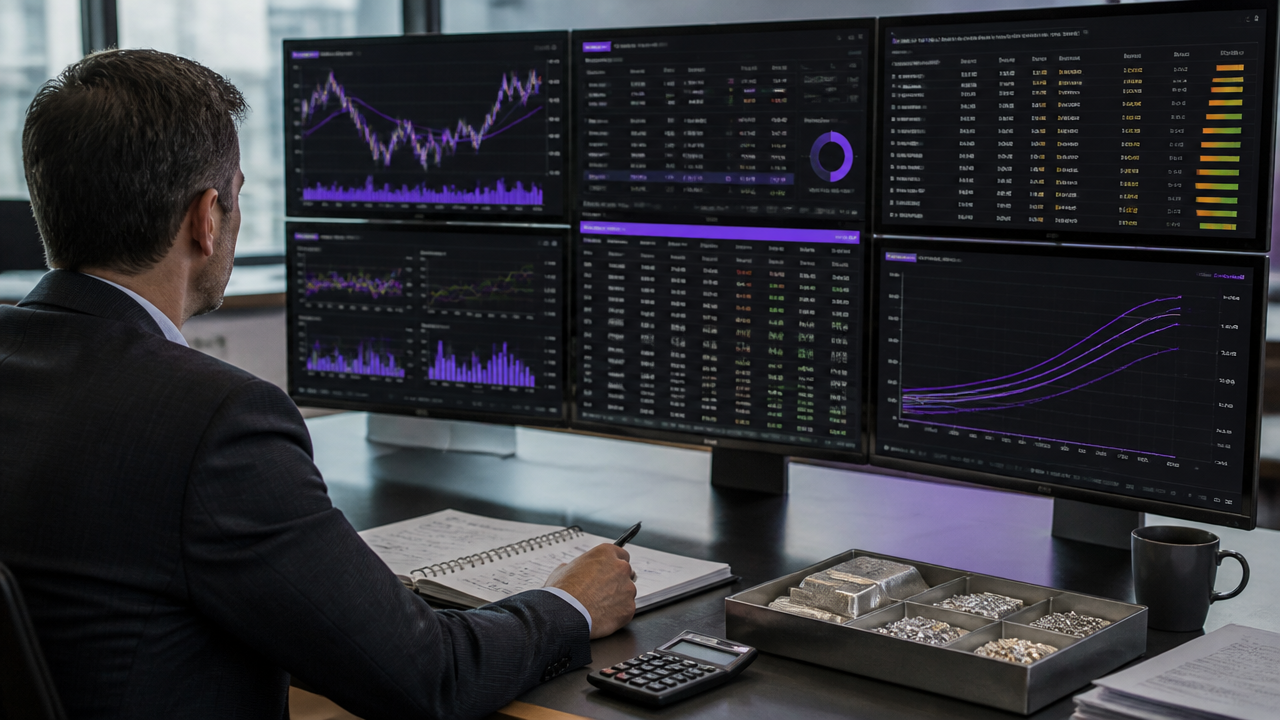
For readers building internal controls around daily revaluation, the blog post on real time mark to market monitoring is a practical extension of this topic.
How much silver is one contract, and why does that matter?
One standard silver futures contract is commonly tied to 5,000 troy ounces. That sounds simple, but the implication is large. Small changes in the quoted price per ounce can produce meaningful swings in total position value, especially when several contracts are used together.
For a hedger, sizing is everything. If your exposure is smaller or irregular, a full size contract may over hedge the underlying business. If your exposure is recurring, the issue shifts from size to mapping, which month to use, when to roll, and how to deal with gaps between physical pricing and the exchange reference.
This is why sophisticated commodity risk management starts with exposure measurement, not product selection. Uhedge’s platform was built around that sequence: register the open position, calculate hedge ratio, and then connect the derivative decision to the physical book, basis assumptions, and treasury controls.
Are silver futures mainly for hedging or for speculation?
They serve both purposes, but those are very different operating models. A speculator starts with a market view and then chooses risk size. A hedger starts with an existing business exposure and then looks for the least imperfect instrument to reduce it.
That difference changes everything from trade horizon to governance. A directional trader may care most about chart levels, volatility, and macro catalysts. A procurement or treasury team cares more about coverage ratio, basis slippage, liquidity usage, and whether the hedge improves earnings stability.
If your team is comparing exchange futures with bespoke bank structures, the article on managed hedging services versus large bank products helps frame the trade off between transparency and customization.
Why basis risk is the hidden issue in silver hedging
The biggest mistake in commodity hedging is assuming the futures price and the physical price move in perfect lockstep. In reality, a company may buy or sell a local or negotiated silver related price that embeds location, quality, timing, financing, or commercial terms not fully captured by the exchange contract.
That mismatch is basis risk. Even if the hedge is directionally correct, the residual gap between local physical pricing and the futures benchmark can still create earnings volatility. The same principle appears across agricultural and energy markets, which is why Uhedge treats physical and financial positions inside one risk environment rather than in separate files.
If you want examples of how governance reduces these errors, the post on common commodity hedging mistakes is directly relevant.
When futures are enough, and when you may need something else
Silver futures are often the cleanest starting point when you want transparent exchange pricing and standard liquidity. They work well when the exposure is recurring, contract sizing is acceptable, and the company can manage margin and roll logistics. They are less perfect when cash flow flexibility matters more than linear protection, or when the exposure profile is highly customized.
That is where options, collars, or replicated over the counter structures may become more appropriate. Uhedge’s CTRM environment supports both vanilla and more complex structures, including options based overlays, while keeping the same logic of mark to market, Greeks, stress testing, and documentation.
For teams evaluating instrument choice more broadly, the guide on futures versus options in commodities is a useful next step.
How Uhedge connects a silver hedge to enterprise risk control
A silver futures trade becomes valuable to a business only when it fits into a disciplined operating framework. Uhedge was built for that larger job. The platform records open exposure, helps calculate hedge ratio, tracks basis and mark to market, and supports governance from pre trade planning to accounting support.
For companies that manage commodities alongside FX or rates, this matters even more. The real decision is rarely a single metals trade in isolation. It is a portfolio question involving price risk, liquidity, accounting treatment, and management reporting. Uhedge’s approach brings physical and financial books into one auditable environment, with institutional quantitative methods and a conflict aligned commercial model.
If your operation is moving beyond isolated tickets and toward a structured treasury process, the overview of a commodity trading and risk management framework shows how those pieces fit together.
Frequently asked questions
How much silver is one futures contract?
The benchmark US silver futures contract is commonly based on 5,000 troy ounces of silver. Smaller formats may also exist for traders who want lower notional exposure, but the standard contract is still the reference most market participants use for pricing, liquidity, and hedging discussions.
How do you buy a silver futures contract?
You do not usually buy a futures contract the way you buy a coin or a bar. You open a futures account with an approved broker, post initial margin, and then buy or sell the contract through the exchange. Most participants close or roll the position before delivery rather than taking physical silver.
Are silver futures mainly for hedging or for speculation?
Silver futures can be used either way. Industrial users, merchants, and treasury teams often use them to hedge price risk, while discretionary traders use them to express a view on silver. The difference is not the instrument itself, but the process, sizing, governance, and whether the trade is tied to a real exposure.
Will silver hit $200 an ounce?
No one can know that with confidence. Silver prices depend on real rates, the US dollar, industrial demand, investment flows, mine supply, and market positioning. A disciplined hedger should not anchor decisions to bold price targets. The more practical question is how much price risk your business can absorb if the market moves against you.
Do silver futures usually end in physical delivery?
Most market participants do not hold the contract until physical delivery. They either offset the position before first notice or last trading day, or they roll it into a later month. Delivery rules matter because they shape pricing and liquidity, but operationally many users treat the contract as a financial hedge rather than a procurement channel.