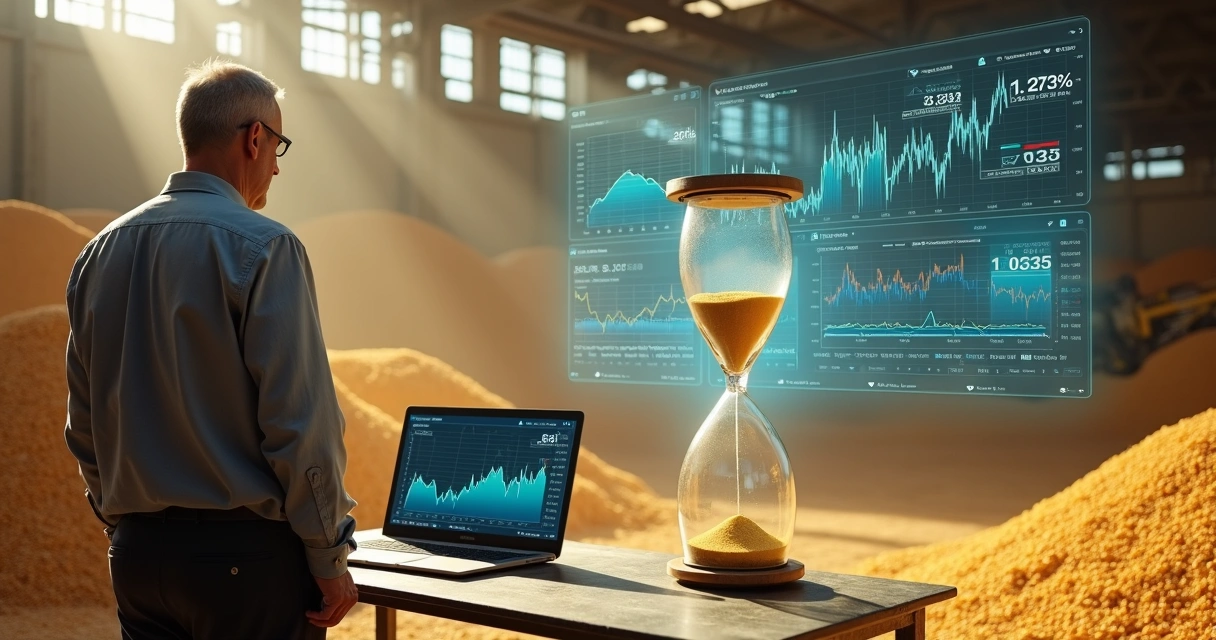
Every second counts when the market is shaking. In the world of agribusiness, where prices of grains, energy and interest rates shift unexpectedly, slow or reactive decision-making has become one of the main reasons for shrinking margins. The reality of 2026 presents even less room for error: delays in analyzing trends, executing hedge strategies, or centralizing data expose companies to real financial loss. As CFOs know all too well, the wrong call—or waiting too long—means missed opportunities and, all too often, direct hits to the bottom line.
Understanding margin shrinkage in agribusiness
Modern agribusiness is a complex machine. Commodities prices can swing sharply in days, fueled by unpredictable weather, international tensions, and interest rate policies. When management teams take too long to react, or use fragmented tools to monitor their exposures, profits slip through the cracks. UHEDGE and STATERRA’s extensive work with trading solutions highlights several recurring obstacles for CFOs in this space:
- Delayed analysis of shifting market trends, leading to missed timing for hedging decisions
- Fragmented data systems, causing confusion in risk exposure and liquidity management
- Manual processes that leave too much on “human memory” instead of robust, quantitative backing
- Reactive strategy: acting after a shock hits, not before
These issues aren’t just theoretical. For agribusinesses, farmers, cooperatives, or processors, they show up in fluctuating cash flows, lost pricing opportunities and unpredictable budget outcomes.
Strong margins demand swift, informed action.
Operational consequences of slow decision-making
The practical fallout of waiting too long is visible in almost every step of agribusiness operations. With commodities trading in global markets around the clock, slight delays in reacting to a market shift can mean selling a crop well below its peak, or locking in unfavorable input prices. Companies that fail to centralize their data and analytics often discover—too late—that they hold redundant or risky positions. CFOs face a dilemma: act with speed and confidence, or endure eroding margins.
- Cash flow volatility increases: Without prompt decisions, companies cannot lock in prices or rates, making income projections unreliable.
- Fragmented exposure management: Operations in currency, commodity, and interest often live in separate spreadsheets and emails, leading to untracked risks and costly surprises.
- Missed hedging opportunities: The best hedge structures are time-sensitive. Slow approval processes or manual calculation prevent companies from locking in favorable market positions.
- Increased transaction costs: When teams are disjointed, opportunities to aggregate positions are lost, resulting in more trades and higher fees.
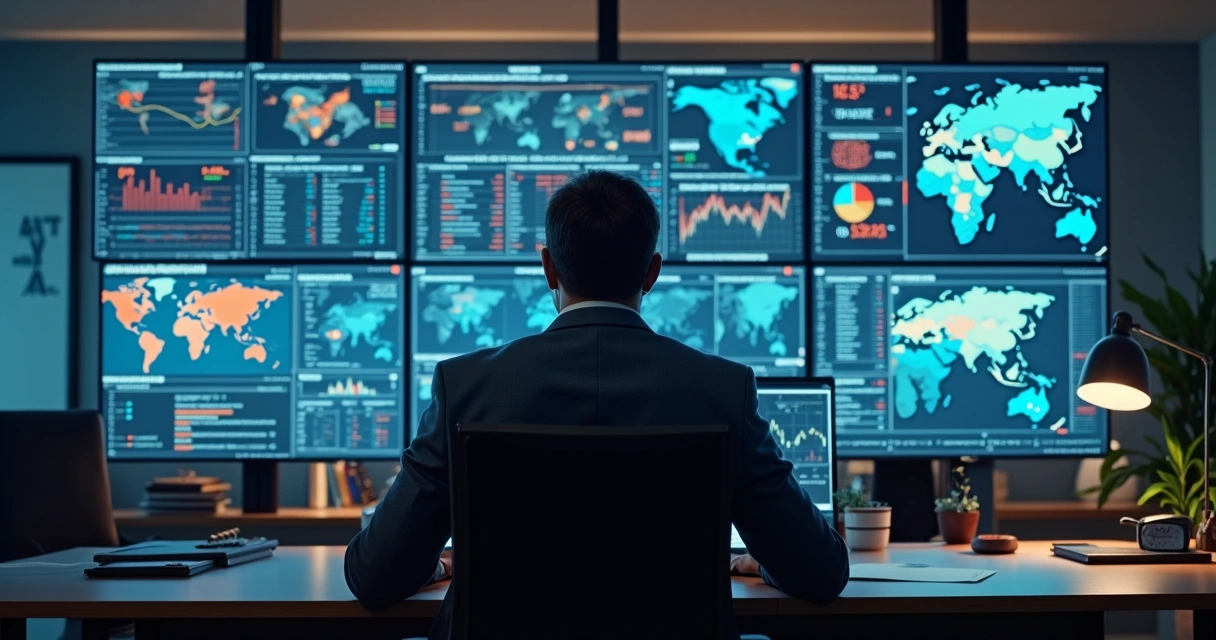
Fragmented processes frequently lead to inconsistent results and weaker profit margins. With each delay, companies trade under less favorable market conditions, diminishing their competitive advantage and making budgets harder to manage in a turbulent world.
The financial impact: real-world examples
Take the case of a grain cooperative in early 2026, facing a sharp shift in international prices. Lacking real-time data integration, its team waited days to approve a hedging strategy. By the time they acted, increased market volatility and a drop in the currency rate had already shaved several percentage points off their projected margin. This scenario echoes many real cases cited by UHEDGE/STATERRA’s experience, showing how reactive decision-making turns risk into loss.
Similar patterns emerge in energy trading, where a disjointed system can mean the difference between optimizing purchases and locking in high operating costs. For instance:
- Delayed purchase of fuel contracts during a geopolitical crisis led to higher prices across a region’s farm network.
- Missed consolidation of currency operations resulted in unforeseen losses as the dollar fluctuated rapidly.
These are not just stories—they are warnings. Companies that operate with outdated tools often pay the price in lower returns, missed opportunities for strategic hedges, and a lack of clarity for shareholders and partners.
Why centralization and automation matter
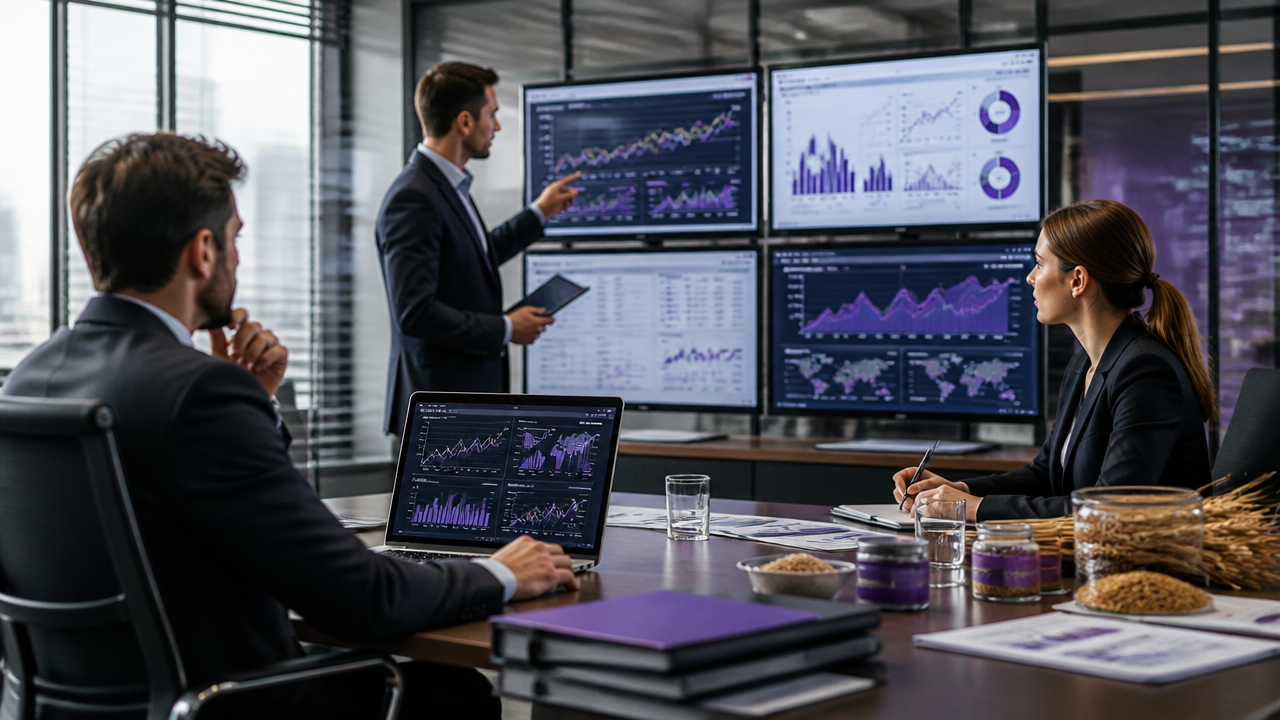
One recurring thread in the margin erosion story of 2026 is data fragmentation. When treasury, operations, and sales all work in their own silos, aggregated positions are hard to determine and sources of profit or loss are unclear. Real-time, unified data is the only path to understanding the full picture and acting on it fast.
- Centralized data means seeing risks and opportunities as they actually are. Timely consolidation leads to swift and confident decisions.
- Automated analytics empower teams with deeper visibility and predictive insight. Modern solutions scan thousands of possible scenarios in seconds—far more than any human can process manually.
- Real-time monitoring helps track risks and market shocks before they impact results.
UHEDGE’s Digital Treasury solution exists precisely to address these challenges. From real-time aggregation of physical and paper trades, to automatic calculation and risk mapping, it turns what was once humanly impossible into disciplined, data-driven action. Reports from the field confirm that, with centralized digital solutions, companies experience fewer liquidity surprises and see improved long-term financial consistency.
Moving from reaction to strategy: the AI advantage
The pace of trade in 2026 leaves little tolerance for after-the-fact decisions. Traditional systems, relying on standard bank or internal spreadsheets, cannot keep up. According to ongoing UHEDGE/STATERRA research, AI-driven treasury platforms deliver several transformative benefits:
- They detect weak spots in portfolios before risks materialize
- They provide instant recommendations for the best-fitting risk management tools at the best possible timing
- They centralize all monitoring and reporting, cutting through confusion and saving critical minutes in volatile markets
- They support a higher level of discipline and transparency, required by modern corporate governance
A striking practical example is how AI-driven analytics guided a major coffee exporter through the unpredictable “Café C” market. By applying real-time recommendations instead of waiting for traditional end-of-day reports, the company consistently sold at more favorable prices and avoided major currency shocks. The impact was clear in their improved P&L versus businesses relying on slow, fragmented processes.
Fast decision-making protects margins—every single day.
Recommendations for CFOs in agribusiness
For those holding responsibility for profit and loss in 2026, standing still is not an option. Here is how leading CFOs sharpen their approach:
- Move away from fragmented spreadsheets—adopt centralized digital treasury systems that provide unified, real-time data.
- Automate calculation and risk monitoring so that actionable insights are delivered instantly, not days later.
- Regularly review hedge strategies and exposure using scenario modeling, not just historical trends.
- Train commercial and financial teams to act on analytics, focusing on proactive moves, not just following the market.
- Foster a culture of quantitative discipline, ensuring that everyone works from a single source of financial truth.
Companies that embrace digital treasury solutions report fewer unnecessary losses and more frequent “winning” trades, as shown in articles on hedge predictability in agribusiness and how protection against commodity volatility secures profits. When technology removes bottlenecks, margin protection improves—and small gains become repeatable.
Other success stories are seen in sectors covered in hedge strategies for commodities and advice for avoiding frequent errors in risk management. Digitalization, according to UHEDGE/STATERRA’s extensive expertise, moves companies from reactive catch-up to strategic anticipation.
Conclusion: Taking action now matters more than ever
Agroindustry in 2026 is defined by speed, discipline, and clarity. Those who ignore the call for faster, smarter decision-making see their margins wither as they miss timely hedging, live with unpredictable cash flows, and fall behind competitors ready to act on data. It is not enough to react; the winners are those who predict, prepare, and execute—before the market moves.
UHEDGE and STATERRA’s promise is to give agribusinesses the tools, science, and expertise to do just that. Consider reaching out for a personalized analysis on how a digital treasury can restore visibility, discipline, and strength to your operations. Make that first move—protect your profitability and write your own margin story for 2026.
Frequently asked questions
What affects profit margins in agroindustry?
Several factors influence profits in agribusiness: market volatility, operational costs, weather impacts, and, crucially, the ability to take timely and informed actions. Access to real-time information, effective hedge strategies, and efficient liquidity management play vital roles in keeping profits resilient.
How does slow decision-making impact profits?
Slow decisions often result in missed opportunities for price protection, increased risk exposure, and losses from sudden market swings. When approvals, calculations, or insights lag behind market movements, margins are chipped away by preventable costs and risks.
How can agroindustry improve decision speed?
Faster decisions come from centralizing and automating treasury operations, aggregating all risk exposures, and empowering teams with quantitative tools that deliver actionable insights instantly. Training staff and adopting real-time digital platforms make a measurable difference.
Is fast decision-making worth it for margins?
Absolutely. Companies that act quickly on reliable data protect profits better, avoid costly errors, and capture more favorable deals. Fast, well-informed actions allow businesses to capitalize on opportunities before competitors and the market shift.
What are common causes of slow decisions?
Some major causes include fragmented data systems, manual processes, unclear responsibility, and lack of integrated digital treasury tools. When teams work in isolated silos and rely on delayed reports, decision-making loses its edge and timeliness, putting margins at risk.