Soybeans thread through global commerce, from vast South American fields to dinner tables in Asia and Europe. As prices jump and swing, growers, processors, and traders all face a simple but harsh truth: no one controls the market, yet everyone feels its result. Few sectors know volatility like agriculture. In this landscape, staying unprotected is a choice loaded with risk.
Why price swings in soybeans are a constant worry
Soybean prices respond to a wild array of forces. Sometimes, dry winds in Brazil send markets racing. At other times, currency moves in the US or China reshape global flows. This makes every harvest, contract, and shipping schedule a wager against both weather and world events.
What makes these price shocks so hard to deal with? The underlying problem isn’t just volatility—it’s that agribusinesses and food companies need to plan, price, and deliver months or even years ahead. When every input and output is subject to change, even a small price swing can turn healthy margins into losses.
No forecast is flawless. But actions taken today define tomorrow’s results.
The practical effect? Businesses scramble for ways to bring certainty into their finances. This is where risk management through futures comes in—a system trusted for generations, but now strengthened by digital solutions like UHEDGE’s quantitative treasury platforms.
The basic concepts behind soy hedge strategies
A “soy hedge” uses financial contracts to set or “lock in” a price for future soybean sales or purchases. Though variants abound, most practical strategies use futures—contracts traded on exchanges that oblige the delivery or acceptance of soybeans at a specific price and date.
This isn’t theory. Futures contracts are real, binding, and powerful. For a producer, selling a soybean future means securing a selling price even before harvest. For a processor, buying a future can lock in a stable cost ahead, removing ugly surprises from raw material budgets.
To build a strong risk management plan, it’s wise to keep the core ideas clear:
- Futures contract: A standardized agreement to buy or sell soybeans in a specific quantity, at a set price, on a future date.
- Hedging: The act of using these contracts to offset exposure to price swings in the physical (cash) market.
- Speculation: Taking futures positions not to offset physical risk, but to profit from price movement. A feature of the market—yet distinct from hedging’s purpose.
Understanding basis and the cash-futures relationship
The relationship between the local cash price and the futures price—called “basis”—is central to every soybean hedge. Basis often reflects transportation costs, local demand, storage fees, and even currency issues. A well-chosen hedge not only rides the main price swings, but also handles changes in basis.
For instance:
- When a farmer sells futures to hedge expected harvest sales, the basis risk is the possibility that the local cash price moves differently from futures.
- For a crusher or exporter, the basis may become more attractive—or less—over time due to logistic changes or unexpected surges in local buying.
Basis turns soybean hedging from theory into practical profit or loss.
Good risk systems, like those provided by UHEDGE, aggregate basis history and current trends so decisions are built on data, not guesses. This helps separate what can be managed from what must simply be monitored.
Margin requirements: Why cash liquidity matters
Every futures position requires a “margin”—an upfront deposit serving as a guarantee. This is not a cost, but a performance bond, usually a fraction of the contract’s value. As the value of the hedge shifts with market movement, the margin must be maintained. If prices move against the hedge, a “margin call” might come, requiring extra funds—sometimes when cash is tightest.
Managing margin calls is a test of liquidity discipline. Farmers and companies that plan margin needs can withstand market whiplash without selling physical product under stress. A powerful benefit of using digital treasury and risk management systems is the ability to continuously track and forecast margin needs, averting last-minute financing woes.
Key market drivers in soybean pricing
Four main forces influence soybean prices:
- Planting & Harvest Calendar: As the Northern and Southern Hemispheres sow and harvest at different times, global supply ebbs and flows throughout the year.
- Weather & Climate: Drought or excessive rain in Brazil, the US, or Argentina can cut yields—and send futures surging or sinking in days.
- International Demand: Purchases by large importers like China have immediate and powerful impacts. Policy changes, tariffs, and global trade tensions all ripple through price formation.
- Currency Movement: Most soybeans are priced in US dollars. When local currencies weaken or strengthen, physical prices can change abruptly, affecting both exporters and importers.
This is why companies with exposure to soybean prices need more than local news—they need cross-continental, real-time data to adjust their strategy. UHEDGE’s analytics platform brings together climate events, currency moves, and export flow data, all under one digital roof, equipping firms to anticipate when action is needed.
Comparing key soybean hedging strategies
Within the landscape of price risk management, several practical structures emerge:
- Short hedge (selling futures): Used by those who plan to sell physical soybeans at a later date. Selling a futures contract “locks in” a selling price, offsetting the risk of falling cash prices.
- Long hedge (buying futures): Used by crushers, feeders, or exporters to secure a purchase price and avoid nasty upward surprises.
- Options strategies: These provide more flexibility, letting businesses fix a floor or ceiling price and “buy insurance” against unexpected market moves.
- Accumulator and Fence structures: Available through innovative digital solutions like UHEDGE, these combine different option and futures legs to shape risk and return profiles as desired.
Matching the right strategy to each business’ needs, risk appetite, and liquidity is where modern digital platforms excel. UHEDGE’s engine uses statistical modeling and artificial intelligence to recommend the most suitable hedge structures, considering real-time market data, timing, and each client’s financial constraints. This is a leap beyond traditional checklists or spreadsheet calculations.
How digital treasury and risk systems redefine price protection
What separates today’s leading approach from the past? Three pillars stand out:
- Unified management: Instead of juggling cash, futures, and derivatives in scattered spreadsheets or systems, everything is centralized. Visibility improves, mistakes drop.
- 24/7 Monitoring & reporting: Positions and margins are tracked in real time. Scenario planning for shocks—like a margin call or price spike—becomes practical, not wishful thinking.
- Quantitative analytics: Platforms like UHEDGE’s provide predictive tools using advanced statistics and AI. This means actions are backed by thousands of historical patterns, not just intuition or tradition.
Managing basis risk and margin calls: Best practices
No matter how carefully you plan, the actual profit or pain from hedging often hinges on how well you manage basis risk and margin calls. Here are real practices that set effective managers apart:
- Track historical basis patterns: Use digital platforms to graph basis fluctuation for your local market and delivery month. Acting on data, not hope, helps refine hedge execution.
- Forecast margin needs ahead: Rely on systems like UHEDGE that integrate cash flow forecasts, open positions, and market volatility to anticipate margin requirements. Keeping a buffer reduces the chance of forced sales or expensive financing during crises.
- Update strategy as market changes: The best plans adapt. UHEDGE’s AI-driven software can signal when to roll, close, or restructure positions, ensuring more consistent outcomes.
These steps are not just operational—they define the border between proactive risk management and damage control.
Spotting the line between hedging and speculation
Hedging and speculation both use the same contracts, but their intent and operation diverge fundamentally. “Hedging” means reducing risk from a real business exposure: a farmer locking in sales, a processor ensuring a stable cost, an exporter shielding a future transaction from wild swings.
“Speculation,” however, means betting—on direction, timing, or volatility—without having a physical position to offset. Good risk management draws a clear line. The best systems, like the one from UHEDGE, help companies avoid drifting into unintended risk-taking by tying every contract to actual flows and exposures.
Risk for protection. Not for betting.
How UHEDGE digital solutions make a difference
UHEDGE offers far more than software. Inside its system is nearly two decades of quantitative know-how, distilled into dashboards, calculators, and monitoring tools specific to commodities like soybeans. The platform's AI and statistical modeling take in market news, price behavior, and macro trends, and translate them into confident pricing and timing recommendations.
With features such as:
- Live trading-oriented calculators for instant pricing of complex hedge structures.
- Algorithmic access to both listed and over-the-counter (OTC) derivatives for full flexibility.
- Granular, real-time tracking of positions, margin, and mark-to-market valuations.
- Integrated scenario analytics, so companies can see impacts of shocks or rapid price moves before they act.
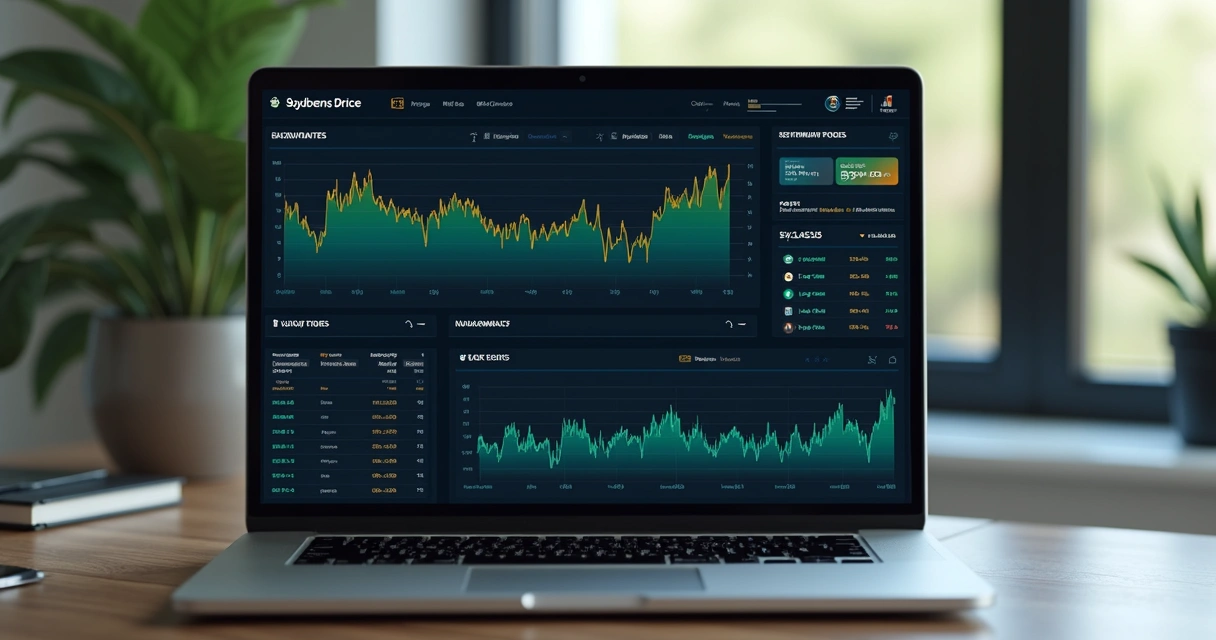
UHEDGE aims to democratize the advanced quantitative discipline that was once only available to global banks, bringing predictability and stability—and more predictable earnings—to real-world agricultural business decisions.
Why modern technology is a game-changer for hedging soybeans
Before sophisticated tools like UHEDGE emerged, price protection often meant scrambling through emails, spreadsheets, and multiple brokers. Today, the ability to see exposures, value at risk, and expected cash flows—all in one place—transforms risk from a source of stress into a source of control.
With every global event and policy shift now felt more quickly in market prices, the companies with the best digital systems are not just reacting faster, but making smarter, data-backed decisions. Predictability, consistency, and discipline in hedging are now within the grasp of even mid-sized agricultural players, not just the giants.
Take, for example, the ability of UHEDGE’s platform to:
- Optimize timing for hedge entry or exit, using advanced analytics.
- Minimize operational errors by tracking every open position and flow in a single environment.
- Transform exposure insight from “after the fact” to “real time”, redefining the standard for financial discipline.
For companies who wish to build resilience, hedge confidently, and grow with less fear of price shocks, these advantages are decisive.
For a breakdown of how to protect against volatility in commodity markets, check this resource on volatility protection to see how theory meets tactical action.
Conclusion
In a world where volatility is the rule, not the exception, successful risk management in soybeans requires both proven market tools and the next generation of digital intelligence. Futures and related strategies provide the muscle, but software like UHEDGE supplies the brains—combining real-time data, predictive analytics, and disciplined governance in a single environment.
For anyone exposed to soybean prices, building a robust hedging program is not just a safeguard—it’s a path to consistent profit, stable growth, and fewer sleepless nights.
Growers, processors, and commodity managers looking for superior protection and decision support should discover how UHEDGE’s digital treasury solutions can empower their business. Connect today and see firsthand how rigorous science, smart technology, and almost 20 years of expertise can bring peace of mind to soybean price risk.
Frequently asked questions
What is a soy hedge strategy?
A soy hedge strategy is a plan or method used by soybean producers, processors, or traders to reduce or offset the impact of price fluctuations in the soybean market. By using financial instruments like futures or options, a business can lock in prices or set protective price floors, ensuring more predictable revenues or costs regardless of market swings.
How do soybean futures help manage risk?
Soybean futures contracts provide an effective way to transfer price risk from those who want protection to those willing to assume it. By buying or selling futures, market participants can set a future buying or selling price for soybeans, shielding their operations from extreme price changes that could affect profitability or budgets.
Is hedging soybeans with futures worth it?
Hedging soybeans with futures is often worth it for businesses facing unpredictable market conditions. The main benefit is preventing sudden losses that can disrupt cash flow and business stability. While there is a cost, most firms find that the predictability and security brought by these strategies far outweigh potential downsides, especially when combined with modern digital risk management tools.
What are the best tools for soy hedging?
The best tools combine advanced analytics, real-time reporting, and an integrated approach to tracking both physical and financial flows. Solutions like UHEDGE offer trading calculators, portfolio monitoring, basis and futures analytics, and AI-powered scenario forecasting—all in one system, tailored for agribusiness needs and rapid decision-making.
How can I start hedging my soybeans?
Start by assessing your exposure: estimate how much soybean volume is subject to price risk. Learn about futures and options, and develop a clear hedge policy that matches your objectives and risk tolerance. Using a digital treasury and risk platform such as UHEDGE makes it easier to simulate strategies, receive automatic recommendations, and manage every step—from execution to monitoring—in a unified environment. For those looking for support and practical expertise, reaching out for an initial risk assessment with UHEDGE can be a decisive first step toward safer and smarter risk management.