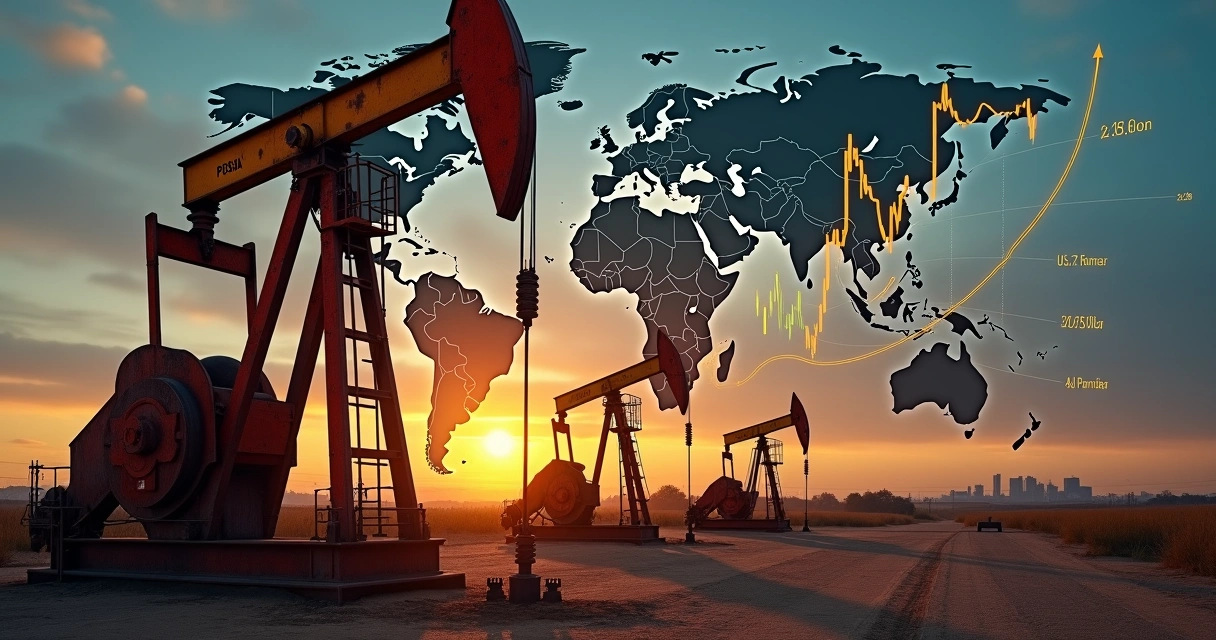
The idea of Nicolás Maduro being captured by the United States feels less like fiction and more like the spark that could set off seismic changes in who controls Venezuela’s vast oil potential. With about 300 billion barrels of proven crude oil reserves, more than any other nation according to OPEC, Venezuela stands as a global outlier—neither Saudi Arabia nor Russia comes close in raw barrels beneath their soil. This singular resource base, locked largely underground due to years of political and economic dysfunction, keeps risk managers, traders, and entire countries on edge as OPEC’s Annual Statistical Bulletin confirms.
The backstory: Decline by design
Years of U.S. sanctions, severe institutional corruption, and chronic underinvestment have cut Venezuela’s oil production from over 3 million barrels per day in the 1990s to only about 800,000 barrels daily in 2023—a sharp and very public fall, as tracked by the latest OPEC production data and EIA analysis. Despite having the world’s largest untapped energy reservoir, this South American country generates less crude each year than Texas. The real struggle is not about expropriating Venezuelan land; Washington’s main objective is to engineer a friendlier government—perhaps led by figures like Edmundo González or María Corina Machado—restore diplomatic ties, and restart the battered state company PDVSA without putting American boots on the ground.
America wants influence, not occupation.
This method echoes a long U.S. tradition in the region, as intervention for resource access has deep roots, from Guatemala in 1954 to more recent sanctions-based leverage in Venezuela.
Modern moves: Sanctions and subtle shifts
The U.S. approach in recent years indicates flexibility. By granting limited trading exemptions—like those for Chevron in 2022—the White House keeps oil moving, avoids a supply crunch, but never directly props up Maduro’s regime. The message is clear: stabilize production, open up to foreign investment, and global energy markets can benefit.
If Maduro were to exit or lose power and a new government stepped forward, it would mean a rapid return of U.S. oil majors, especially to exploit the immense Orinoco Belt.
- The Orinoco Belt remains only modestly developed because of past instability and choking regulations.
- Rebuilding output to even 2 million barrels per day would, according to BP and energy experts, require $50 billion in fresh capital and three to five years of hard work.
- This would demand public-private partnerships and strong governance, things absent under the last decade of leadership.
Energy leverage: Cheaper flows, global tension
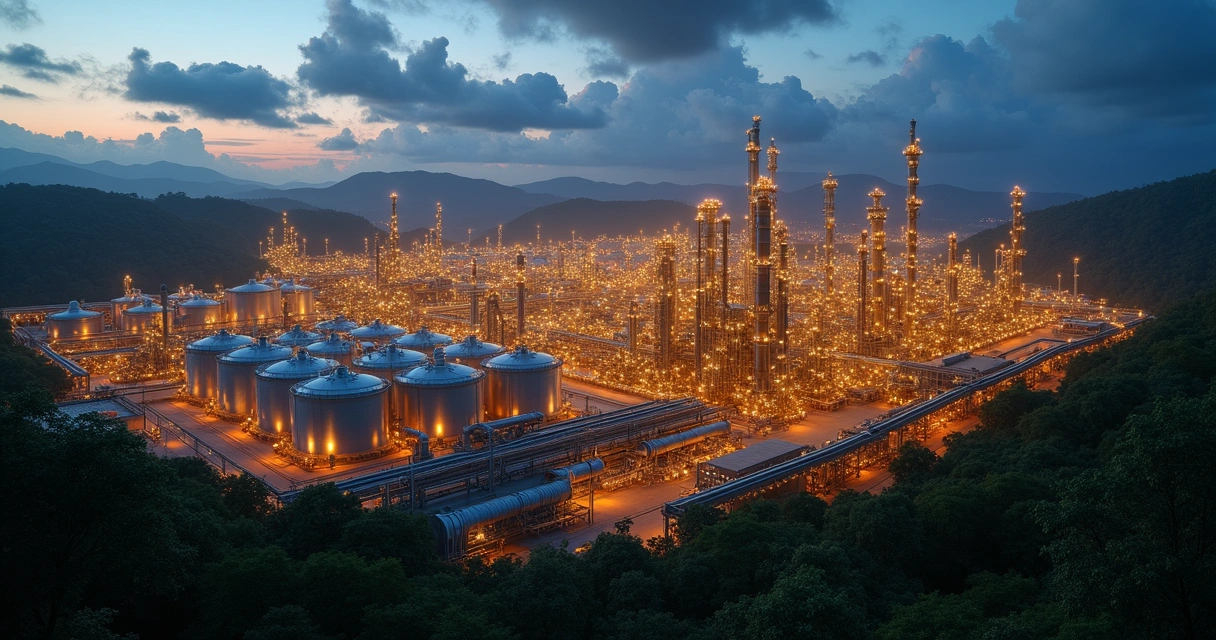
Restoring Venezuelan oil to the market gives Washington an unrivaled chance to ensure regional supply stability, especially as disruptions from Ukraine and the Middle East persist. The proximity of Venezuela means lower shipping costs for Gulf Coast and East Coast refineries, beating out longer-haul options from Africa and the Middle East. Added barrels would quickly reach the U.S. market, helping to keep energy inflation contained and maintain price stability for industry and households.
The UHEDGE ecosystem, with its AI-powered risk systems, sees these macro events as a wake-up call for rigorous analytics and disciplined market monitoring, showing how volatile price environments demand advanced forecasting and hedging techniques, as detailed in resources on commodity market monitoring.
Strategic contest: Beyond immediate profit
This is not only about oil flows, but also about limiting geopolitical rivals. Venezuela’s recent history includes tens of billions in Chinese loans and lingering Russian interests, especially through Rosneft. A swift pivot to a transitional or opposition-led government could blunt their influence and open space for U.S. soft power via multilateral pressure, IMF support, and new bilateral agreements. These maneuvers do more than unlock barrels—they adjust the global balance.
- Energy independence for the Americas strengthens Western security margins.
- Limited dependence on Russia or Middle Eastern supplies eases Washington’s foreign policy burden.
- New opportunities arise for European markets, which are keen to diversify away from Russian energy post-Ukraine.
Risks and flashpoints: Fallout from instability
Threats lurk behind opportunity. Should post-Maduro Venezuela descend into violence or chaos—something not unthinkable after the Afghanistan power vacuum—a mass migration crisis could unfold, further rocking neighboring economies and political systems. Oil production, instead of recovering, could fall below 500,000 barrels a day, yanking more barrels from the world supply and driving prices up. A scenario where Brent crude climbs past $90 per barrel quickly turns into a global consumer headache.
A failed transition is as dangerous as no transition at all.
Future scenarios: How prices might move
Looking toward 2026, three clear paths emerge, each shifting the oil landscape in unique ways:
- Stalemate scenario – Maduro remains. Output stays stuck or inches up, averaging under 1 million barrels a day. Brent oil prices likely hover between $70-$80 per barrel, supporting Russia and OPEC+ while leaving U.S. and EU buyers exposed to broad supply shocks.
- Successful transition – New government, rising output. If reforms and investment speed up production to 1.5–2 million barrels daily within two years, global supply loosens. Market prices could fall as low as $60-$70, especially if demand from Asia softens, benefiting U.S. consumers and European refineries over Moscow or Riyadh.
- Severe instability – Plummeting production. Output collapses under instability, sending prices spiking past $90 for Brent. This damages not only energy-importing nations but also throws emerging markets into fiscal challenge.
BP’s and OPEC's forecasts are frequently cited in institutional discussions, including in OPEC statistical publications and production data. Forward-looking strategies like those championed by UHEDGE’s quantitative approach offer pathways to more stable risk management when navigating possible futures for global energy markets.
Wider effects: Europe, OPEC+, and the new order
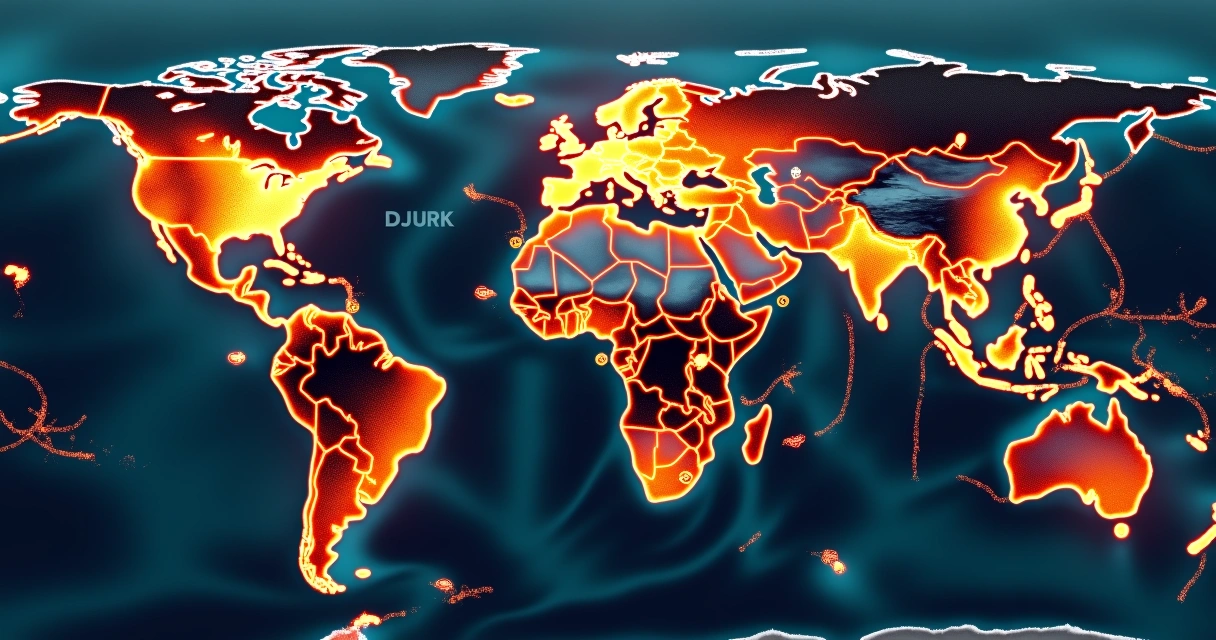
Rising Venezuelan exports would not just impact North American buyers. Europe would be able to diversify away from Russian energy, while OPEC+ countries might need to trim their own output to protect price floors. The result: OPEC+ loses some of its dominance, as more market participants dilute collective muscle.
On a local scale, cheaper oil means the U.S. faces less commodity-driven inflation, and budget relief can be channeled to renewable energy investments. At a strategic level, new market entrants will force traditional players to become more agile, pushing even the most established exporters to adopt data-driven discipline, traits flagged by UHEDGE’s own market intelligence advisors as decisive for the next commodity cycle, as seen in their hedging strategies for metals markets and commodity diversification guidance.
What UHEDGE reveals about volatility and opportunity
The UHEDGE and STATERRA expertise shows that investors could find an increasing set of opportunities in oil-related stocks and ETFs, but only with a clear strategy to handle wild price swings. Whether or not Maduro is arrested, the power struggle for Venezuela’s reserves is more about governance than justice—it’s about determining who manages the barrels most likely to shape the world’s next energy chapter. A robust, data-backed policy like UHEDGE promotes is the best shield against volatility and surprise in the energy sector as demonstrated in commodity margin protection articles.
Conclusion: Energy’s next wave is shaped in Caracas
In short, the capture or negotiated removal of Maduro could set off a supply shock that rewires the global energy order. For those engaged in risk management, trading, or supply chain planning, tools that gather and process complex market signals in real time—like the digital treasury and risk systems UHEDGE provides—are not just helpful; they are transformative. Those who are ready to adopt this mindset and technology will be positioned to extract value from volatility, not just weather it.
For executives and investors eager to navigate these deep waters, UHEDGE offers tailored risk diagnostics and digital treasury demos. Move beyond reaction; participate in the next era of disciplined, scientific, and profitable risk control.
Frequently asked questions
What will oil prices be in 2026?
Price predictions for 2026 depend on scenario outcomes in Venezuela and wider geopolitical stability. If production recovers, Brent crude could average $60-70 a barrel. If instability or supply disruptions persist, prices may hold at $70-80 per barrel or even rise above $90 in worst-case scenarios. Long-term forecasts rely on demand growth, global conflicts, and the level of investment in new capacity.
How will Venezuela impact oil prices?
If Venezuela brings significant extra barrels to market, price pressure downwards is likely, helping consumers and shifting power away from OPEC+. However, continued production mismanagement or severe unrest may create new supply shocks and boost prices globally. Venezuela’s output matters because of its size and geographic proximity to major markets.
Is it worth investing in oil by 2026?
Potentially, yes, but only with a strategy that accounts for high volatility and quick shifts in supply/demand. Investors who use advanced analytical tools and robust hedging techniques, like those recommended by UHEDGE, may be better equipped to manage the risks of an unpredictable sector. Oil-linked ETFs and producer equities could benefit from rising output or price volatility.
What affects oil price predictions for 2026?
The main factors are Venezuelan production outcomes, OPEC+ policy moves, shale dynamics, global demand trends, Middle East and Ukraine risks, and the speed of investment in new wells or refineries. Policy shifts and large-scale disruptions can create price swings harder to anticipate without advanced risk modeling.
Will global energy markets change by 2026?
Yes. The entry or withdrawal of major exporters like Venezuela can substantially alter market balances, trading patterns, and the strategic priorities of major energy consumers. Growing diversification, the push for renewables, and technological advances in market surveillance—like AI-driven risk systems—are making global energy trade more interconnected, less predictable, and broader in participation.