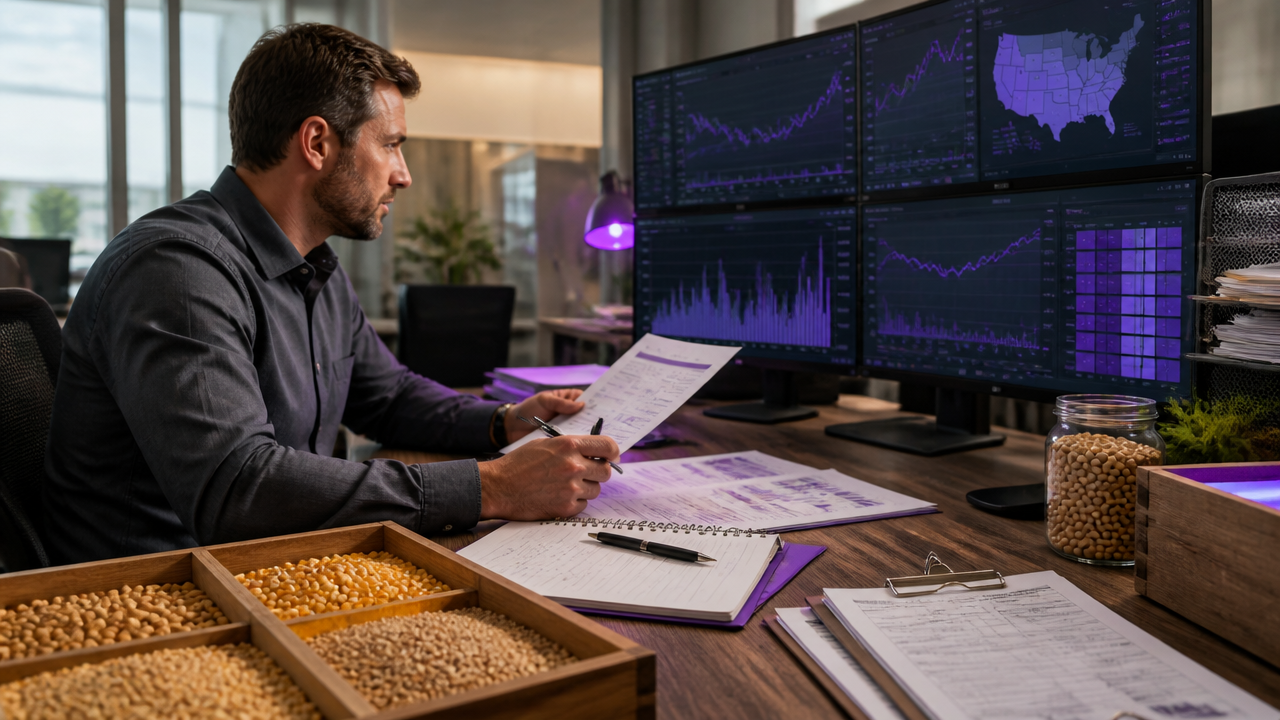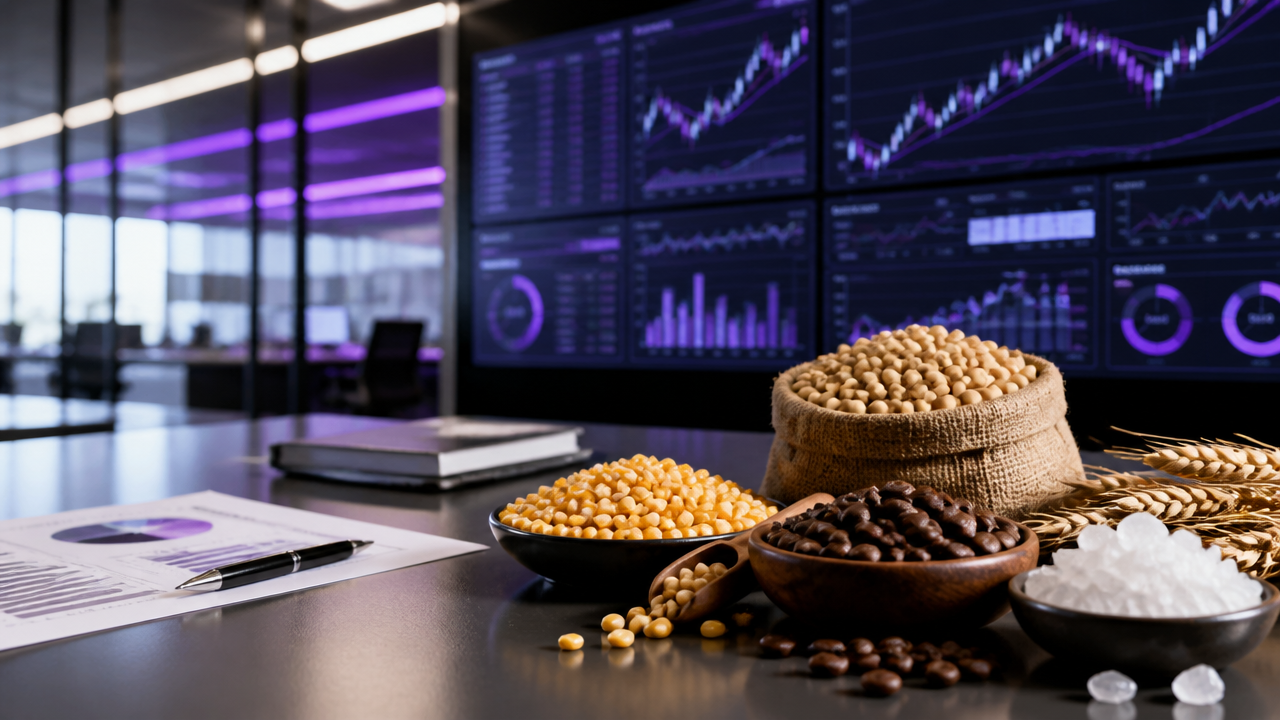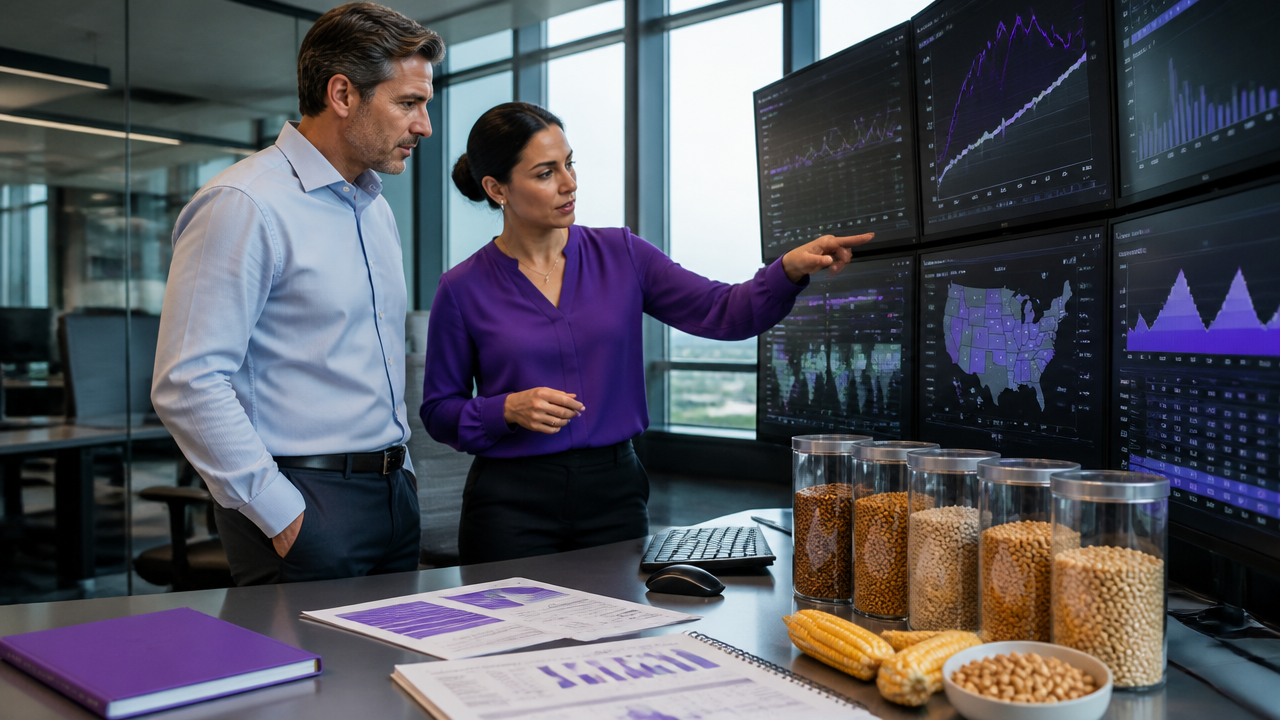
Commodities move the world. They are the backbone of industry, energy, and agriculture, and their prices shape economies large and small. But what is really behind the spotlight? This article will illuminate their essence, how their value is set, why risk never sleeps in commodity markets, and how technology—especially the AI-powered approach at UHEDGE—has changed the way companies manage exposure and make strategic decisions.
Understanding what commodities are in global business
When financial experts are asked, “What is commodities?" they answer simply: Commodities are basic, interchangeable raw materials that are bought and sold on global markets. These goods are the essential building blocks of economies and industries, traded in vast quantities to power society and manufacture products found in every home and enterprise.
There’s a key characteristic: fungibility. That means a unit of one producer is virtually identical to the same unit from another, whether it’s a barrel of crude oil, a bushel of wheat, or an ounce of gold.
These goods are sorted into two main types:
- Hard commodities: These are natural resources that are mined or extracted, like oil, copper, iron ore, and natural gas. Think of the lifeblood of energy and heavy industry.
- Soft commodities: These come from agriculture—crops such as coffee, corn, wheat, soybeans, and livestock. They are grown or raised rather than extracted, and their cycles are shaped by climate and seasons.
Most people interact with both types—though usually without realizing it. A morning coffee, a phone made with copper, a car powered by gasoline, and even bread from wheat are end products that begin as commodities.
Raw materials, not brands, rule these global markets.
The role of commodities as foundation of trade and production
Without commodities, factories stop, planes don’t fly, and grocery shelves go empty. Their role is to serve as universal inputs: oil fuels transportation and heating, grains feed populations and livestock, and metals build cars and electronics. This universality drives robust, often round-the-clock global trading activity.
Key players by sector
Energy businesses rely on hard commodities such as crude oil, natural gas, and coal. Agribusiness is anchored on crops and livestock, while industry leans heavily on metals like aluminum and steel. The supply chains of these sectors are immense and tightly linked to price changes in raw materials. When weather, war, or regulation disrupts their supply, costs ripple worldwide.
How commodity prices are set in the global market
At the core, commodity prices are determined by supply and demand. Simple in theory, endlessly complex in practice. Every day, exchanges around the world match buyers and sellers, with prices moving in real time based on expectations, news, and actual flow of goods.
Three main elements shape supply and demand:
- Geopolitical events: Wars, trade tariffs, sanctions, or political instability in producing nations can choke supply, trigger panic buying, or collapse markets overnight.
- Weather and climate: Hurricanes, floods, droughts, or even shifts in seasonal cycles can make or break harvests, disrupt logistics, or shut down mining operations.
- Production cycles: Lead times for planting, harvesting, drilling, or mining mean that changes in output are never instant. Companies must forecast years ahead, which adds more complexity—and risk.
Then, layer in expectations. News of a coming El Niño or rumors of unrest in a key oil-producing country often move prices before any tangible impact occurs.
The pricing of commodities is transparent in the sense that it’s governed by public exchanges (such as CME or ICE) for standardized contracts. But physical markets—where real barrels, bushels, or tons change hands—also set reference prices, especially for specific delivery locations or qualities.

Companies don’t just accept these prices—they try to predict, lock in, and manage them to protect profitability. For a deeper examination of how these forces affect markets on a regional level, readers should review industry perspectives focused on Brazil and its unique market dynamics.
Understanding price volatility and its real-world consequences
Volatility is a fact of life in commodities. Prices can move violently in response to small external shocks—just a temporary port closure or policy change can disrupt global flows. For companies buying or selling huge volumes, these swings bring high stakes.
Major risks occur when:
- Producers face a sudden drop in selling prices—they risk financial loss or even bankruptcy.
- Buyers, like manufacturers or airlines, are hit by rapid cost surges—squeezing profits or halting production.
- Speculators step in, amplifying moves by taking positions on future price movements.
For businesses exposed to these risks, managing price movement is not a luxury—it’s a survival tool.
How futures contracts and derivatives shape the market
One of the most powerful realities in the commodity world is that the majority of trade happens not in the spot market (physical goods changing hands immediately), but through futures contracts and derivatives. These are financial instruments that commit buyers and sellers to exchange a set quantity of a commodity at a future date, at a price set today.
This is not just for speculators. Real companies use these contracts to hedge risk. For instance, a coffee producer can lock in a selling price for next year’s harvest, while a bakery secures wheat at a known cost. This ability to plan and protect against future price spikes or crashes is invaluable—while also introducing its own set of complexities.
Other derivatives, like options and swaps, allow for more tailored strategies. Some can limit losses while allowing participation in favorable moves; others help manage exposure to multiple variables, like currency and interest rates alongside commodity prices.
Still, as studies published by the Journal of Financial and Quantitative Analysis found, the effectiveness of hedging can be limited by the specific business model, how sensitive costs are to changes, and the market’s actual depth. Hedging is a science—and an art—of tradeoffs.
Examples of risk management in action
Take the world’s coffee markets. In an approach cited by UHEDGE, a coffee giant may use a mix of futures contracts and AI-powered analytics to decide when and how much to hedge. For a batch of 10 lots, it may target to beat a price benchmark, with risk (such as leverage) tightly controlled. The quantitative models help decide when to buy, sell, or remain neutral, sometimes reacting to subtle price signals invisible to the naked eye.
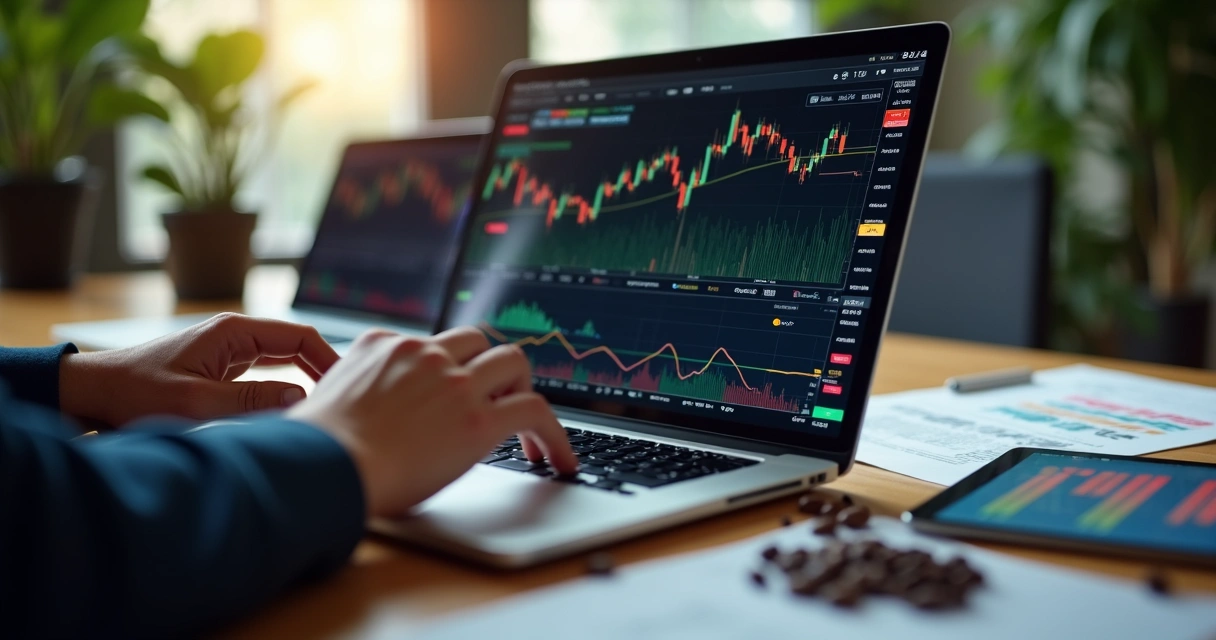
Data makes the difference between guessing and knowing in commodity trading.
This is where UHEDGE’s ecosystem stands apart. Their Digital Treasury system integrates algorithms and market intelligence to automate calculations, monitor risk positions in real time, and suggest hedging strategies matched to each company’s profile.
The challenge of fragmented data and why unified systems matter
For many companies, especially in agribusiness, energy, and industrial sectors, the management of commodity, foreign exchange, and interest rate exposures has long been fragmented. Different teams operate in silos, using spreadsheets, partial software solutions, or even manual processes. This fragmentation leads to a lack of discipline, unnecessary risk, and a reactive approach to market shocks.
- Disorganization raises the chance of missing a critical price move.
- Disconnected data can make hedging strategies less effective.
- Without real-time visibility, companies might react too slowly to market changes or global turbulence.
A unified, digital system—such as that offered by UHEDGE—solves this by centralizing all operations in a single environment. That means companies can see, manage, and adjust their positions in real time, ensuring decisions are based on solid analysis rather than guesswork.
The impact of AI and predictive analytics on the market
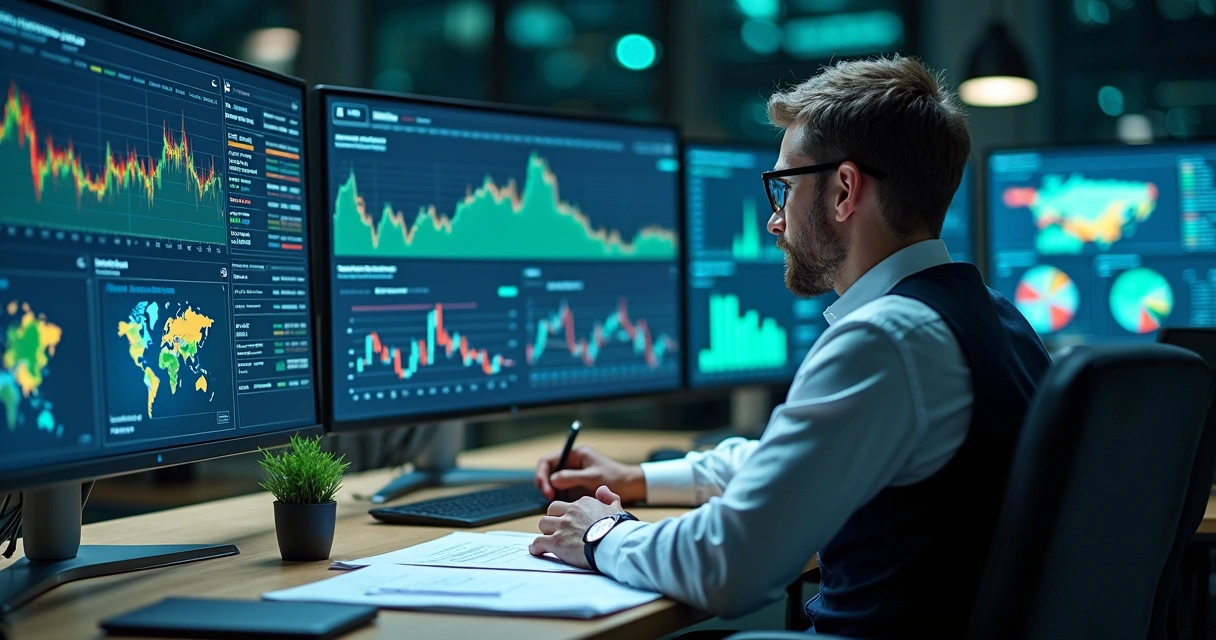
Modern commodity risk management is anchored in technology. AI-driven platforms and quantitative models are not just buzzwords—they’re practical tools that transform mountains of data into usable insights.
With AI, it’s possible to process and analyze thousands of factors influencing price—simultaneously— something no human team could achieve on its own. This means companies can:
- Monitor price risks and performance metrics for every product, in real time.
- Visualize complex patterns in futures curves, volatility surfaces, and cross-asset relationships.
- Receive early warnings and strategic recommendations automatically, based on their unique risk profile and market context.
- Automate the creation and pricing of advanced derivative structures, such as Accumulators or Fences.
This is especially valuable when dealing with complex risks—like simultaneous exposure to commodity, FX, and interest rate volatility. By using these advanced analytics, companies go from simply surviving market swings to actively capturing value and protecting margins.
The shift to AI-driven treasury and risk management has proven to increase consistency, discipline, and predictability—turning risk into opportunity, even when volatility is high. UHEDGE’s adoption of this methodology is a prime example of how companies can move away from guessing and toward results anchored in data.
Hedging strategies: What really works?
Not all companies face the same risks—or require the same solutions. Effective risk control depends on a company’s size, their business model, cost structure, and the elasticity of demand for what they buy or sell. As found in peer-reviewed research in the Journal of Financial and Quantitative Analysis, even the most sophisticated hedge can have limits if the business’s costs or revenues are highly sensitive to price changes, or if the instruments used don’t fully match the risk profile.
A few typical strategies in the market include:
- Basic futures hedging—locking in a buying or selling price.
- Options hedging—to protect against extreme price swings while keeping upside potential.
- Custom structures (like Accumulators or Fences)—tailored contracts that match the company’s specific production or consumption profile.
It is increasingly clear that those with advanced systems, persistent analytics, and real-time market intelligence have a competitive edge. Companies who rely solely on traditional, fragmented management often pay higher costs and miss critical opportunities.
Managing margin calls, liquidity, and cash flow
It isn’t just about price. Good commodity risk management also means planning for liquidity events—like margin calls on futures contracts that can drain cash unexpectedly. Failure to manage this side of trading can destabilize an otherwise healthy business.
UHEDGE integrates these concerns by optimizing the entire trading and liquidity process in a single, disciplined workflow. This allows for smoother cash planning, less stress from surprise capital requirements, and better alignment between risk and business goals.
Quantitative discipline and strategic agility: A new paradigm
In today’s global markets, being reactive is not enough. The real transformation comes when companies adopt a system that brings together:
- Quantitative discipline—using hard data and advanced models for every trade and risk decision.
- Strategic agility—the ability to quickly shift tactics, allocate resources, and capture market opportunities as they arise.
The alliance between UHEDGE and STATERRA serves as a potent example of this mindset, applying the scientific rigor of global quantitative finance with the speed and clarity that only advanced technology can deliver.
To see how strategy and discipline can impact outcomes, readers may be interested in further guidance, such as practical advice on protecting margins in unpredictable markets or learning how to avoid common commodity hedging mistakes.
Biggest challenges and how to overcome them
Assembling a unified commodity risk management system isn’t easy. Businesses face:
- The sheer complexity of the markets—they are global, interconnected, and influenced by factors outside any one company’s control.
- Rapid developments in politics, climate, or technology—requiring tools that can react with speed and precision.
- Lack of expertise—human teams have natural limits, and it’s hard to keep up with the explosion of data and financial engineering.
That’s what has led to the rise of AI-driven Digital Treasury solutions like those developed by UHEDGE, which are purpose-built to make sense of chaos and provide a step ahead in decision-making.
For readers wanting to deepen their expertise on the many angles of commodity investment and diversification, there’s a helpful primer at seven reasons to diversify with commodities.
Conclusion: Turning volatility into opportunity
To sum up, commodities are the foundational ingredients of everything produced, consumed, and built in the modern world. Their value is set through a perpetual negotiation of supply and demand, moved by the many forces of geopolitics, climate, and expectation. Managing risk in these markets is no small feat, but with the integration of AI and disciplined quantitative methods, it becomes possible to shift from reactive to proactive, from uncertain costs to consistent, managed outcomes.
The future of commodity management is digital, strategic, and deeply quantitative. For those ready to see the impact of these innovations in their own organizations, the team at UHEDGE and STATERRA is prepared to help, providing the systems and guidance to weather any storm—transforming risk into value, every single day.
Ready to see how AI-powered market intelligence can change your approach? Take the next step and connect with UHEDGE for a personalized demonstration and strategic diagnosis that brings real expertise and technology into your business.
Frequently asked questions
What are commodities in simple terms?
Commodities are basic goods or raw materials that are interchangeable with others of the same type, used in trade and manufacturing worldwide. Examples include oil, gold, wheat, and coffee. These goods are the starting point for most products people use every day.
How are commodity prices determined?
Commodity prices are set by supply and demand on worldwide exchanges and in physical markets. Influences include production levels, demand from buyers, changes in the weather, geopolitics, and expectations about the future. Actual trading on platforms like futures exchanges helps standardize pricing and share that information worldwide.
What risks are involved in commodity trading?
Trading commodities involves many risks, such as price volatility—which can cause big profits or losses in a short time. Other risks include events like political unrest, natural disasters, interest rate changes, and liquidity crunches from unexpected margin calls or funding shortages. This makes risk management, like using derivatives and real-time analytics, very important in this market.
Is investing in commodities worth it?
Commodities can help diversify an investment portfolio and may offer protection against inflation, but the markets are volatile and complex. They can provide opportunity if managed well, but require knowledge, discipline, and often advanced risk strategies to avoid heavy losses. For a deeper look at the benefits of this asset class, consider reading about why diversify with commodities.
Where can I buy or trade commodities?
Commodities are traded on global exchanges like the Chicago Mercantile Exchange (CME), the Intercontinental Exchange (ICE), and through brokers that offer access to these markets. Many companies also trade directly with counterparties in so-called physical or OTC markets. For those interested in learning how companies use these markets to manage real-world risk, following updates and insights from UHEDGE is a helpful start.
To deepen your understanding or to stay updated, explore the many articles available at the UHEDGE blog’s commodity section—where the convergence of market intelligence and modern technology is on full display.