Soybean futures are useful when your real objective is not simply to trade price direction, but to control margin risk across the physical and financial sides of the business. For producers, crushers, exporters, cooperatives, and food companies, the contract is a benchmark, not the whole answer. The edge comes from connecting futures, local basis, FX exposure, liquidity, and accounting discipline in one operating process.
That is where many desks struggle. They can quote the board, but they cannot see what the move means for cash flow, inventory, sales commitments, and hedge effectiveness. For firms that need a more integrated workflow, Uhedge positions its CTRM platform and regulated asset management practice as a way to unify exposure planning, hedge structuring, mark to market, and audit ready documentation in one environment.
Key takeaways
- Soybean futures are a pricing tool first. They help transfer price risk, but they do not remove basis, freight, FX, or margin call risk by themselves.
- The best hedge starts with physical exposure. Quantity, timing, quality, destination, and local basis should be mapped before the first contract is traded.
- Basis can dominate the result. A correct futures view can still produce a weak hedge if the local cash market moves differently from the reference board.
- Margin discipline matters. A profitable hedge on paper can still create liquidity pressure if variation margin is not planned in advance.
- Options and OTC style structures have a place. They can help shape payoff, but only when pricing, Greeks, and scenario analysis are clear.
- Execution is not enough. The durable advantage is a process that links hedge ratio, mark to market, stress testing, and accounting evidence.
How soybean futures actually help a commercial business
The practical value of soybean futures is straightforward: they create a tradable reference price that lets a business reduce uncertainty before the physical deal is fully fixed. A farmer can protect a selling price window. A crusher can defend processing margin. An exporter can reduce board risk while managing basis and freight separately.
What matters is the link between the exchange contract and the commercial exposure. If your revenue or input cost is tied to soybean prices but your final economics also depend on regional premiums, logistics, and currency, the hedge should be designed around that full chain. This is why a more complete soybean hedge framework is more useful than a simple long or short opinion on the board.
For commercial users, the question is rarely "Will soybeans rise?" The better question is "Which part of my margin is exposed, for how long, and with what tolerance for basis and liquidity risk?" That shift in framing improves both trading discipline and governance.
What should you understand before placing the first soybean contract?
Before trading, know the contract is standardized, while your business is not. Futures have fixed delivery months, exchange rules, daily mark to market, and margin requirements. Your exposure may be a harvest window, a crush campaign, an export book, or a rolling purchasing program with uneven volumes.
That mismatch is where avoidable mistakes begin. Many new participants choose a contract month because it looks liquid, then discover the hedge does not line up with their cash timing. Others size the position from instinct, rather than from a formal exposure map and hedge ratio.
A sound pre trade checklist includes:
- the physical quantity actually exposed
- the period when price risk matters most
- the basis relationship between your cash market and the benchmark contract
- available liquidity and margin capacity
- whether options or structured protection fit better than straight futures
- how performance will be measured after the trade
Uhedge addresses this step by registering the physical and financial exposure in one CTRM workflow, then recommending hedge ratios and monitoring the position after entry, rather than treating execution as the end of the job.
Basis risk is often the hidden reason a soybean hedge disappoints
A soybean hedge can look correct on the exchange and still underperform in the real world because cash pricing is local. Basis reflects regional supply and demand, freight, storage, quality, and timing. When that local component changes, the hedge result can diverge from the board.
This is why basis should be monitored as its own risk factor, not as a footnote. A producer in one logistics corridor and a crusher in another may face very different economics even if both are using the same futures benchmark. The spread between futures and local cash is often where commercial P and L is won or lost.
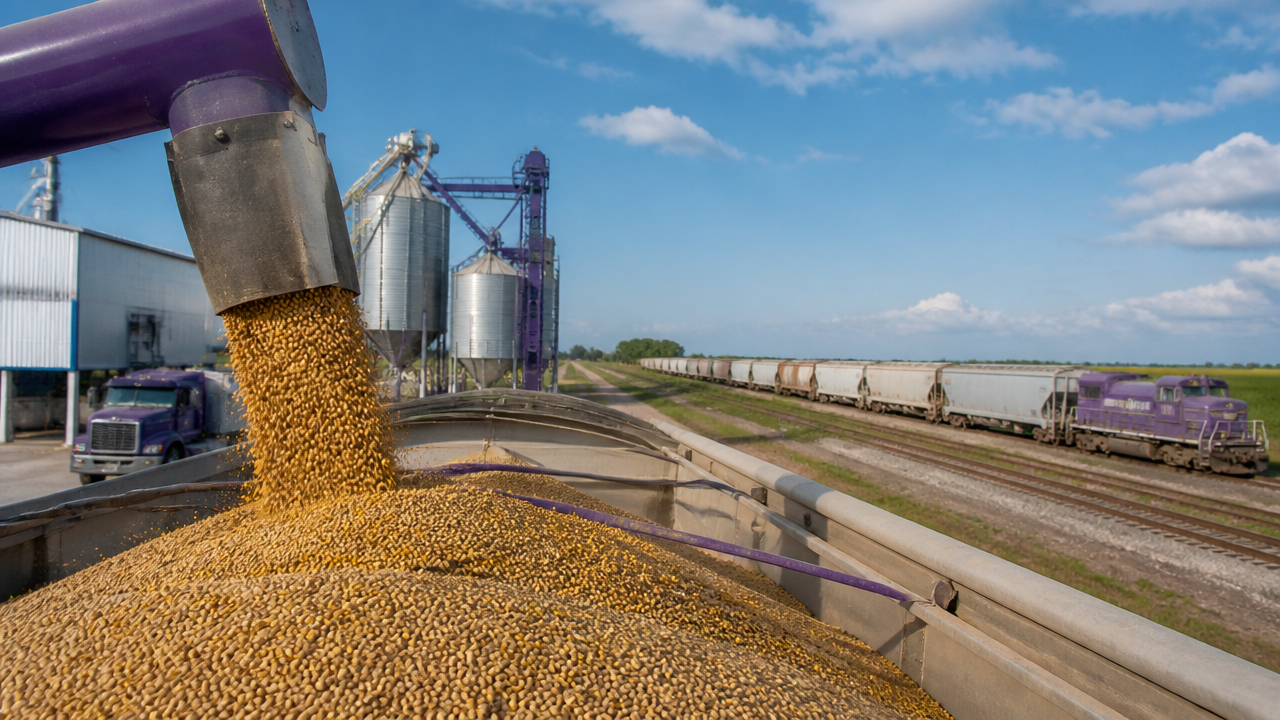
A useful way to think about the problem is to separate risks into layers:
- board price risk
- local basis risk
- freight and logistics risk
- FX exposure when revenue or costs are dollar linked
That is also why integrated tools matter. Uhedge describes its platform as combining physical pricing logic, regional basis, freight, and charges with the financial hedge book. For a commercial desk, that integrated view is stronger than managing futures in one screen and physical pricing in spreadsheets. A related view appears in this discussion of crush margin dynamics, where board and physical relationships need to be read together.
How do producers, crushers, and exporters use soybean futures differently?
The same contract serves different commercial goals. Producers often hedge expected production to protect a floor for future sales. Crushers care less about flat price alone and more about the relationship between beans, meal, oil, and operating margin. Exporters focus on board risk while managing origin basis, destination demand, and currency exposure.
Because the objective changes, the structure should change too. A producer may prefer staged hedging over time. A crusher may need a margin view across several linked commodities. An exporter may hedge the board first and fix basis later. Treating all three the same creates poor timing and weak risk measurement.
| Commercial profile | Main exposure | Typical hedge focus |
|---|---|---|
| Producer | Future selling price of harvest | Price floor, phased sales, cash flow stability |
| Crusher | Processing margin between beans and products | Spread management, input cost versus product value |
| Exporter | Board risk on origin and sales commitments | Timing alignment, basis control, FX awareness |
| Food manufacturer | Raw material purchase cost | Budget protection, procurement discipline |
For desks managing several books at once, an integrated commodity risk lifecycle is usually more valuable than isolated trade tickets, because the business decision is portfolio based, not trade based.
What is the real difference between trading futures and building a hedge program?
Trading seeks opportunity, while a hedge program seeks resilience. The distinction matters because a hedge should be judged by how well it protects margin and reduces uncertainty, not by whether every trade makes money in isolation. A losing futures leg can still be a successful hedge if the physical book gained what the derivative gave up.
This is where commercial firms often benefit from more structure. Uhedge frames its offer around an auditable environment that connects exposure planning, pricing, mark to market, stress testing, and accounting documentation. That approach fits businesses that cannot afford fragmented visibility across broker statements, spreadsheets, and ERP reports.
A mature hedge program usually includes:
- formal exposure mapping
- position limits and hedge ratios
- daily mark to market review
- scenario and stress testing
- liquidity planning for margin calls
- post trade documentation and effectiveness review
Firms comparing listed hedges with tailored structures may also benefit from a framework like OTC style pricing and replication, especially when a plain futures position does not match the business constraint.
Why mark to market and margin management decide whether the hedge is sustainable
A soybean hedge fails operationally when the desk cannot fund it through volatility. Daily variation margin turns market movement into cash flow movement, and that can strain even a well designed hedge. The issue is not just price direction. It is whether the company can absorb interim losses on the derivative while waiting for the physical offset to materialize.
That is why mark to market should be treated as a management system, not a daily report. If P and L, hedge ratio drift, and margin usage are monitored late, the desk is forced into reactive decisions, often at the worst point in the move.
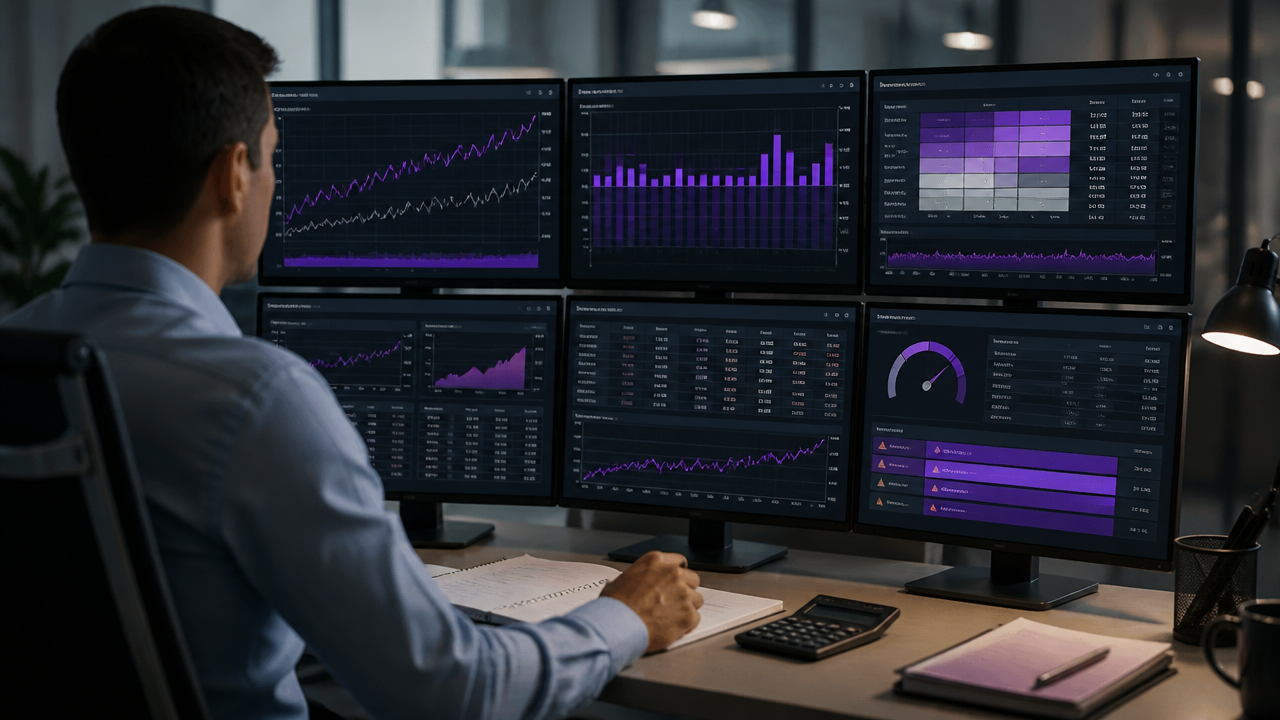
Useful monitoring should answer four questions every day:
- How much board exposure is still open?
- How much cash could margin require under stress?
- Is the hedge still aligned with the physical book?
- What changed in basis, volatility, or curve shape?
For teams that need this discipline, a dedicated mark to market monitoring layer helps turn price movement into actionable risk information, rather than noise.
Can soybean futures support hedge accounting and stronger governance?
Yes, but only if the hedge is documented from the start and monitored consistently. Many firms wait until audit season to organize designation, effectiveness logic, and evidence. By then, important decisions and assumptions may be missing. Good governance begins before execution, with a documented risk objective and a clear link between the hedge instrument and the exposed item.
This matters for companies that want cleaner reporting, less manual rework, and a stronger audit trail. Uhedge states that its environment extends from exposure planning to accounting documentation, including hedge accounting workflows and effectiveness testing. For businesses exposed to soybeans, FX, and rates at the same time, that can reduce friction between treasury, procurement, risk, and accounting teams.
Governance also improves trading quality. When a hedge has a stated purpose, measurable coverage, and daily controls, it is less likely to drift into discretionary speculation. That is one reason many firms connect commodity hedging with broader risk governance practices instead of treating it as a standalone market activity.
Frequently asked questions
What time do soybean futures trade?
Soybean futures trade on the exchange's electronic platform for most of the business week, with a short daily maintenance break. The exact session schedule can change by exchange rule, daylight saving adjustments, and holiday calendars, so traders should always confirm current hours with their broker and the contract rulebook before placing orders.
Why did soybean futures go up today?
Prices usually jump when the market has to reprice supply, demand, or positioning quickly. Common triggers include weather shifts in key growing regions, export sales, crop reports, fund flows, changes in soybean oil or meal values, and moves in the US dollar. Large moves often reflect several drivers hitting the market at once.
Who is the biggest buyer of soybeans in the world?
The largest buyers in the global soybean trade are usually major importing countries with large feed, crush, and food demand, especially in Asia. In practice, traders do not rely on a headline alone. They watch export inspections, weekly sales, and origin competitiveness to see which destination is actively setting the marginal price.
What is the highest price soybeans have ever been?
The all time high matters because it shows how extreme weather, policy shocks, and supply stress can reprice the market. Traders use prior peaks as stress test anchors, not as a forecast. A disciplined hedge process asks what cash flow, margin, and basis would look like if prices revisited a historical extreme.
Will soybeans hit $12?
A round number like $12 per bushel is not a forecast by itself. What matters is whether the market has a reason to accept prices above or below that level, such as tighter stocks, stronger export demand, a weaker crop, or higher vegetable oil demand. Good decisions come from scenarios, not from one headline target.